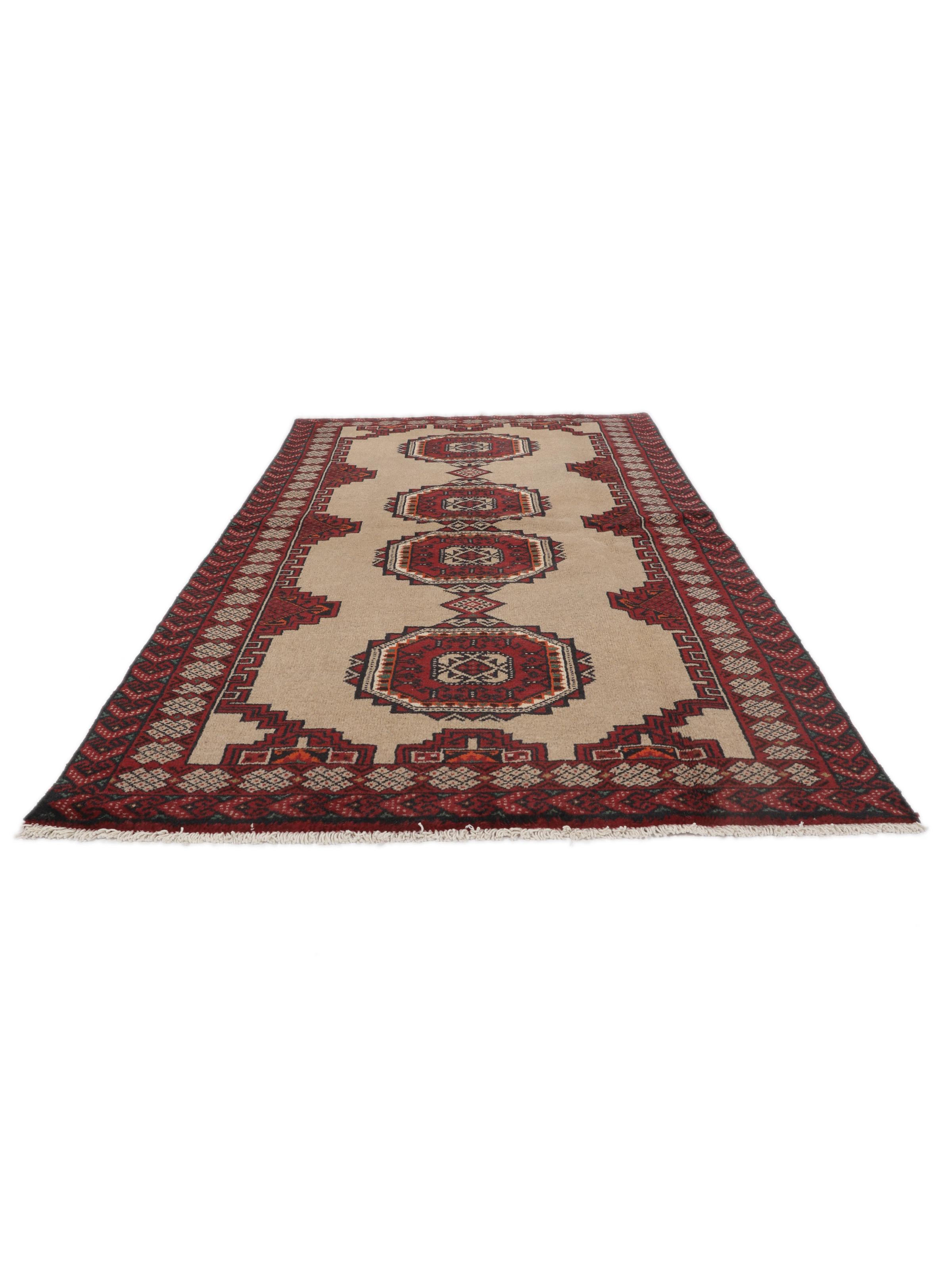
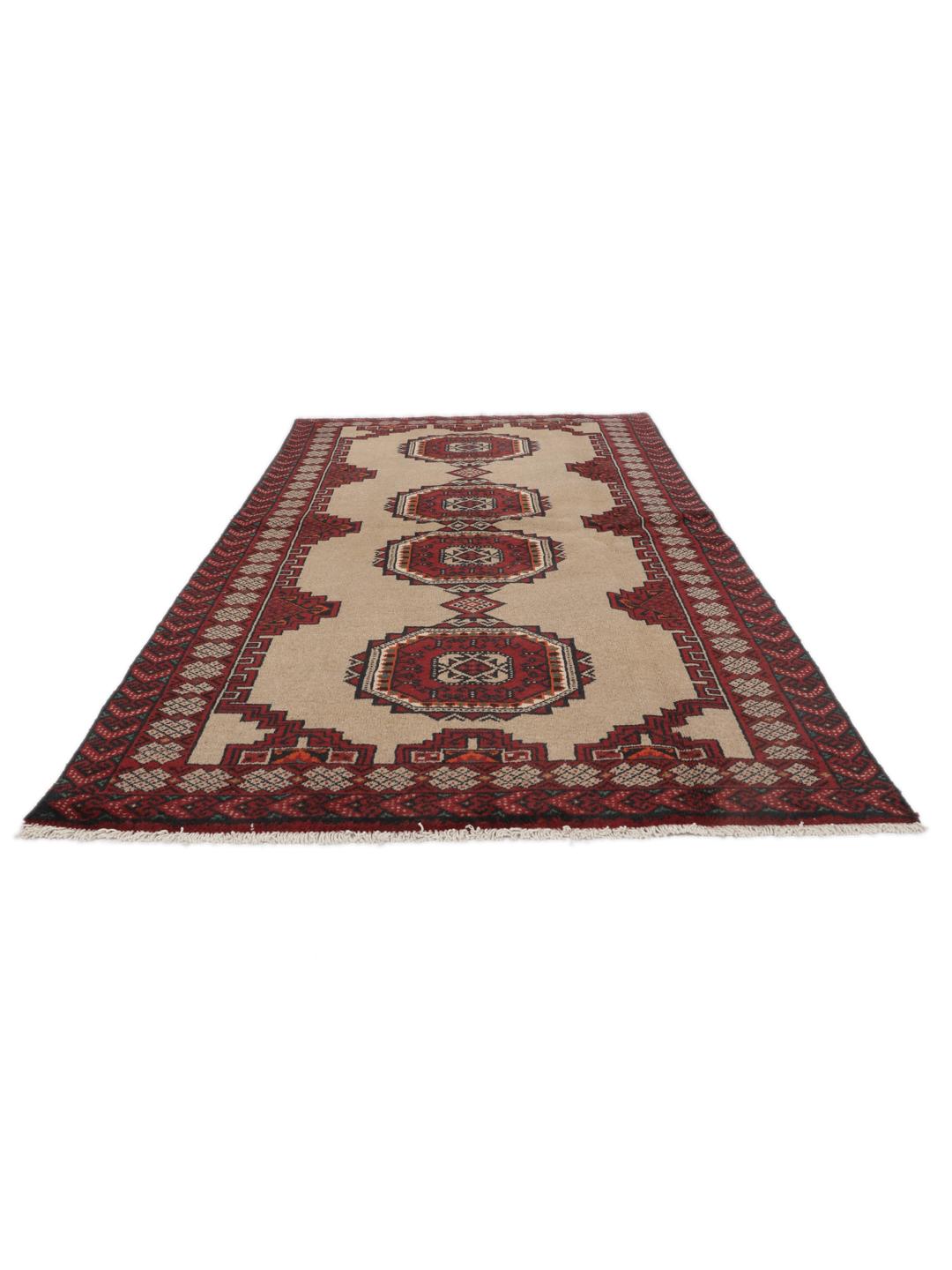
The Baluch rugs originate from the nomadic and semi-nomadic Baluchi tribes who have traversed the border regions of the Middle East for centuries. These weavers have historically been known for their ability to create highly durable and portable textiles that served as essential components of daily life, from floor coverings to saddlebags and tent decorations. The tradition of weaving is deeply ingrained in their culture, passed down through generations as a means of artistic expression and practical necessity.
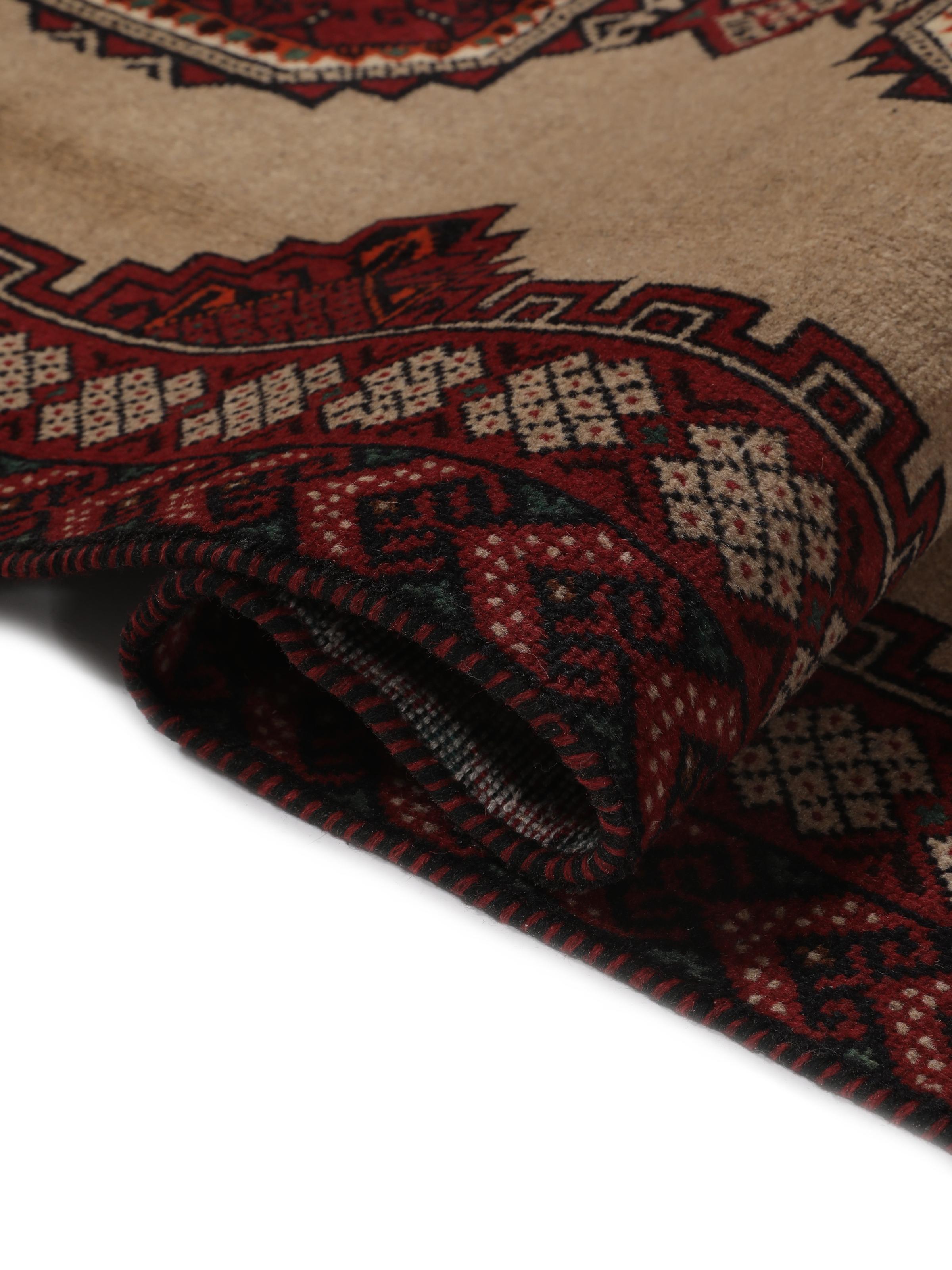
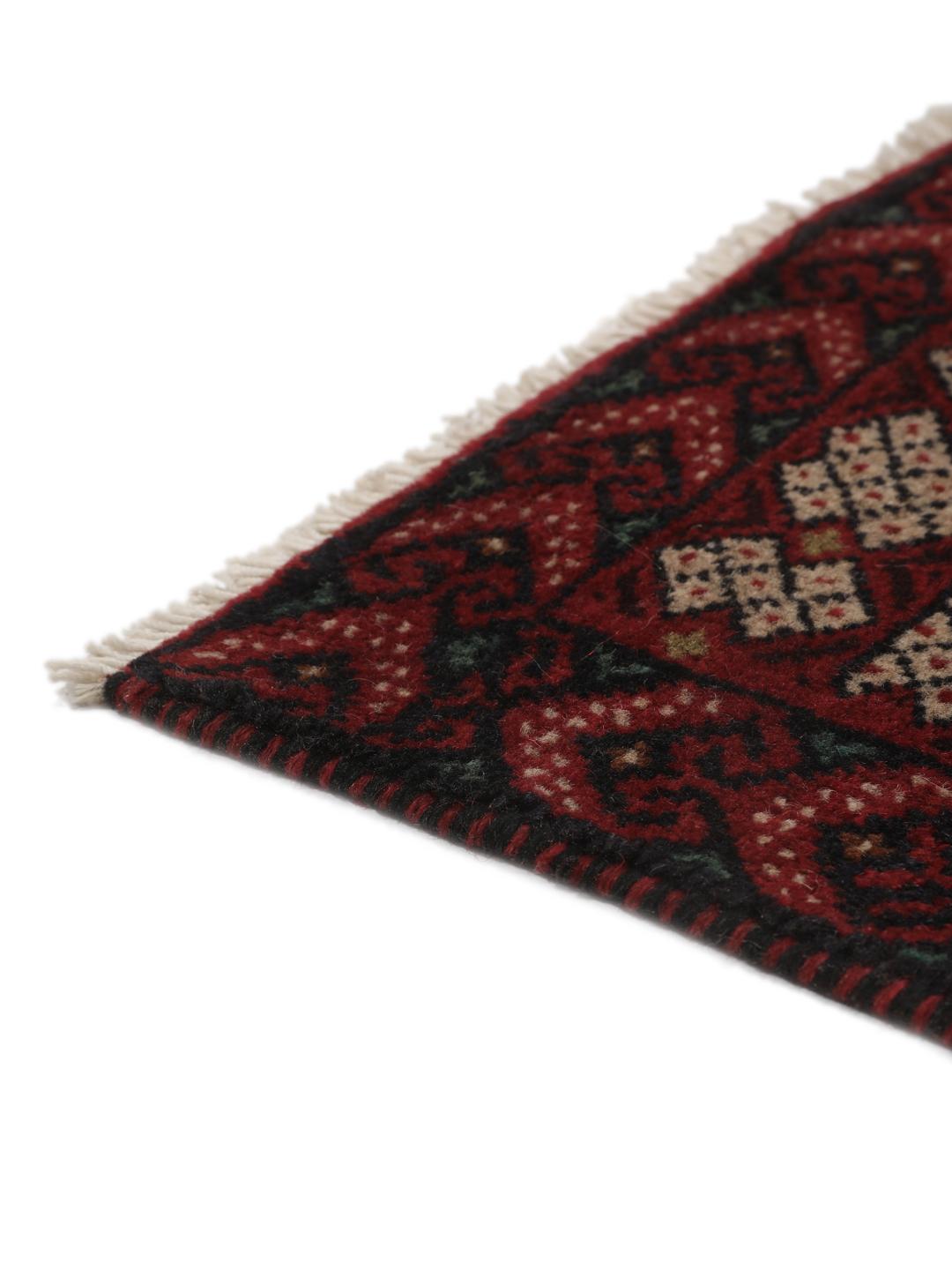
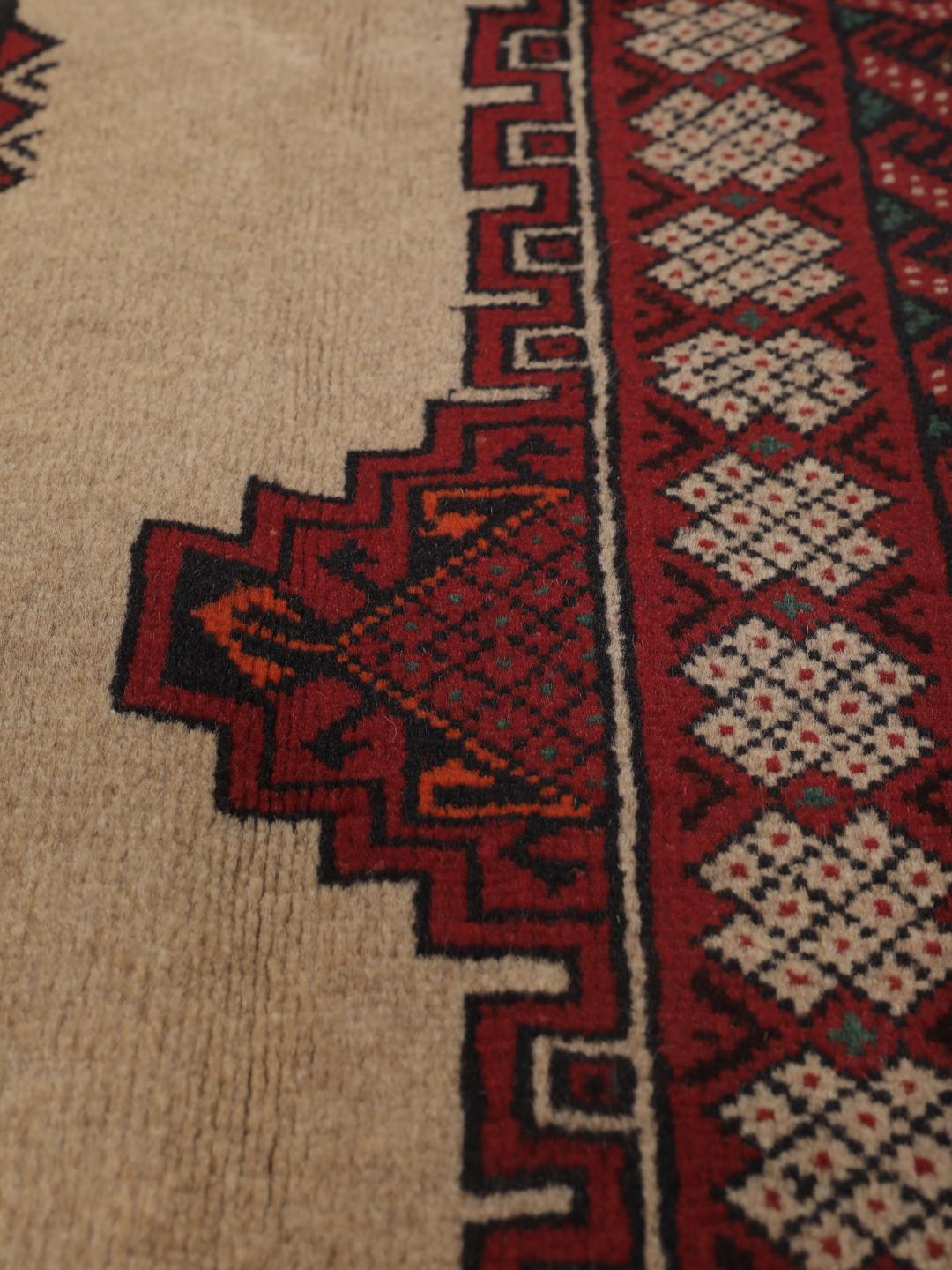
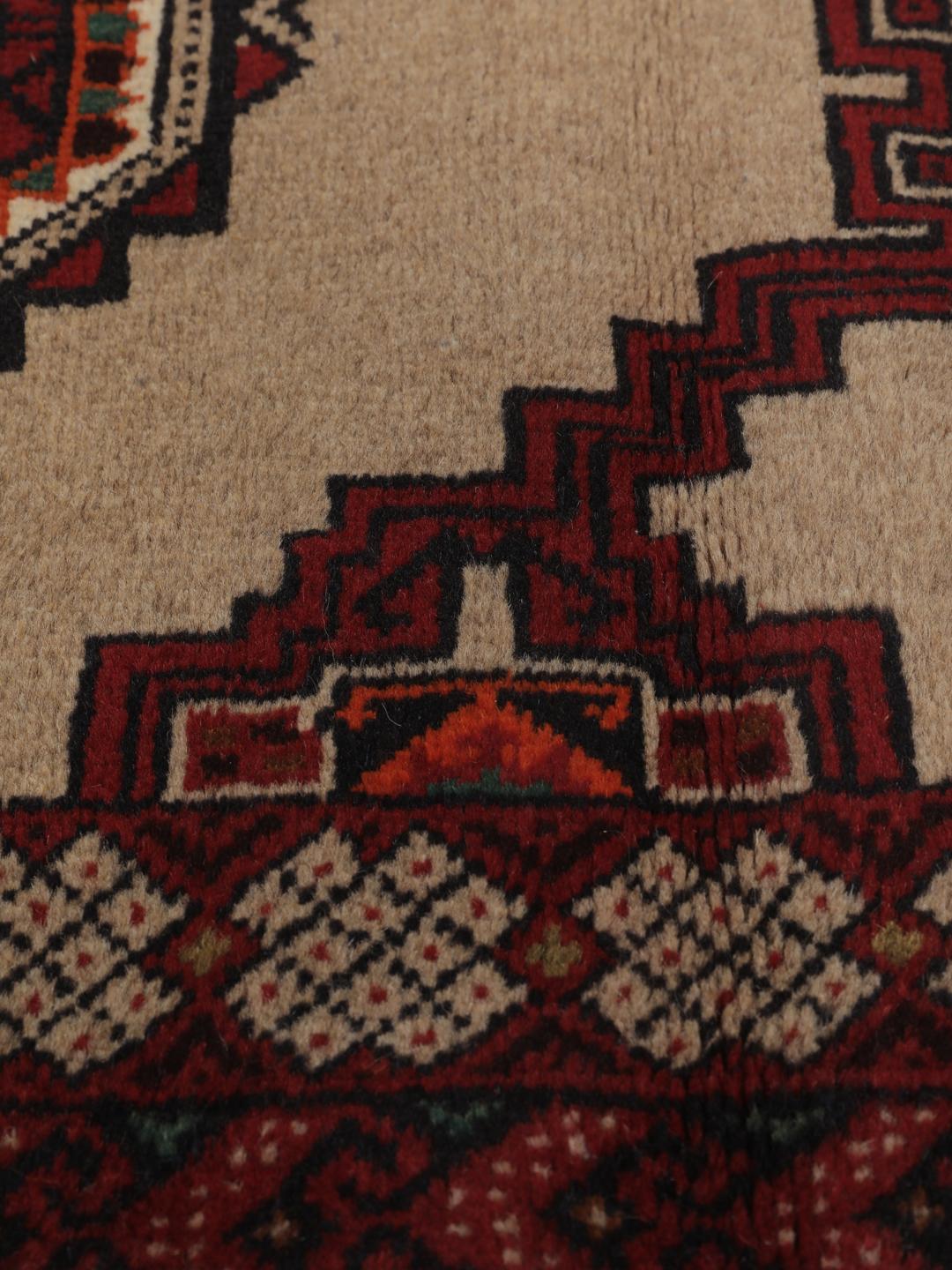
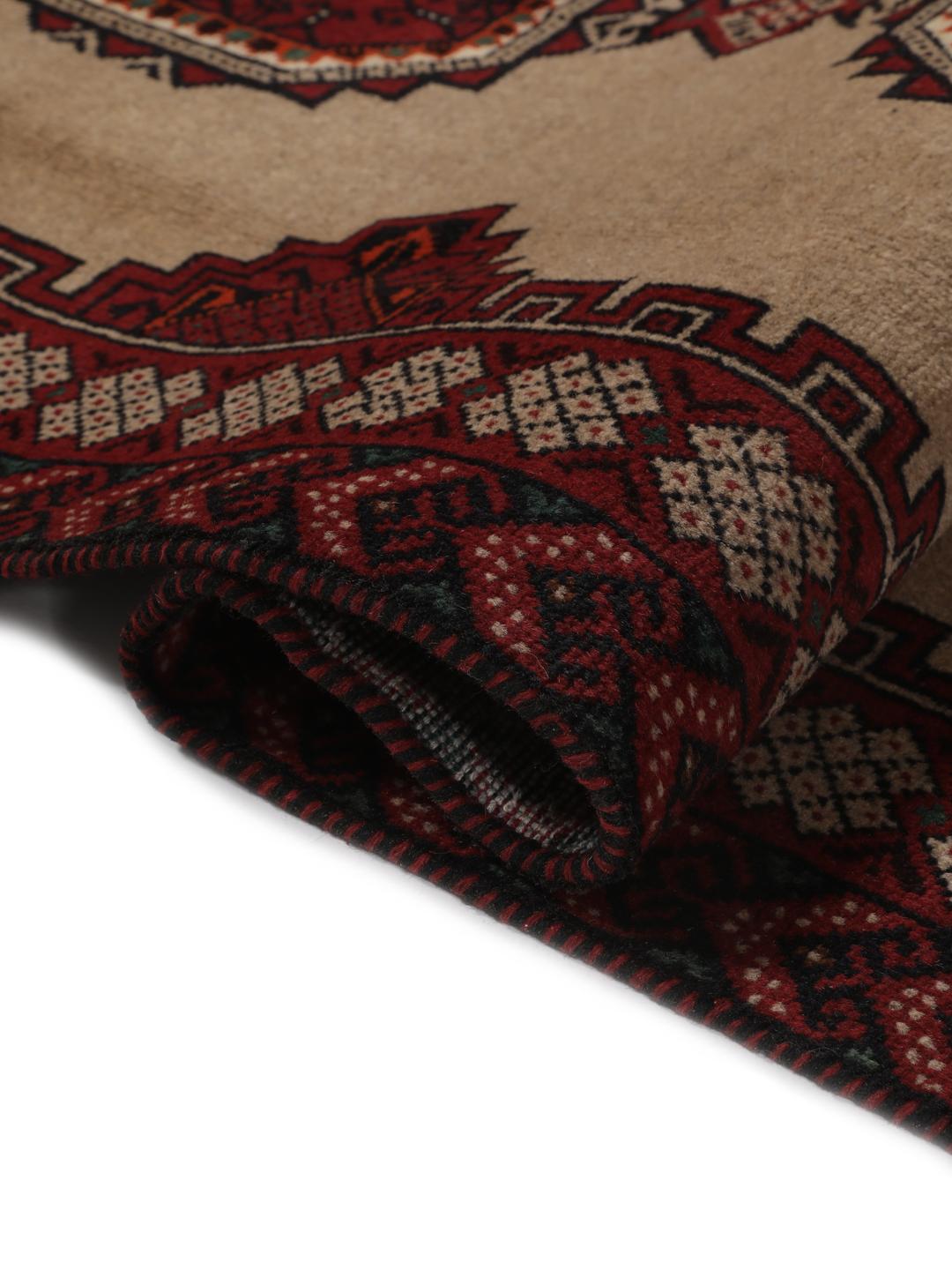
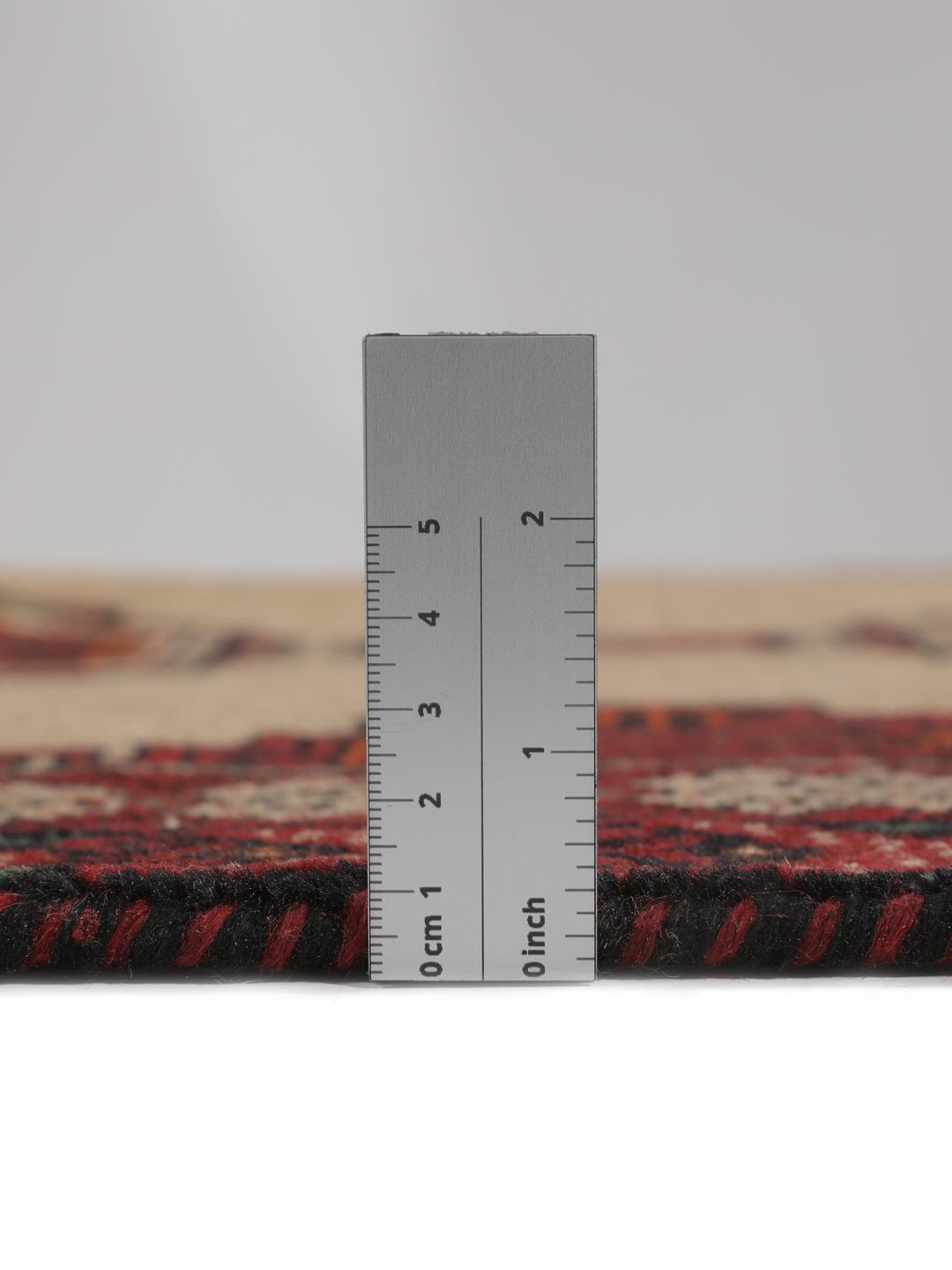
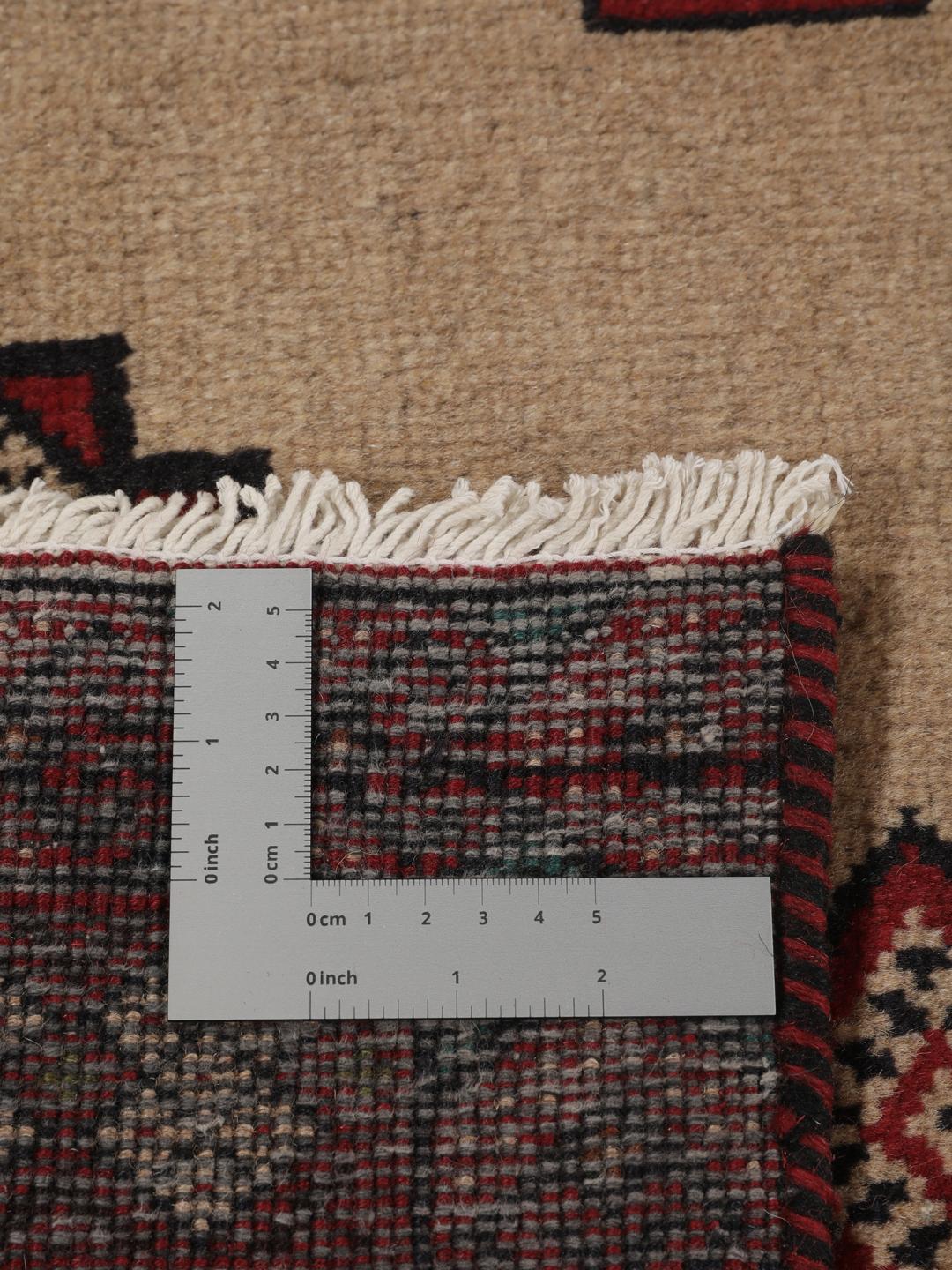
Technically, the quality of a Baluch rug is defined by its robust construction. The use of wool, often sourced from the tribe's own flocks, ensures a pile that is rich in natural lanolin, making it soft yet remarkably resilient. The foundation, traditionally crafted from cotton, provides the necessary tension to hold the thousands of hand-tied knots in place, resulting in a firm, long-lasting surface that resists wear while maintaining its characteristic sheen.
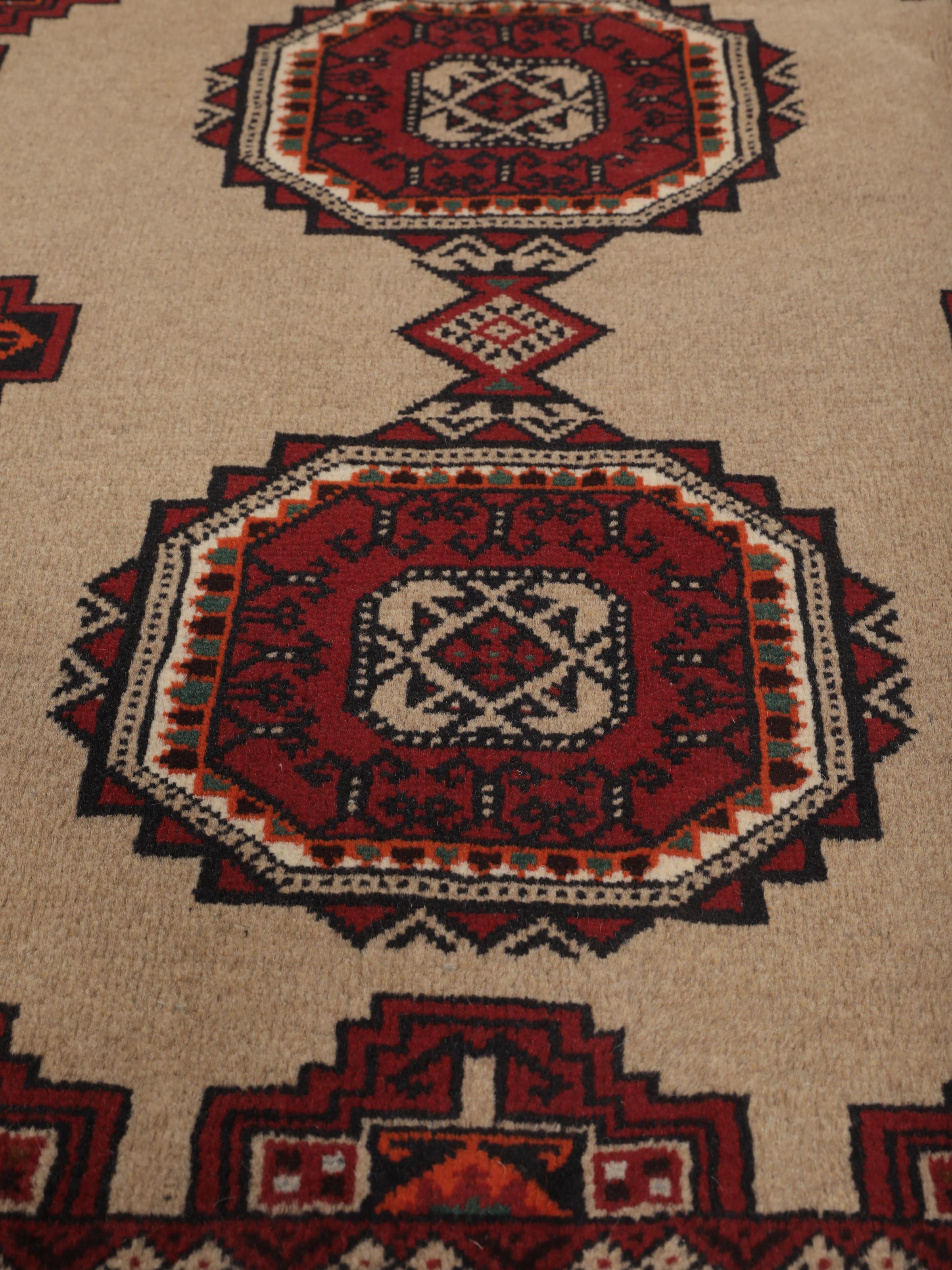
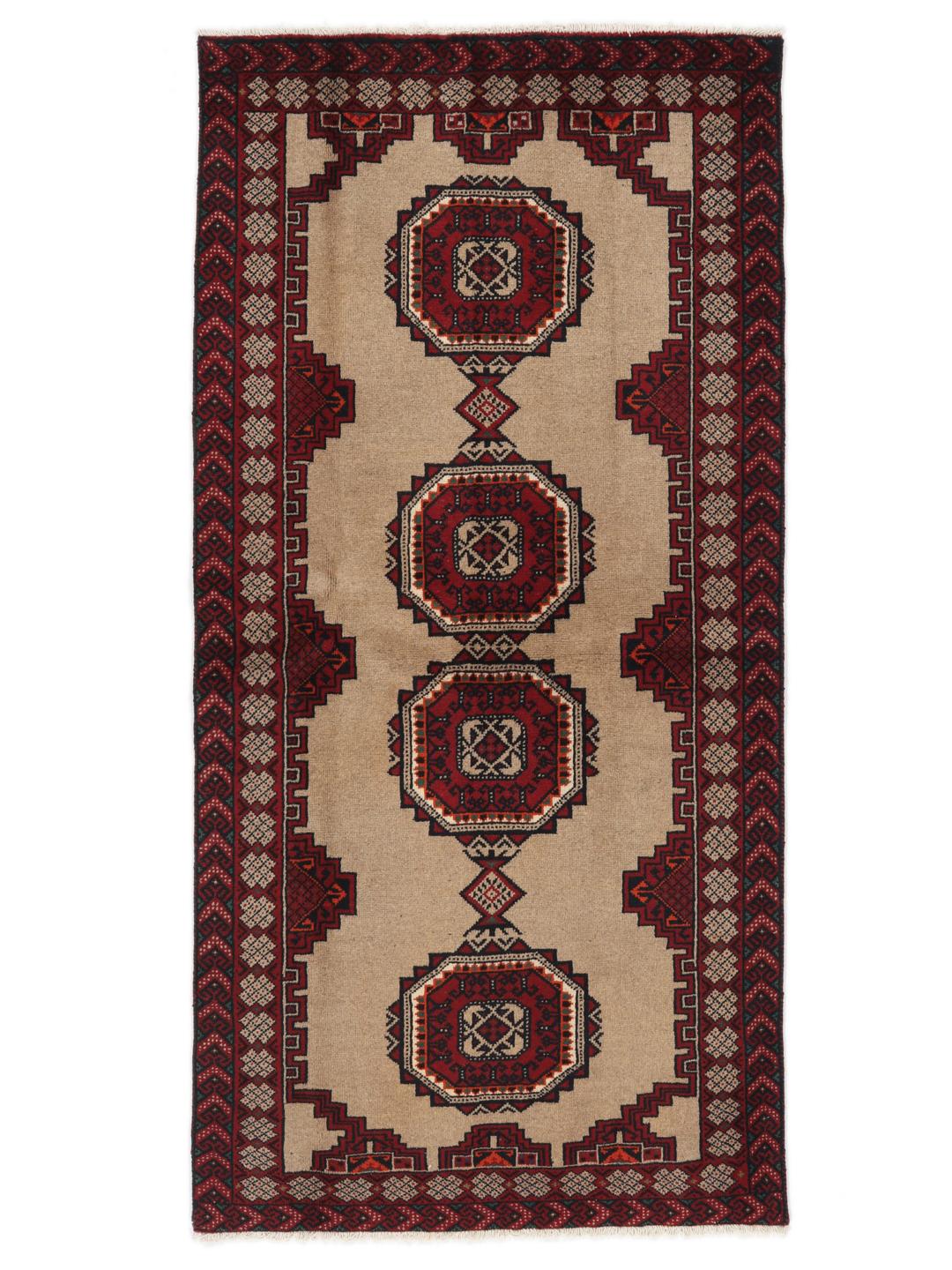
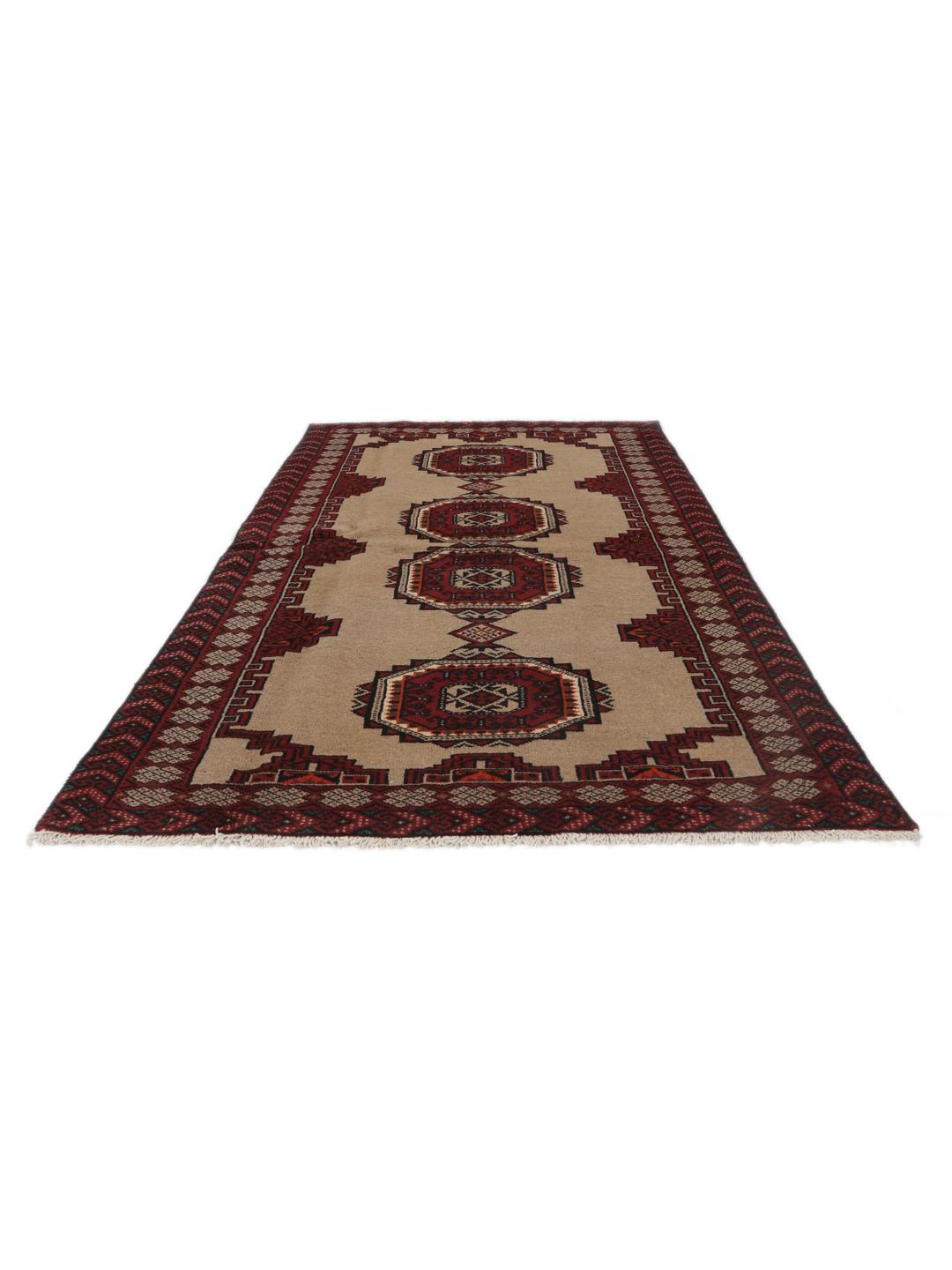
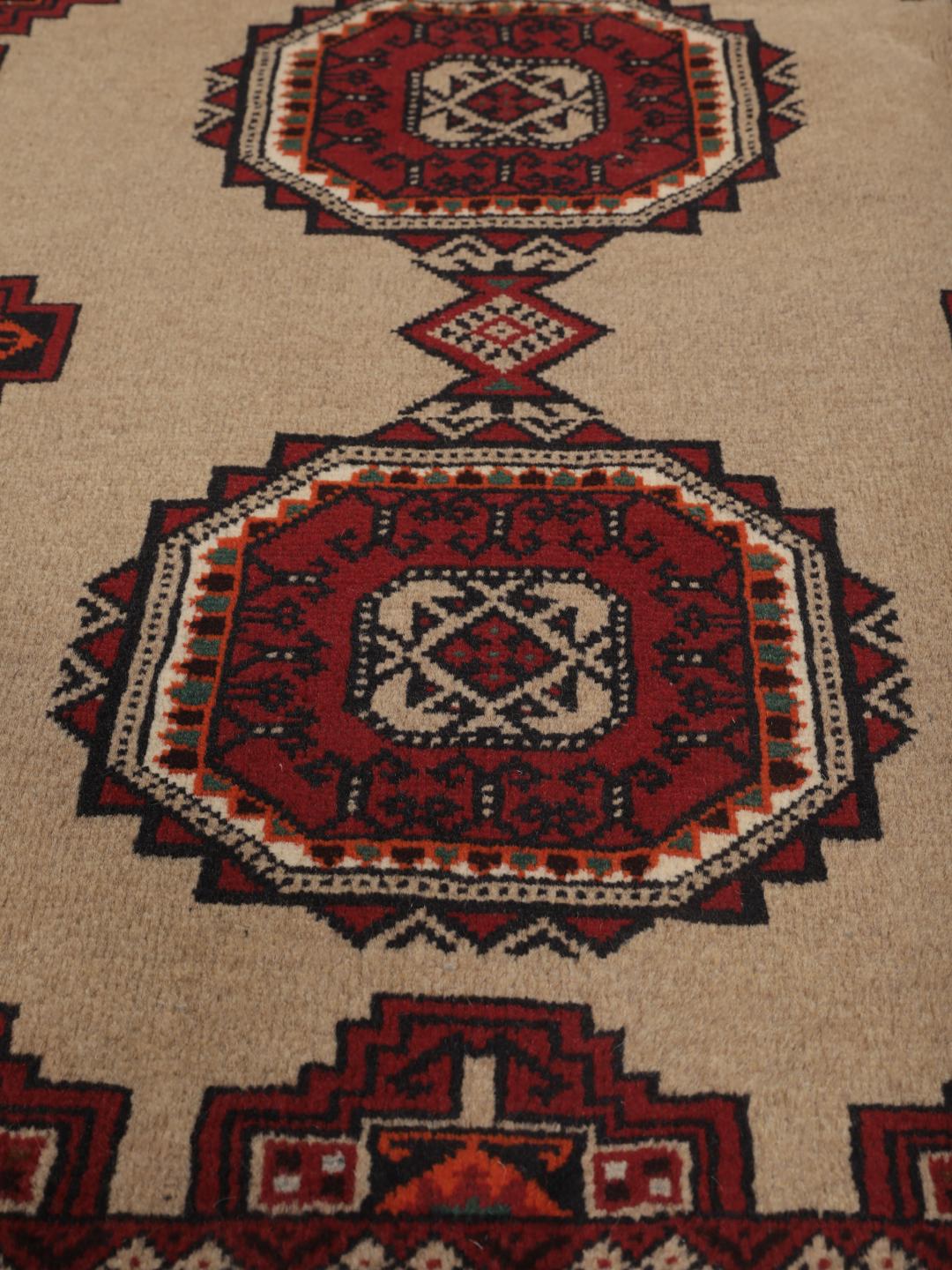
Visually, these rugs are celebrated for their geometric language and deep, earthy tones. Typical designs include repeating guls, or medallions, and complex borders that reflect the weaver's environment and tribal identity. While red and beige are classic choices, you will often find deep browns, blues, and blacks incorporated into the patterns, creating a sophisticated contrast that adds depth and visual interest to the field.
Collectors value Baluch rugs for their authenticity and the sheer skill required to produce them. Each piece is a reflection of the weaver's personal vision and the specific cultural heritage of their tribe. By adding a Baluch rug to your collection, you are not just purchasing a floor covering, but a piece of living history that carries the legacy of nomadic craftsmanship into the modern home.