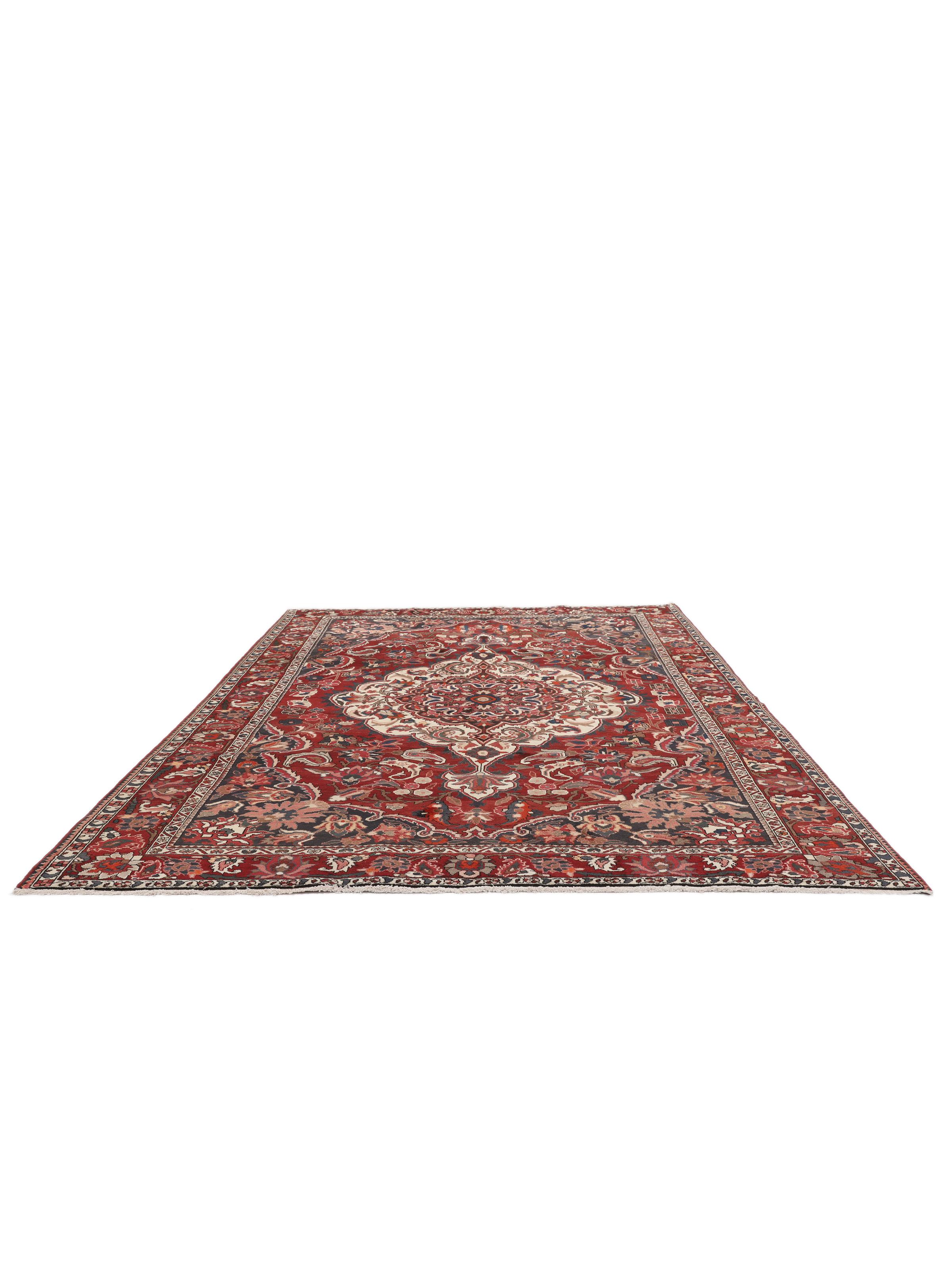
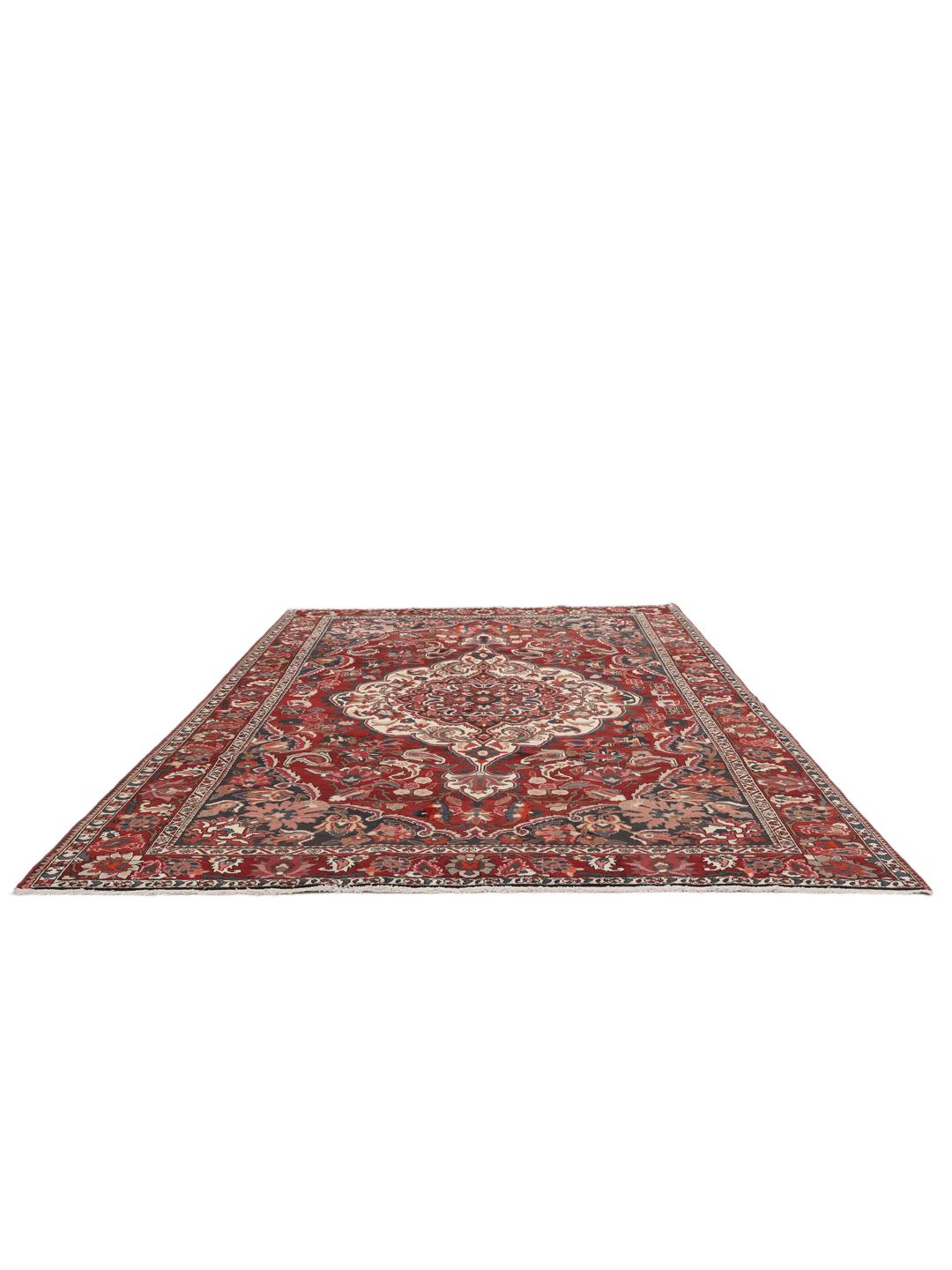
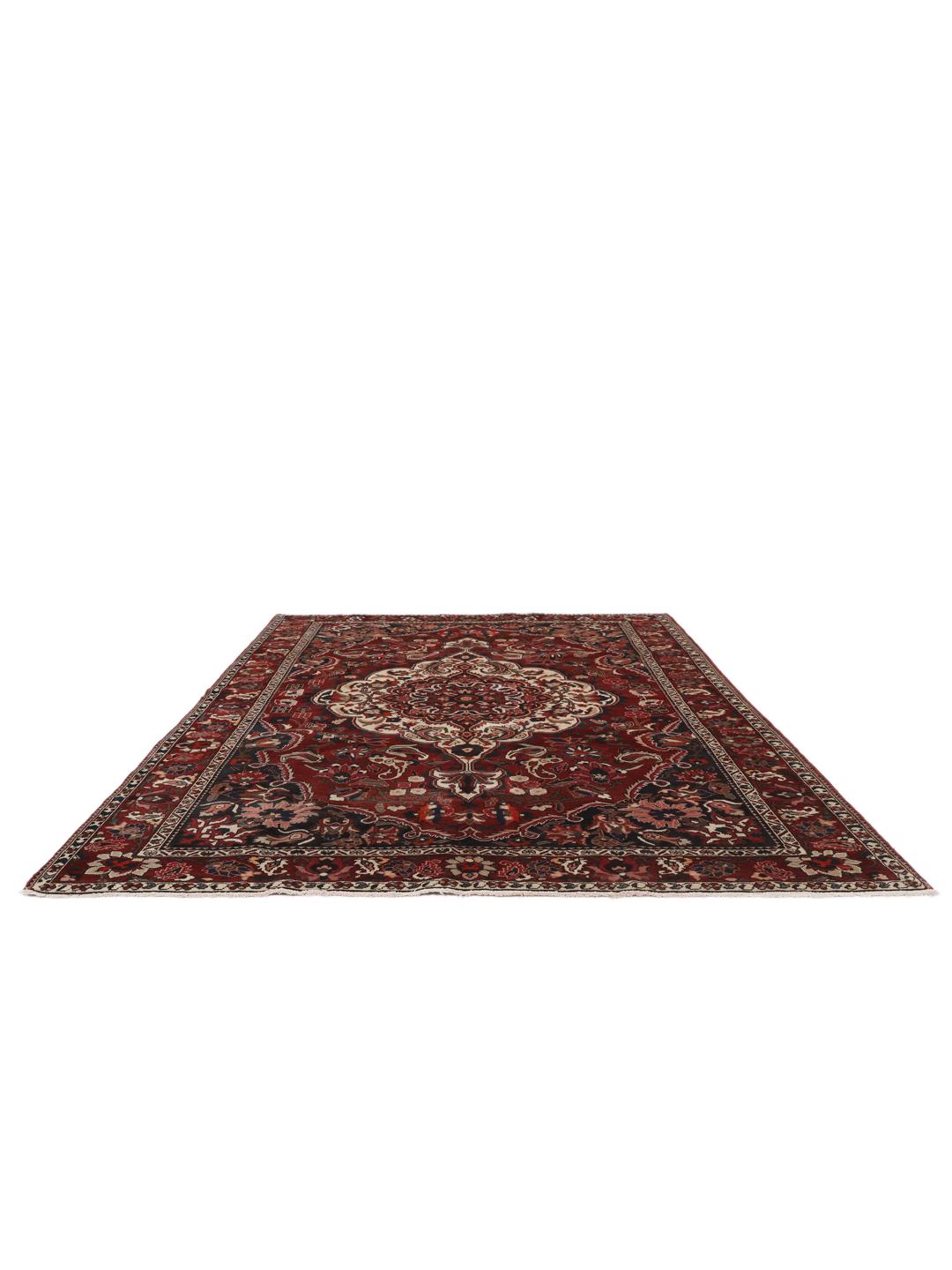
The Bakhtiari region, located in the mountainous areas of the Middle East, is famous for its long-standing weaving traditions. The tribes who call this area home have developed a distinct visual language, often characterised by the garden or panel designs that reflect the lush landscapes of their homeland. These rugs are deeply connected to the nomadic and semi-nomadic heritage of the region, where weaving serves as both a functional necessity and a form of artistic expression.
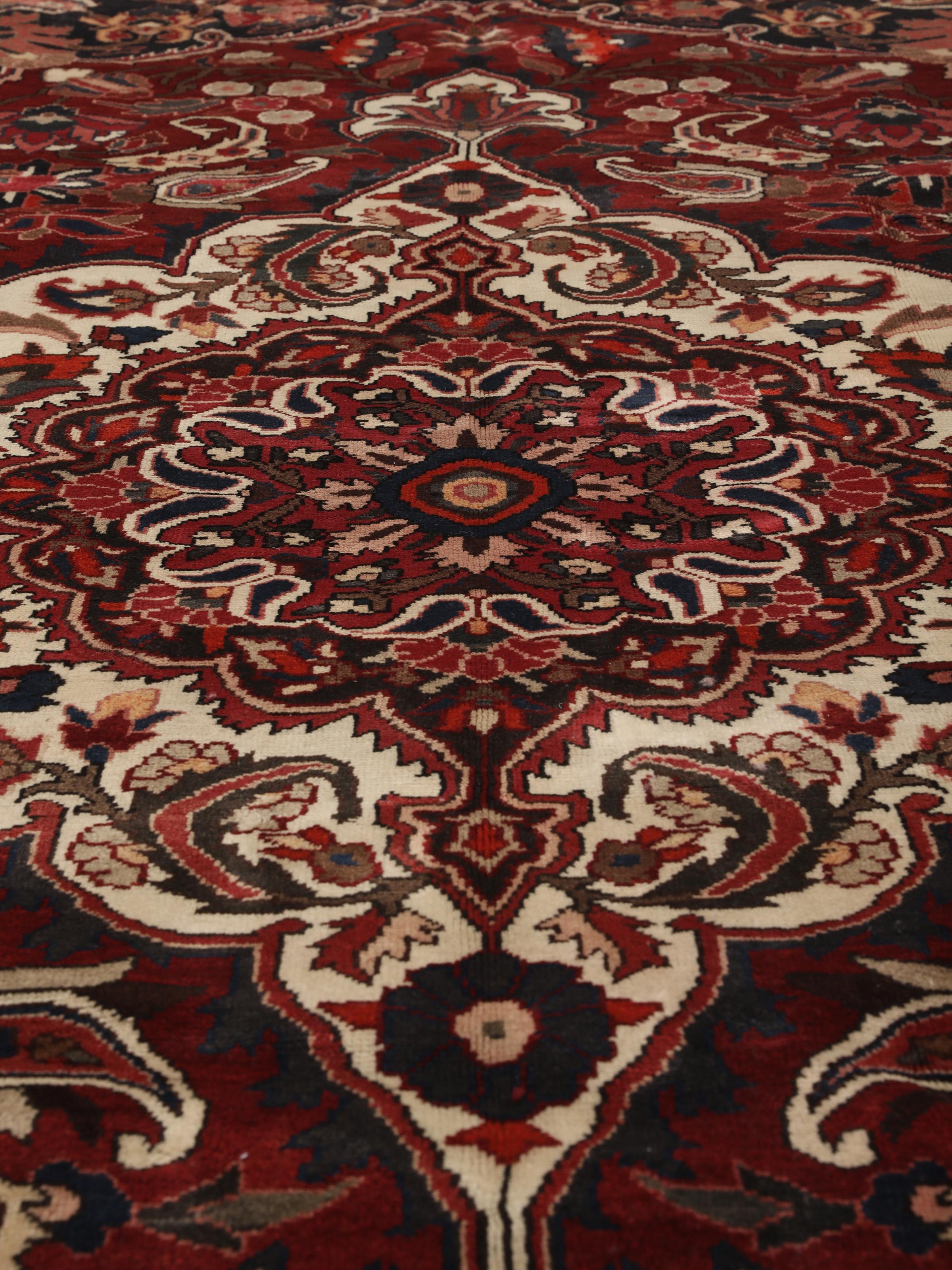
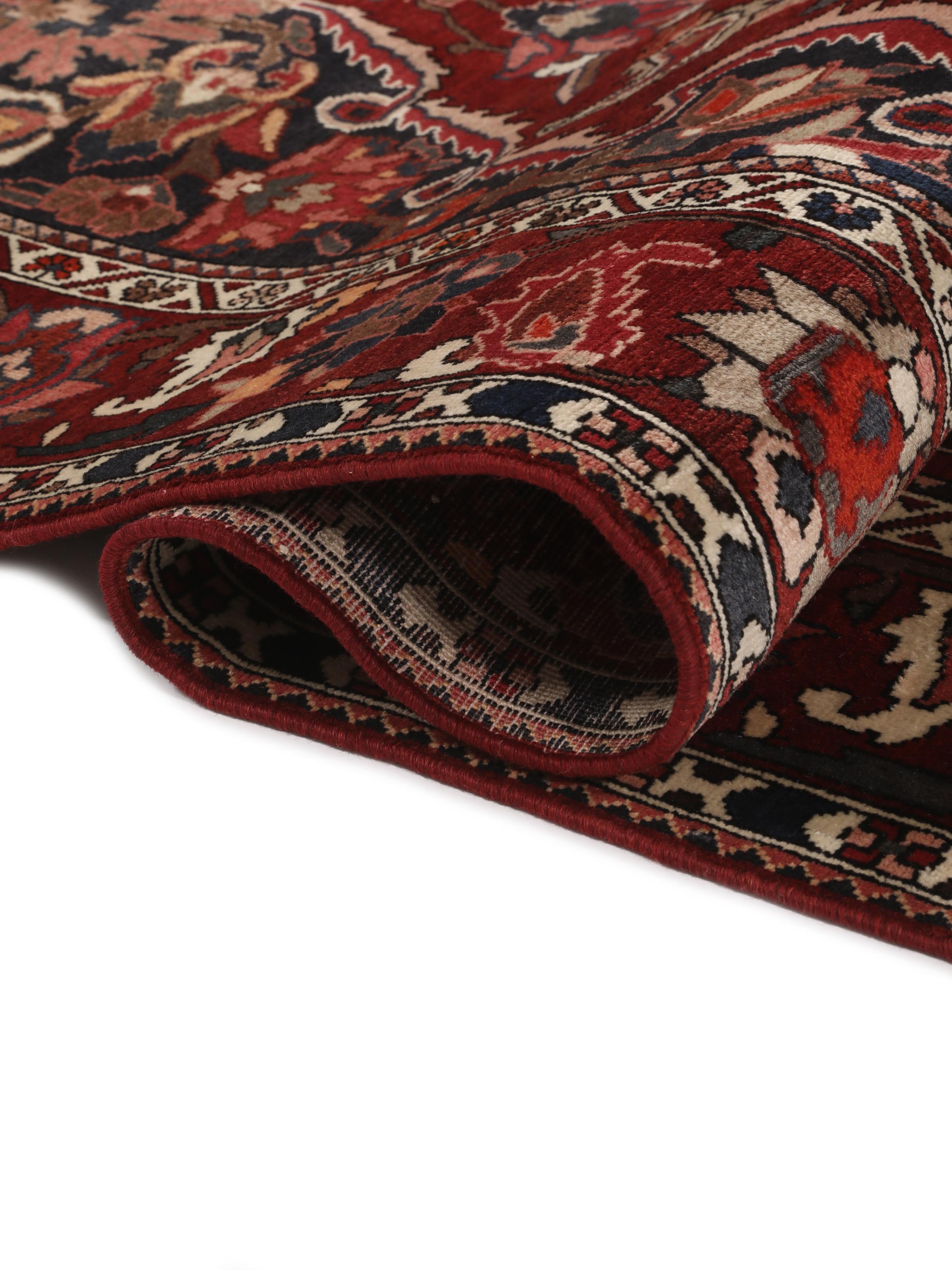
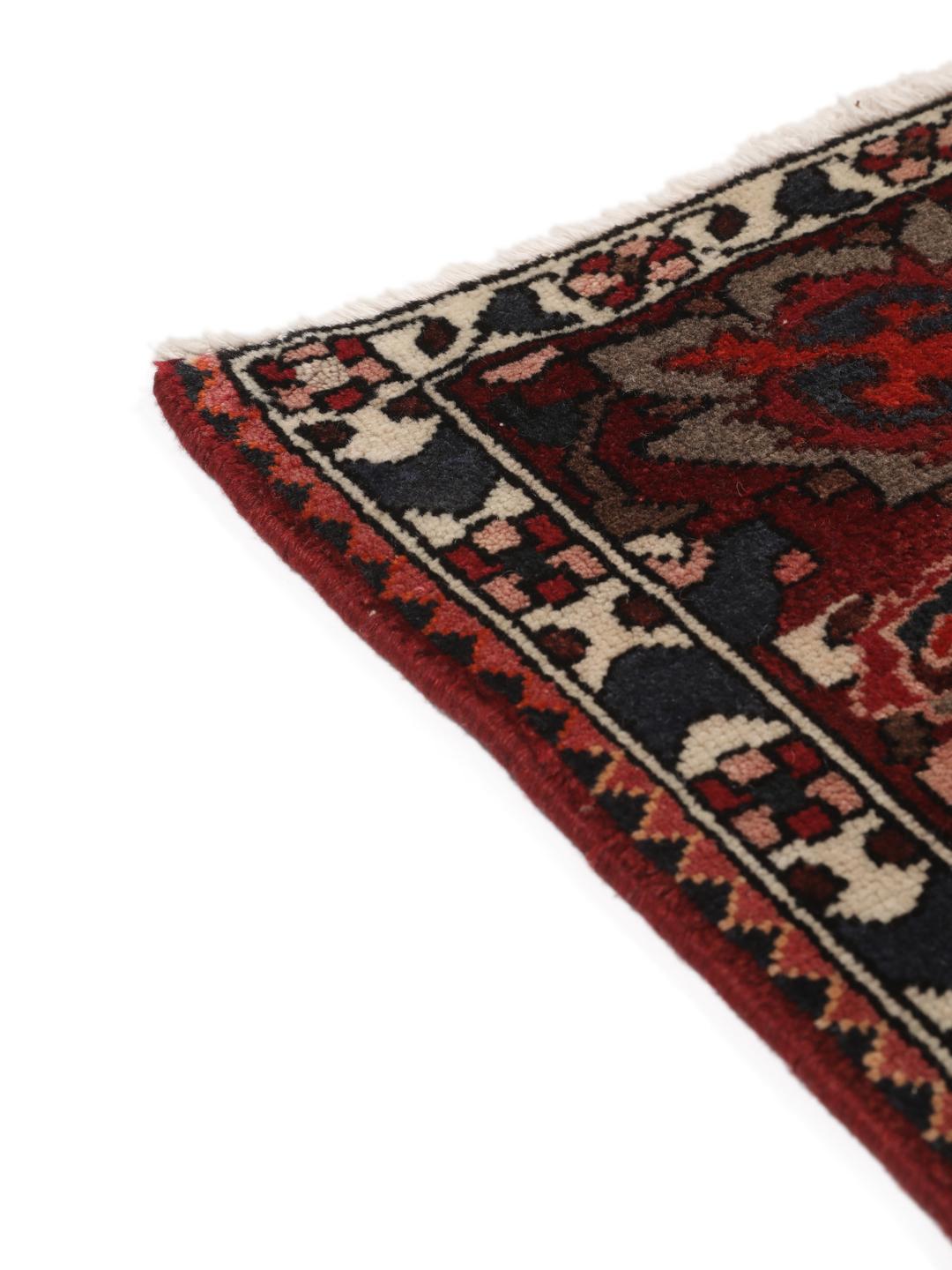
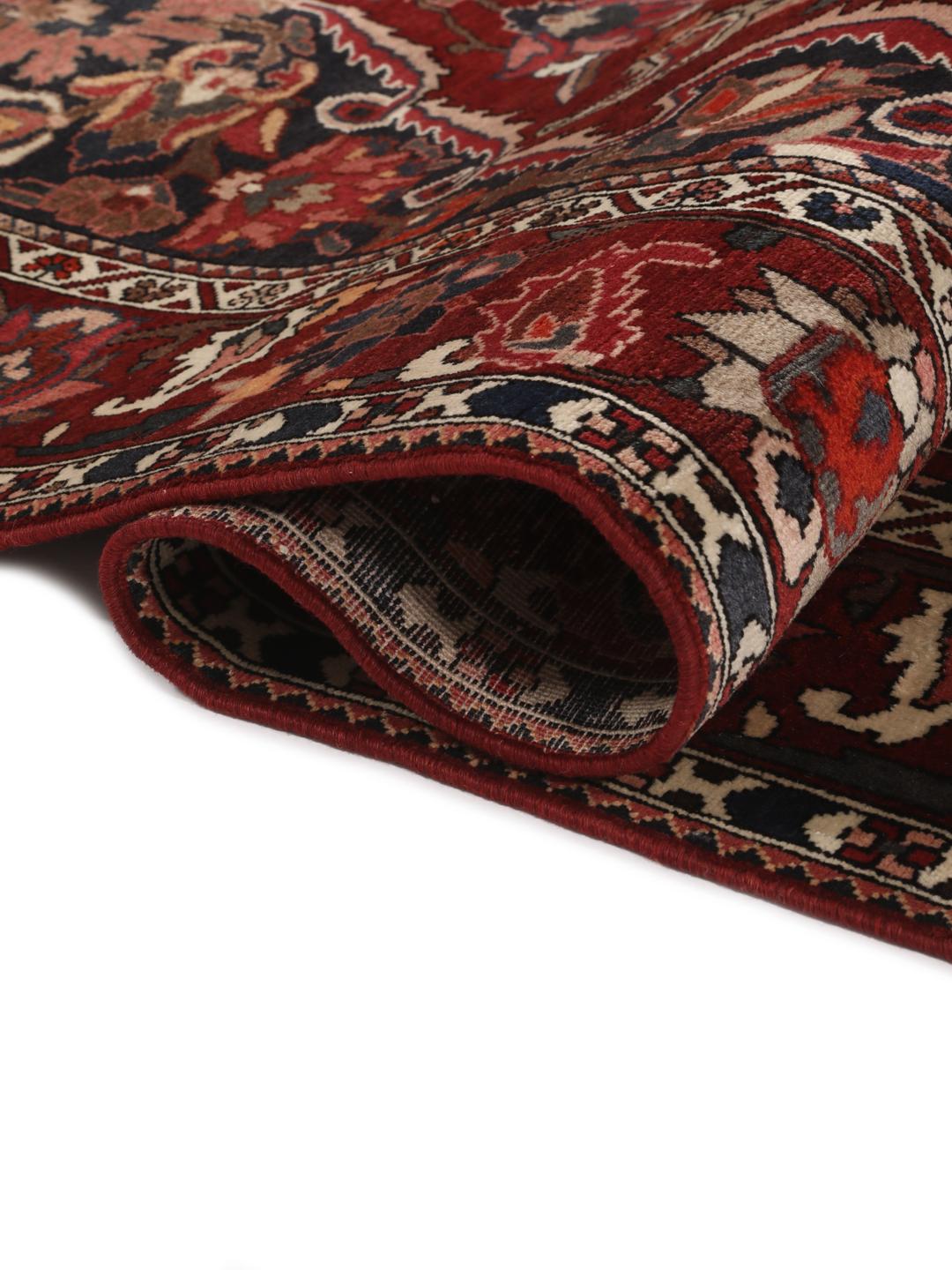
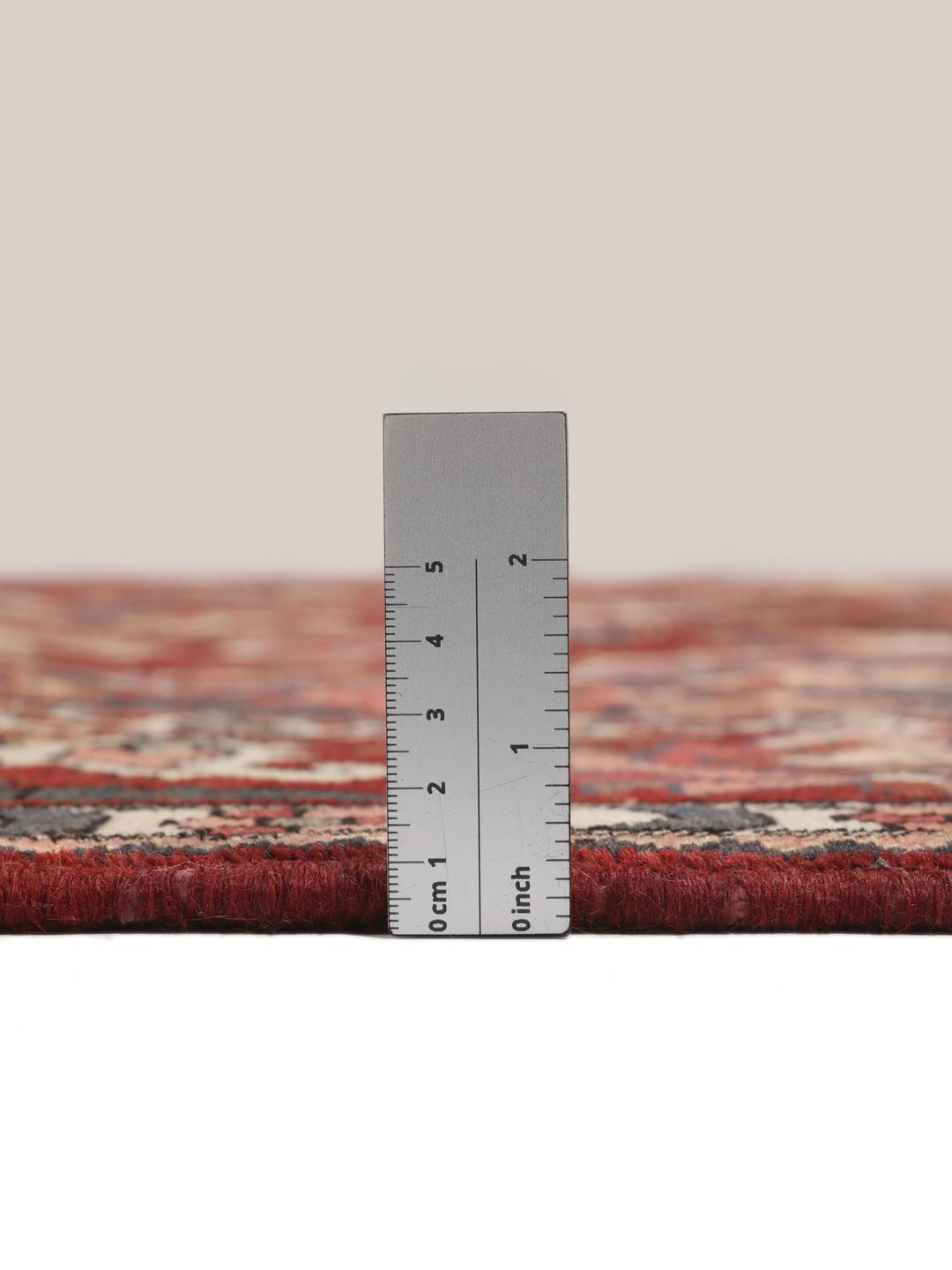
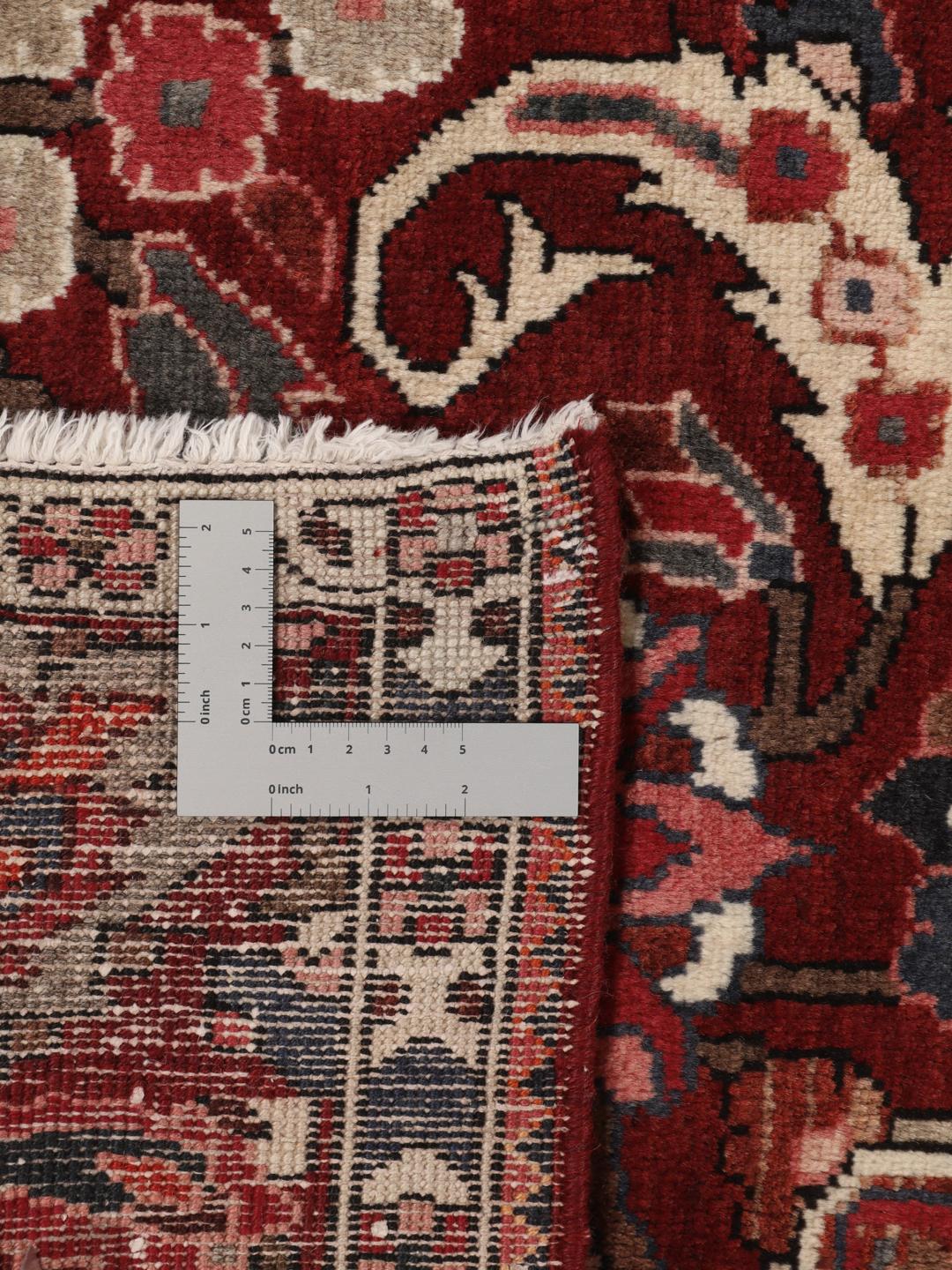
A key aspect of these rugs is the use of high-quality wool, which is often sourced from the tribes' own flocks. The durability of the wool, combined with the traditional techniques used in the foundation, results in a rug that is famously tough and long-lasting. The density of the knotting is a technical indicator of the time invested, ensuring that the pile remains plush and the patterns remain vivid even after decades of use.
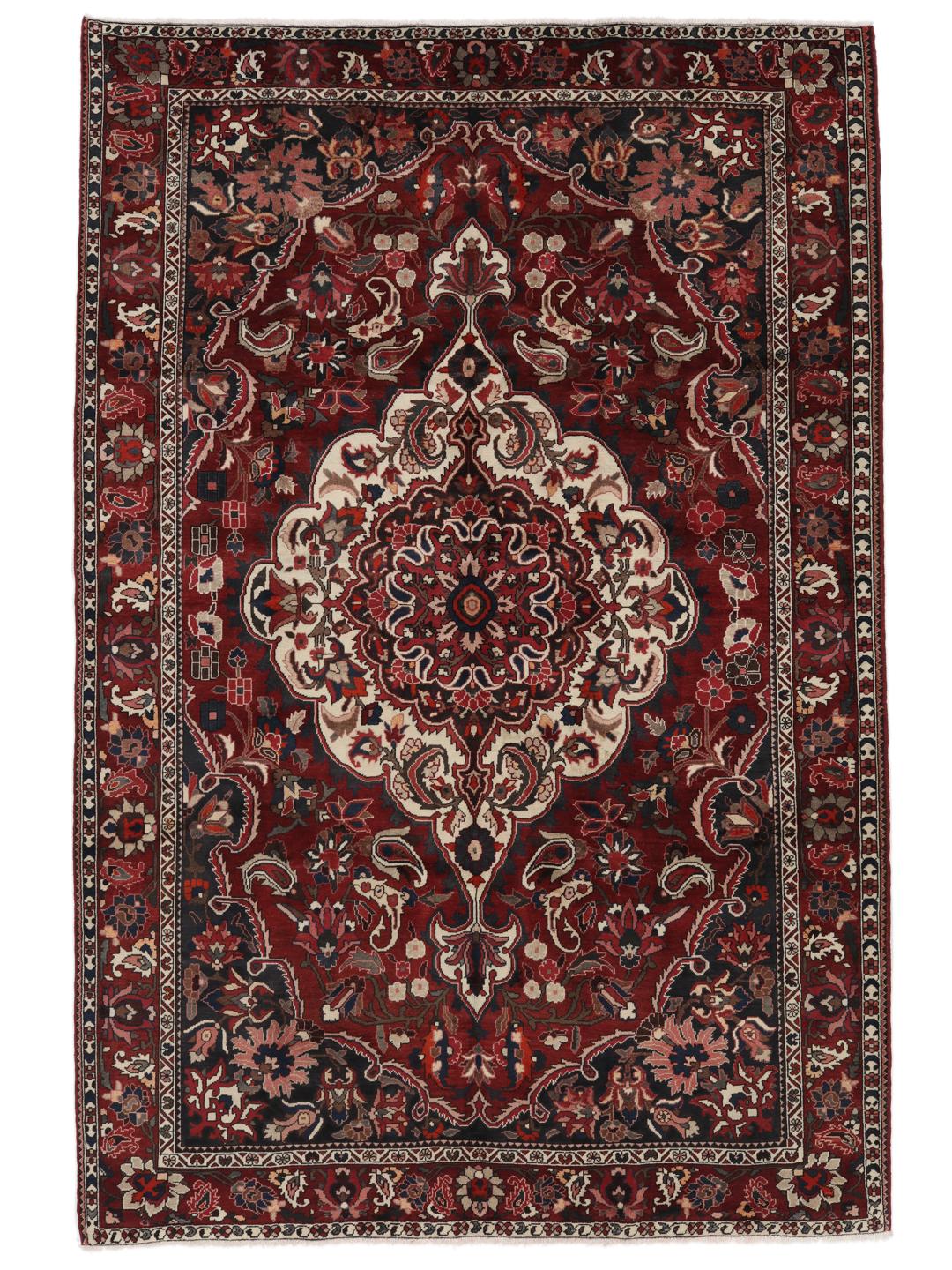
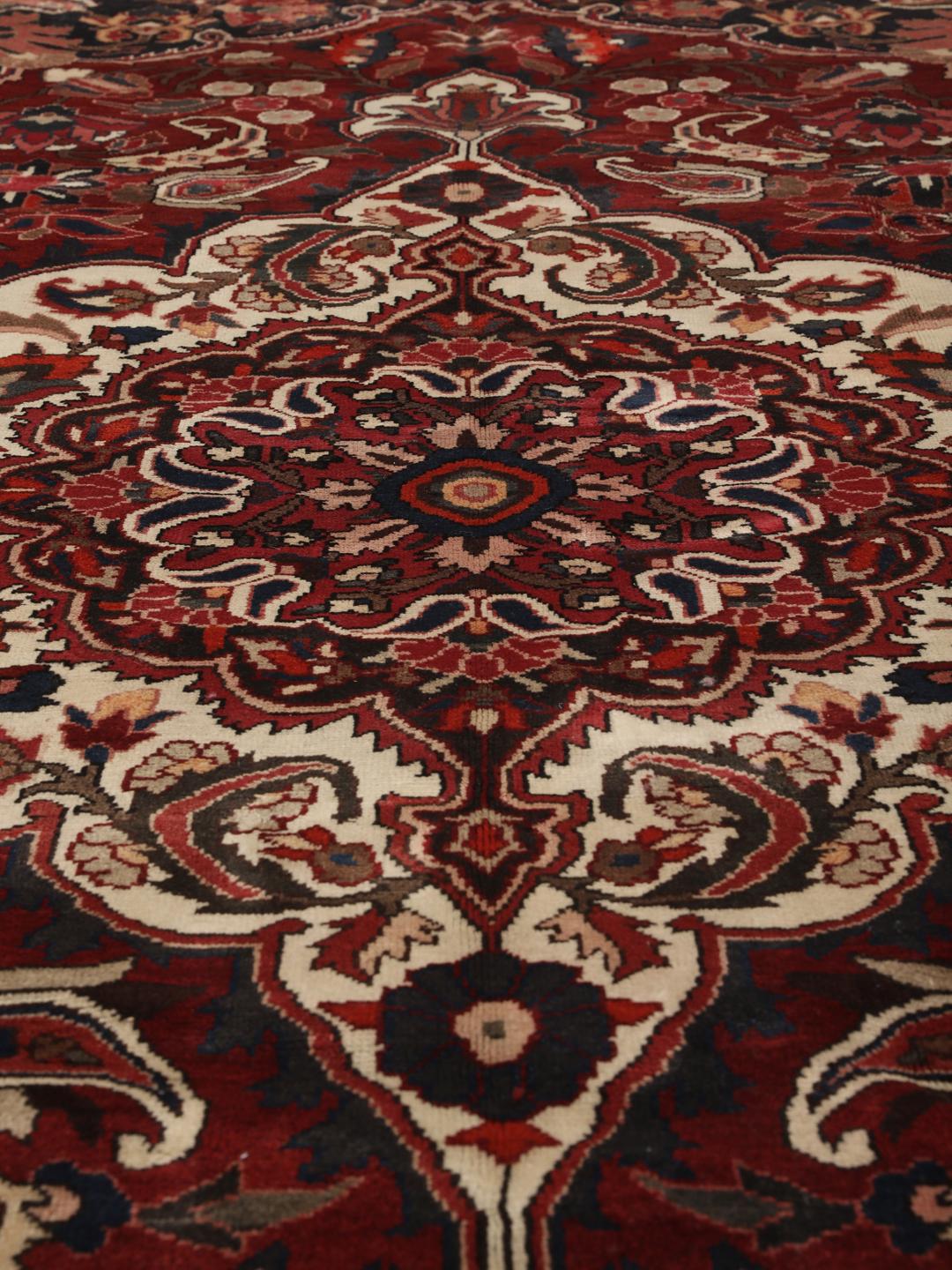
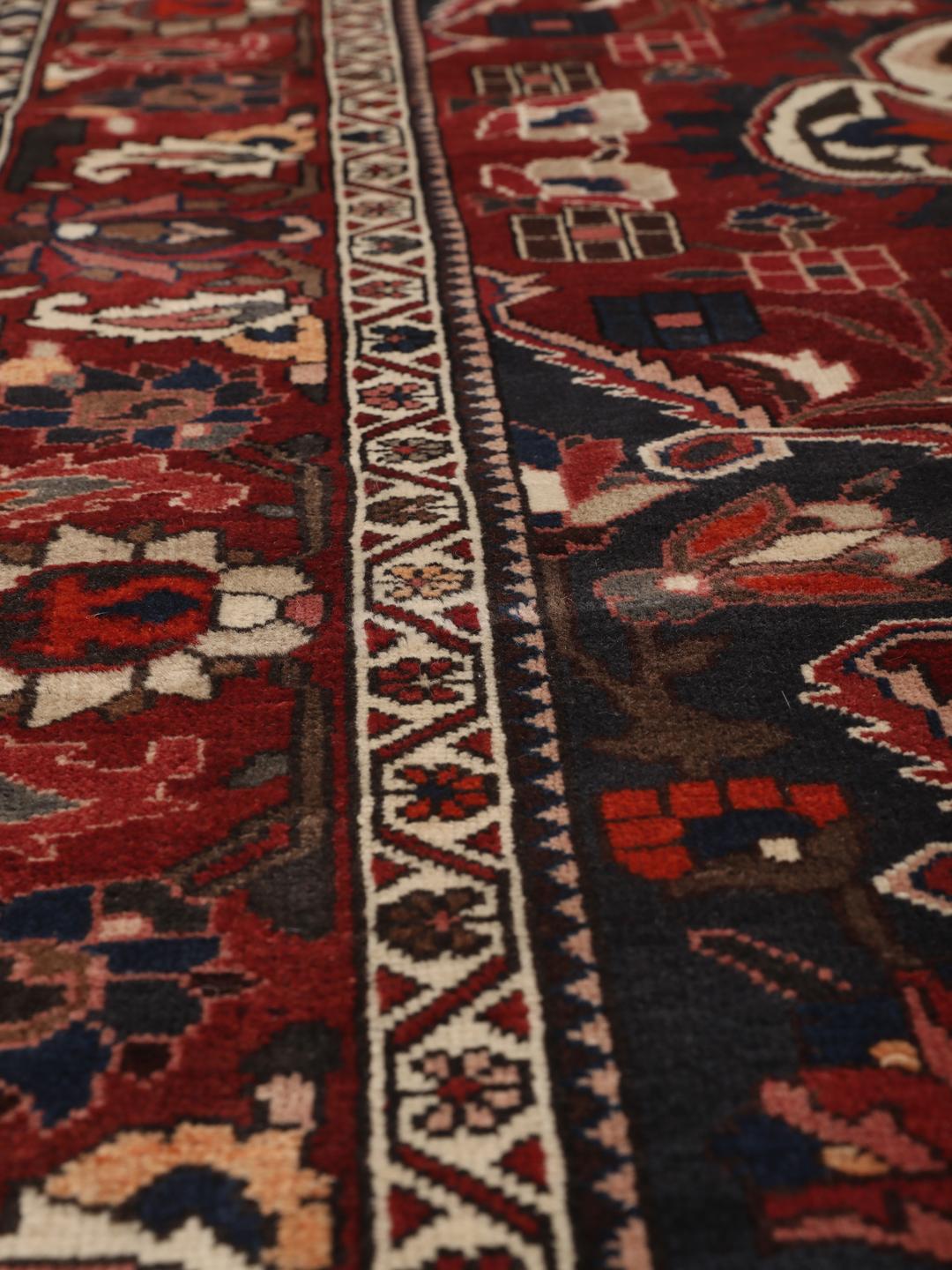
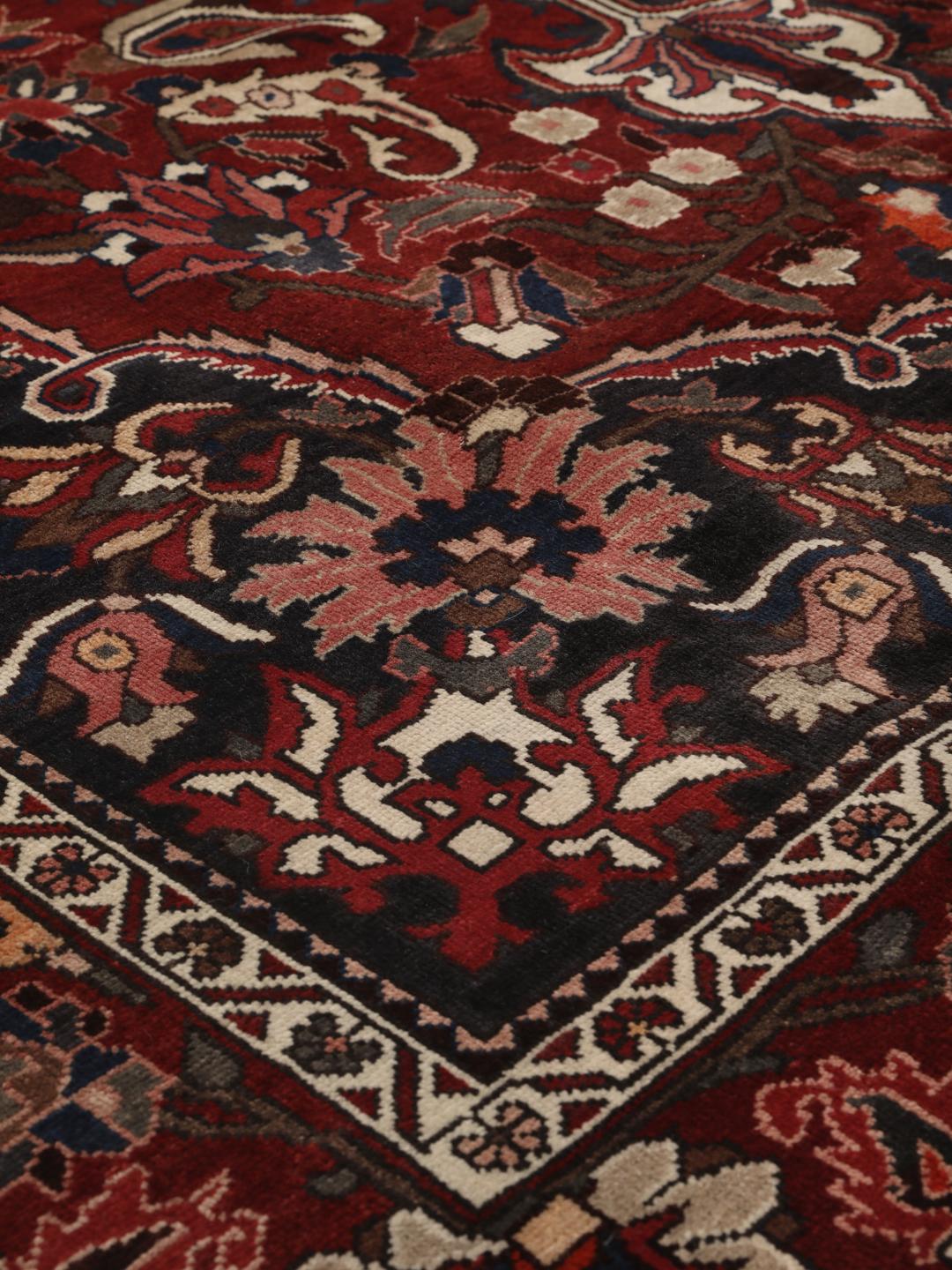
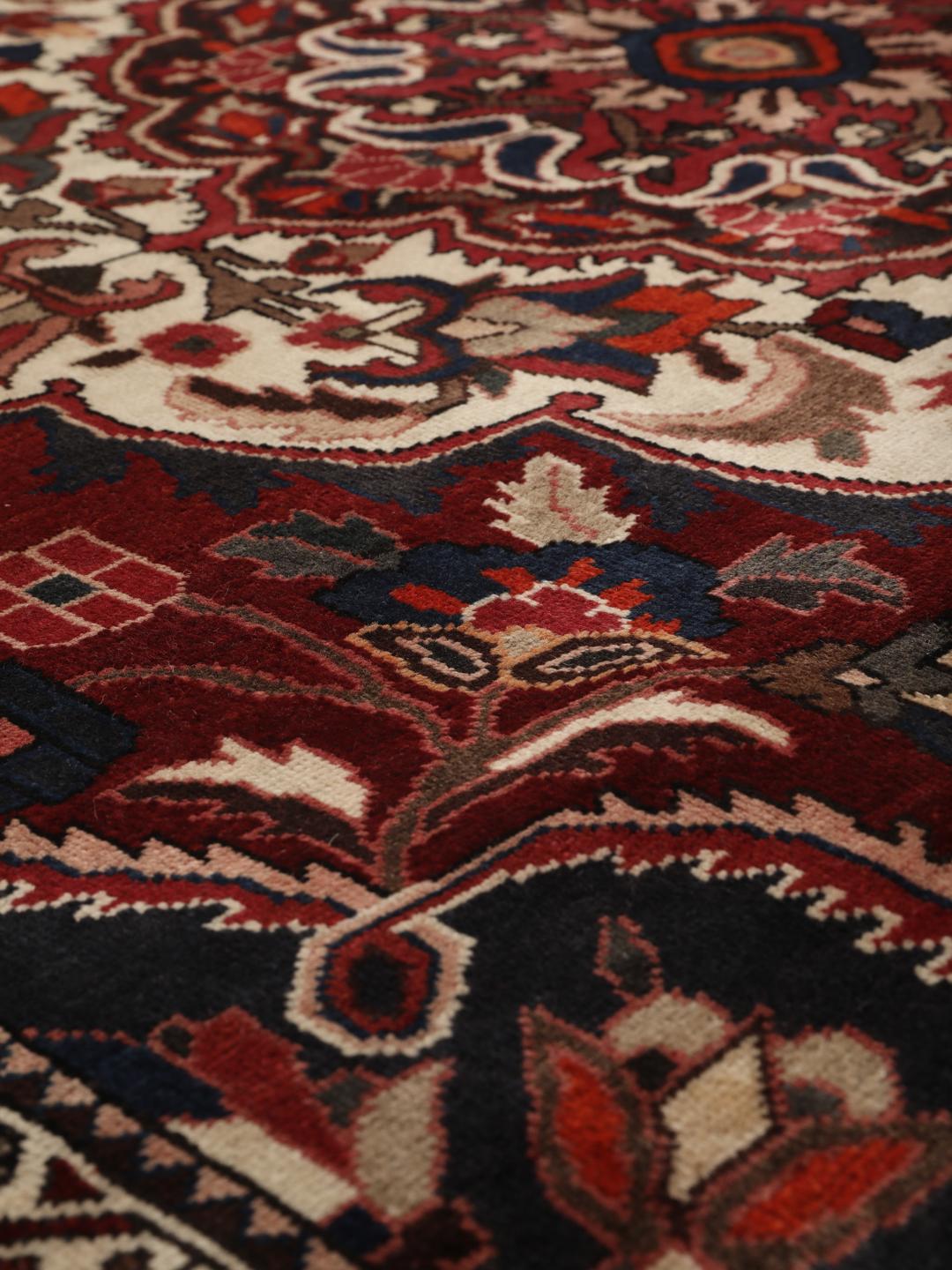
Visually, Bakhtiari rugs are celebrated for their bold use of colour and complex, often symmetrical patterns. While the garden motif is iconic, many pieces also feature intricate central medallions surrounded by elaborate floral scrolls and protective borders. The use of deep reds and blues, as seen in this piece, is a hallmark of the tradition, providing a rich, earthy palette that brings warmth to any interior.
Owning a Bakhtiari rug is a way of preserving a piece of cultural history. These rugs are highly valued by collectors for their authenticity and the skill required to produce them. By choosing a one-of-a-kind piece, you are not just acquiring a floor covering, but a reflection of the heritage, patience, and creative spirit of the artisans who crafted it.