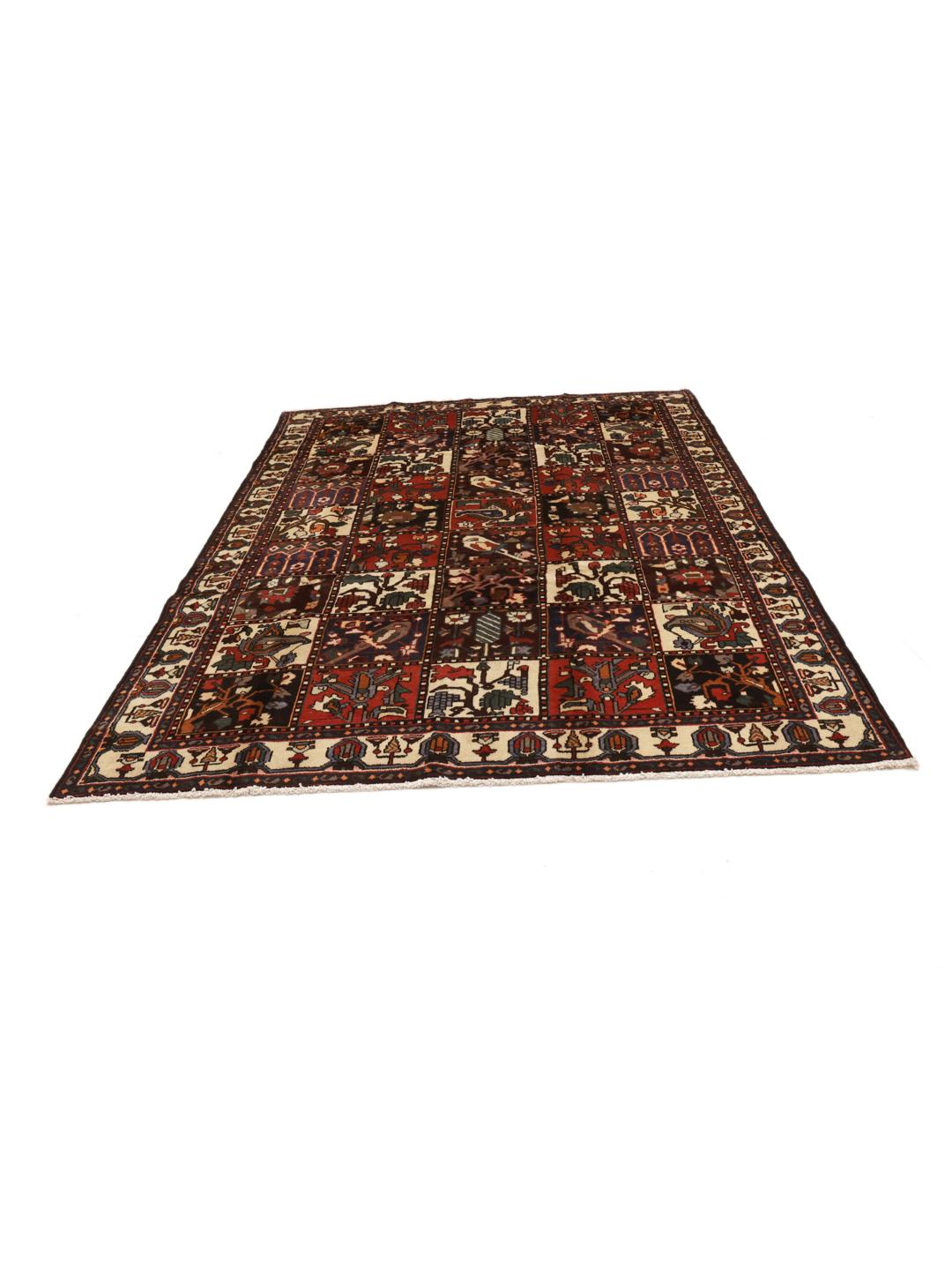
The Bakhtiari rug tradition originates from the mountainous regions of the Middle East, where the Bakhtiari tribes have long been renowned for their exceptional weaving skills. These rugs are deeply connected to the semi-nomadic lifestyle of the region, drawing inspiration from the natural world and the lush, geometric garden landscapes that are central to the local culture. This cultural heritage has been passed down through generations, ensuring that the techniques and aesthetic principles remain authentic.
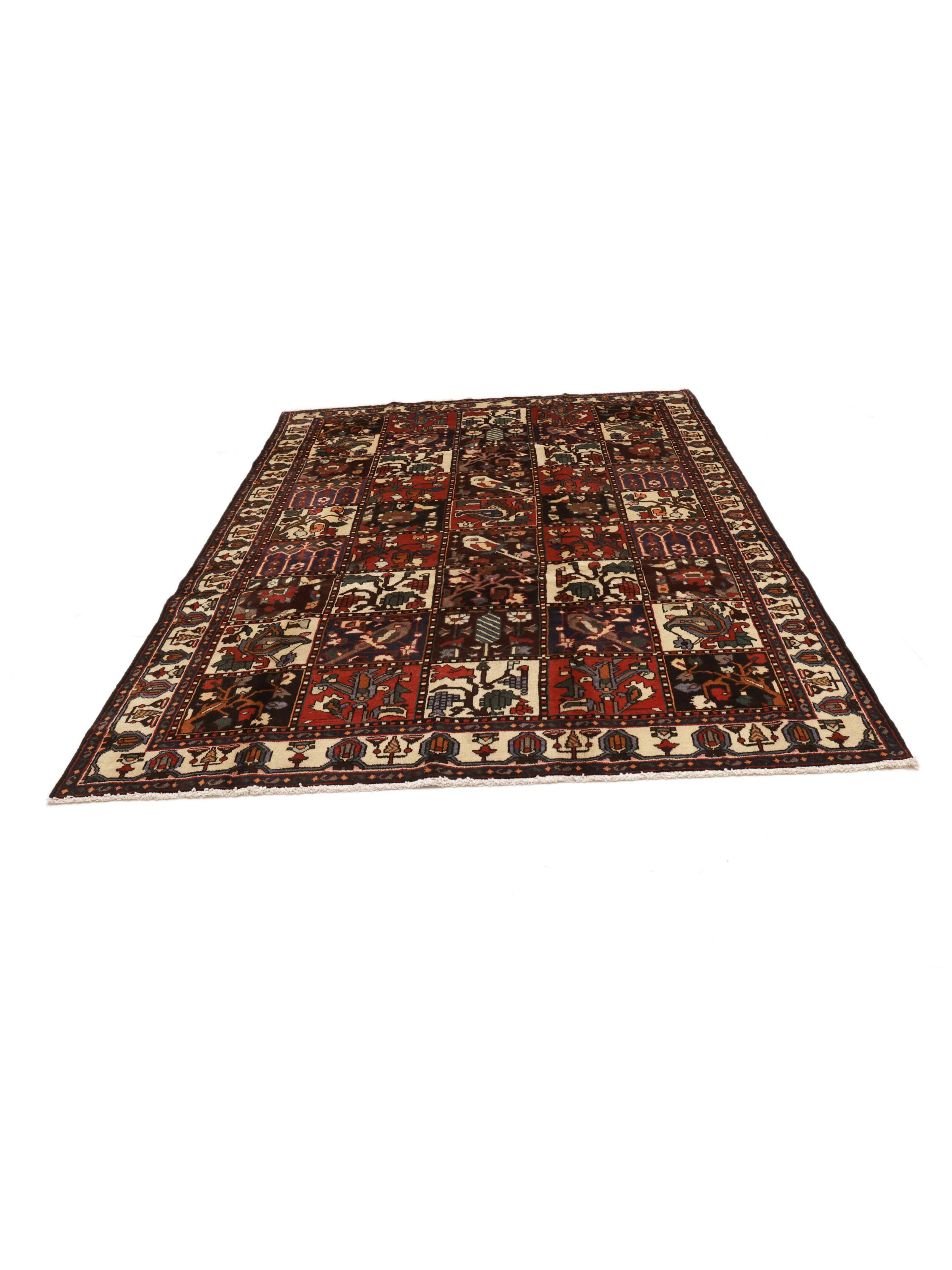
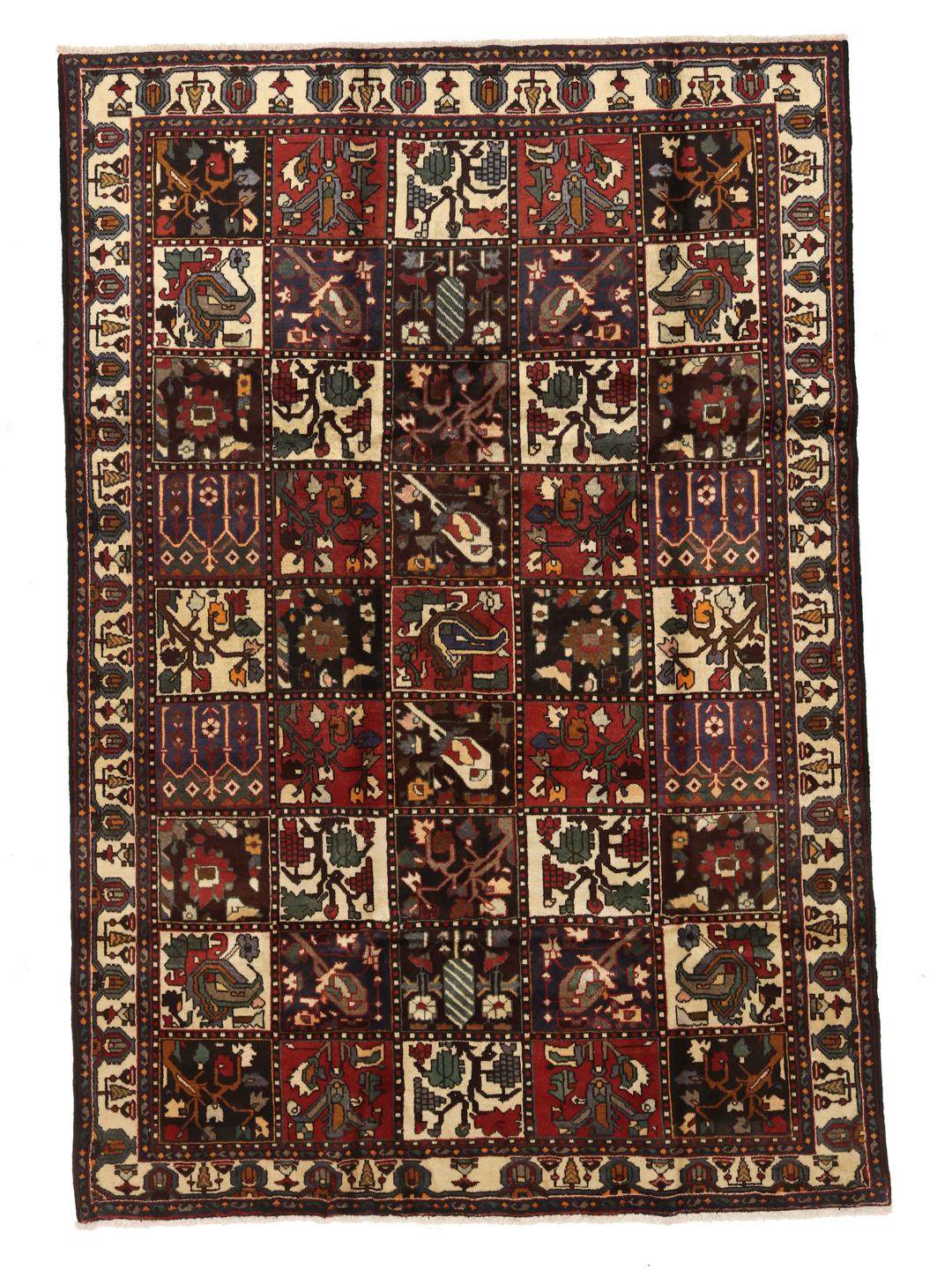
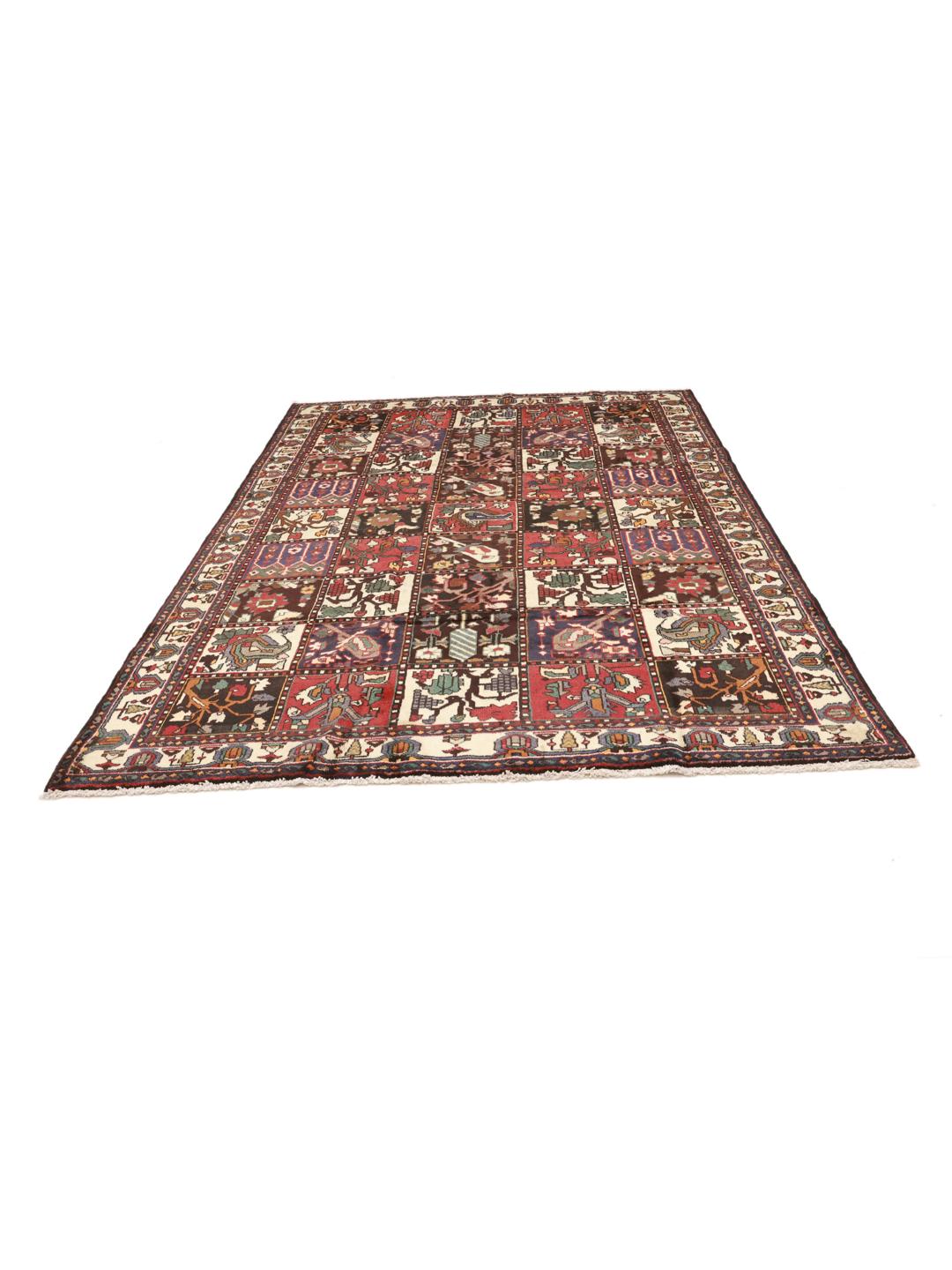
Technical terms such as the kheshti or garden panel design are central to understanding the quality and layout of these rugs. The grid-like structure divides the field into individual sections, each often featuring different floral or tribal motifs. This layout is not just decorative; it showcases the weaver's ability to maintain symmetry and detail across a complex, multi-panel composition. This level of complexity is a hallmark of high-quality craftsmanship, requiring both artistic vision and precise execution.
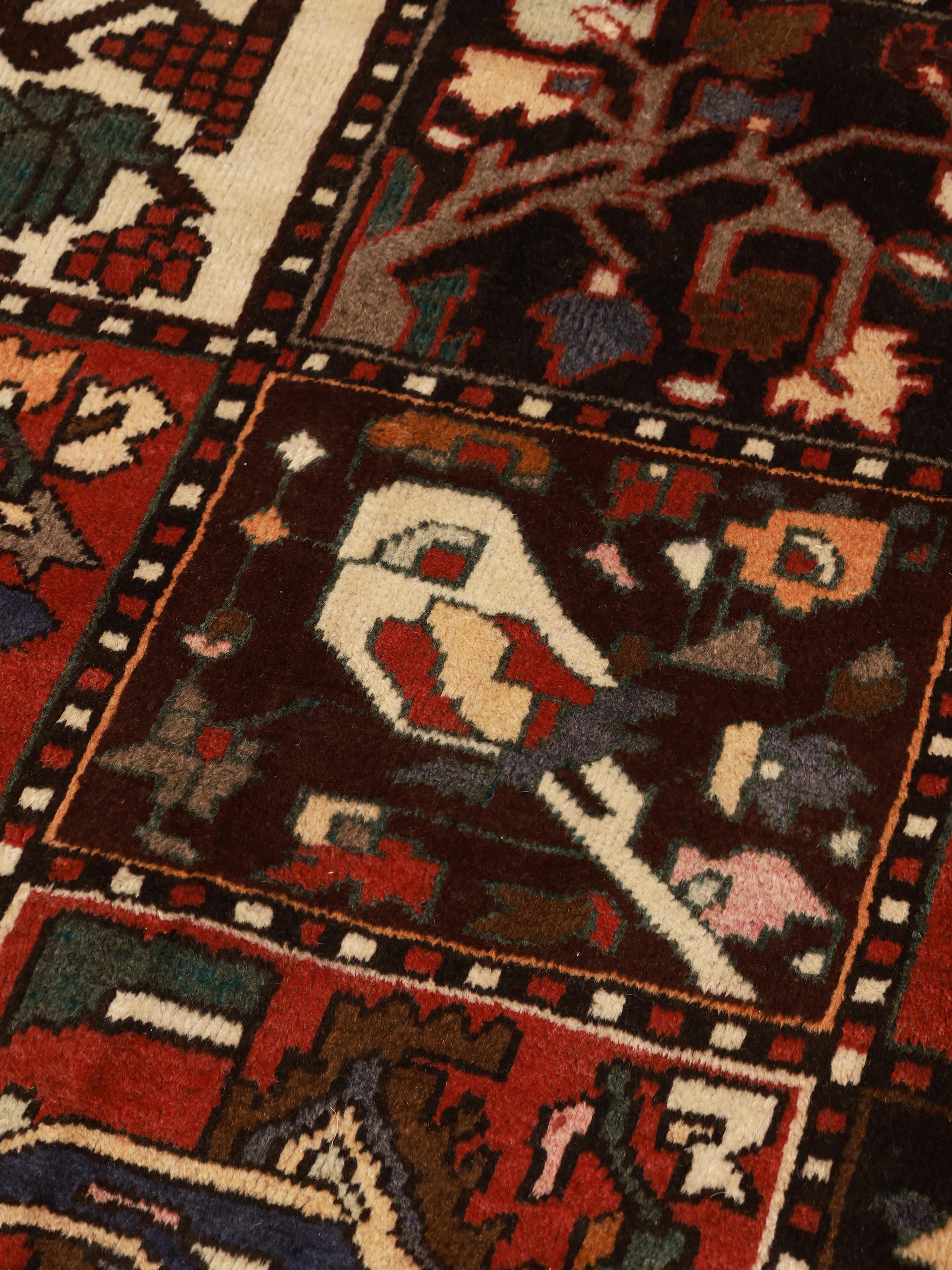
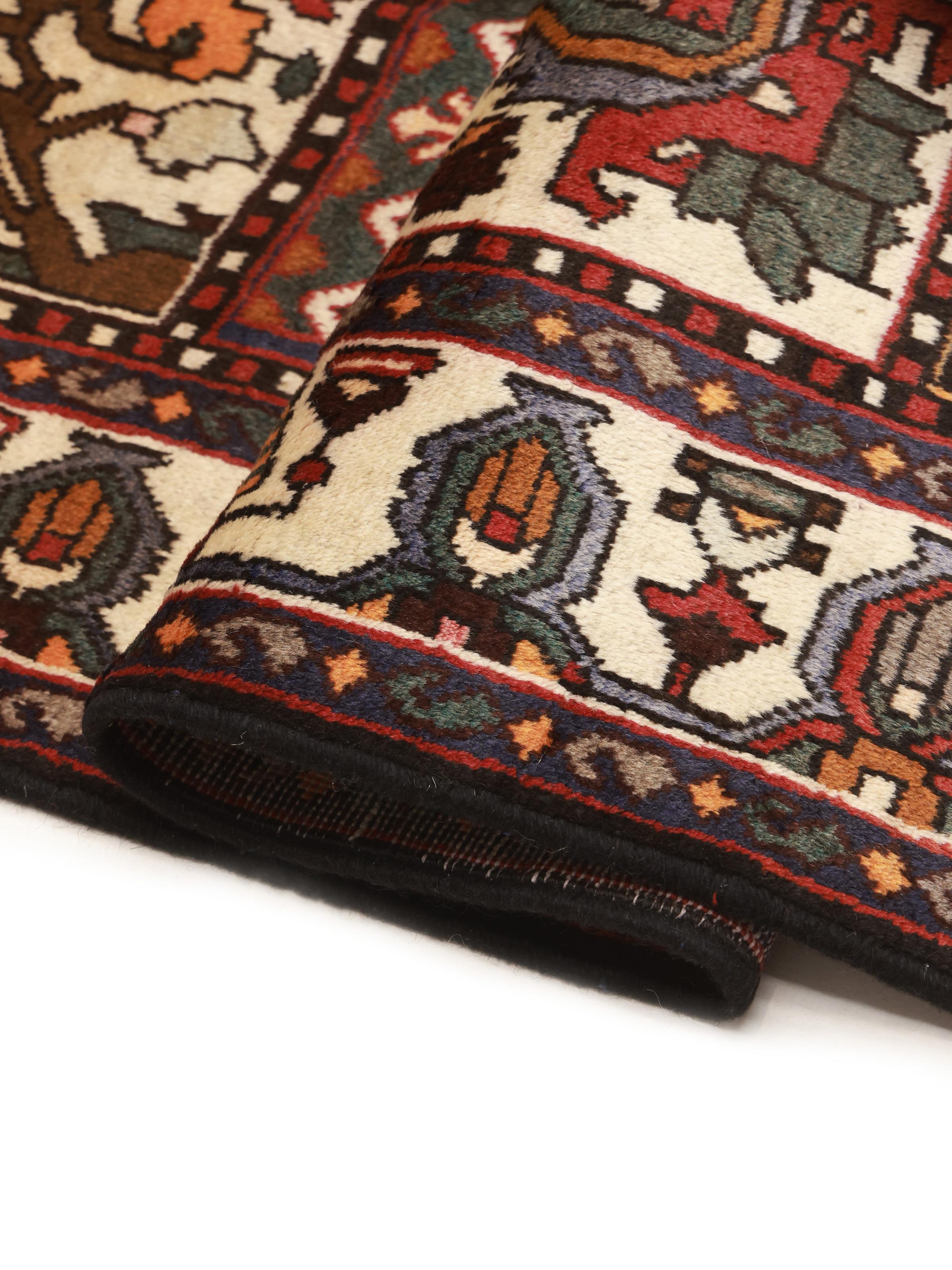
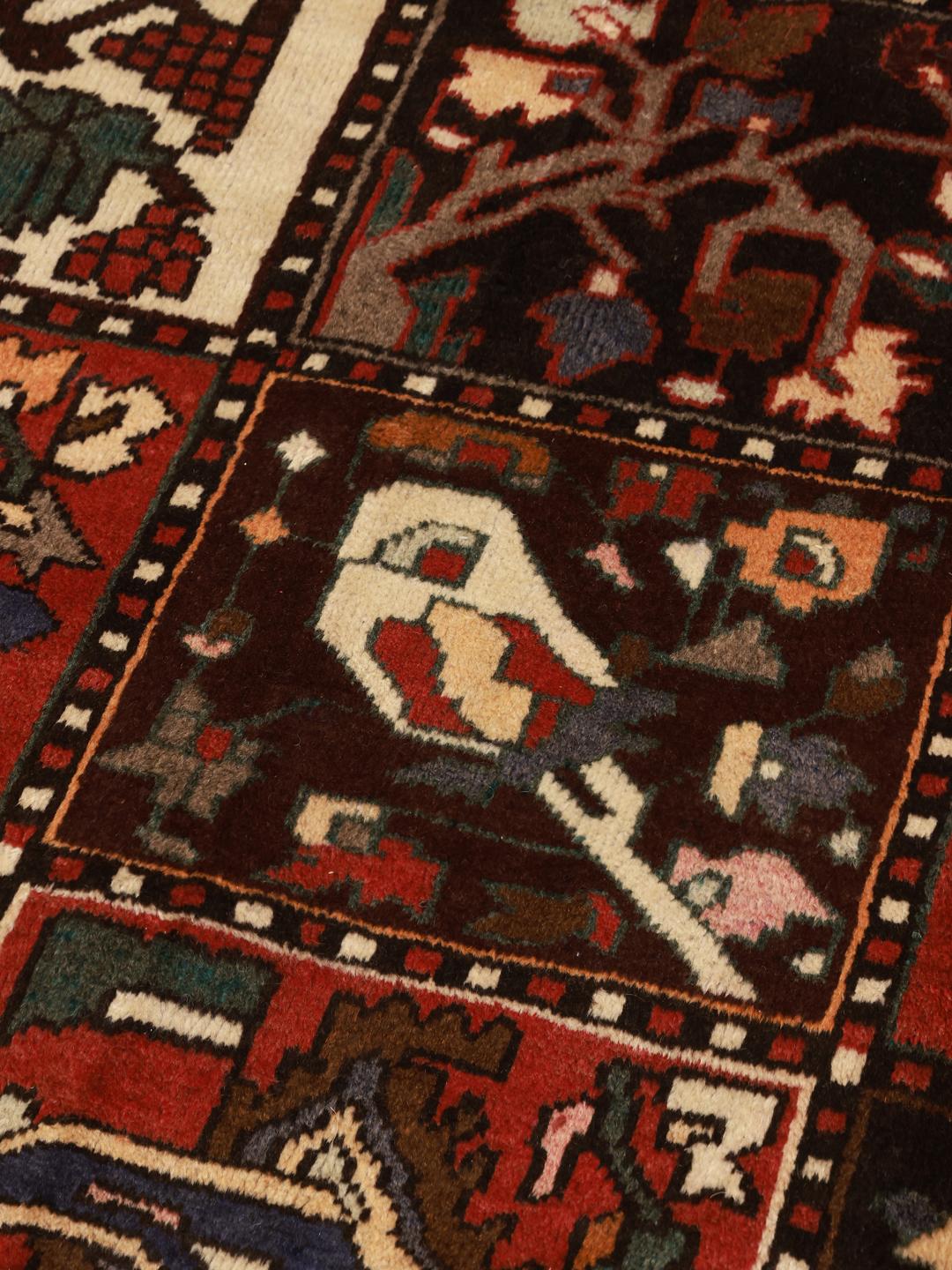
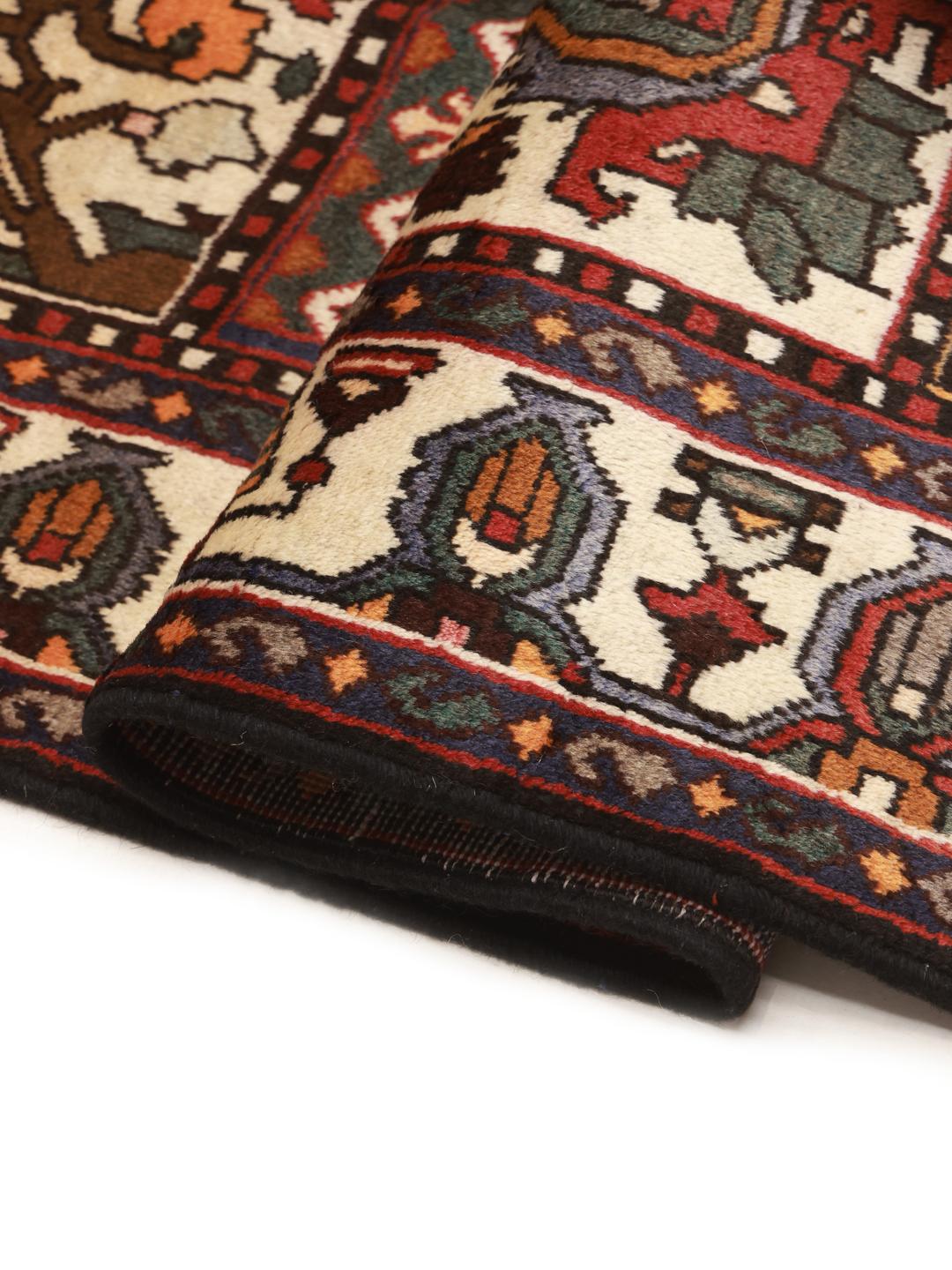
Signature design elements of the Bakhtiari tradition include the use of bold, saturated colours and highly stylized depictions of trees, flowers, and birds. While many rugs follow a more fluid or medallion-based pattern, the Bakhtiari stands out for its structured, boxy elegance. The borders are typically wide and ornate, framing the inner panels with intricate geometric vines or floral patterns that provide a sense of visual containment and harmony.
Collectibility and cultural significance are at the heart of why these rugs are so highly valued. Owning a genuine Bakhtiari is a way to preserve a piece of human history and support the continuation of a centuries-old craft. Collectors appreciate these rugs for their durability, their vibrant use of natural materials, and the way they bridge the gap between functional floor covering and artistic expression. They are pieces that gain character over time, becoming more cherished as they settle into a home.