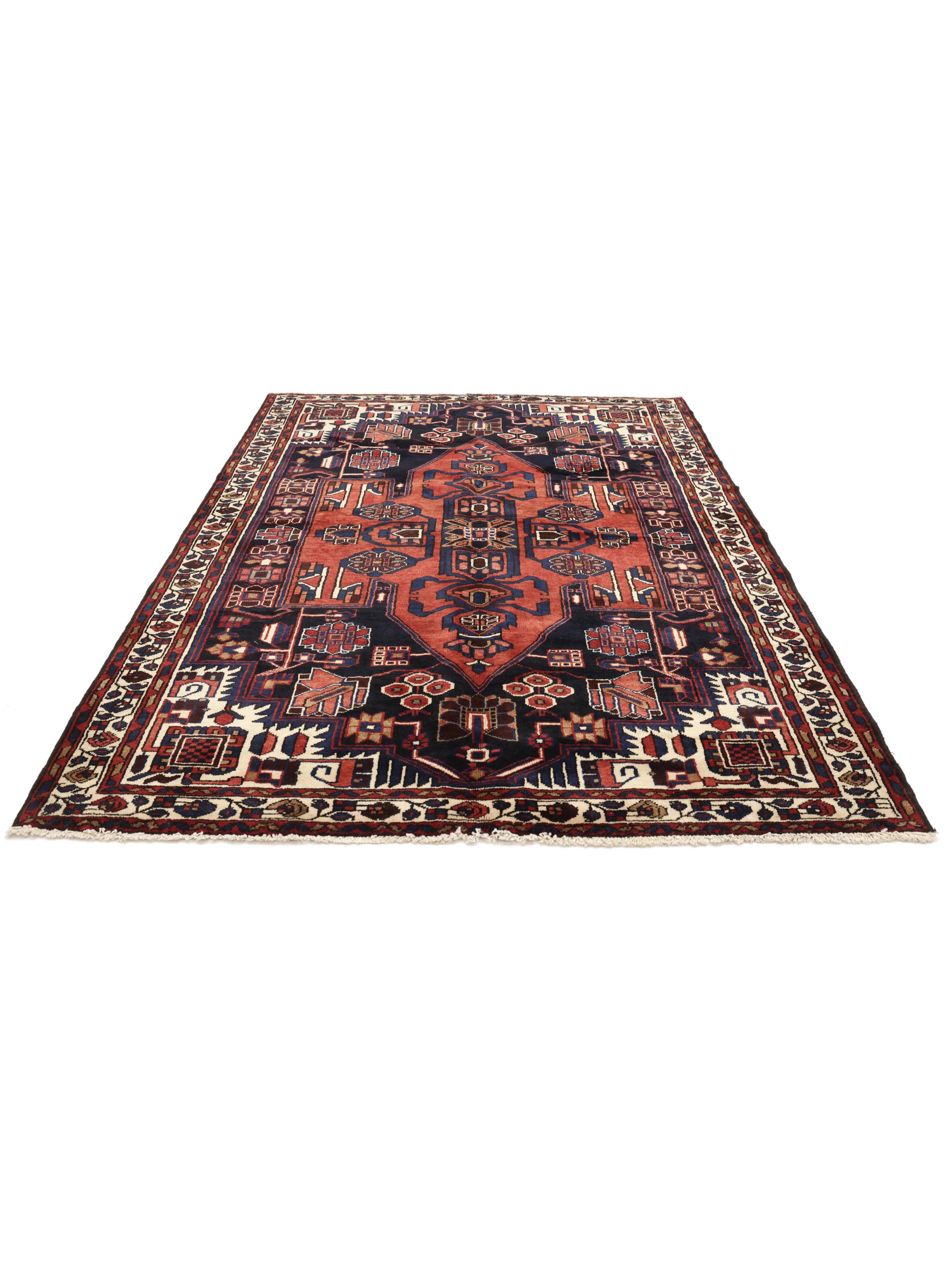
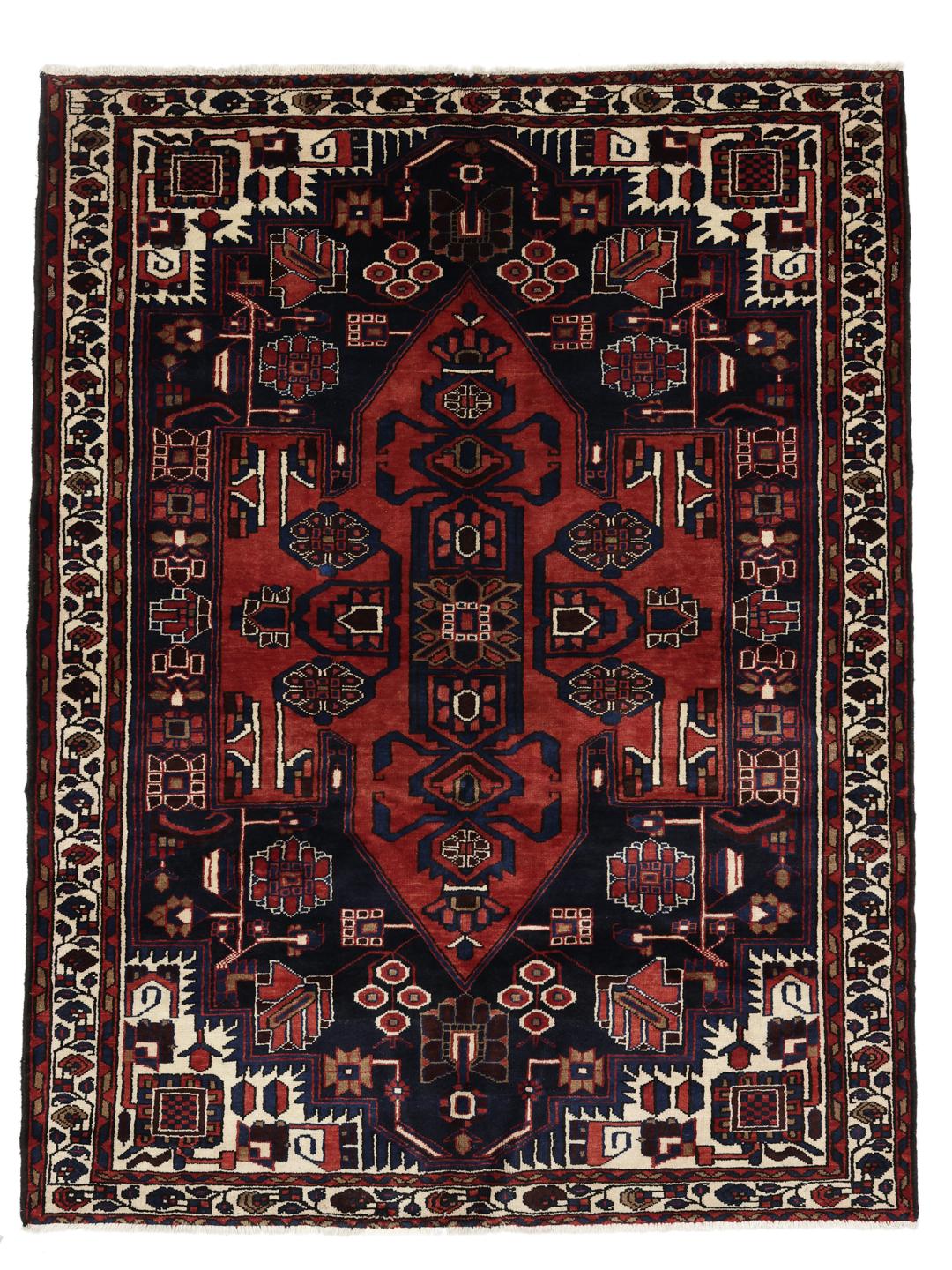
The Bakhtiar rug tradition finds its roots in the mountainous regions of the Middle East, named after the nomadic and settled tribes who have perfected this craft over centuries. These rugs are deeply connected to the landscape and the cultural history of their people, often incorporating motifs that reflect the natural beauty and local environment of the high-altitude valleys where these communities thrive.
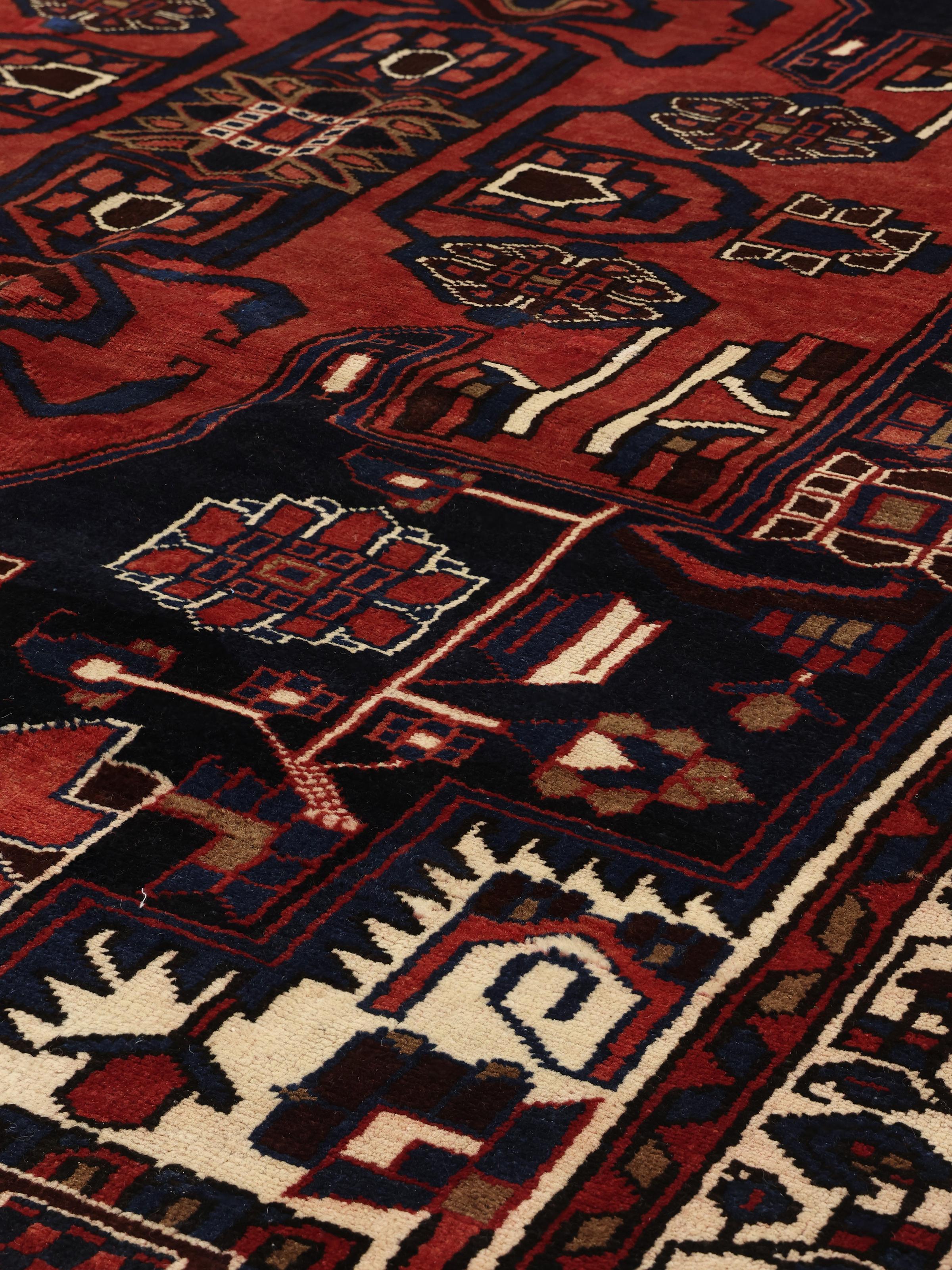
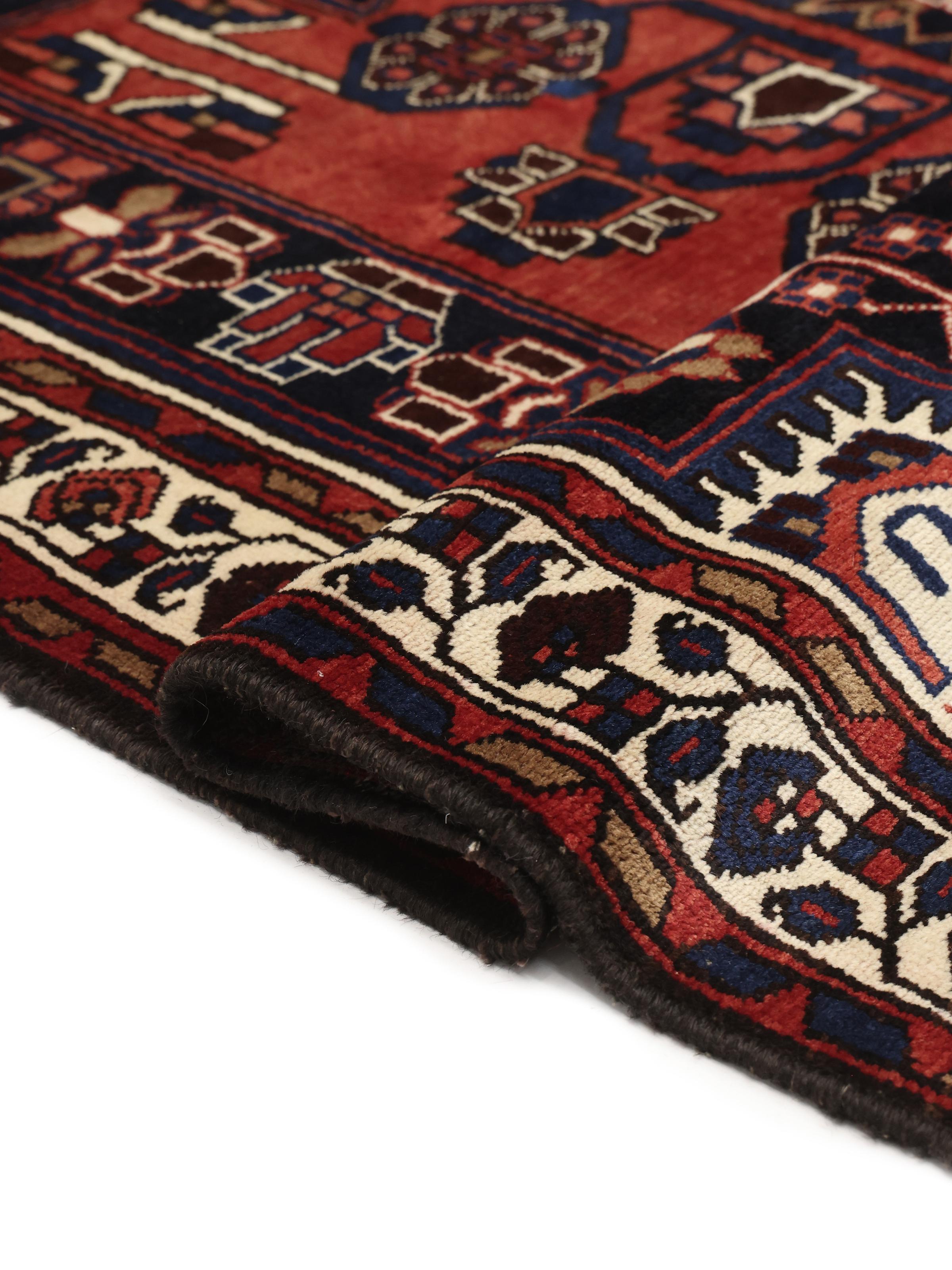
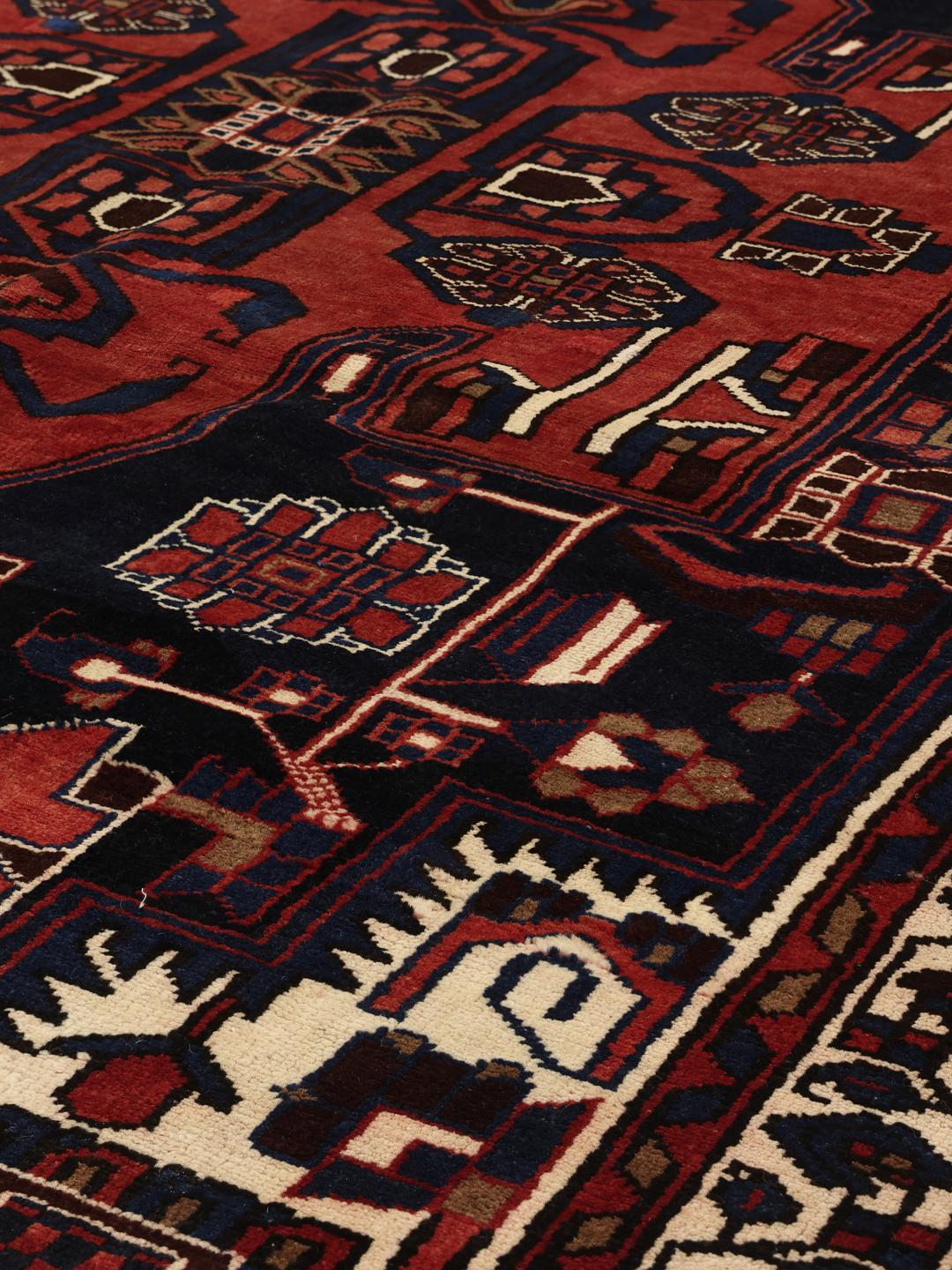
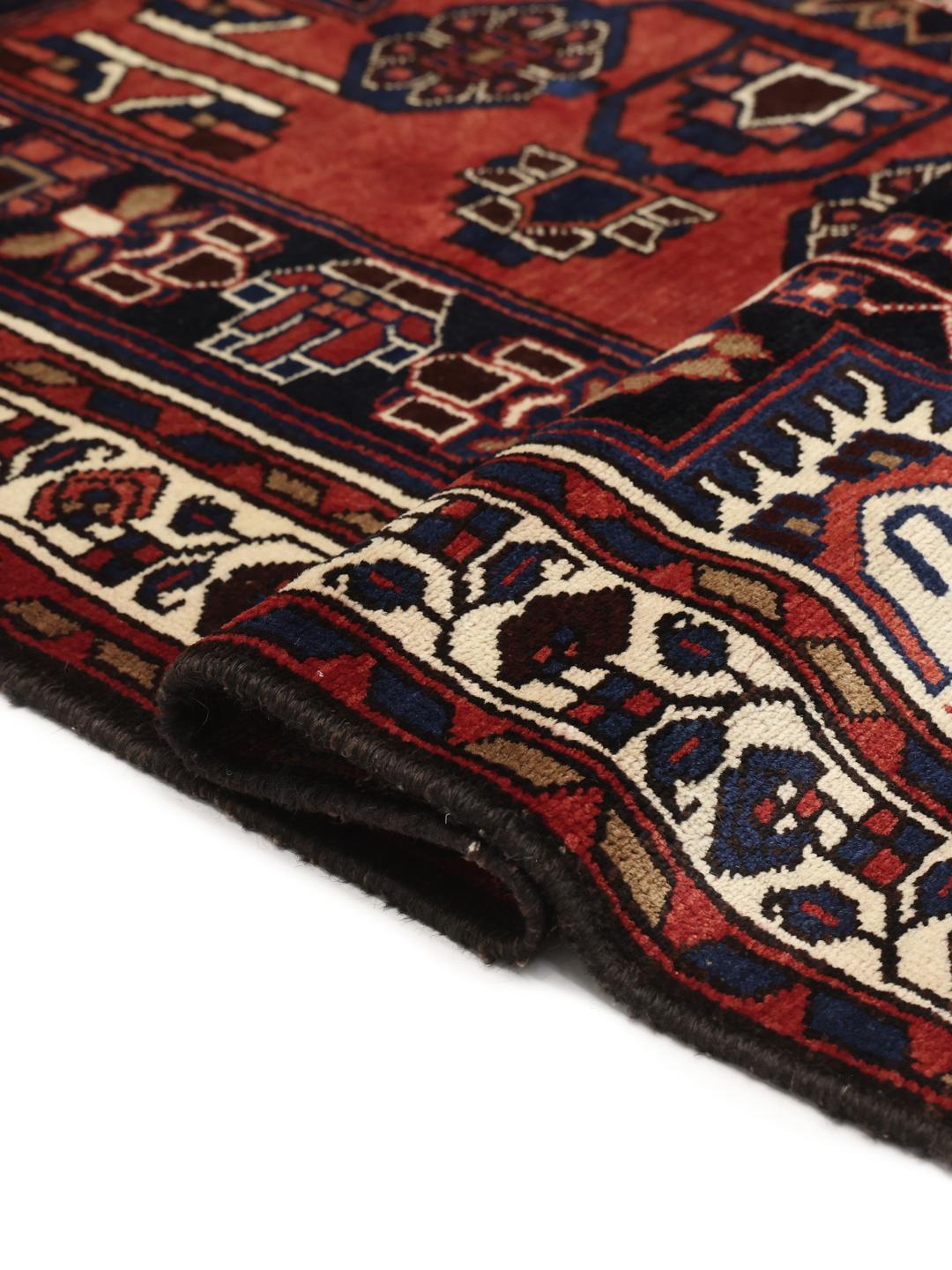
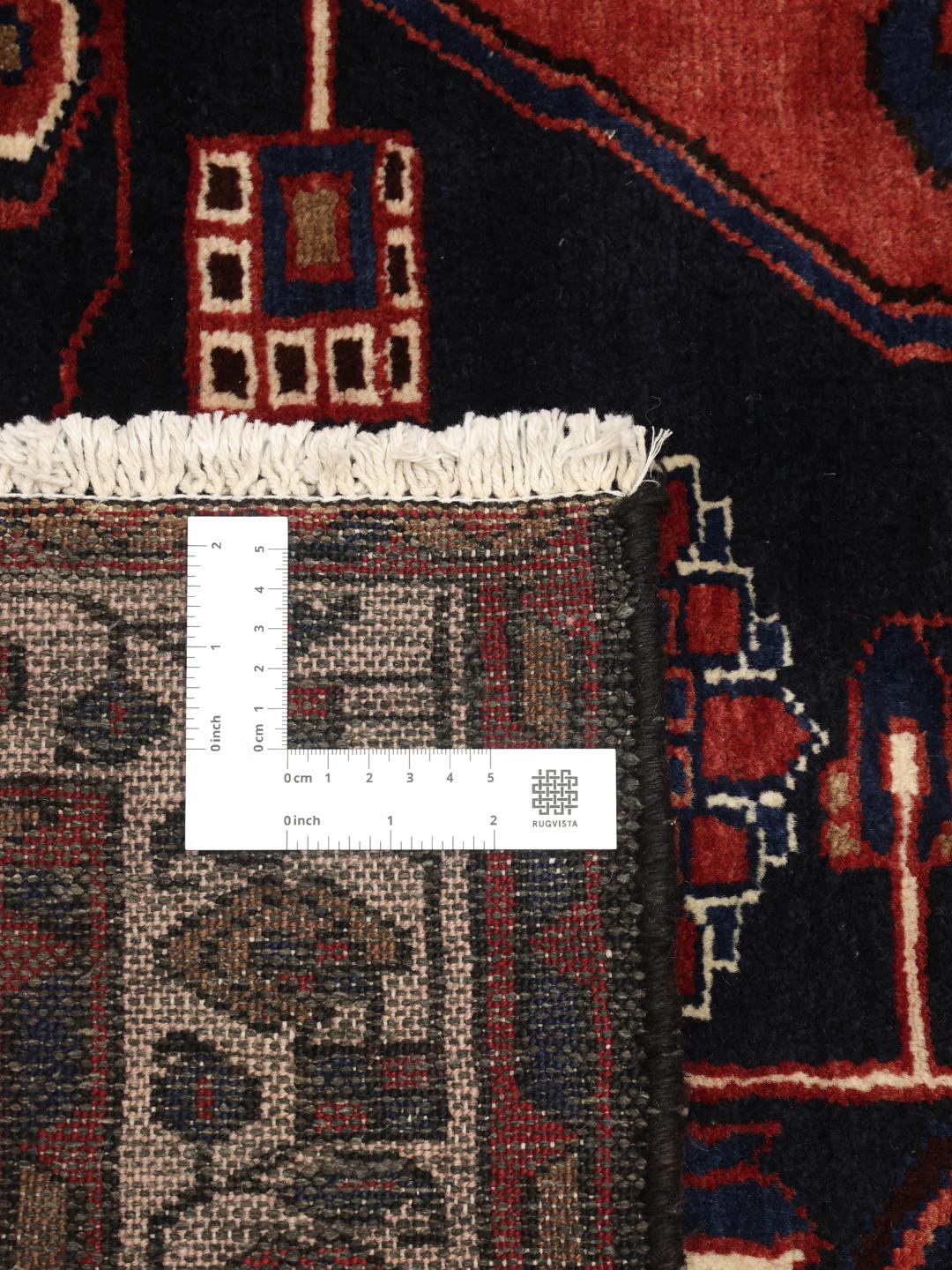
In the world of rug making, the term 'hand-knotted' refers to the most traditional and labour-intensive method of construction. This process is significant because it allows for a level of detail and structural longevity that cannot be matched by other methods. Each knot is tied by hand, creating a dense and resilient pile that gains character and beauty as it ages, making these rugs highly prized for their durability.
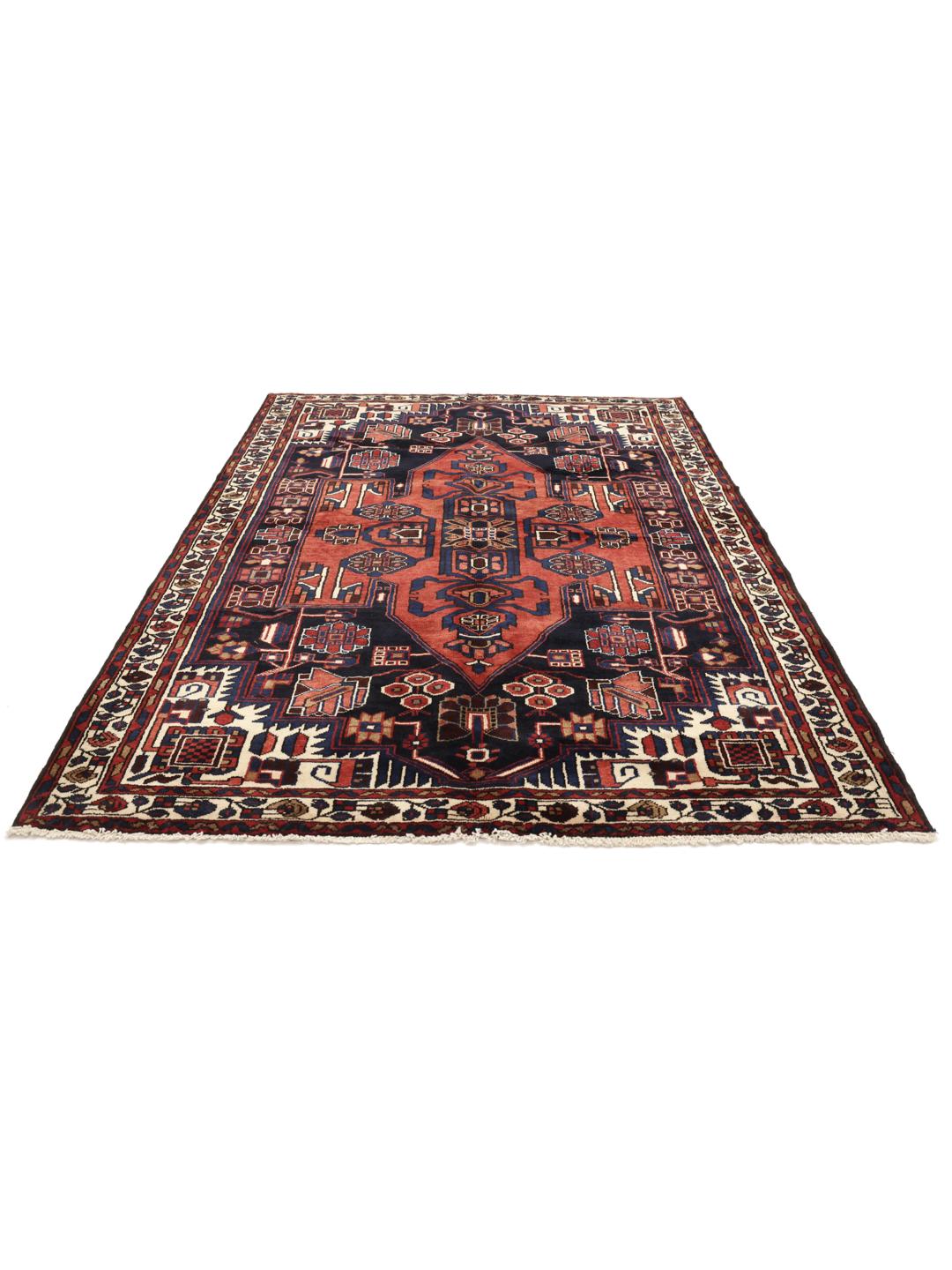
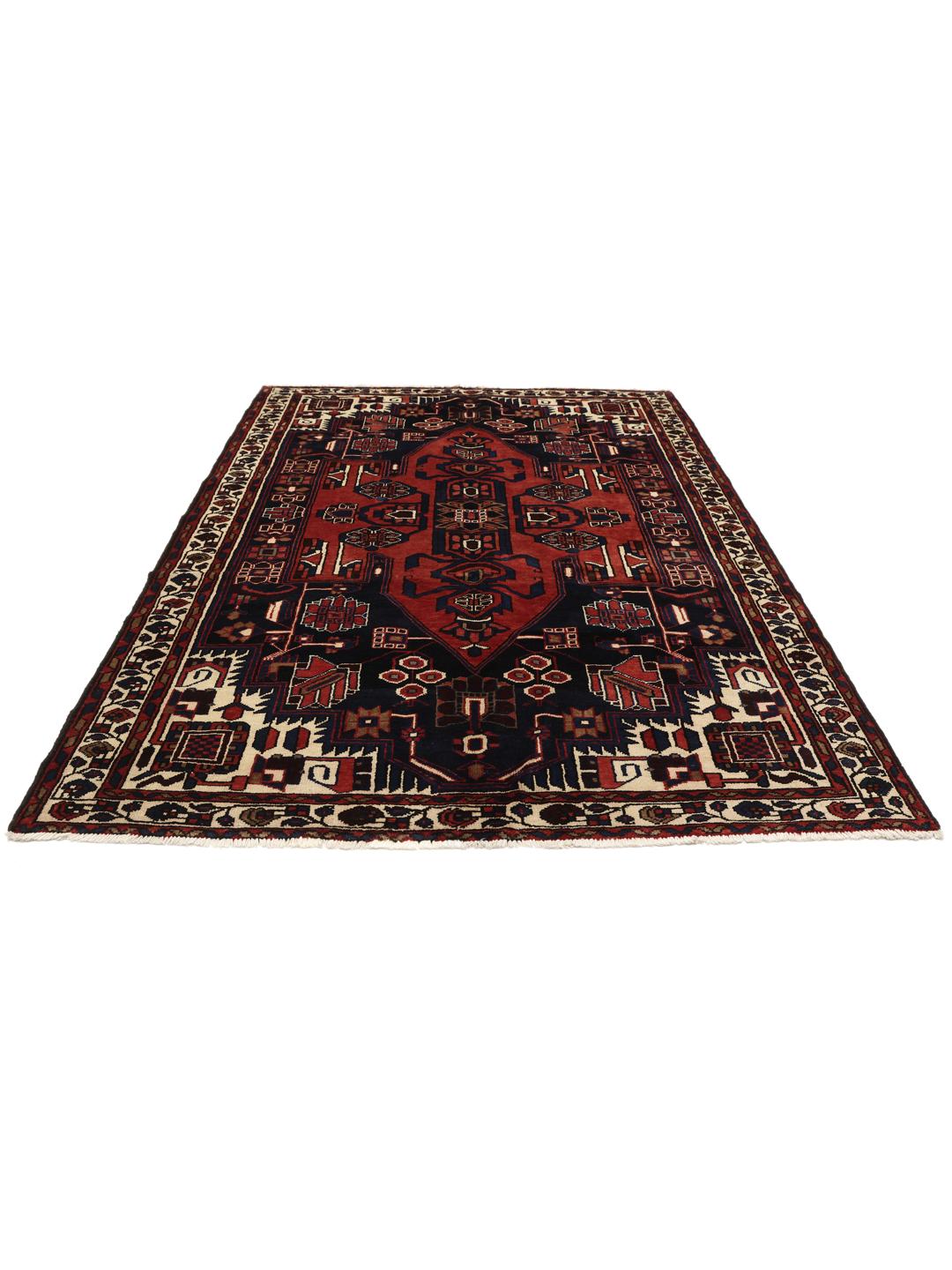
Signature design elements of these rugs often include the classic garden or medallion motifs, which are presented with a distinct, bold geometry. The use of deep, rich reds and blues is a hallmark of the style, often contrasted with ivory or dark highlights to create a balanced, harmonious look. These rugs are easily recognised by their strong, rhythmic patterns and the sophisticated way they frame the central field.
Collecting such a rug is an investment in human skill and cultural heritage. Because they are made by hand without the use of machines, each piece carries the distinct touch of its maker. Owning a piece from this tradition means bringing a storied, authentic object into your home, one that embodies a legacy of patience and artistic expression that has been passed down through generations.