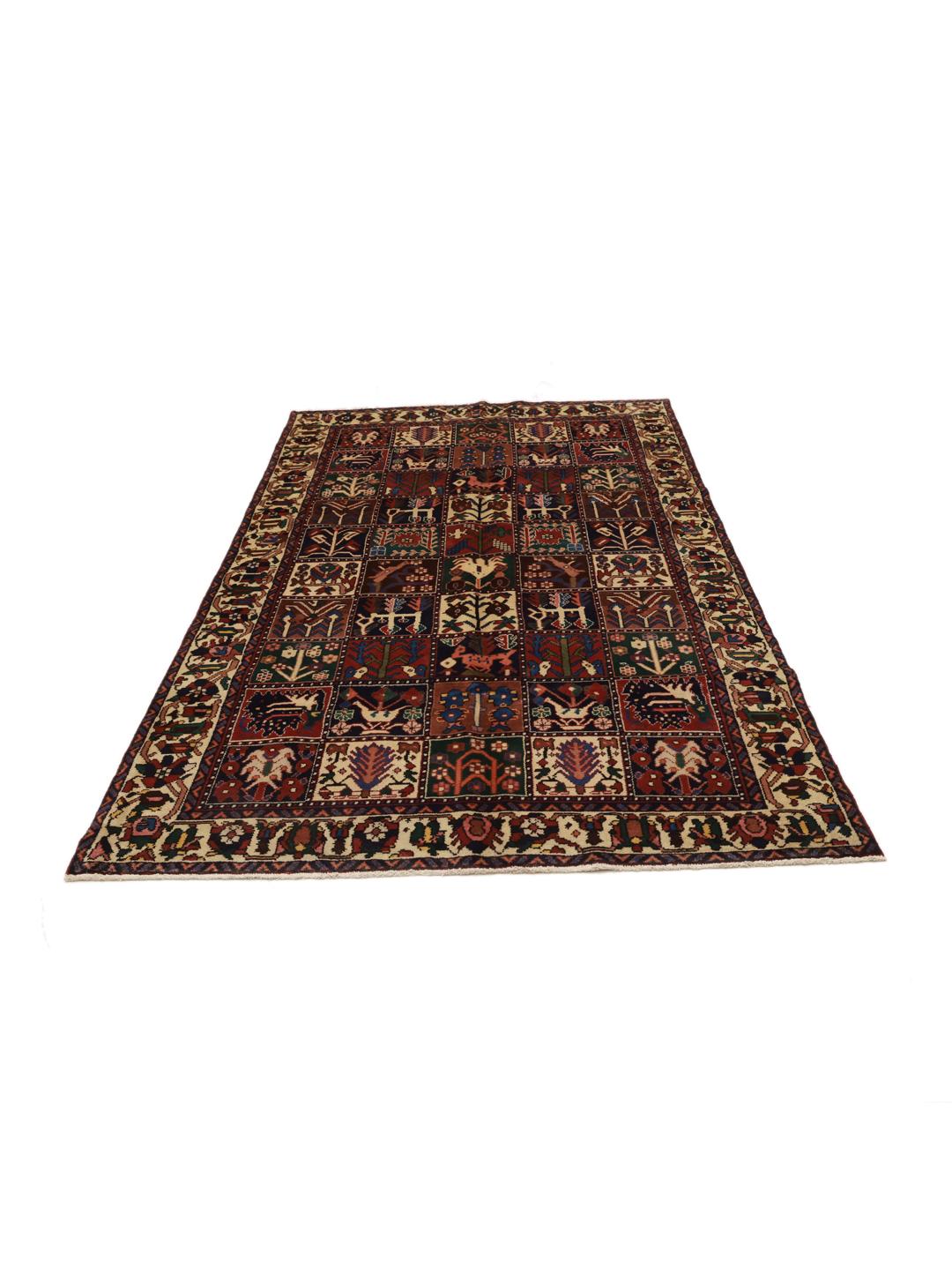
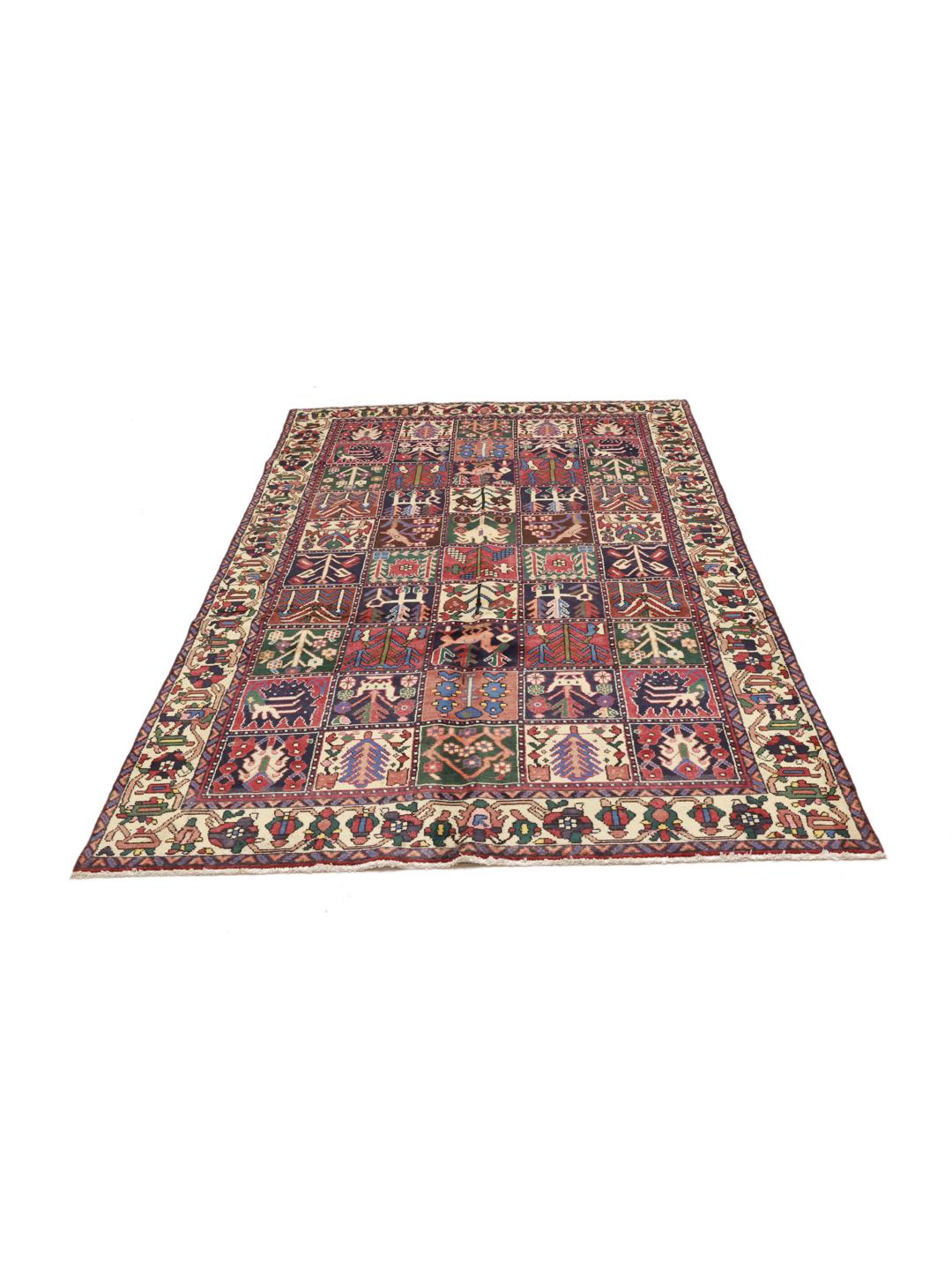
The Bakhtiari people, from whom this rug tradition takes its name, are a nomadic and semi-nomadic group from the mountainous regions of the Middle East. For centuries, they have moved through the rugged landscapes, carrying their weaving traditions with them, and their rugs have long been celebrated for their durability and distinctive, bold aesthetic.
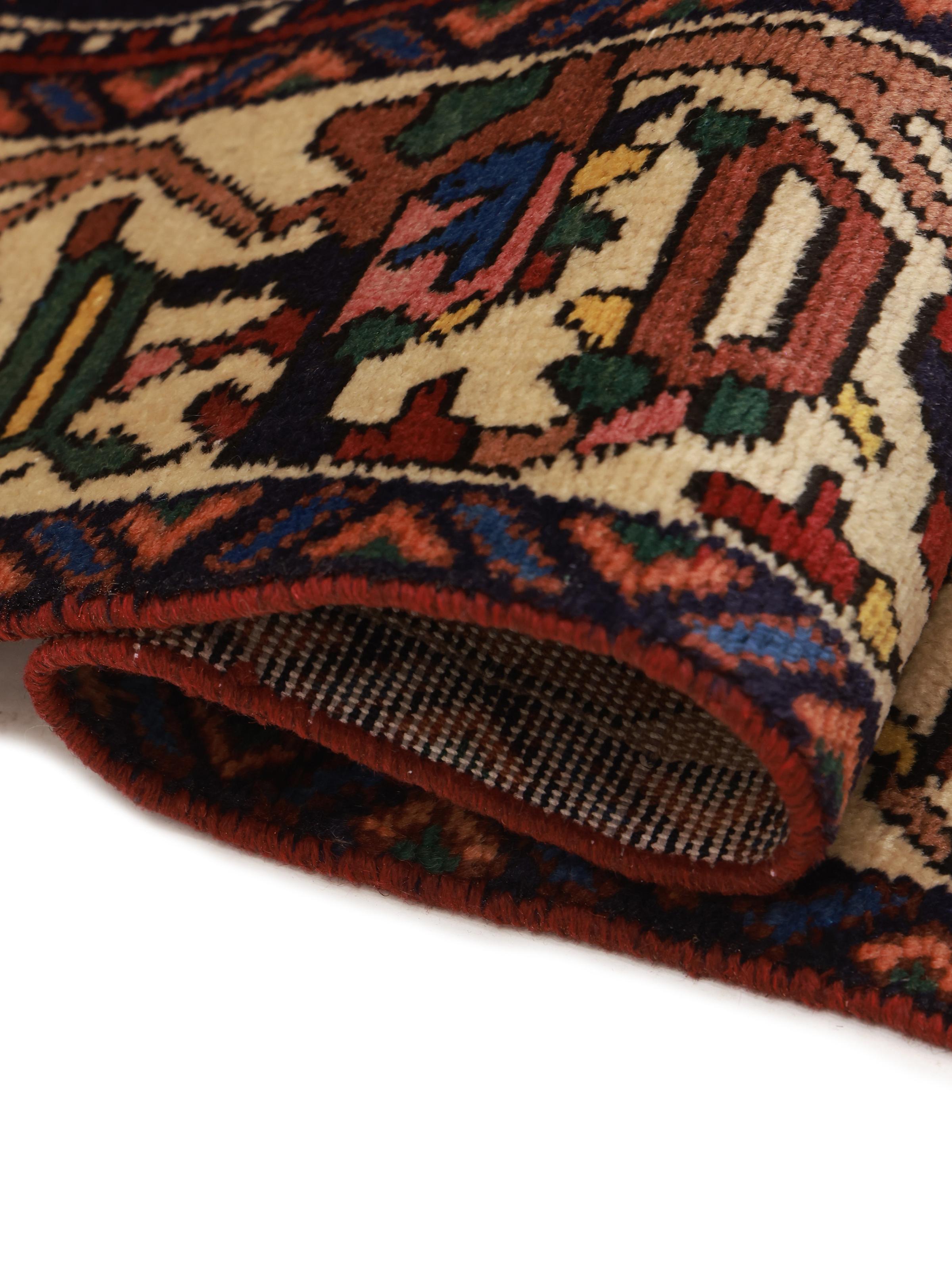
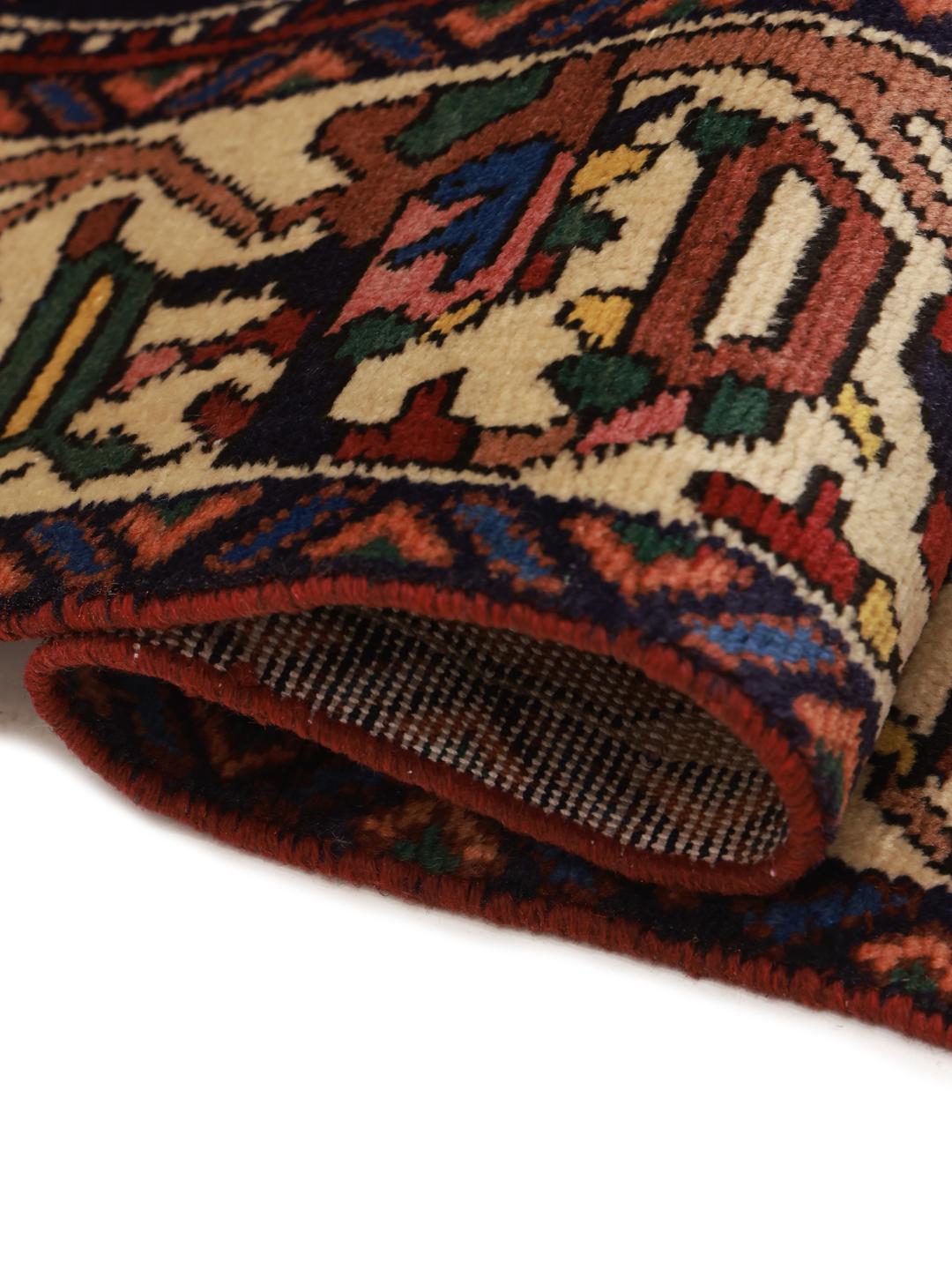
The term 'Bakhtiar' refers to the specific regional style characterised by its robust construction and iconic design vocabulary. These rugs are highly regarded for their use of high-quality wool, which is known for its natural lustre and resilience, making these pieces as practical as they are beautiful.
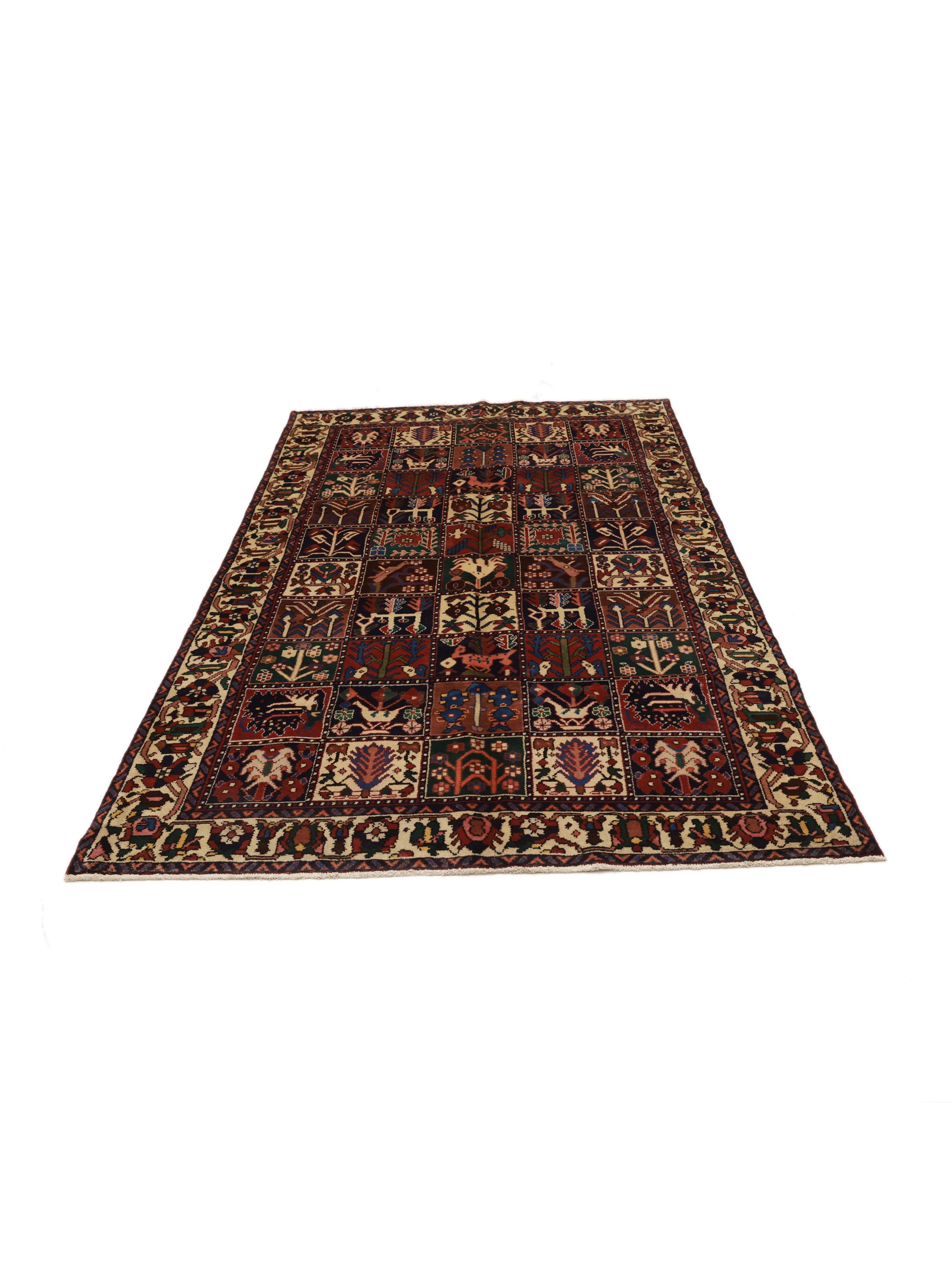
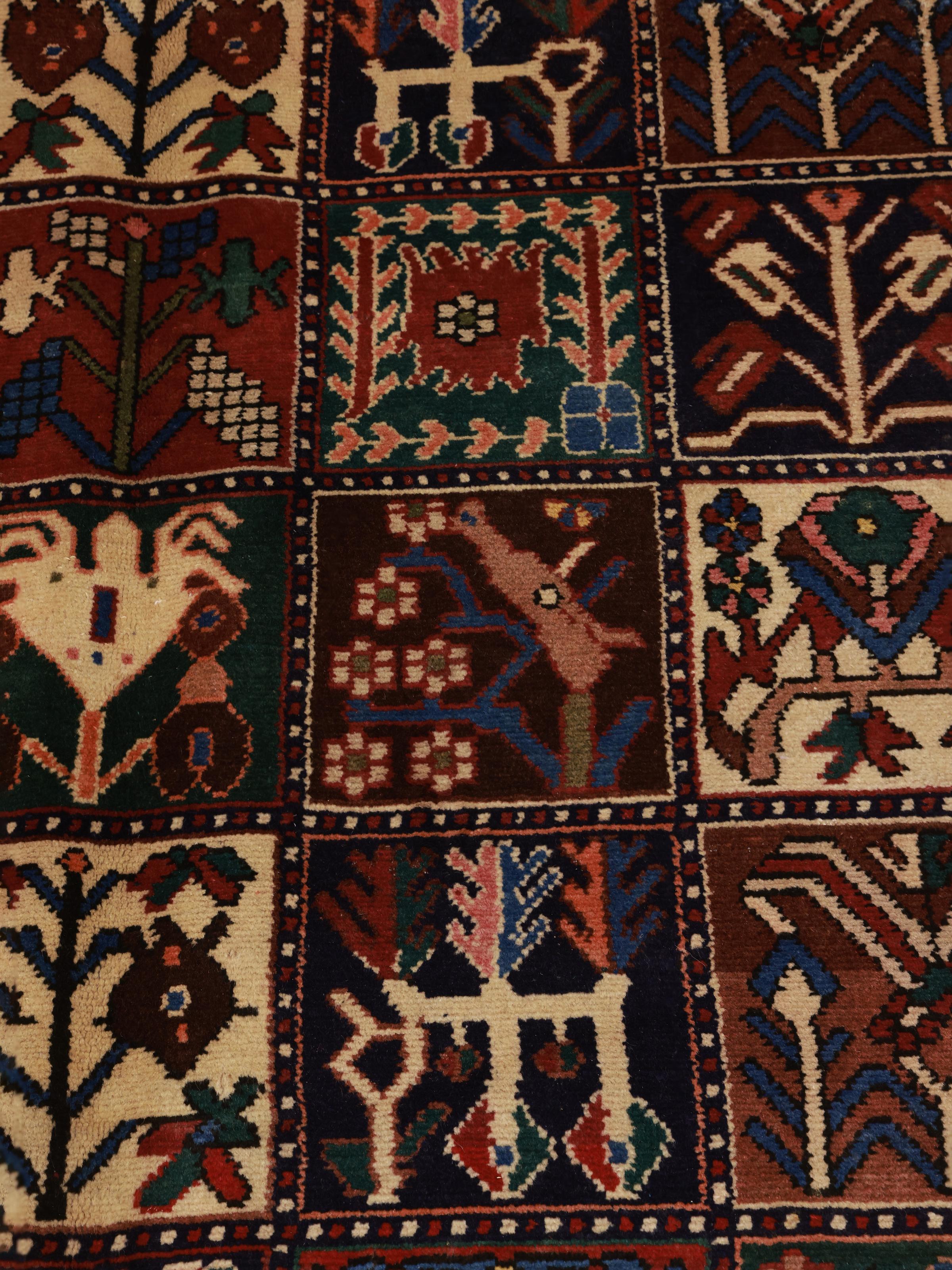
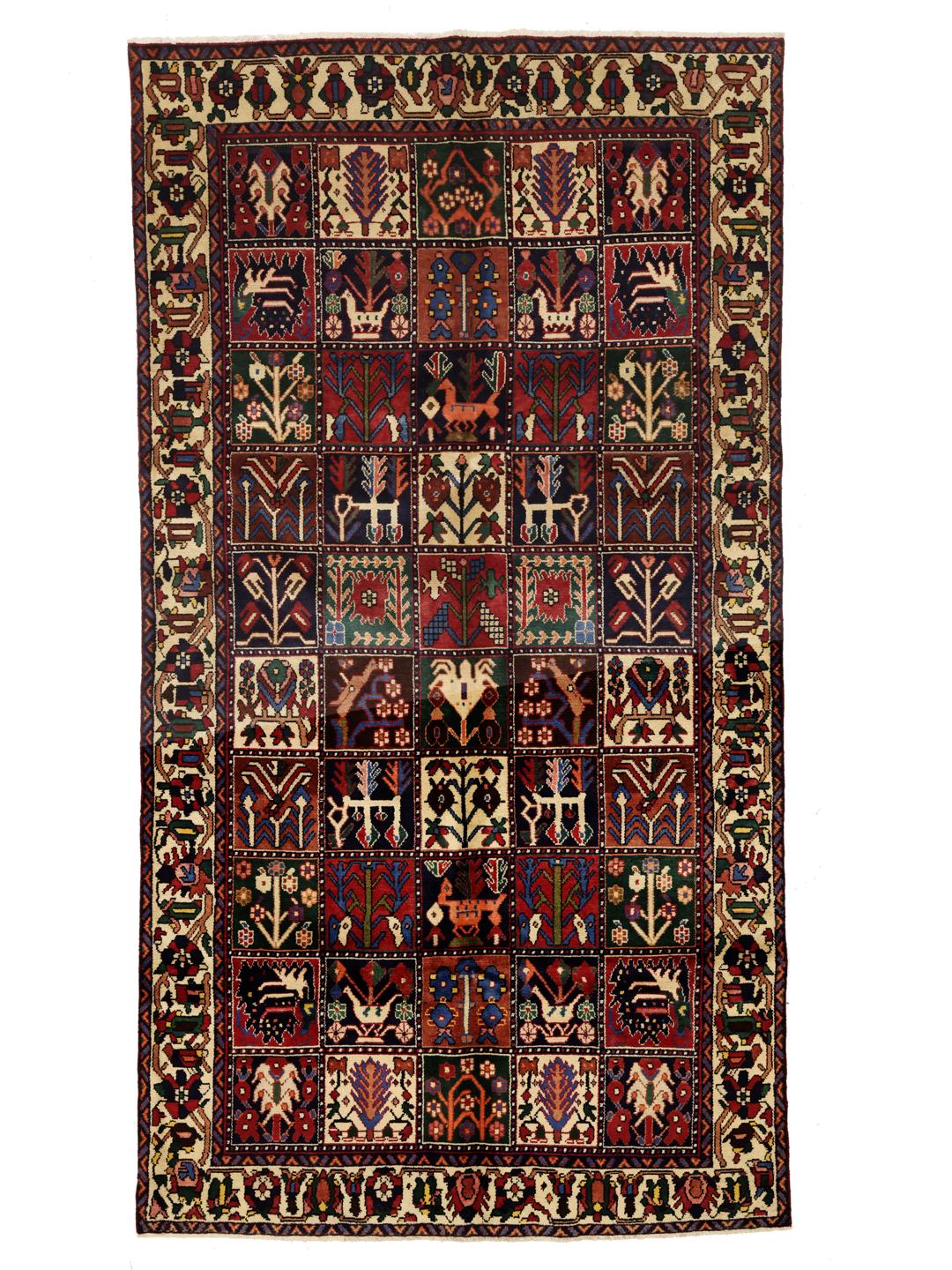
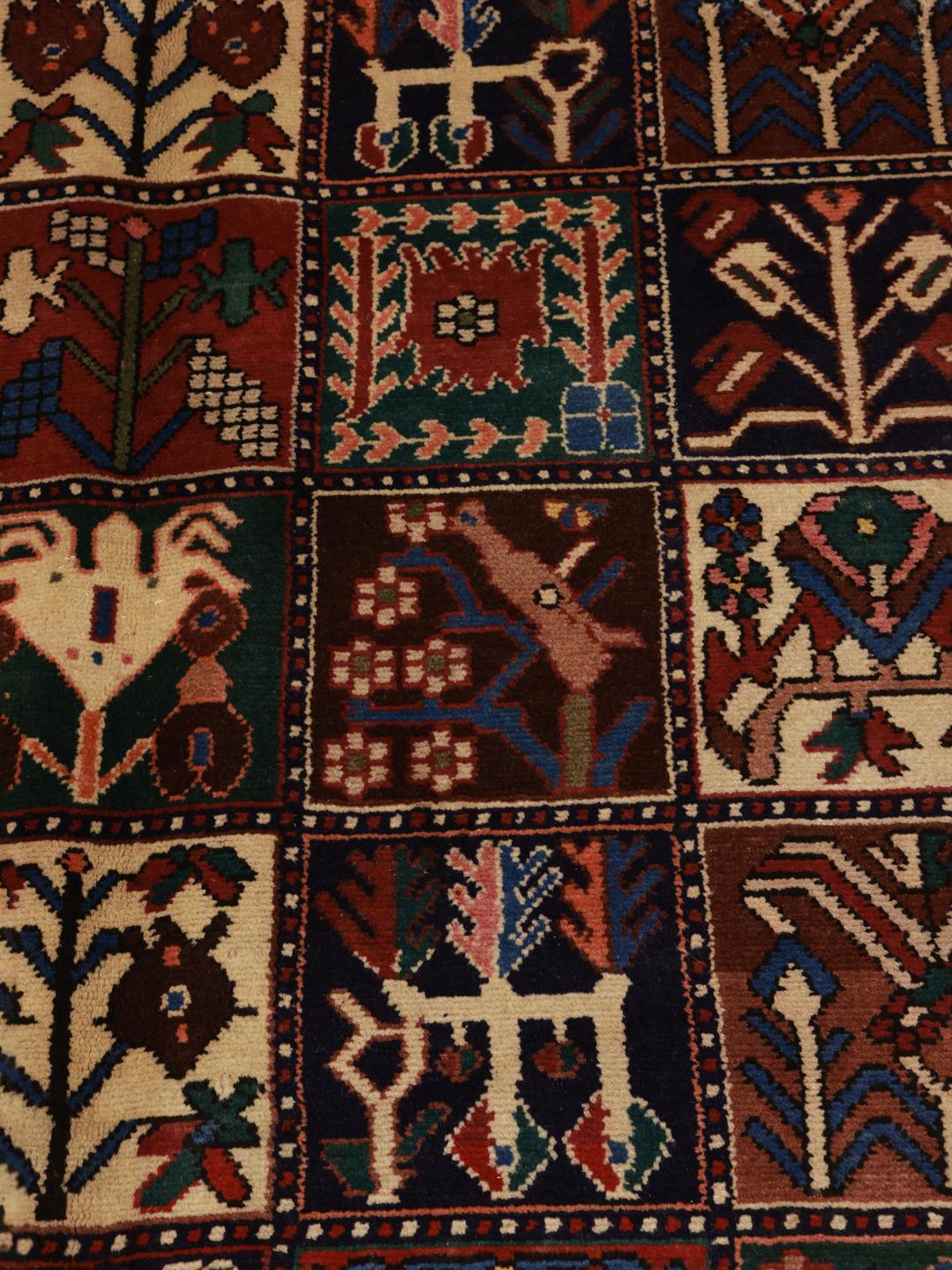
The signature design of this rug is the 'khesti' or garden panel pattern, which divides the field into a grid of squares. Each square often depicts a different element of the natural world, such as cypresses, weeping willows, flowers, or birds. This layout is meant to represent the traditional Middle Eastern paradise garden, a concept that has inspired art and architecture in the region for millennia.
Owning a Bakhtiari rug is a way of connecting with a deeply rooted cultural heritage. These pieces are more than just floor coverings; they are historical narratives woven in wool. Collectors value them for their authenticity, the skill required to execute such complex panel designs, and the way they bring a sense of grounded, enduring quality to a modern interior.