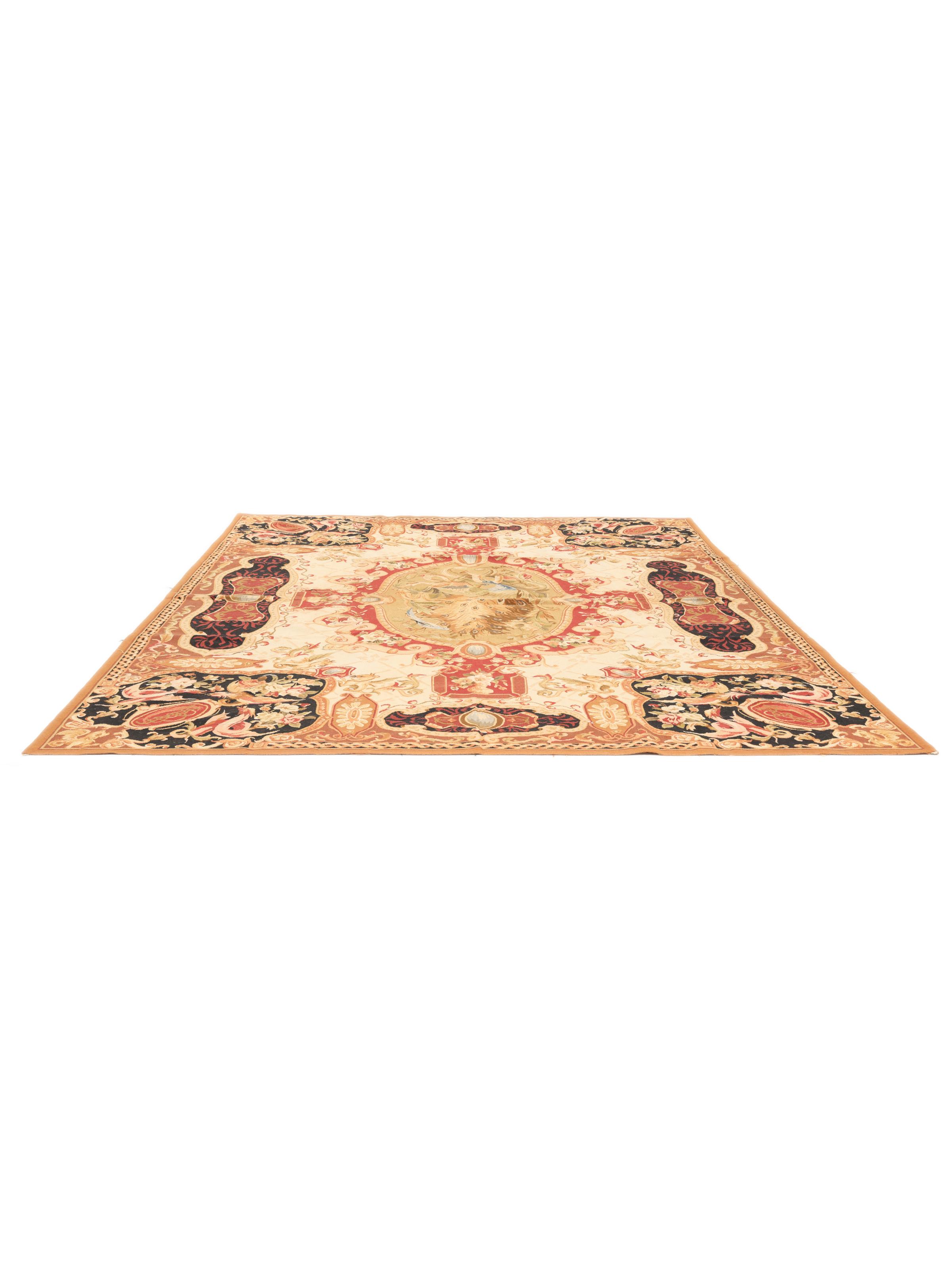
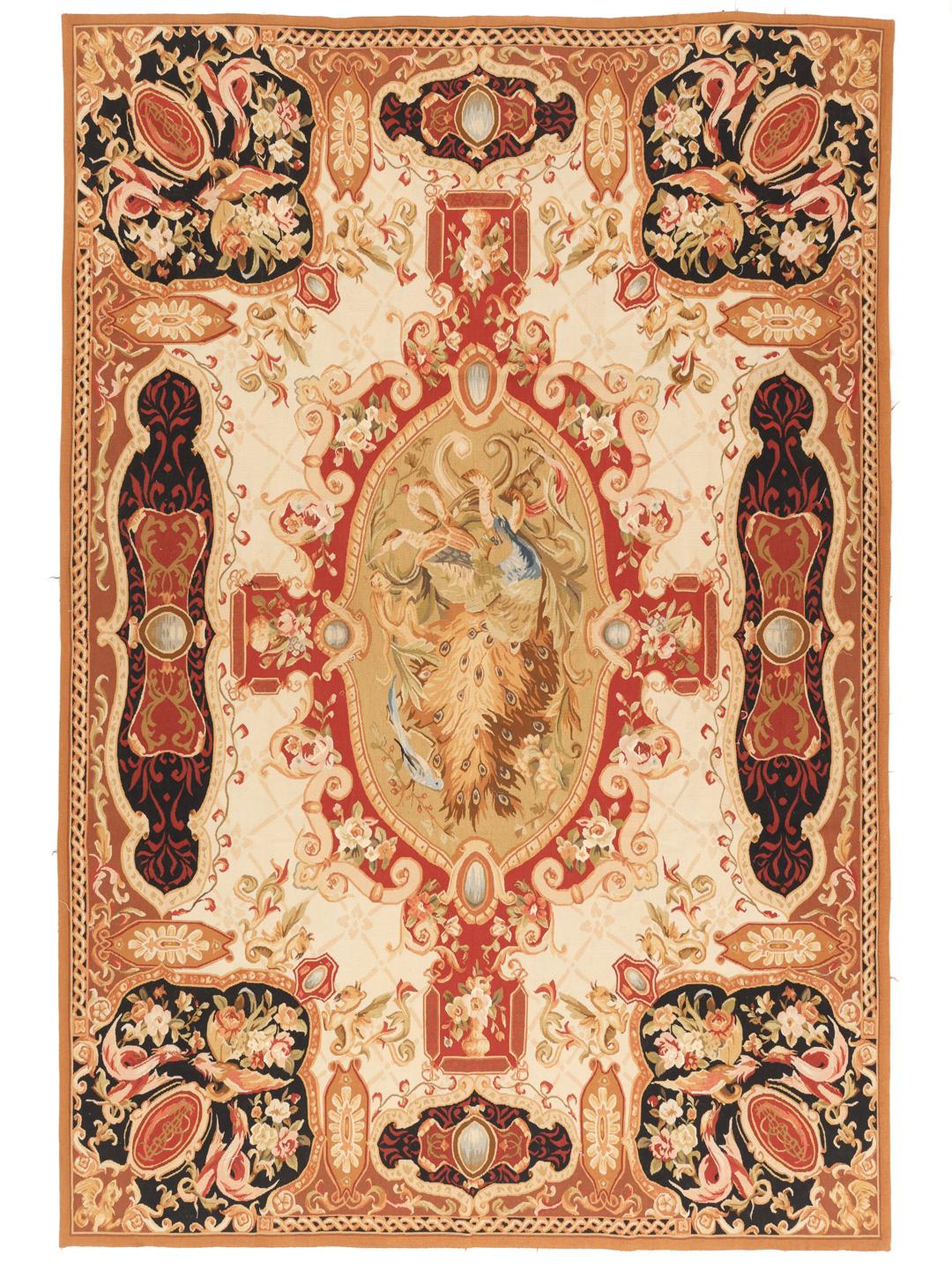
The Aubusson style finds its roots in the town of Aubusson in the Creuse valley of France, where the craft of weaving tapestries and rugs flourished as early as the 15th century. Originally created for the nobility and the royal court, these pieces were designed to mimic the aesthetic of paintings, featuring floral bouquets, architectural motifs, and mythological scenes that mirrored the decor of grand European chateaus.
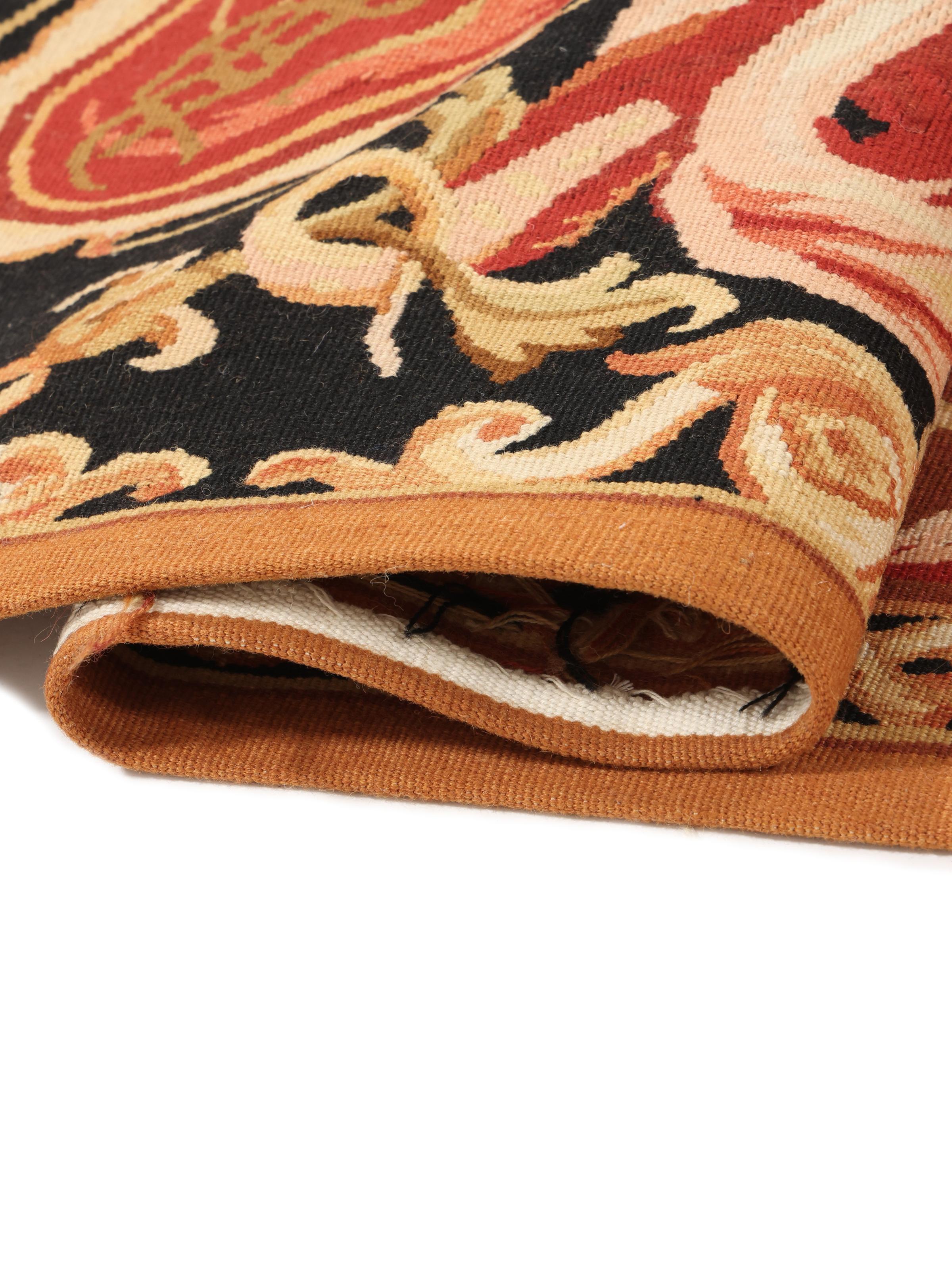
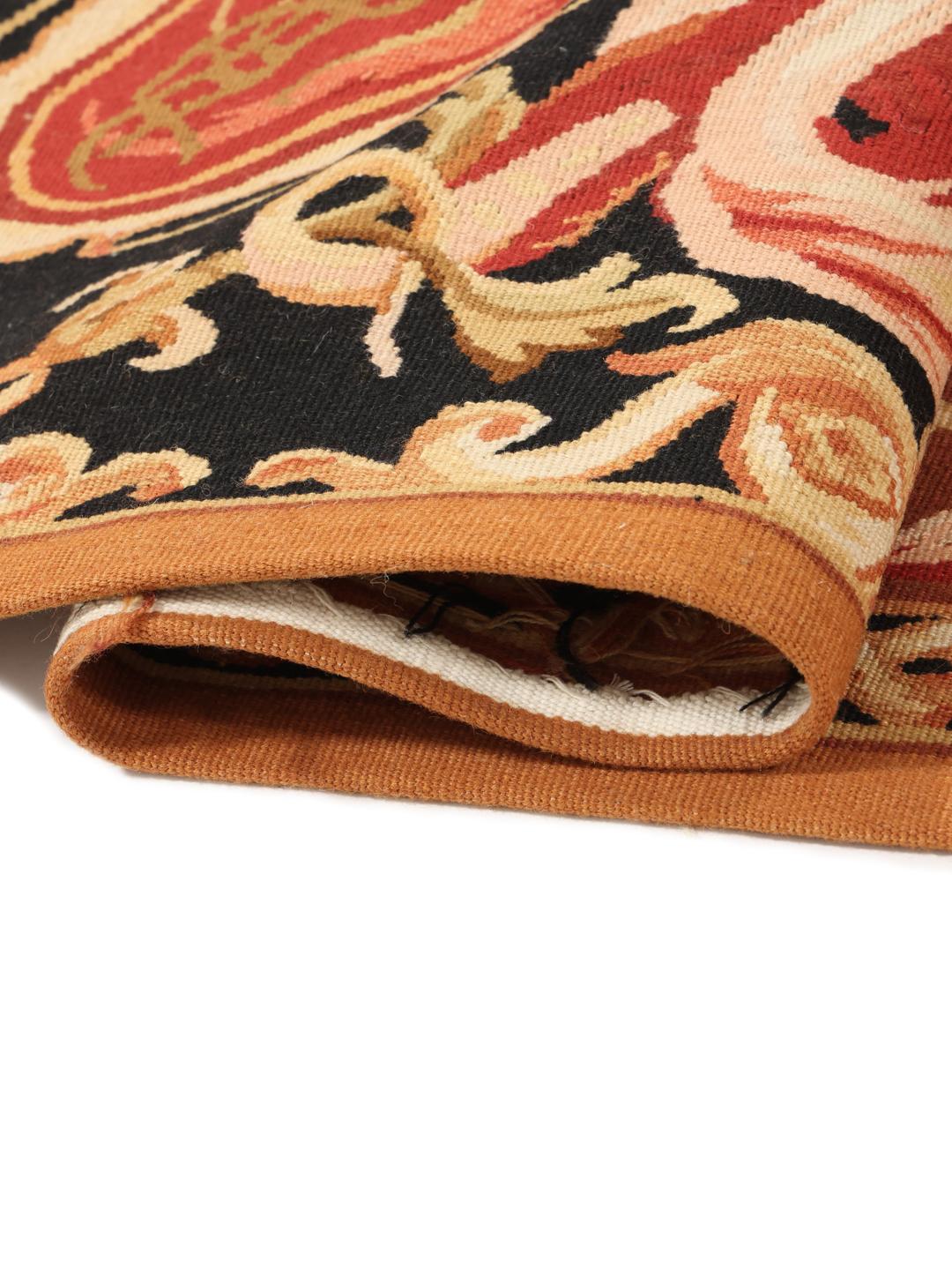
In the modern era, the tradition has evolved as skilled artisans in various regions, including China, have adopted these classical French techniques to produce exquisite, hand-woven pieces. This migration of craft allows the historic elegance of the Aubusson style to be reinterpreted using the same flat-weave precision that defined its early success, ensuring that the legacy of these intricate designs continues to be accessible to contemporary collectors.
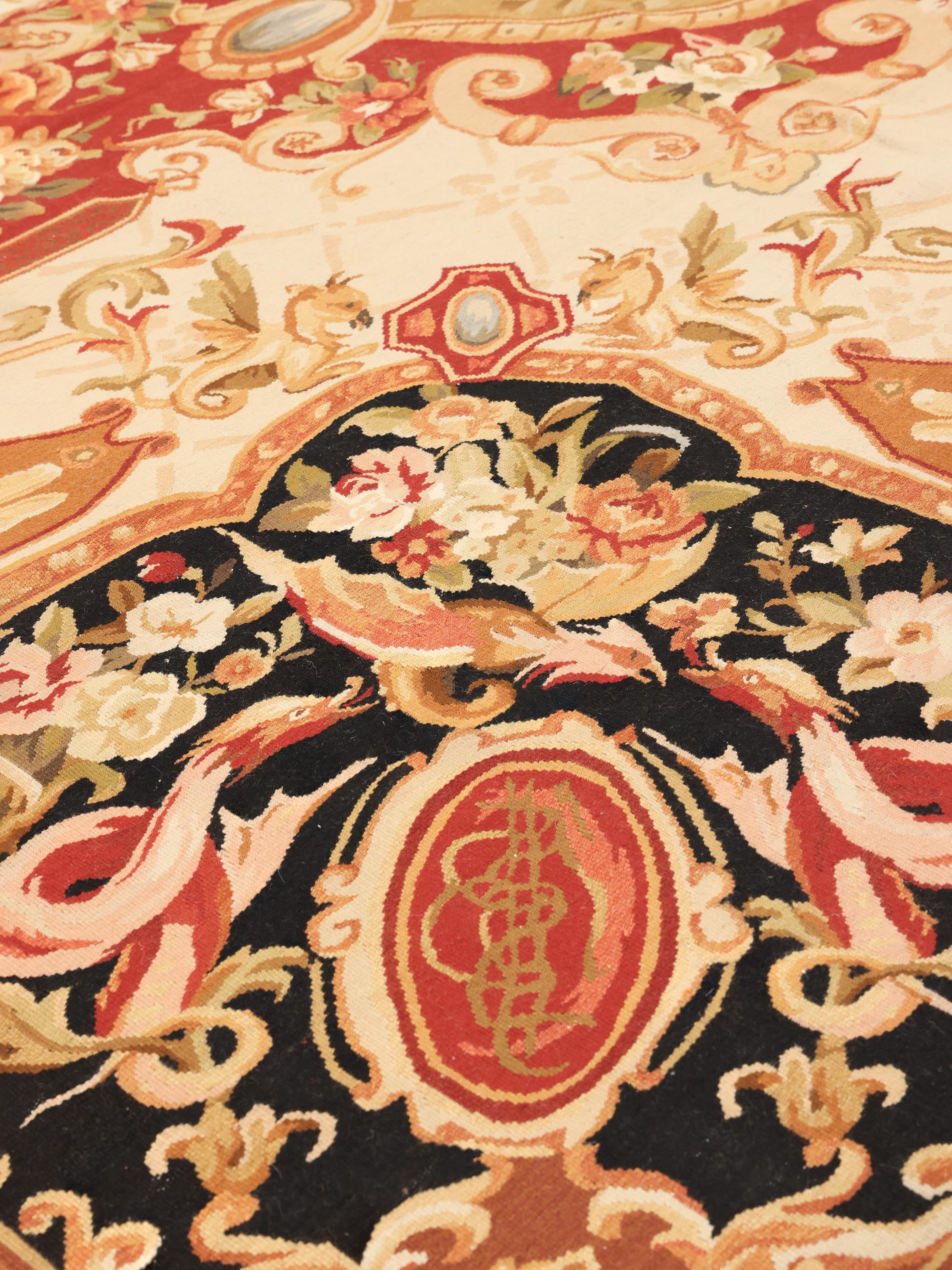
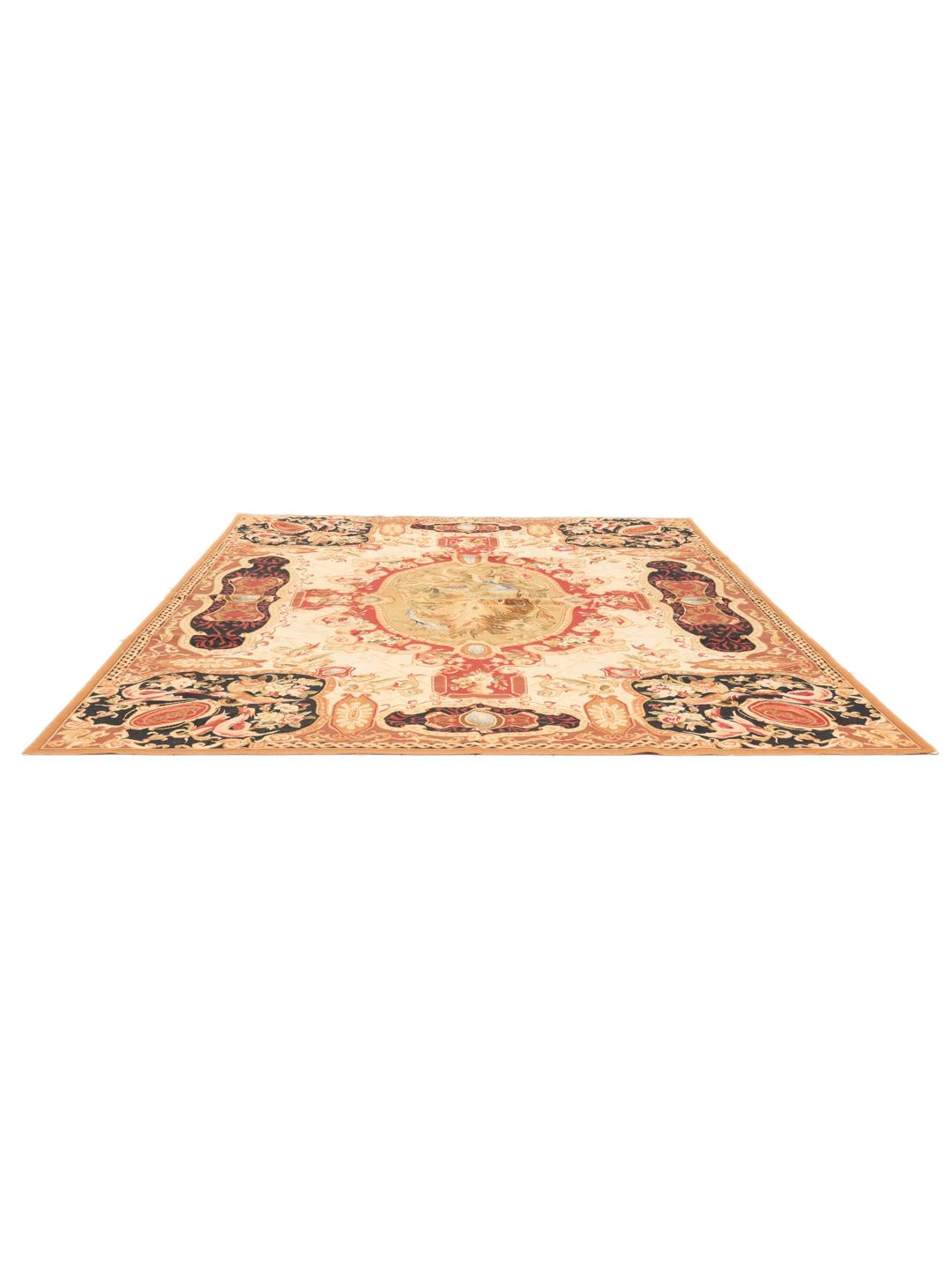
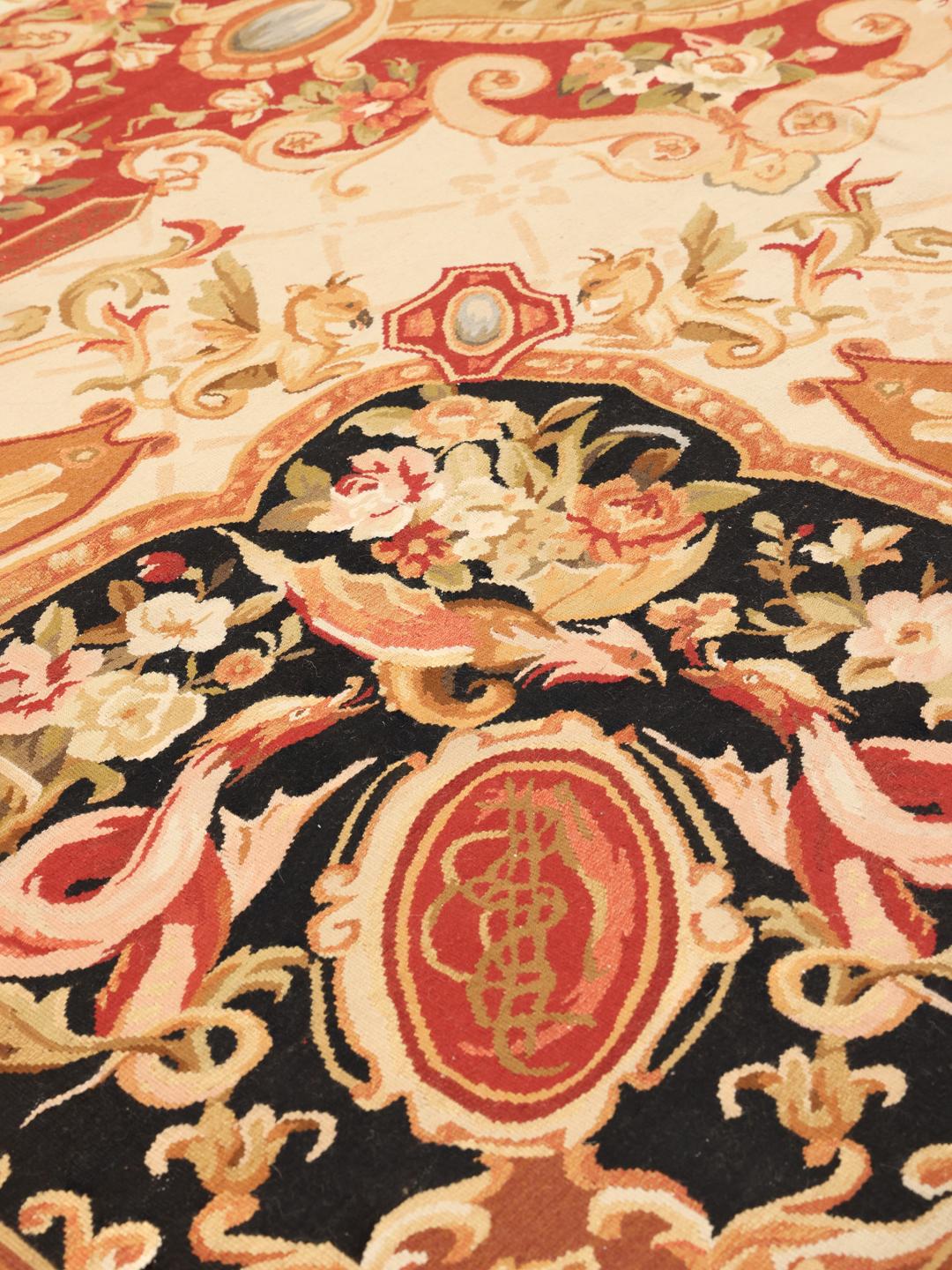
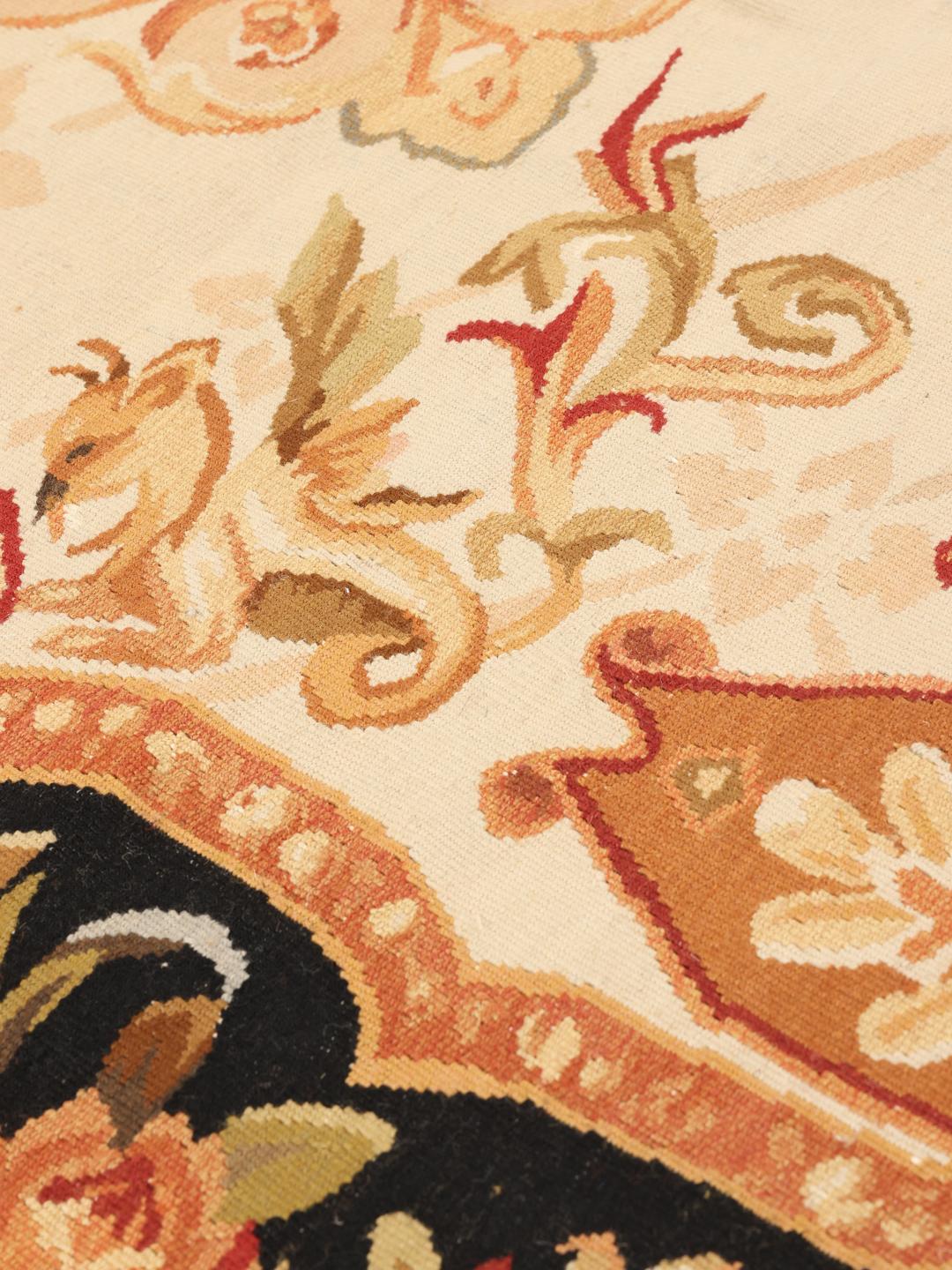
The signature design language of an Aubusson-style rug is defined by its ornate, balanced composition. You will typically find a central medallion or pictorial scene enclosed by elaborate borders and filled with scrolling acanthus leaves, garlands, and blooming flowers. The colour palettes are often harmonious, relying on a mix of soft pastels and deeper, dramatic tones to create depth and shadow, much like a traditional oil painting.
Collectors value these pieces for their historical significance and the immense skill required to translate complex imagery into a woven format. Owning an Aubusson-style rug is more than just adding a floor covering to a room; it is an investment in a storied craft tradition. It represents a connection to a centuries-old aesthetic that prioritises beauty, symmetry, and a level of artistry that celebrates human creativity.