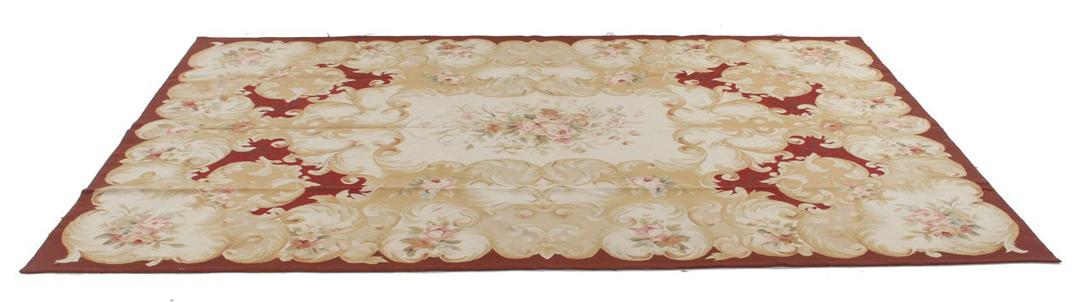
The Aubusson tradition traces its roots back to the French town of the same name, where for centuries artisans created flat-woven tapestries and rugs that adorned the grandest estates of Europe. While the style originated in France, the techniques and aesthetic principles have travelled globally, inspiring weavers in various regions to interpret these classic, formal designs with their own local expertise.
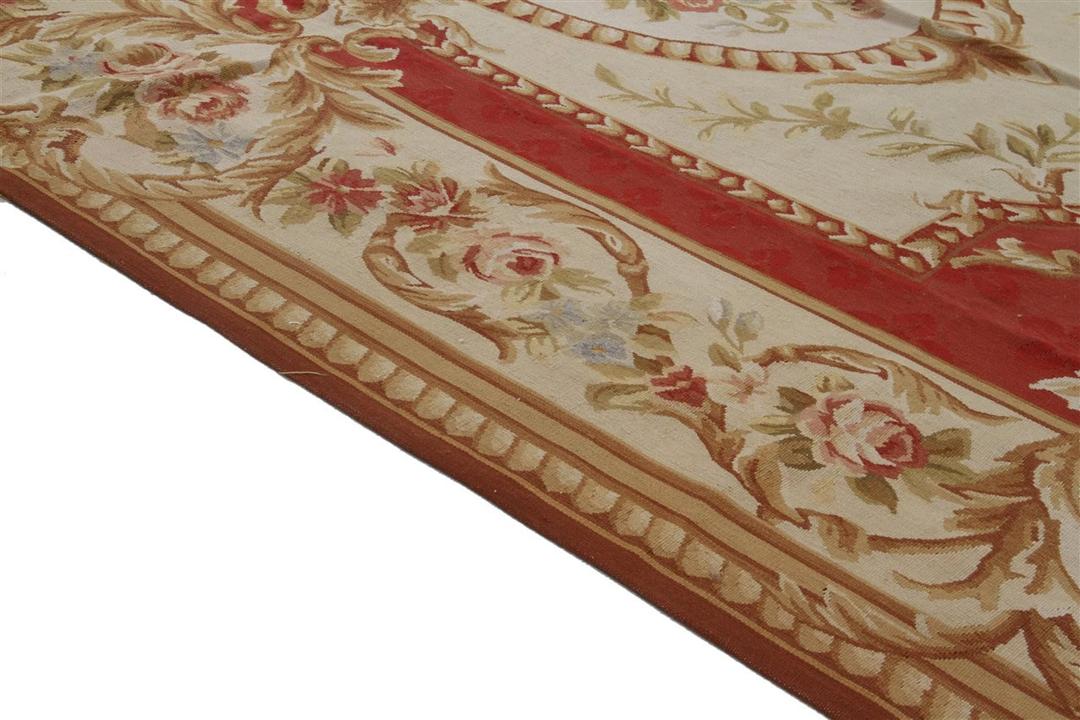
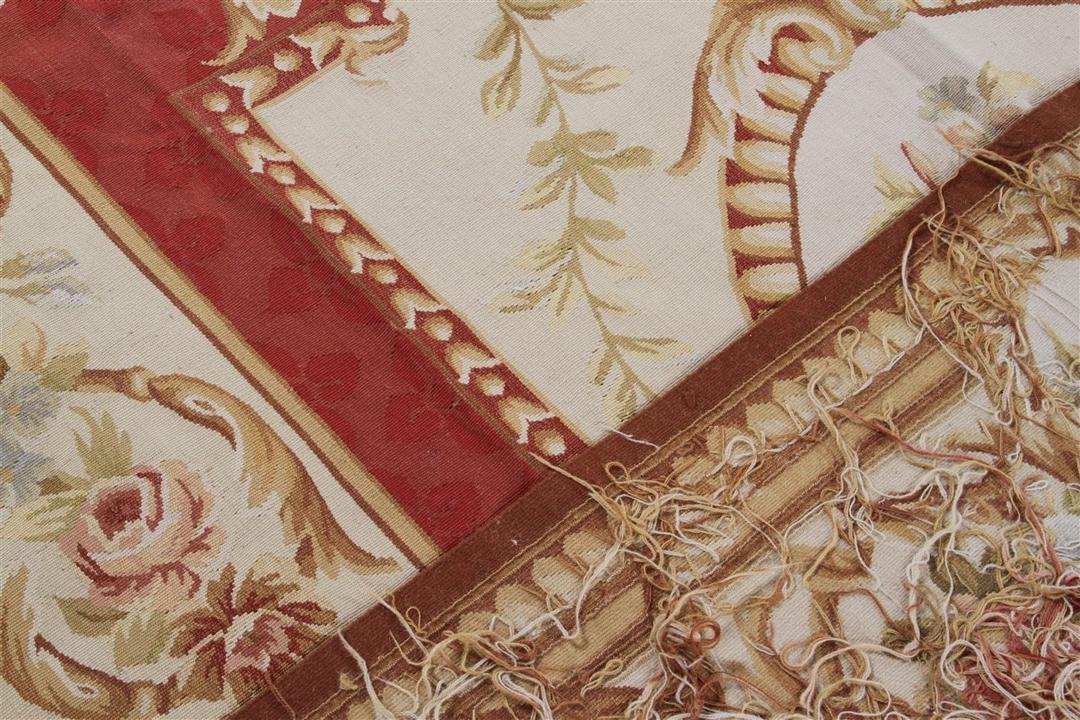
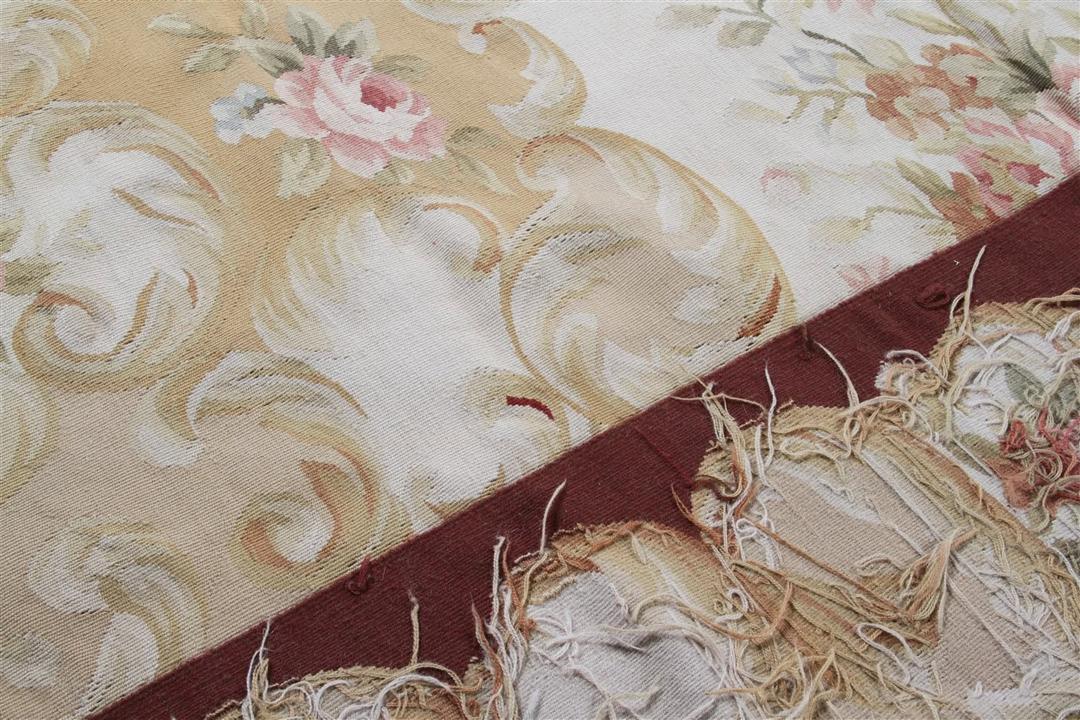
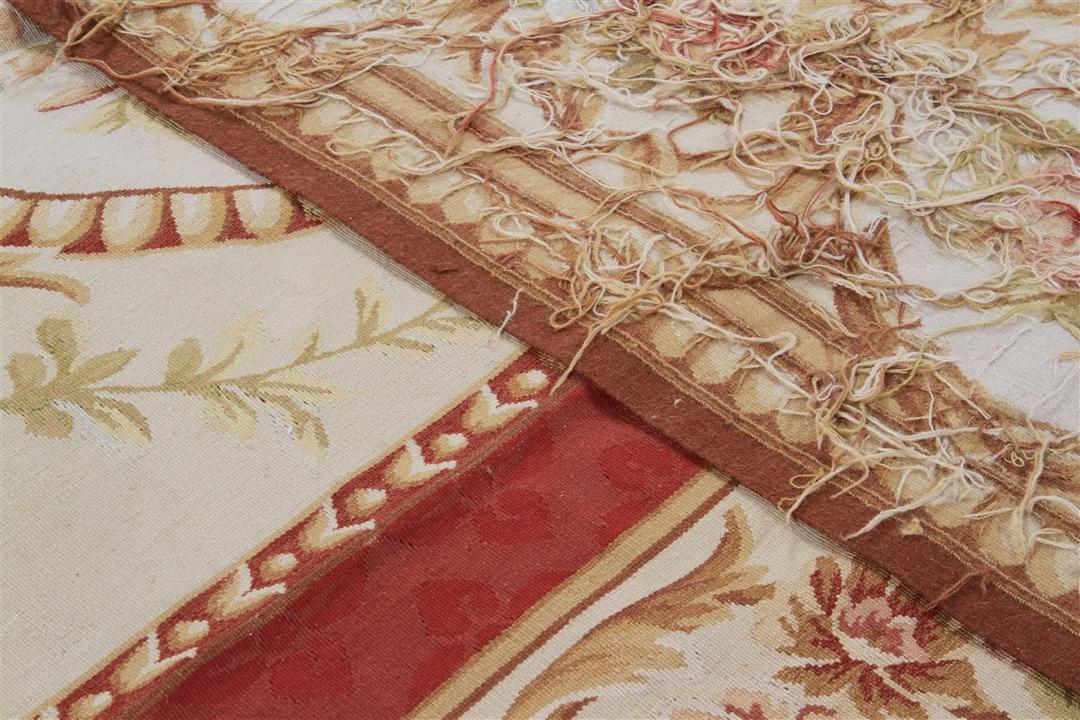
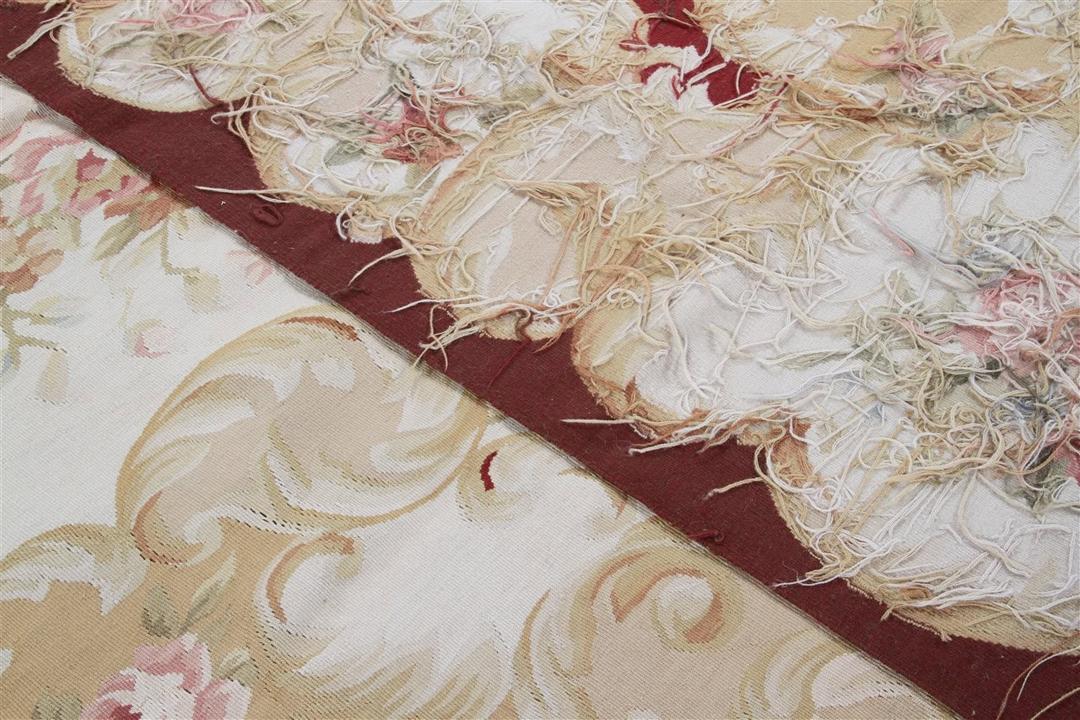
In the context of rug-making, these pieces are distinct from knotted varieties because they lack a pile. Instead, the design is created by interweaving the coloured threads into the foundation, a method that allows for a much thinner, more versatile finished product. This historical technique is valued for its ability to showcase intricate, painterly designs with great clarity, as the flat surface prevents the pattern from being obscured by depth.
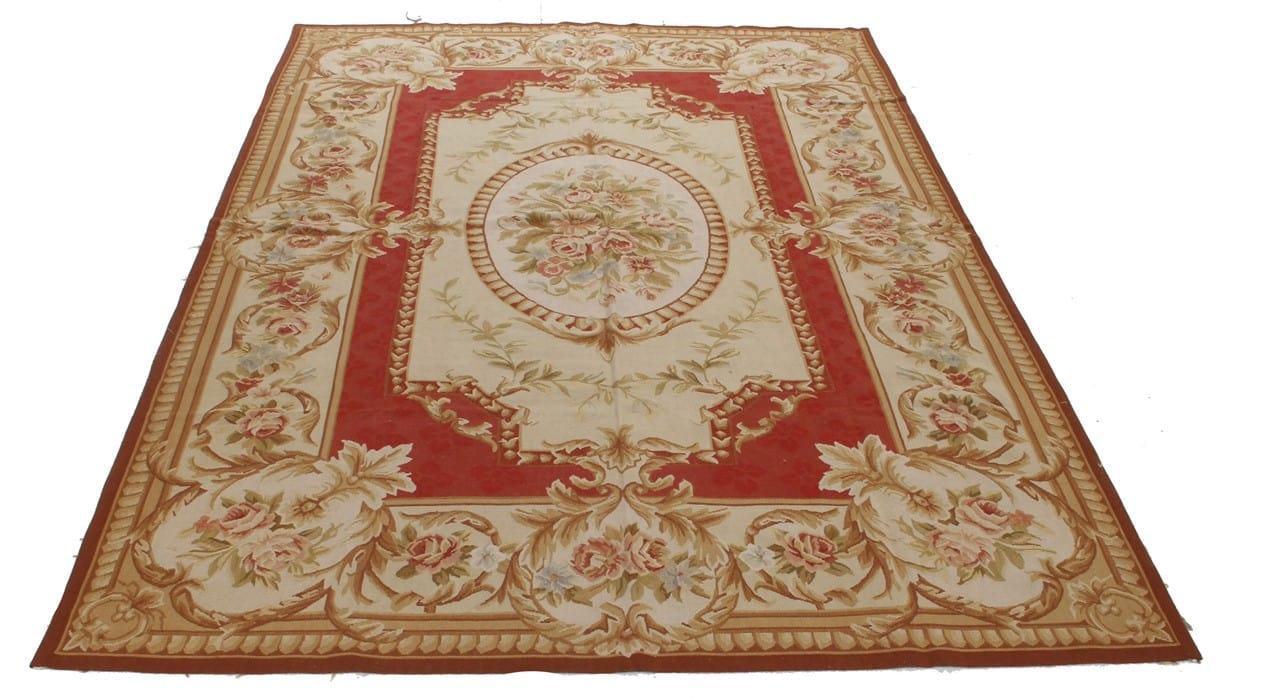
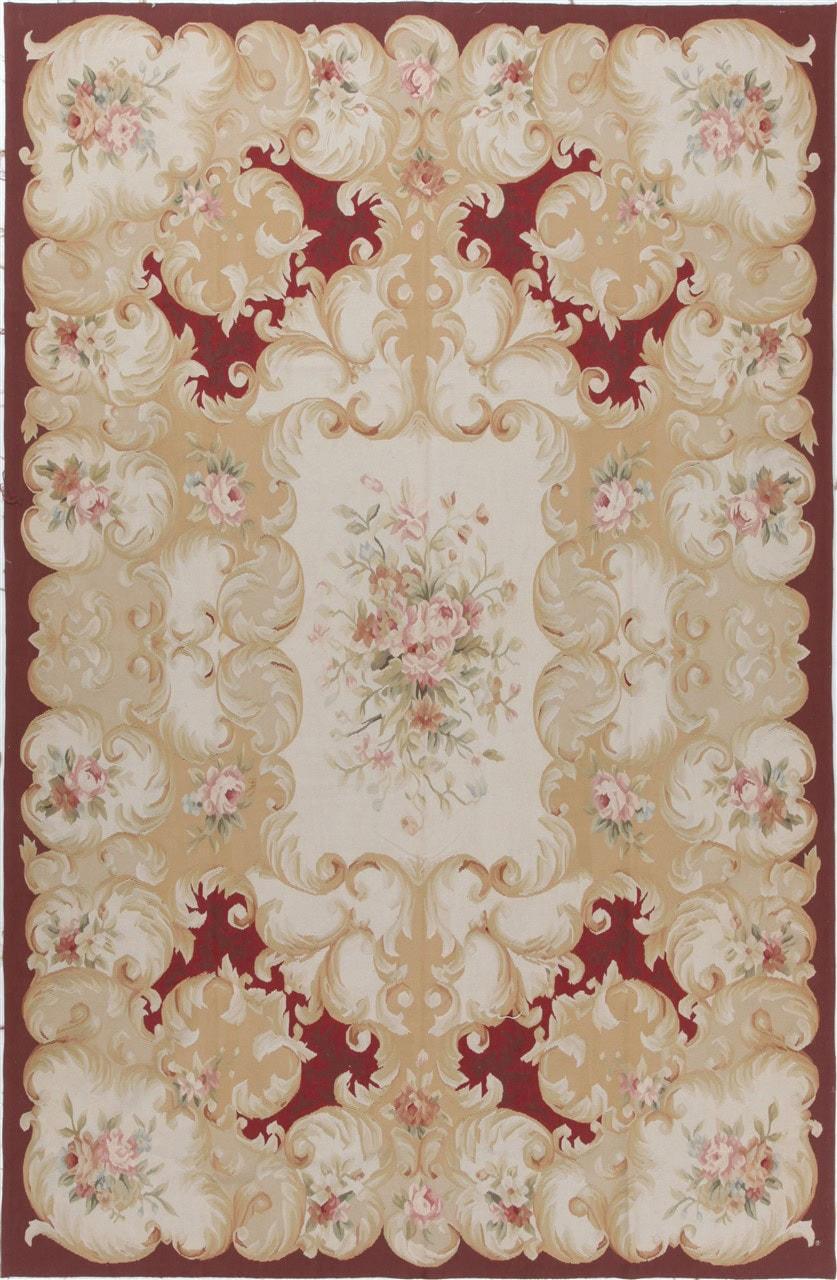
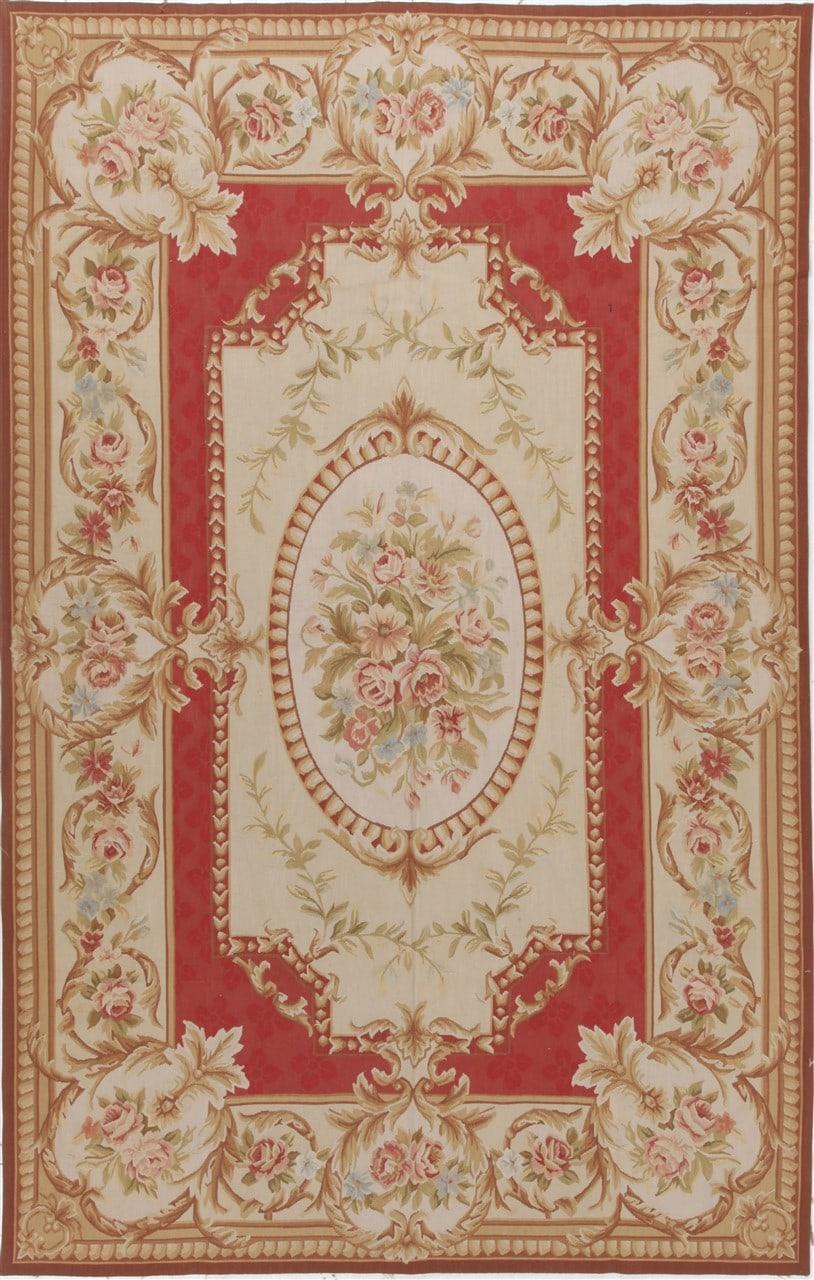
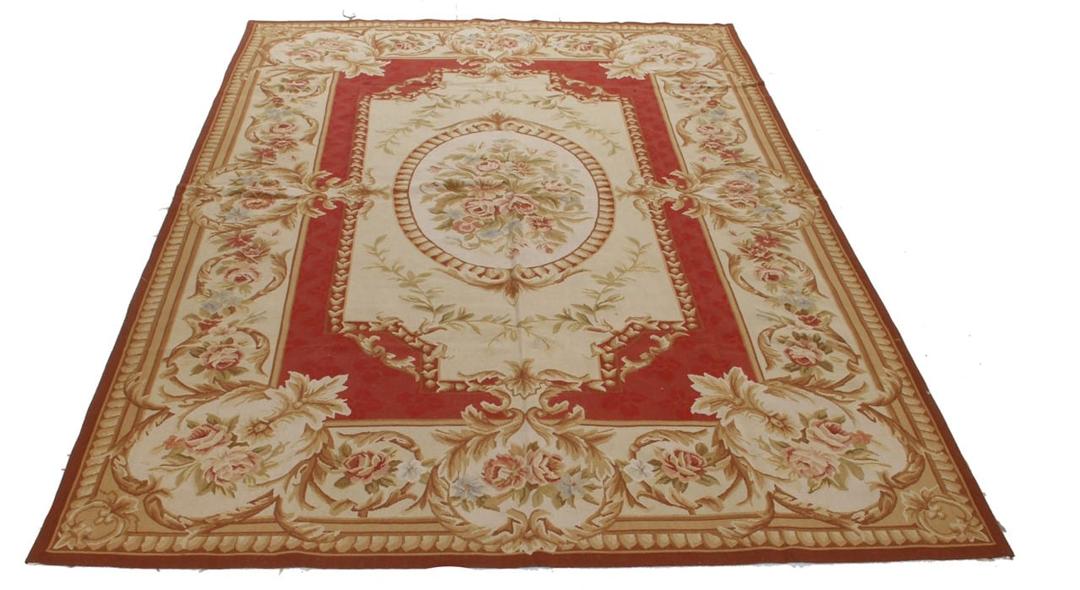
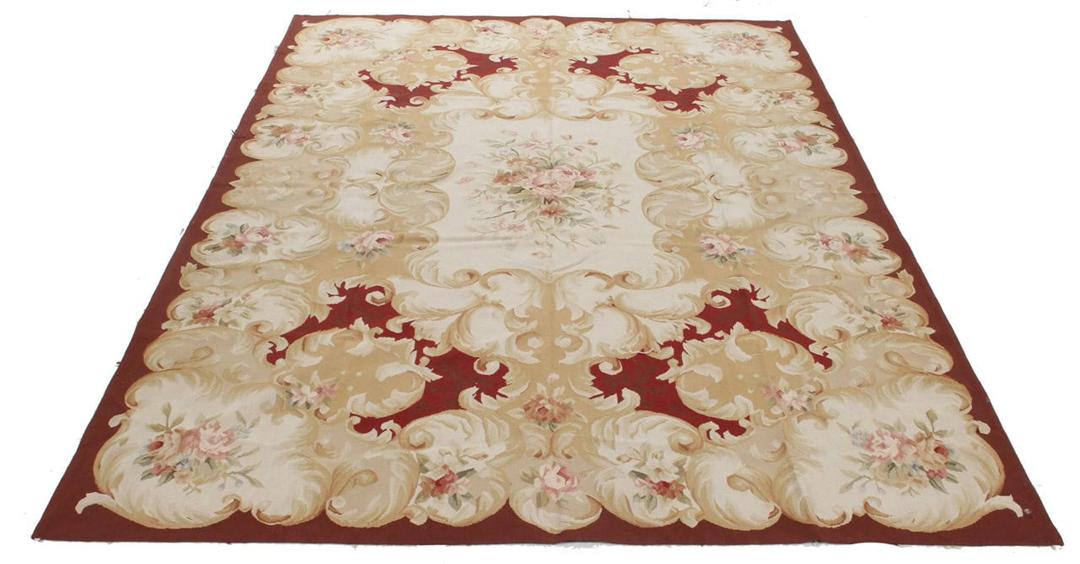
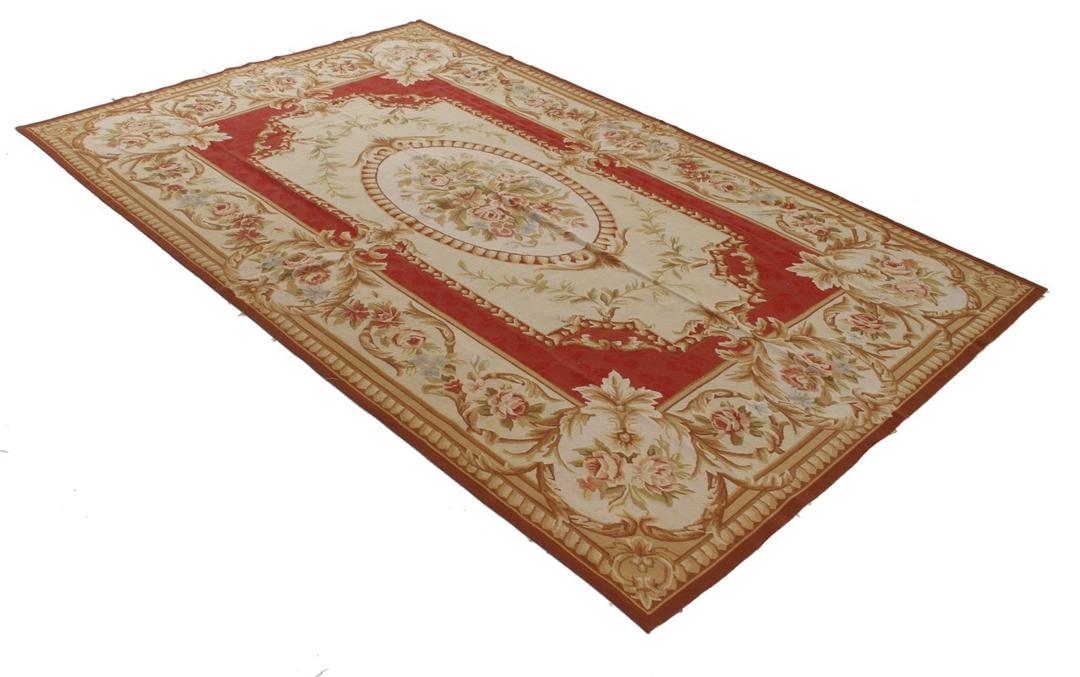
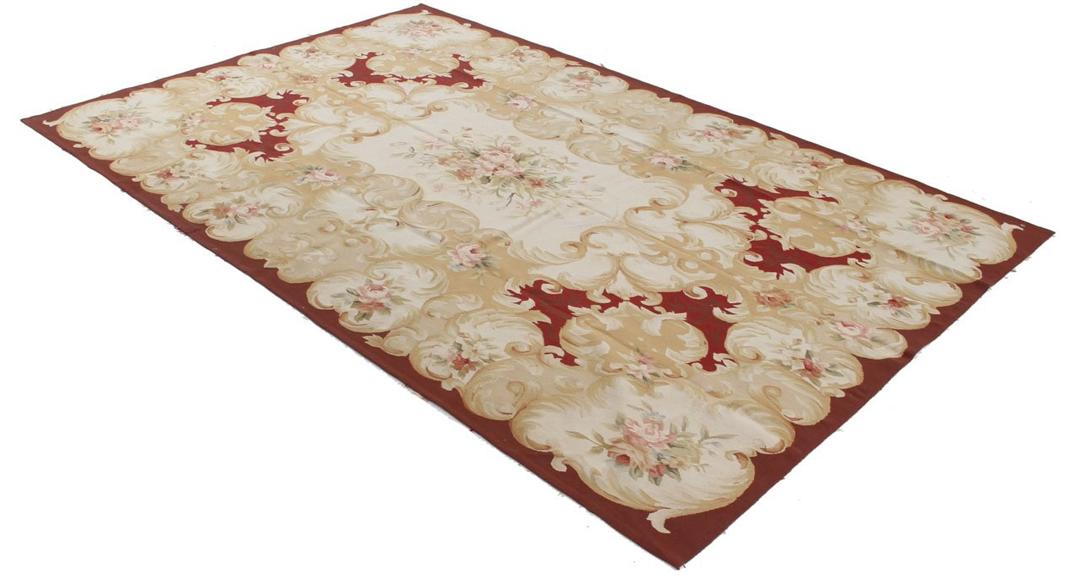
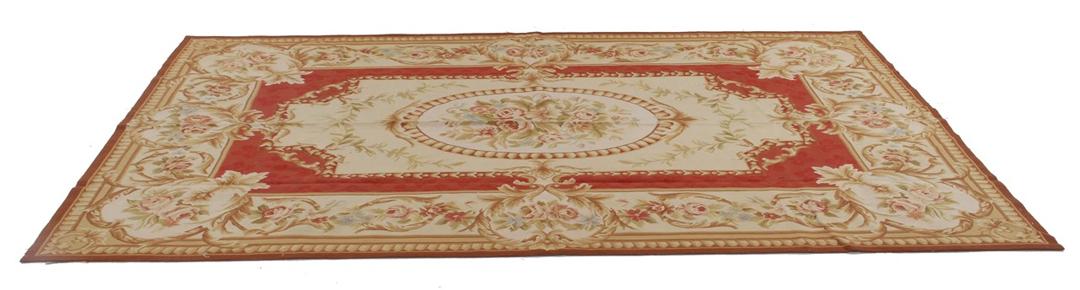
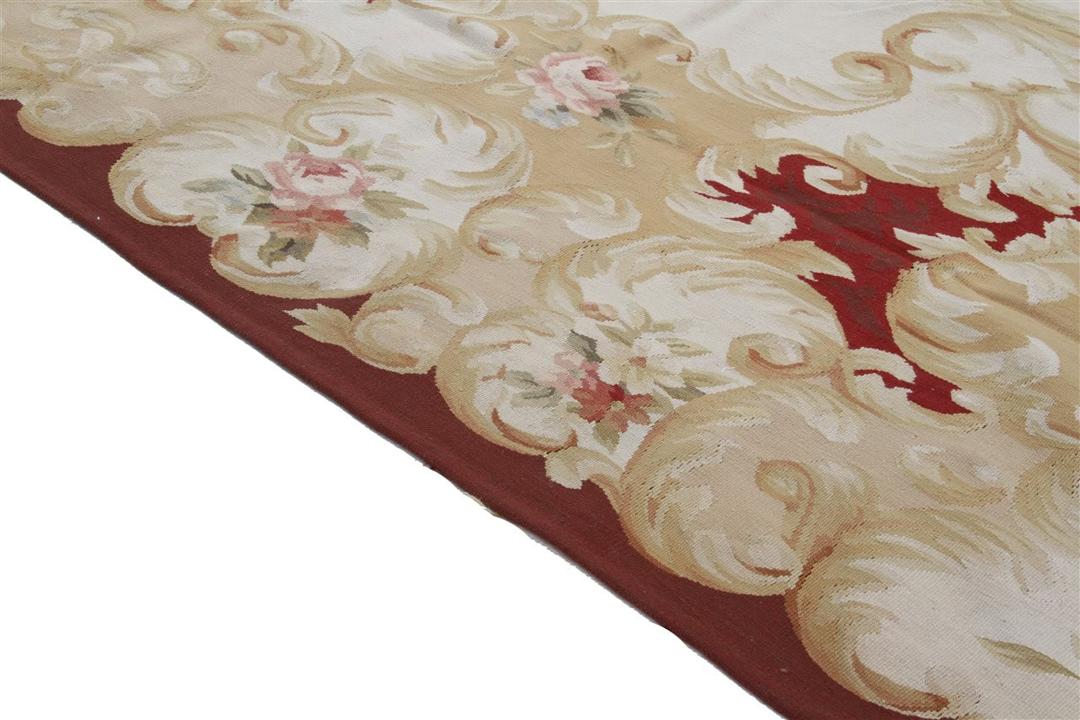
The signature design language of an Aubusson-style rug often features a central medallion, ornate floral garlands, and a wide, decorative border. These elements were historically inspired by the decorative arts of the 18th and 19th centuries, focusing on symmetry and balance. The use of soft, harmonious colours is a hallmark of this tradition, designed to create an air of understated luxury and refinement.
Today, these rugs are highly sought after by collectors who appreciate the blend of historical influence and manual skill. Owning an Aubusson-style piece is a way to connect with a long heritage of textile art, representing a commitment to craftsmanship that values the human hand over the efficiency of the machine.