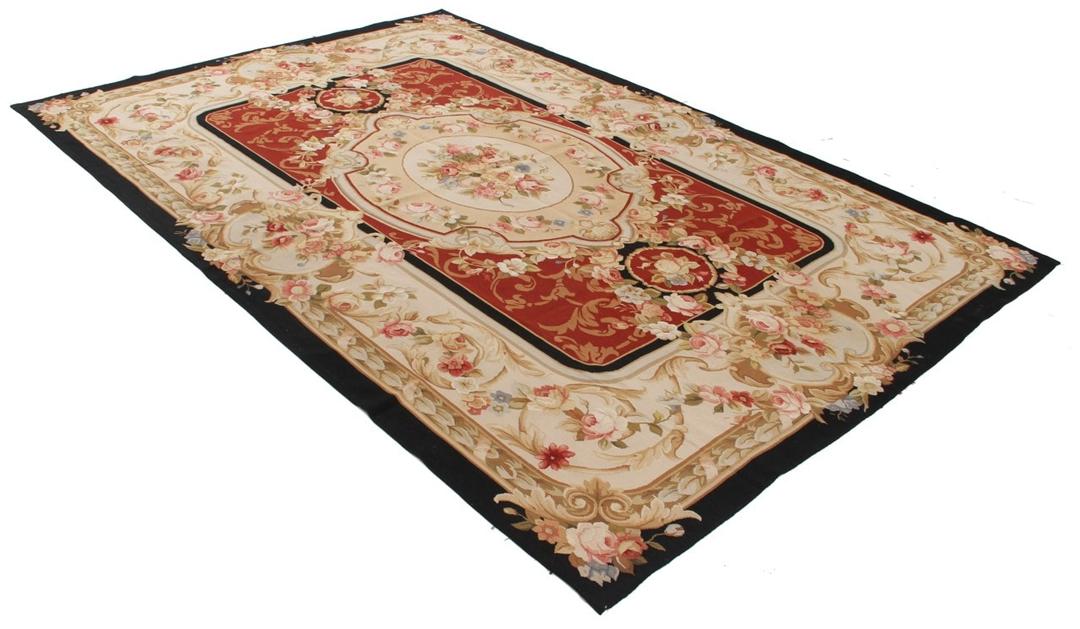
The Aubusson tradition traces its roots back to the 17th century in the French town of Aubusson, where artisans first began creating flat-woven tapestries that were later adapted into floor coverings. These rugs were originally commissioned by French royalty and the aristocracy, known for their neoclassical designs and romantic floral arrangements.
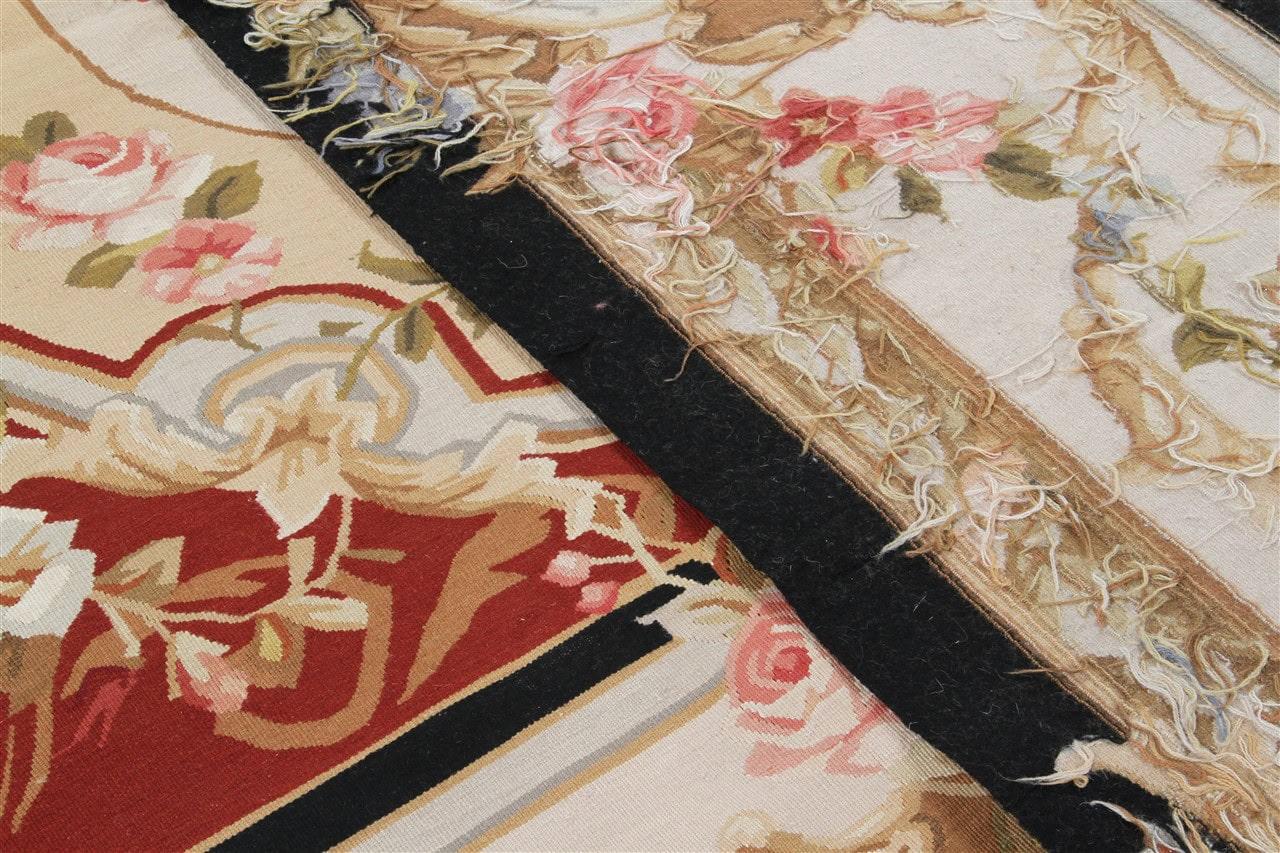
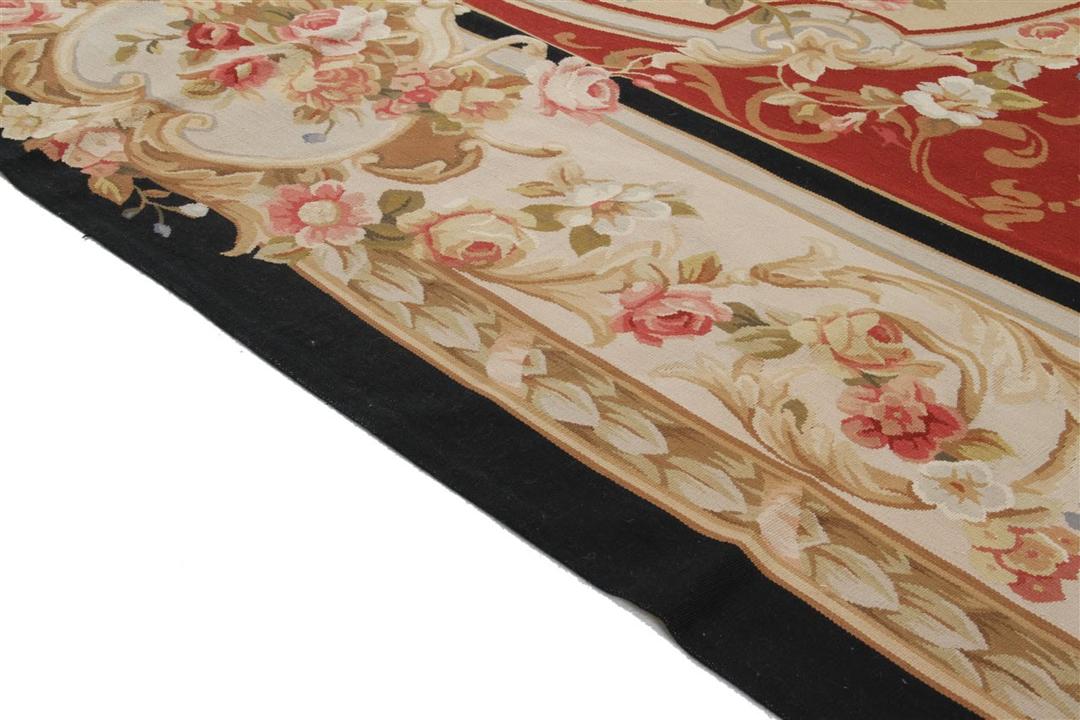
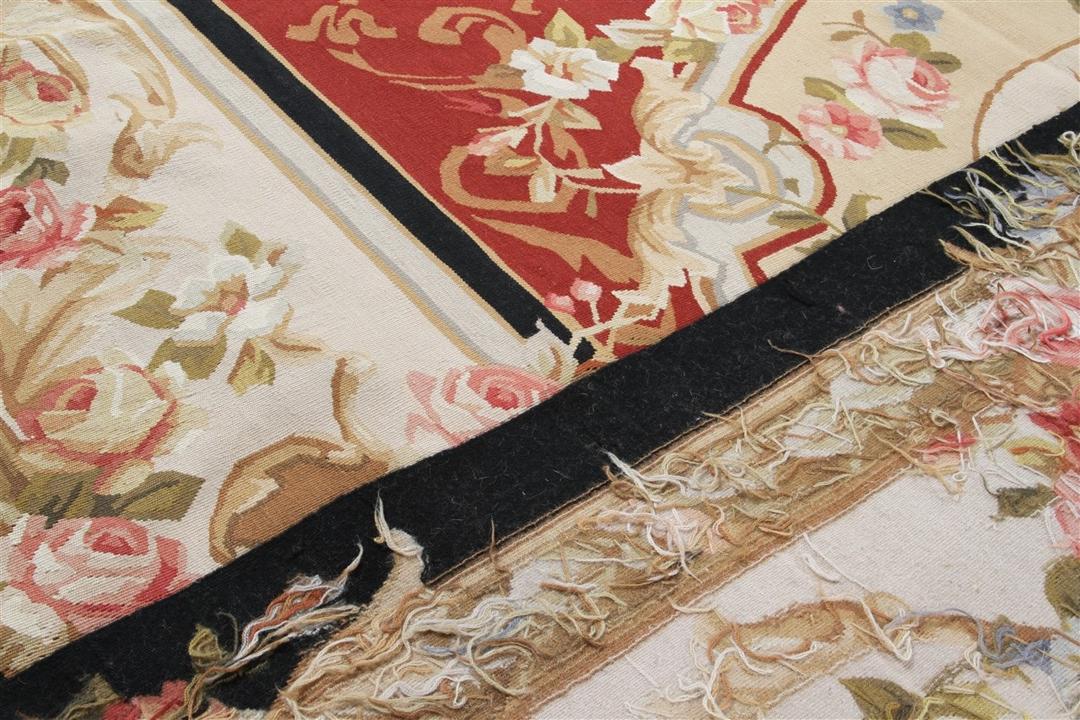
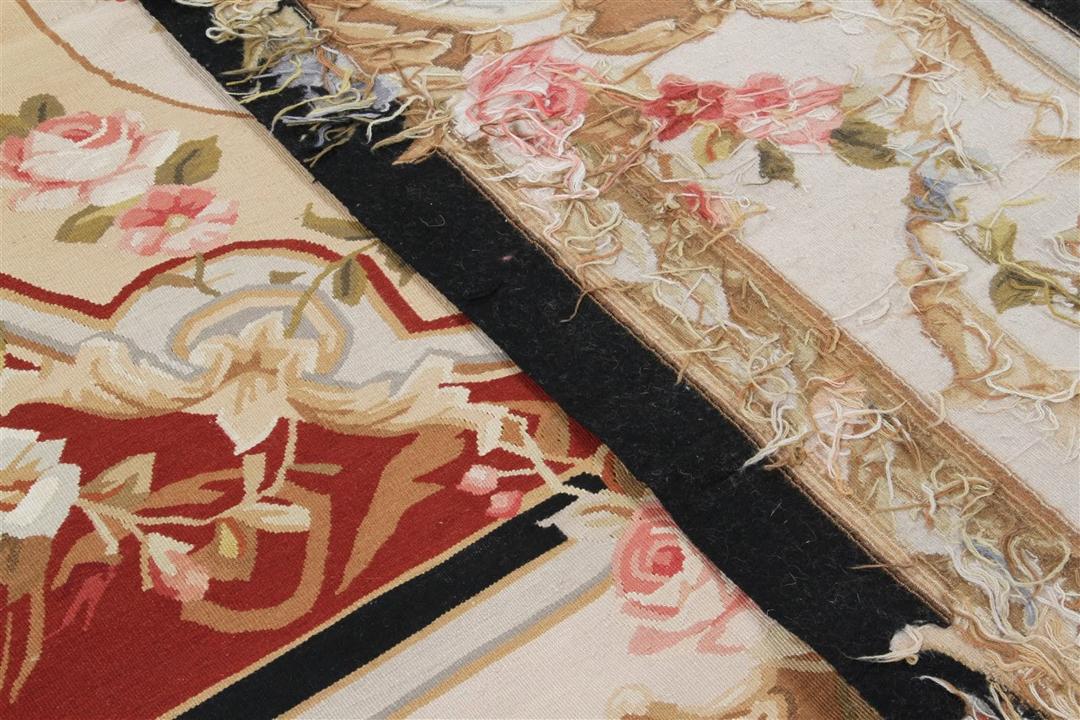
The term 'tappissere' refers to the tapestry-like, flat-weave construction that defines this style. Unlike pile rugs, these pieces are woven on vertical looms without knots, creating a smooth, light, and highly detailed surface. This technique allows for the intricate, painterly designs that have become the hallmark of the Aubusson aesthetic.
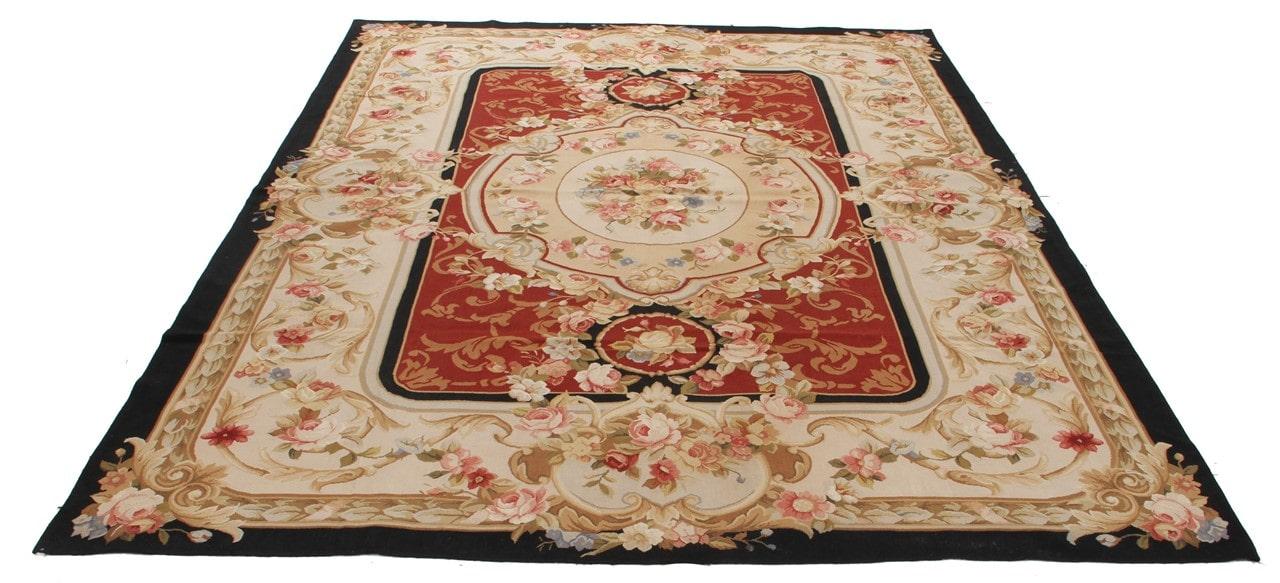
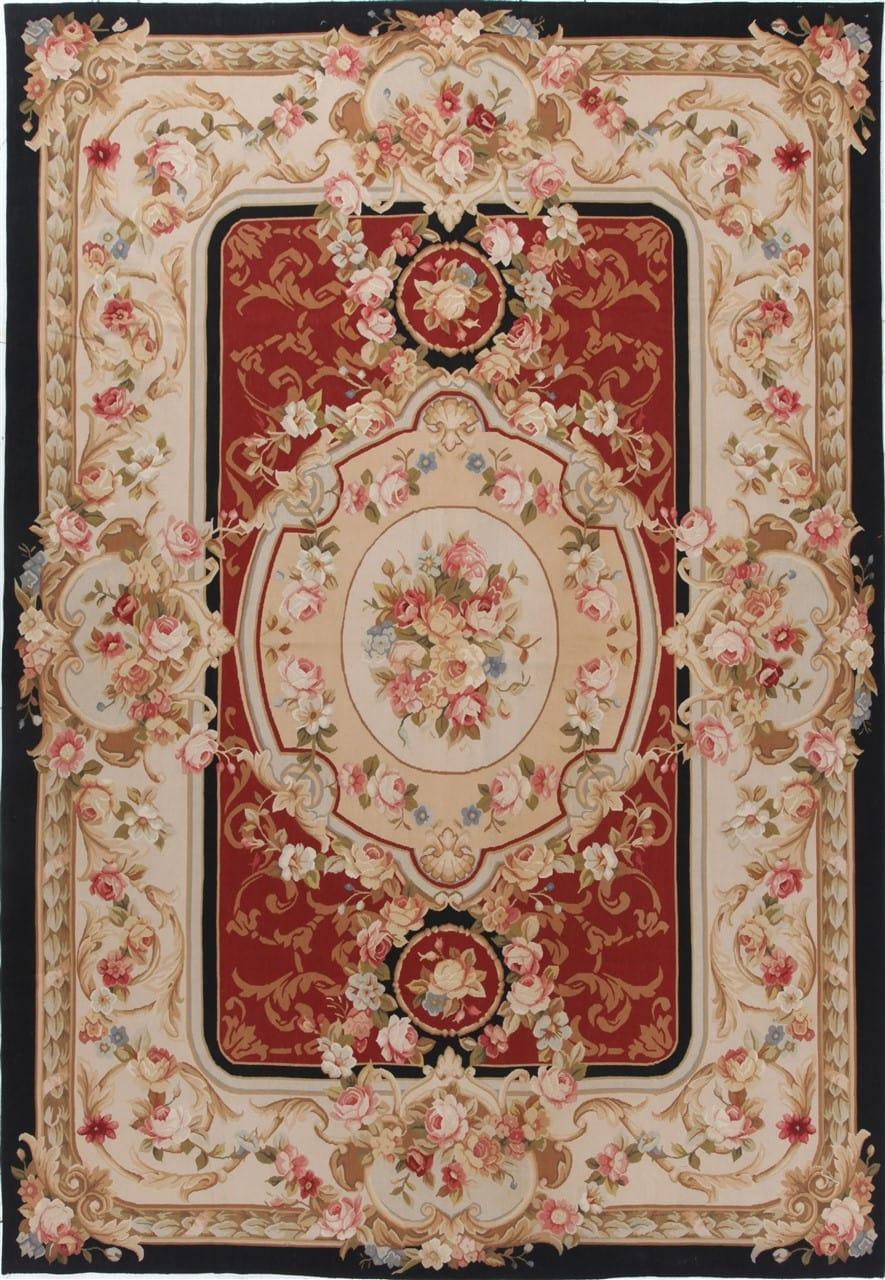
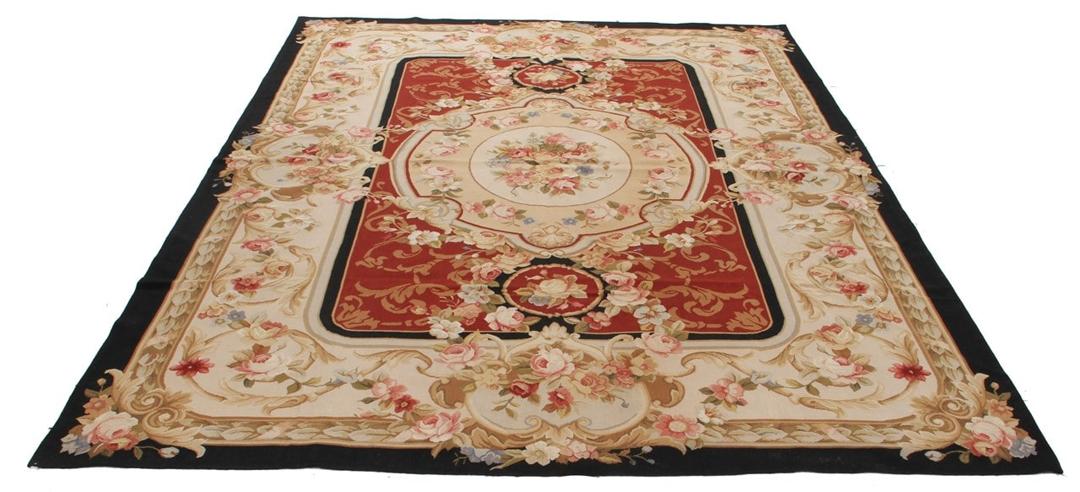
Signature design elements of this tradition include elaborate central medallions, scrolling acanthus leaves, and dense sprays of roses and other blossoms. The colour palette typically features soft, natural tones, though it is common to see dramatic borders in black or deep red to frame the delicate floral motifs, providing a sense of grandeur and balance.
Owning an Aubusson-style rug is an invitation to celebrate centuries of artistic evolution. Valued by collectors for their elegance and historical resonance, these pieces represent a bridge between textile art and interior design. They remain a symbol of refined taste, bringing a sense of cultural weight and heritage to modern living spaces.