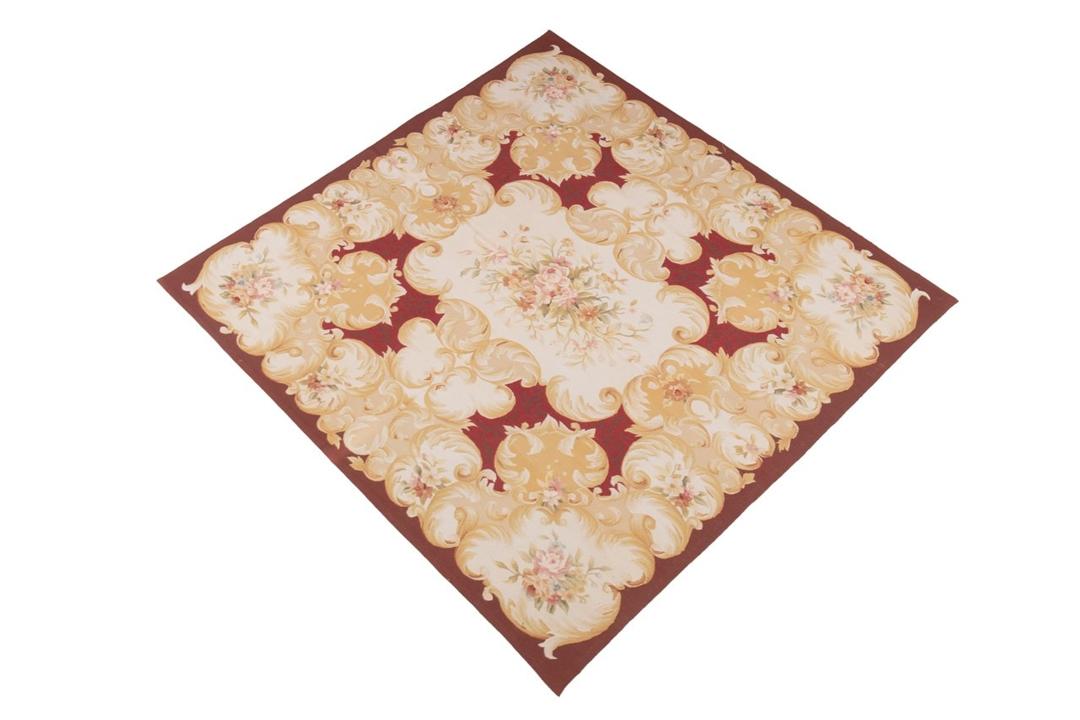
The Aubusson tradition traces its roots back to the town of Aubusson in central France, where the craft of weaving fine textiles reached its peak in the 17th and 18th centuries. Originally famous for their tapestries, the weavers of this region later turned their expertise toward floor coverings that mimicked the elegance of the wall hangings, often featuring ornate floral medallions and architectural borders.
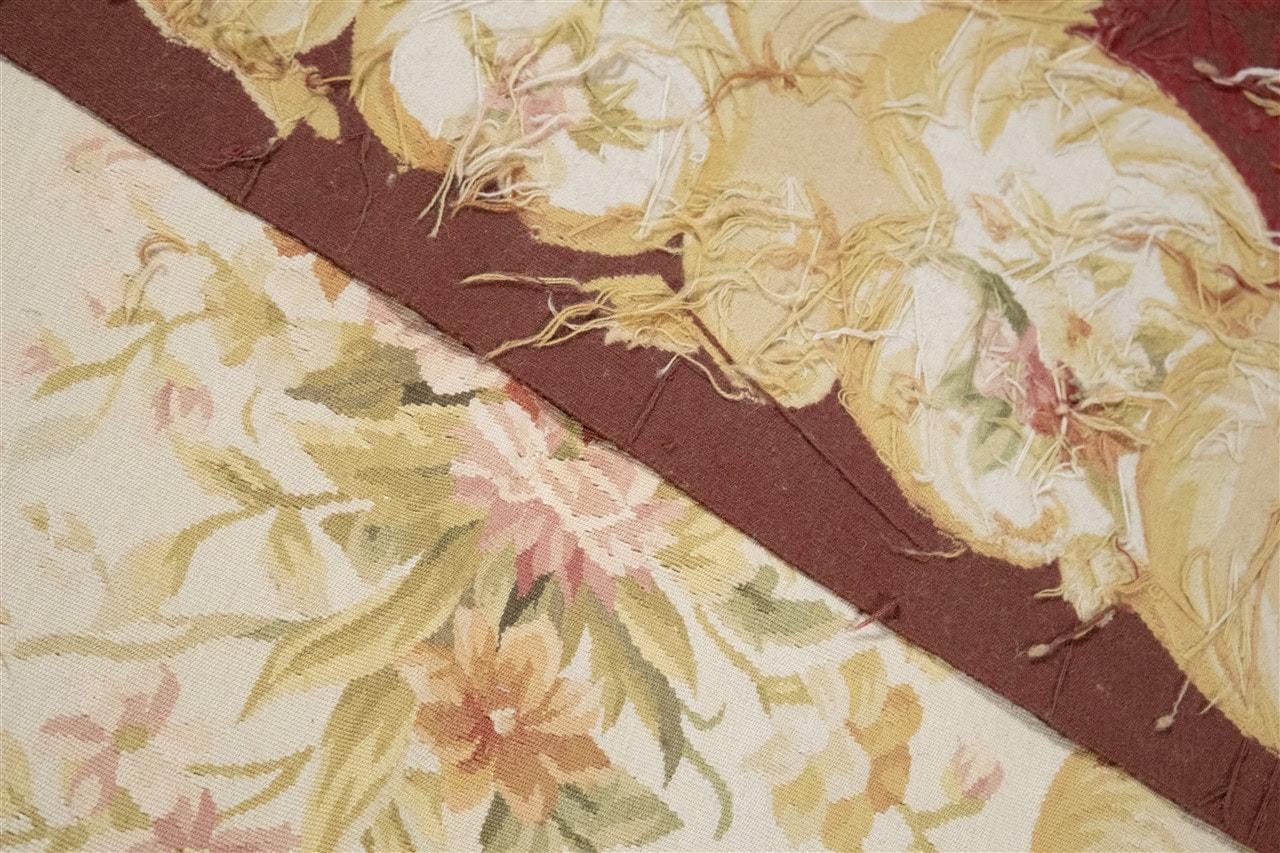
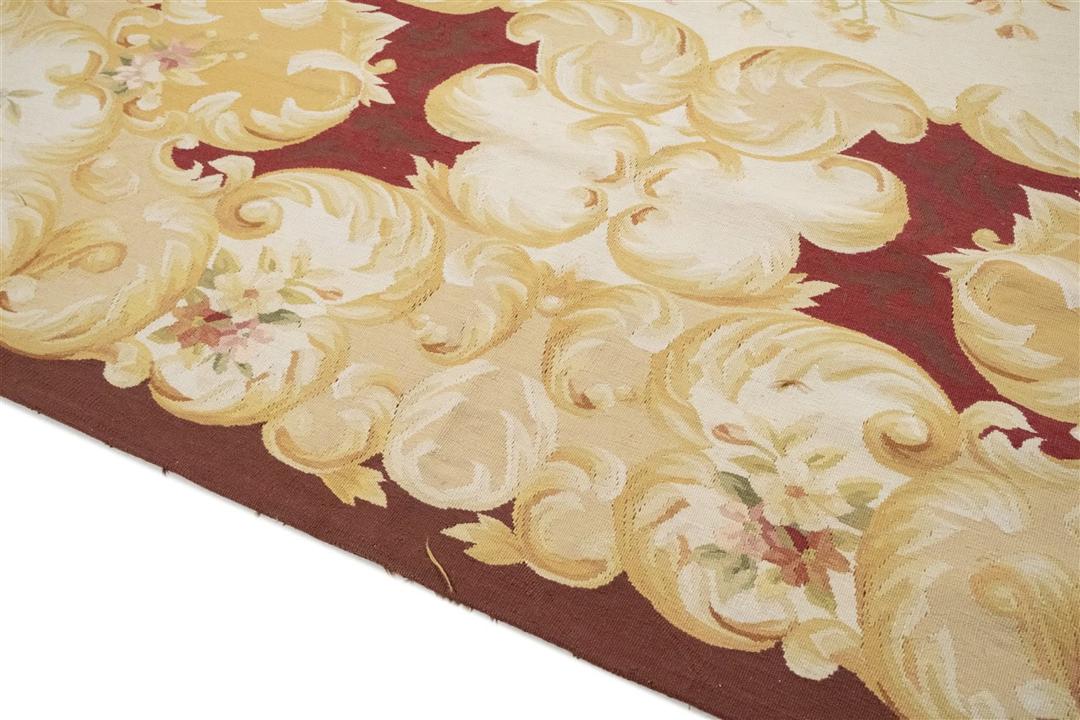
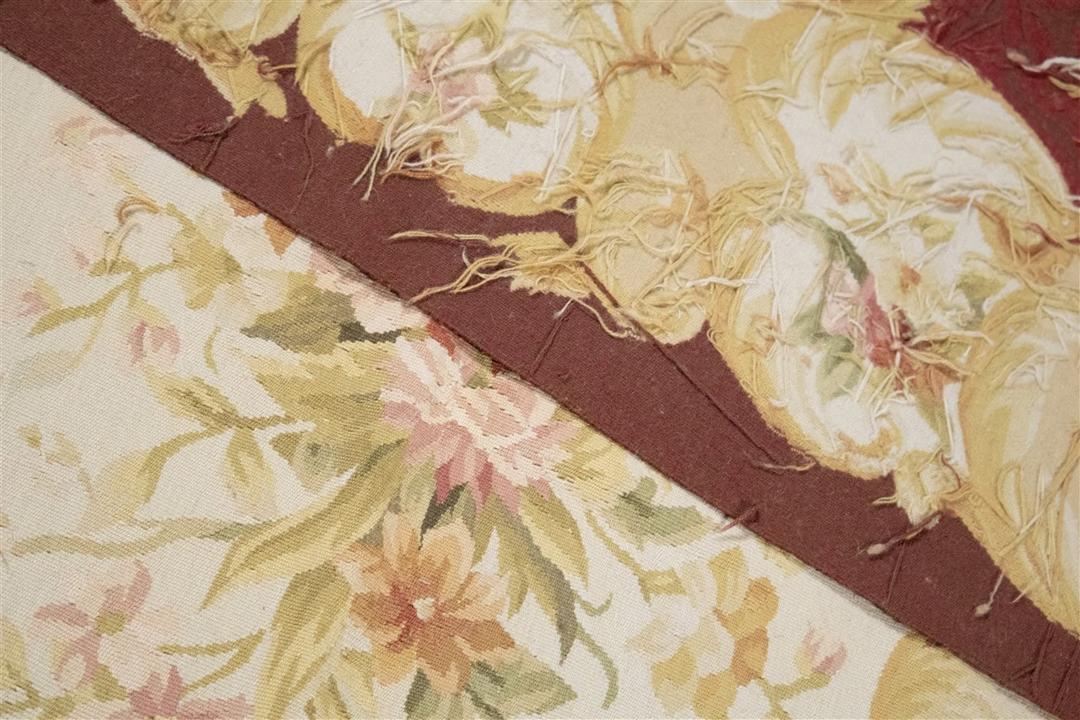
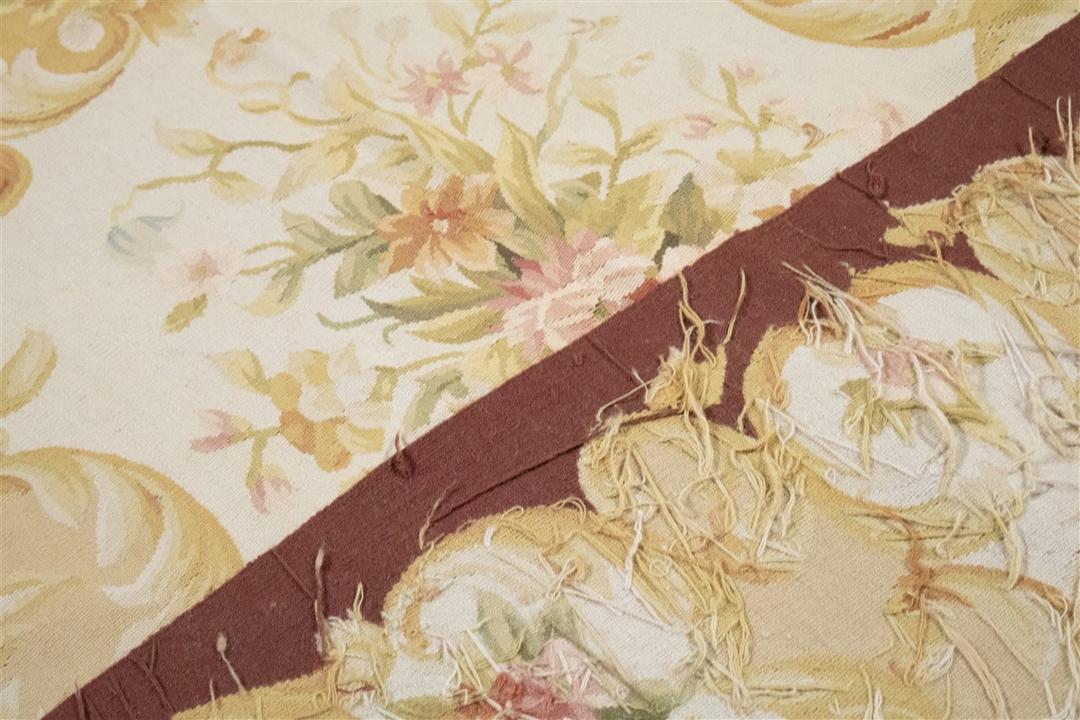
In the context of rug craft, the term Aubusson refers to a specific flat-weave technique that results in a smooth, tapestry-like surface. Unlike traditional pile rugs, these pieces are woven without a raised surface, allowing for incredibly intricate and painterly designs. This construction is highly valued for its ability to showcase complex patterns with a clarity that is often lost in deeper pile rugs.
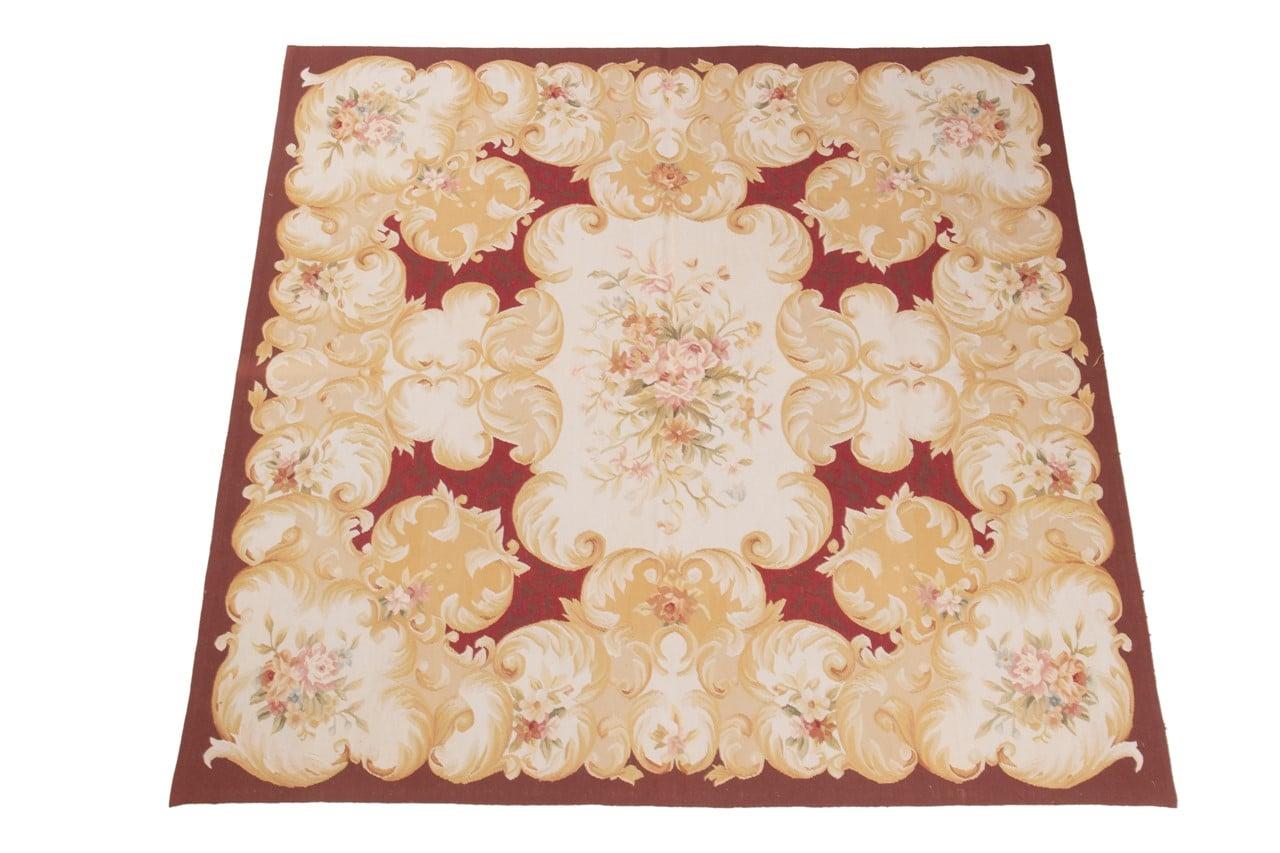
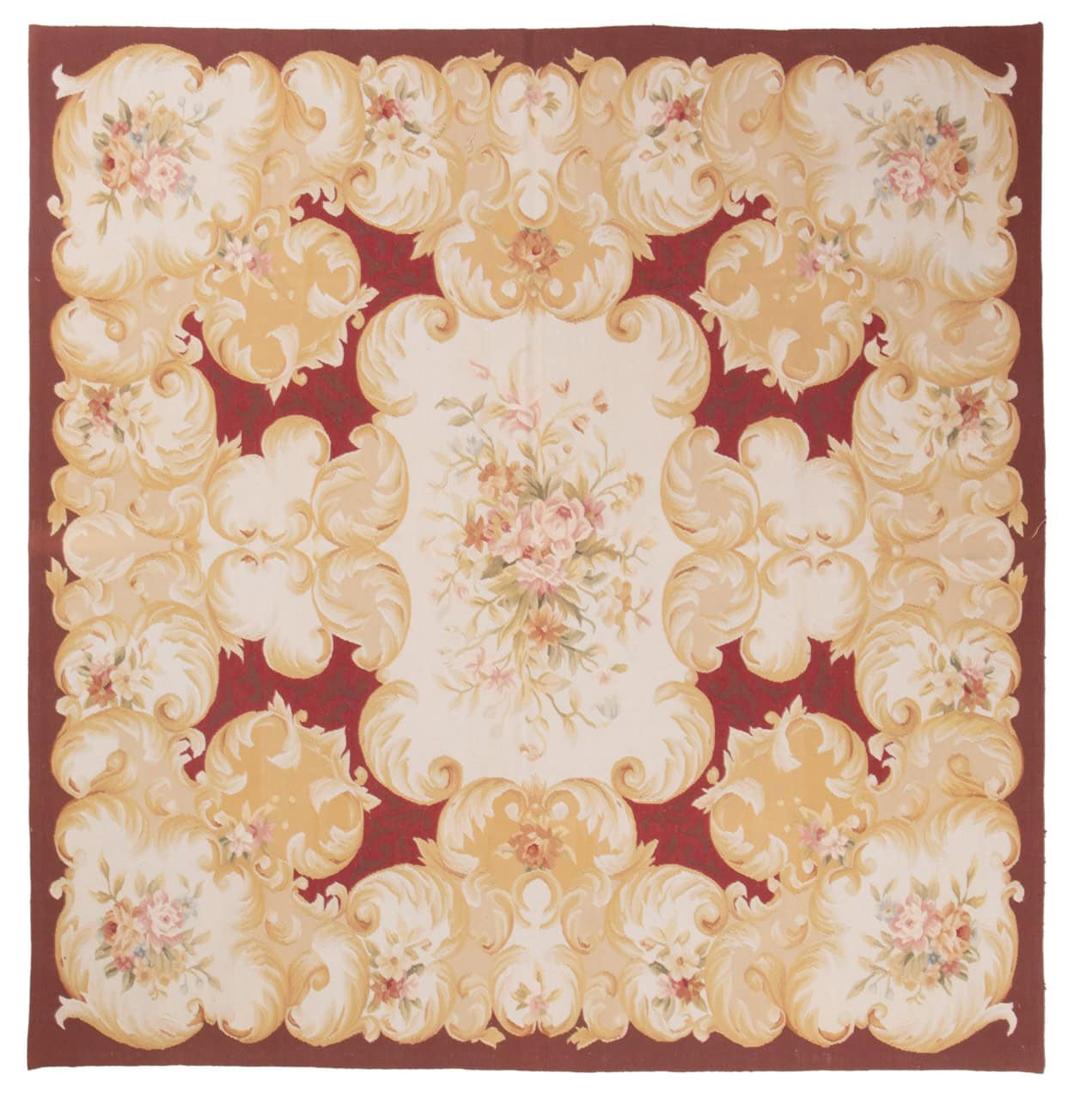
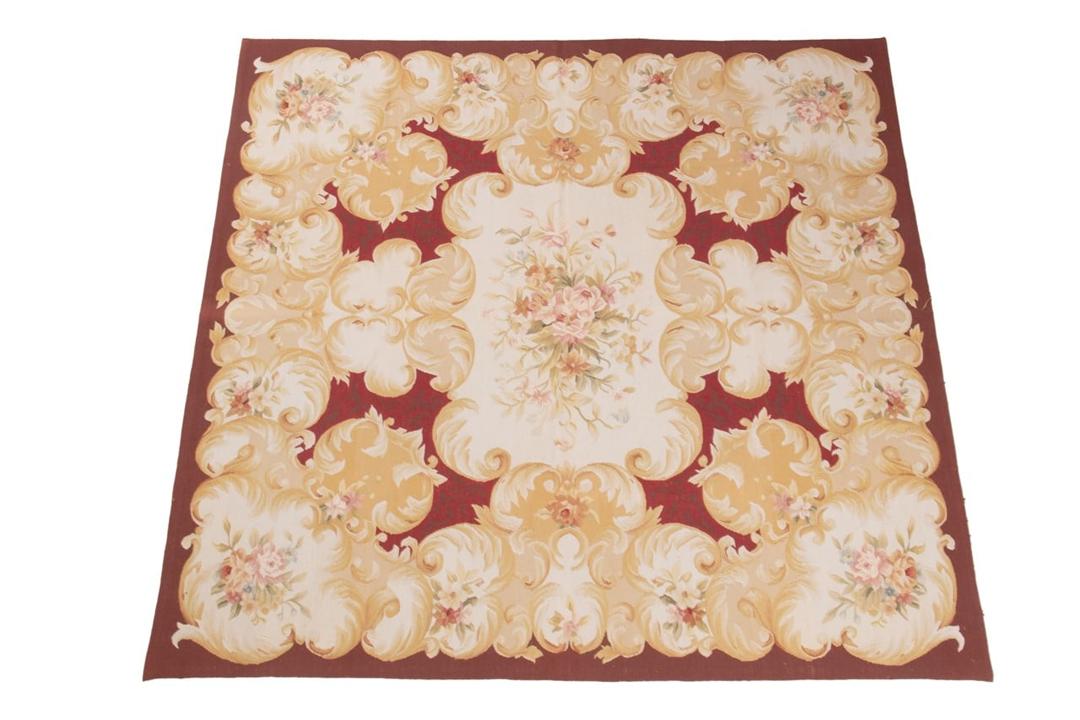
The design language of this rug is deeply rooted in the neoclassical and baroque influences typical of the original French workshops. You will notice the signature use of central floral bouquets, scrolling acanthus leaves, and formal borders that frame the composition. These elements were designed to complement the sophisticated interior architecture of the era, creating a sense of balance and harmony.
Today, rugs created in this style are cherished by collectors for their historical connection to European luxury. Owning an Aubusson-style piece is a celebration of a storied design language that has transcended its French origins to become a global standard for decorative elegance. It is a choice that honours the heritage of fine weaving while bringing a sense of timeless, curated beauty to a modern home.