The Aubusson style finds its roots in the 17th-century French town of the same name, where weavers were commissioned to produce elaborate tapestries and rugs for the royal court. These designs were characterised by their light, airy floral patterns and neoclassical motifs, reflecting the opulence of the French aristocracy. While the tradition began in Europe, the techniques and aesthetic sensibilities have since spread globally, influencing weavers across the world.
The term 'kilim' refers to a flat-woven rug that lacks a pile, a technique that has been used for centuries across the Middle East and Central Asia. By omitting the knotted pile, weavers create a thinner, more versatile fabric that is prized for its portability and intricate pattern work. This specific piece marries the French-inspired Aubusson aesthetic with the structural integrity of the traditional kilim weave.
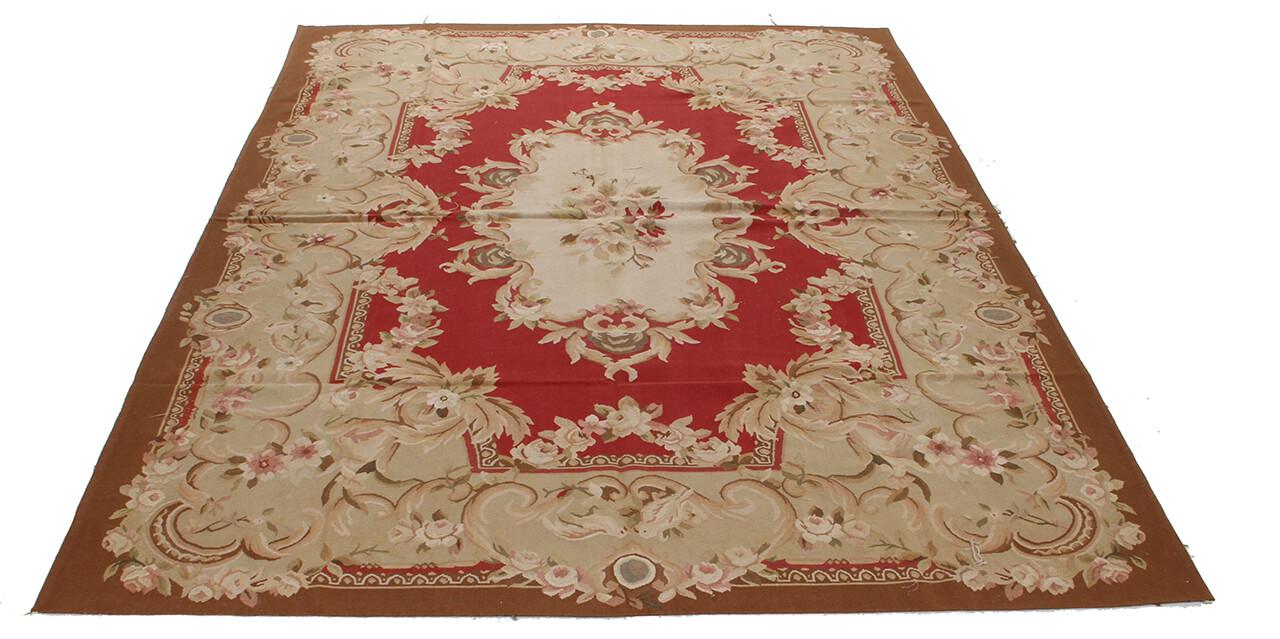
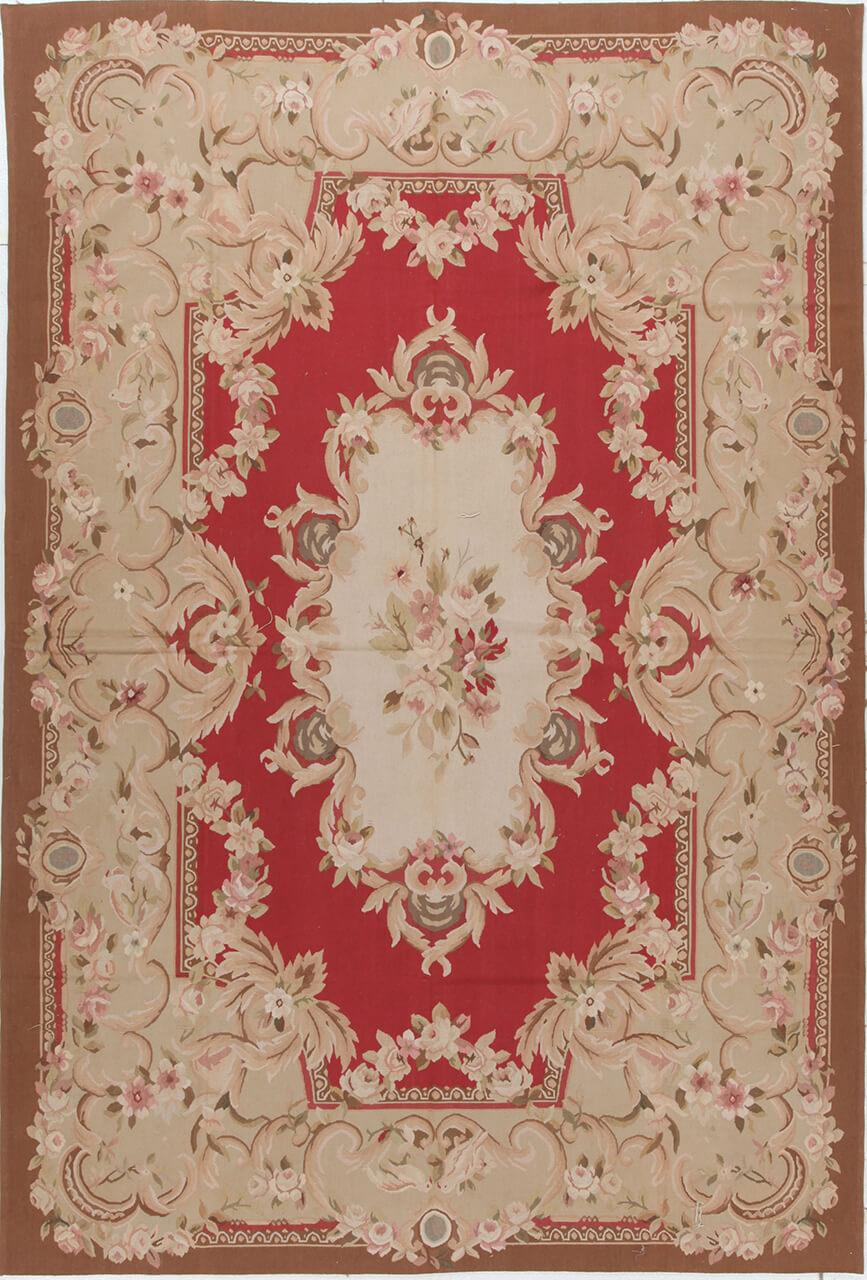
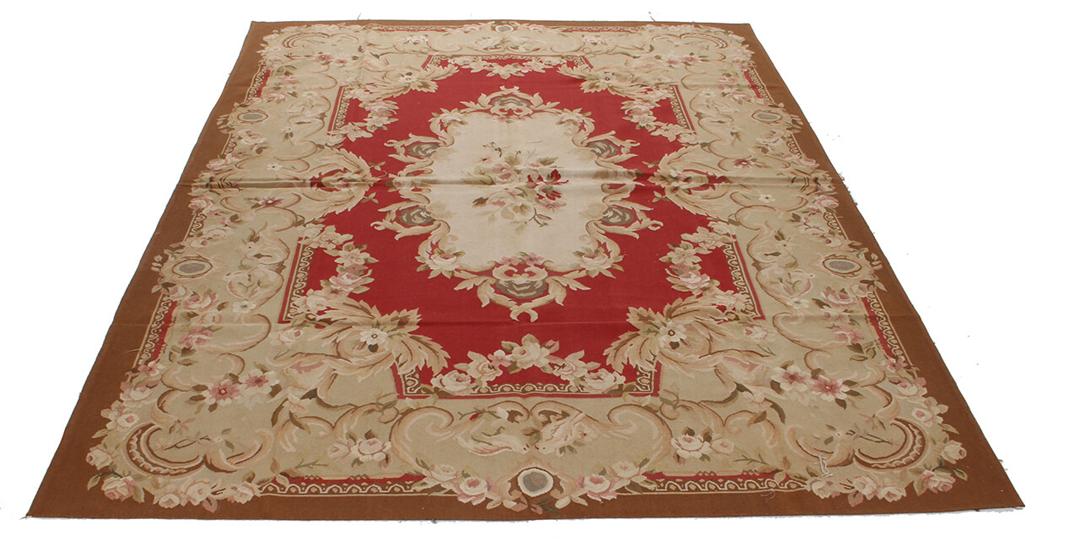
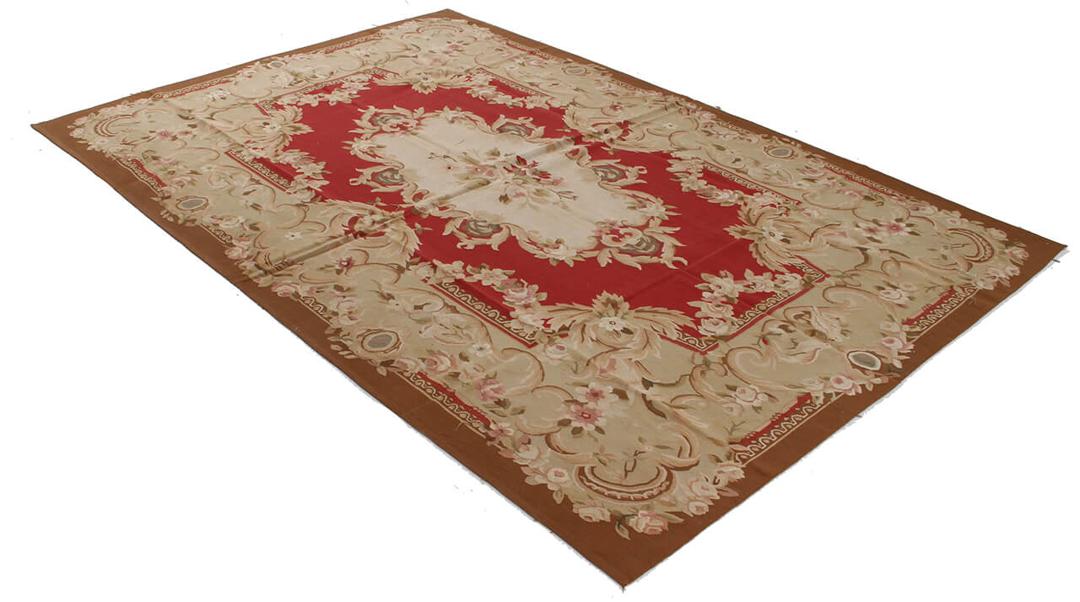
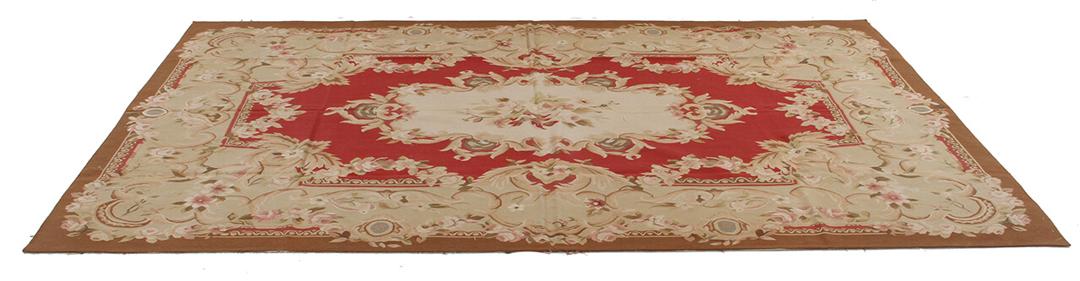
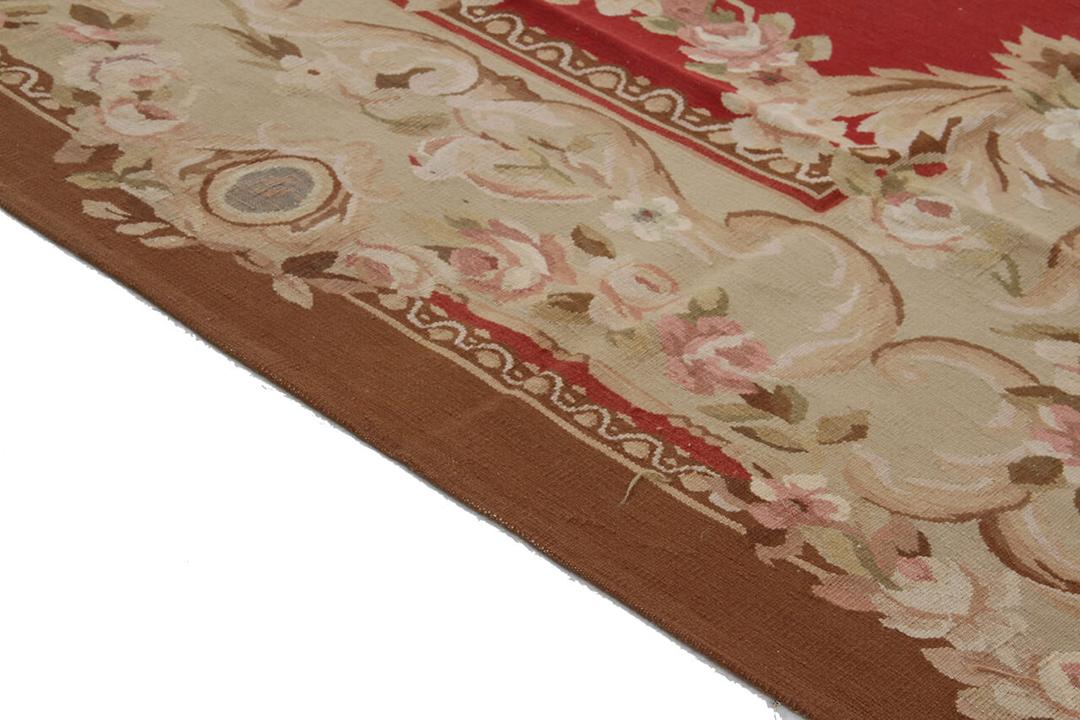
Visually, this rug is defined by its use of classical floral motifs, scrolling acanthus leaves, and a central medallion that draws the eye. The colour palette typically leans into soft, natural tones mixed with deep, bold highlights, a hallmark of the Aubusson tradition that helps to create a sense of balance and harmony within a formal or transitional space.
Owning a piece that draws upon these historical traditions is about more than just floor covering. It is an appreciation of the enduring legacy of textile arts, where skill is passed down through generations. These rugs are highly valued by collectors for their ability to bridge the gap between historical artistry and modern home decor, serving as a testament to human creativity.