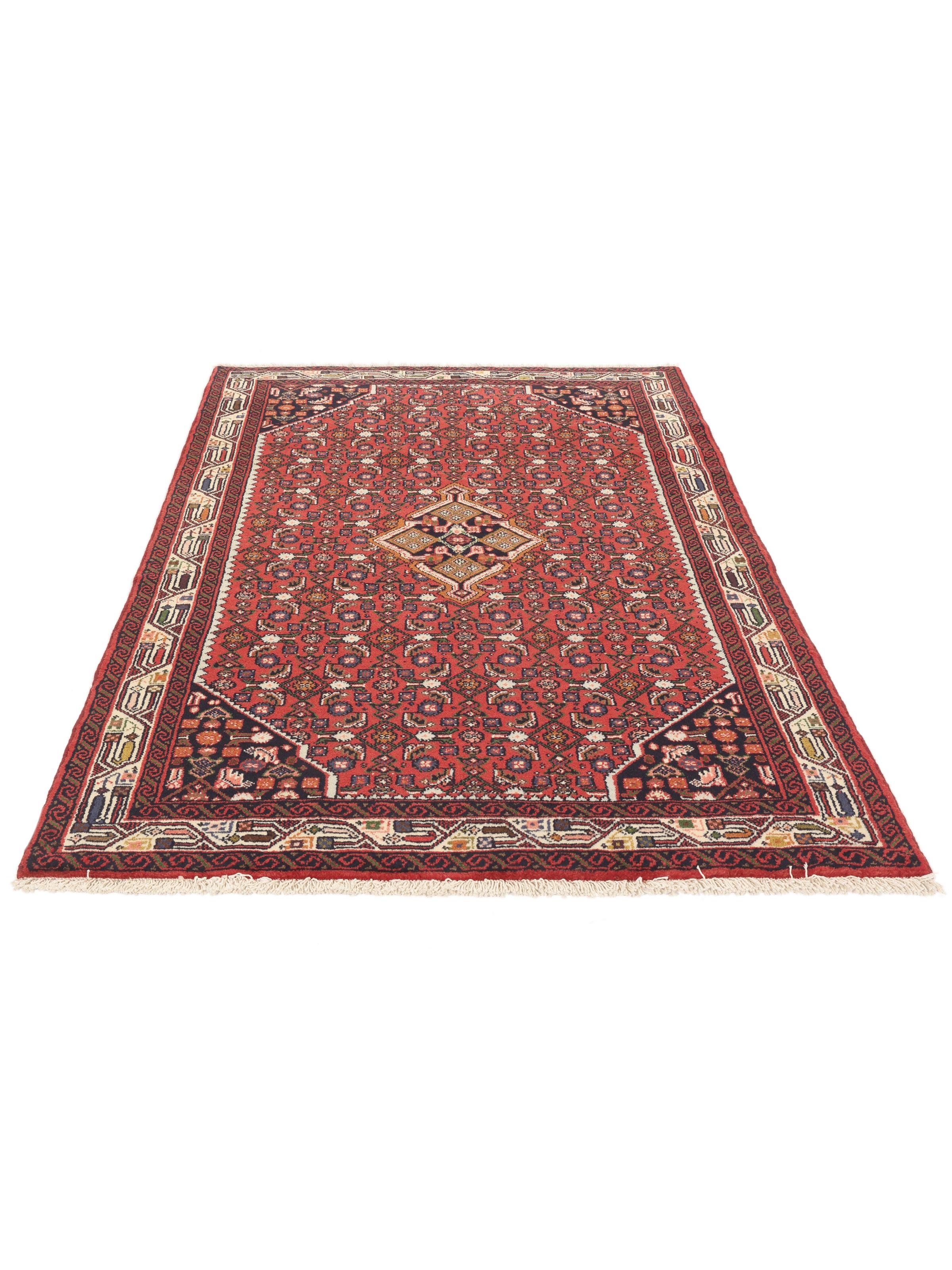
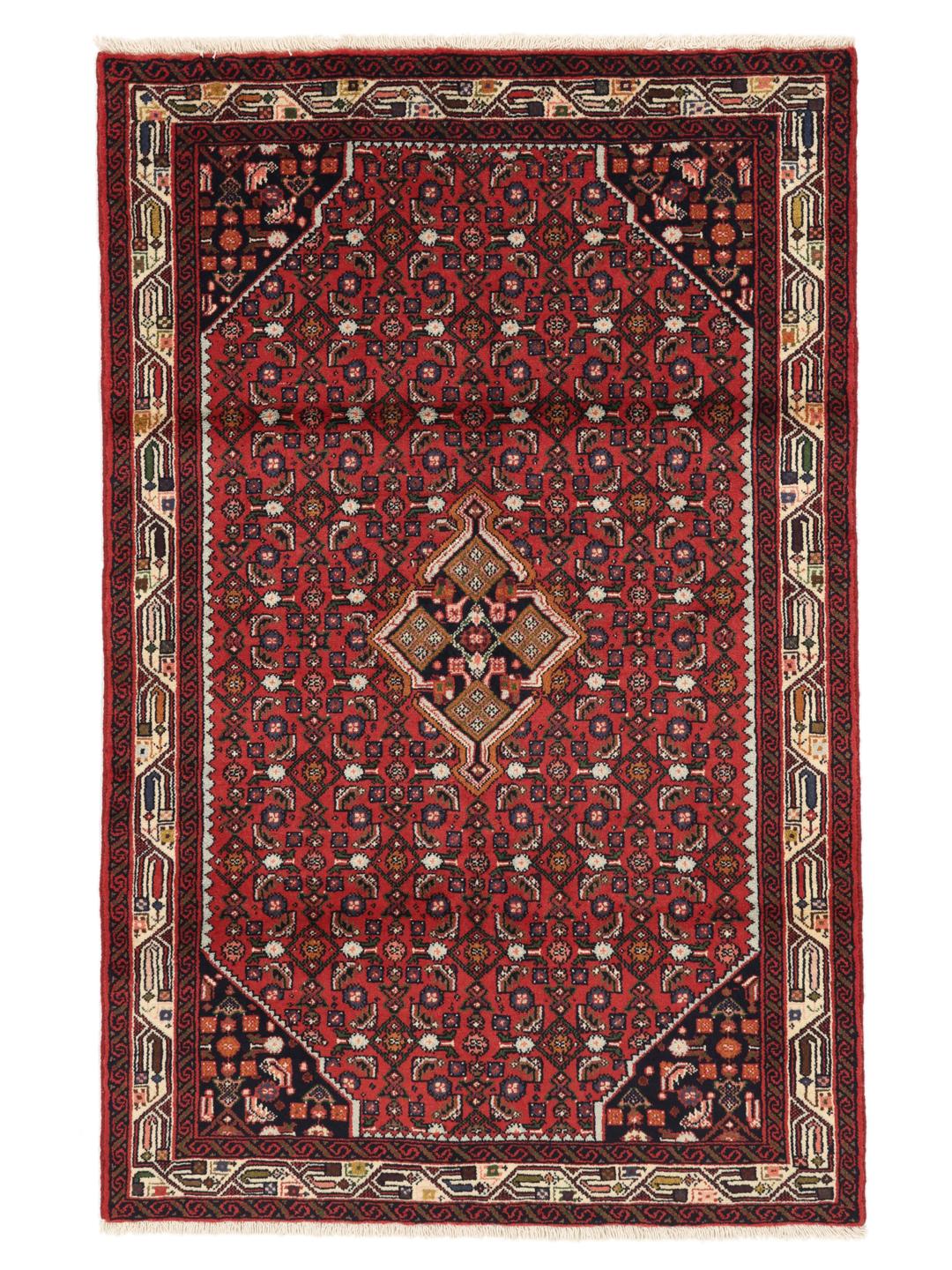
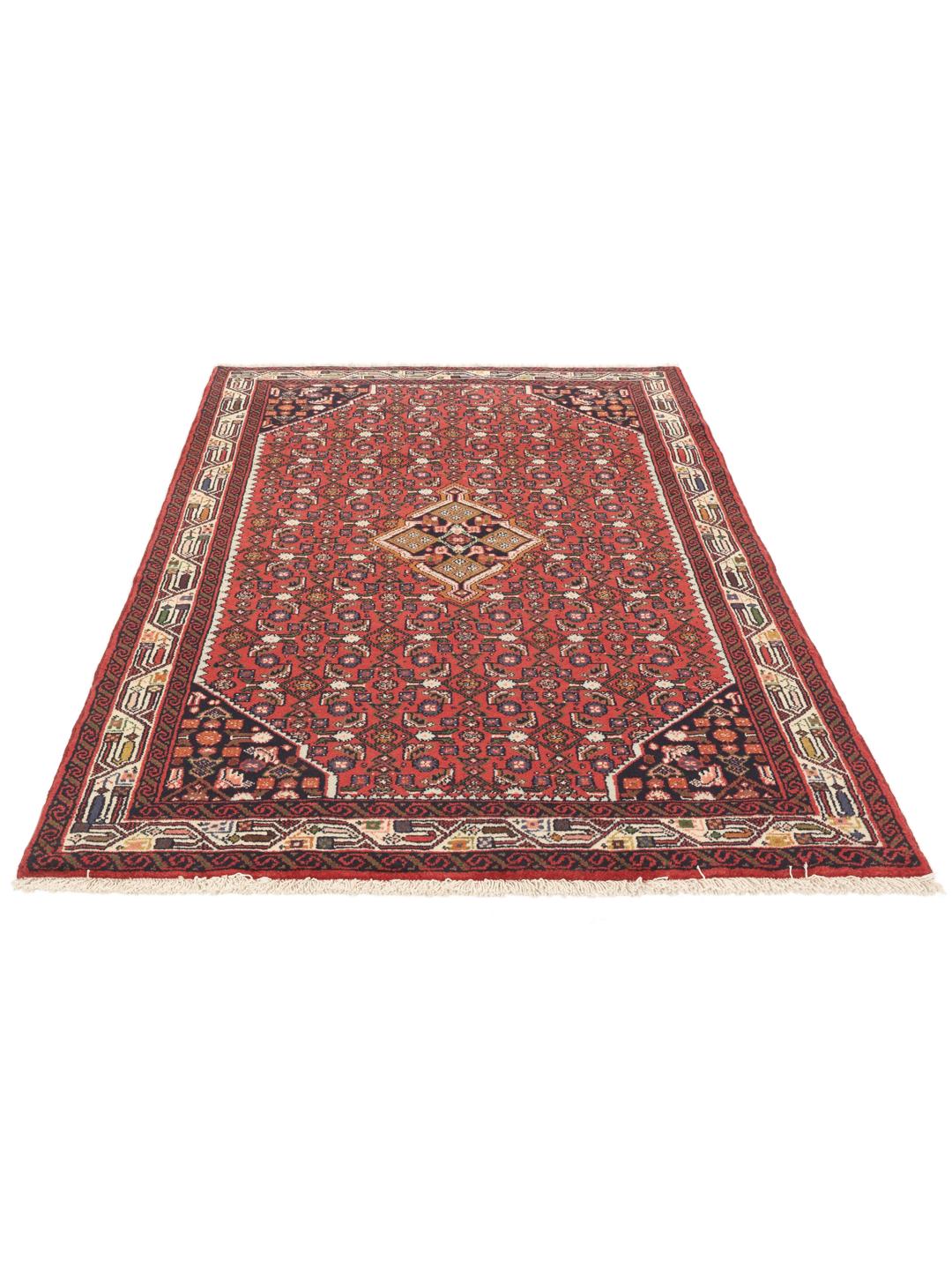
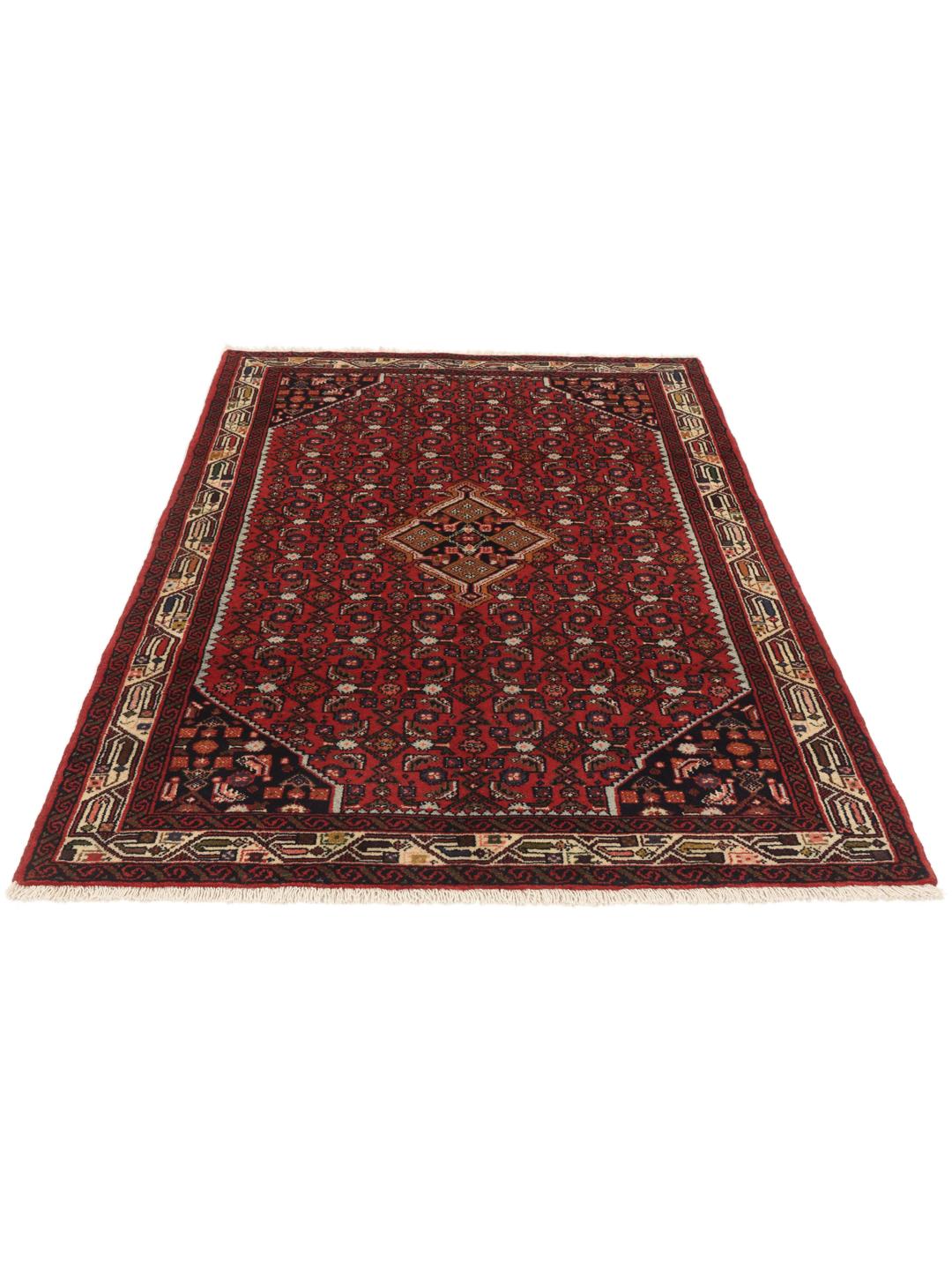
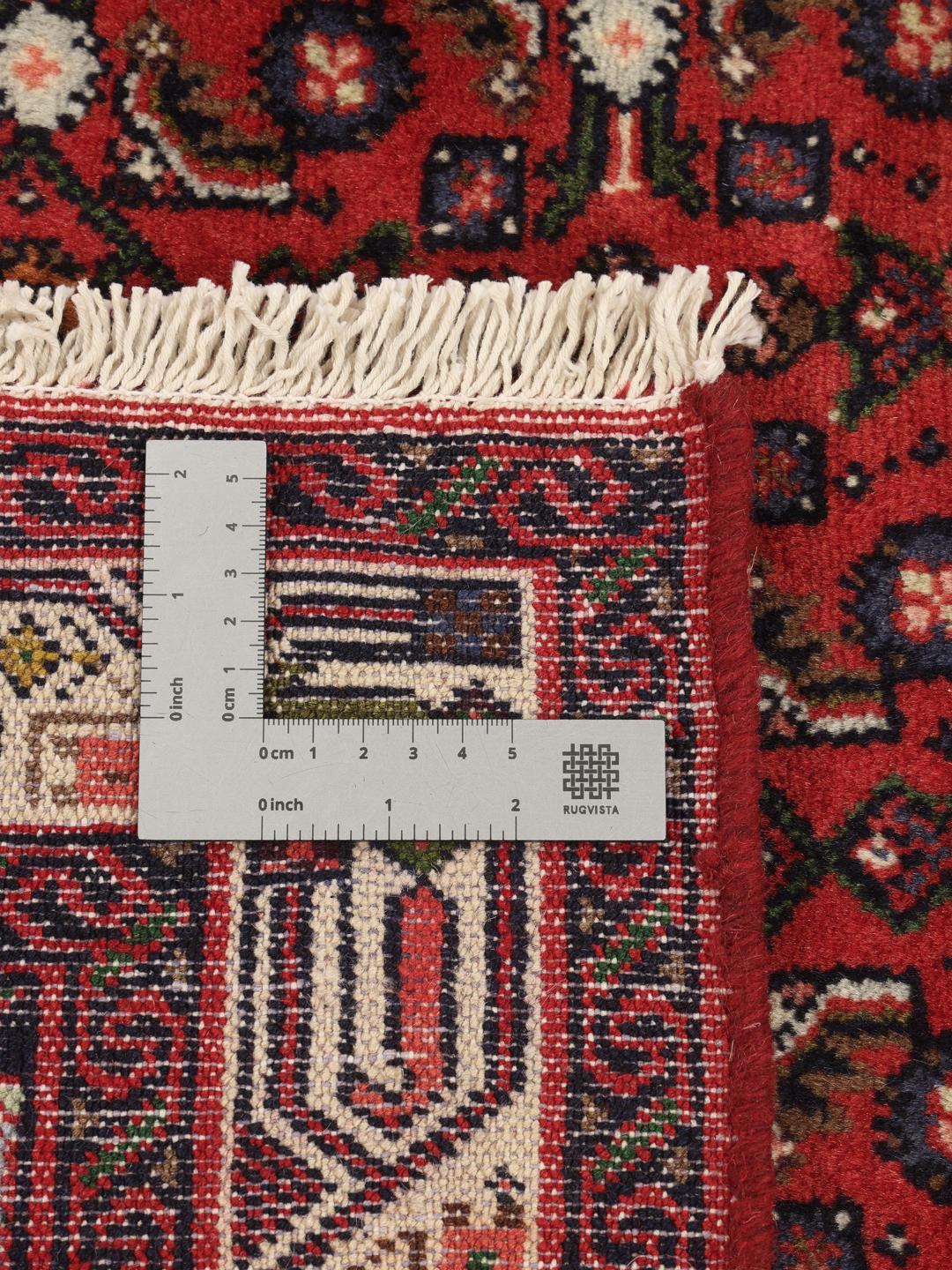
The Asadabad rug originates from the Hamadan region in the Middle East, an area long celebrated for its prolific and diverse weaving traditions. These rugs are named after the town of Asadabad, which serves as a central hub for the surrounding weaving villages. This region has historically been a crossroads for various nomadic and settled cultures, resulting in a rich, eclectic design language that draws from many different tribal influences.
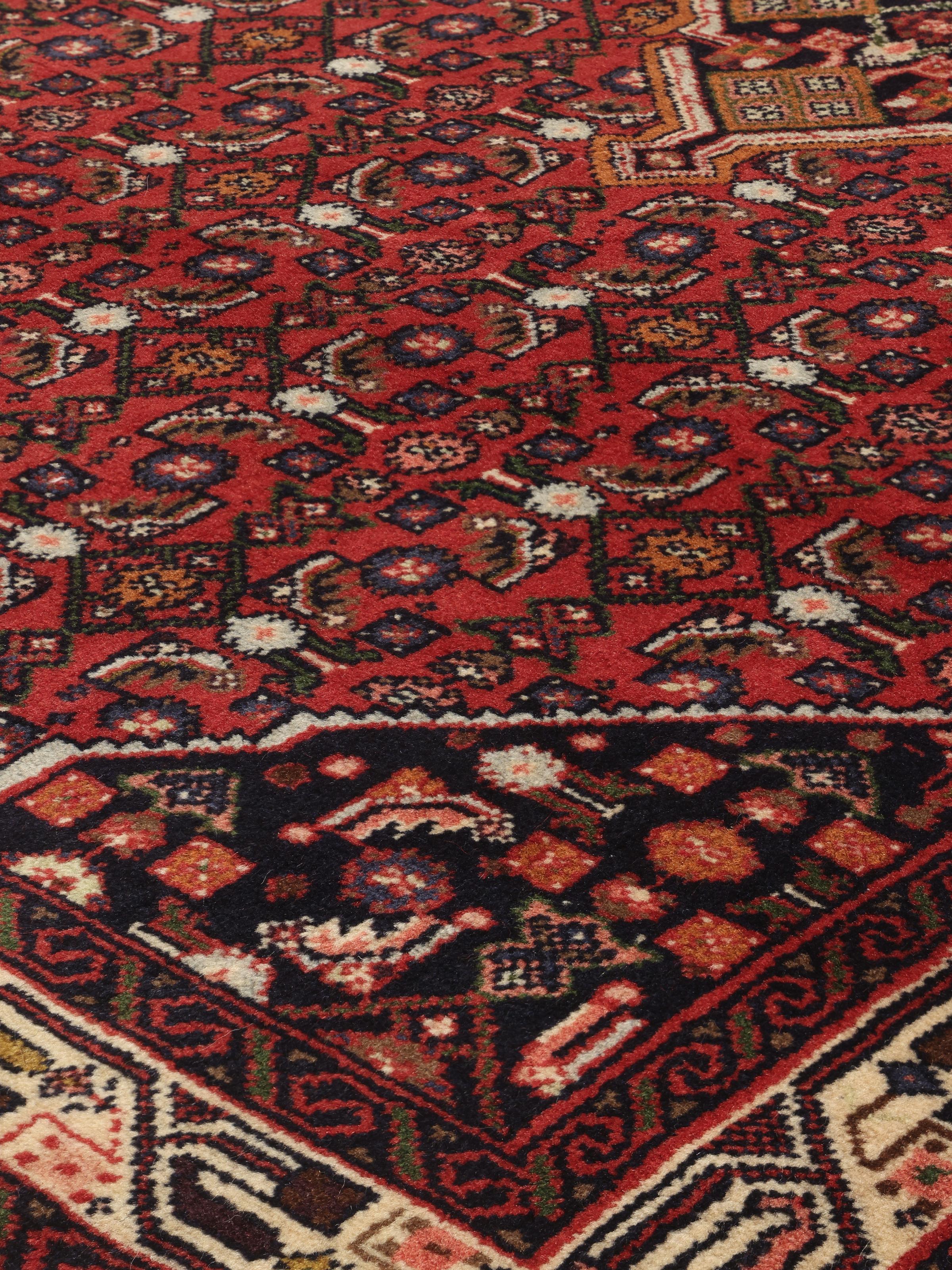
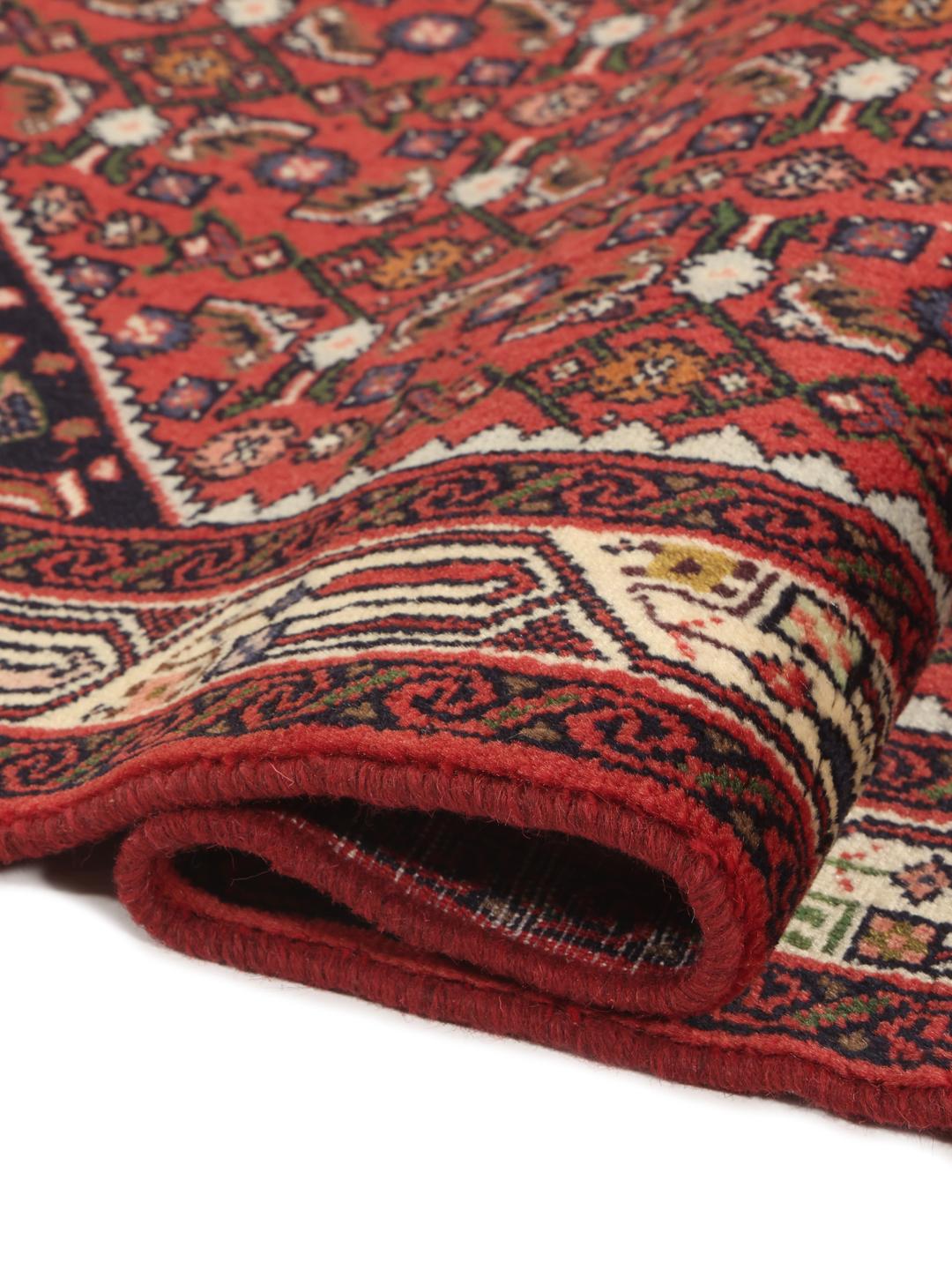
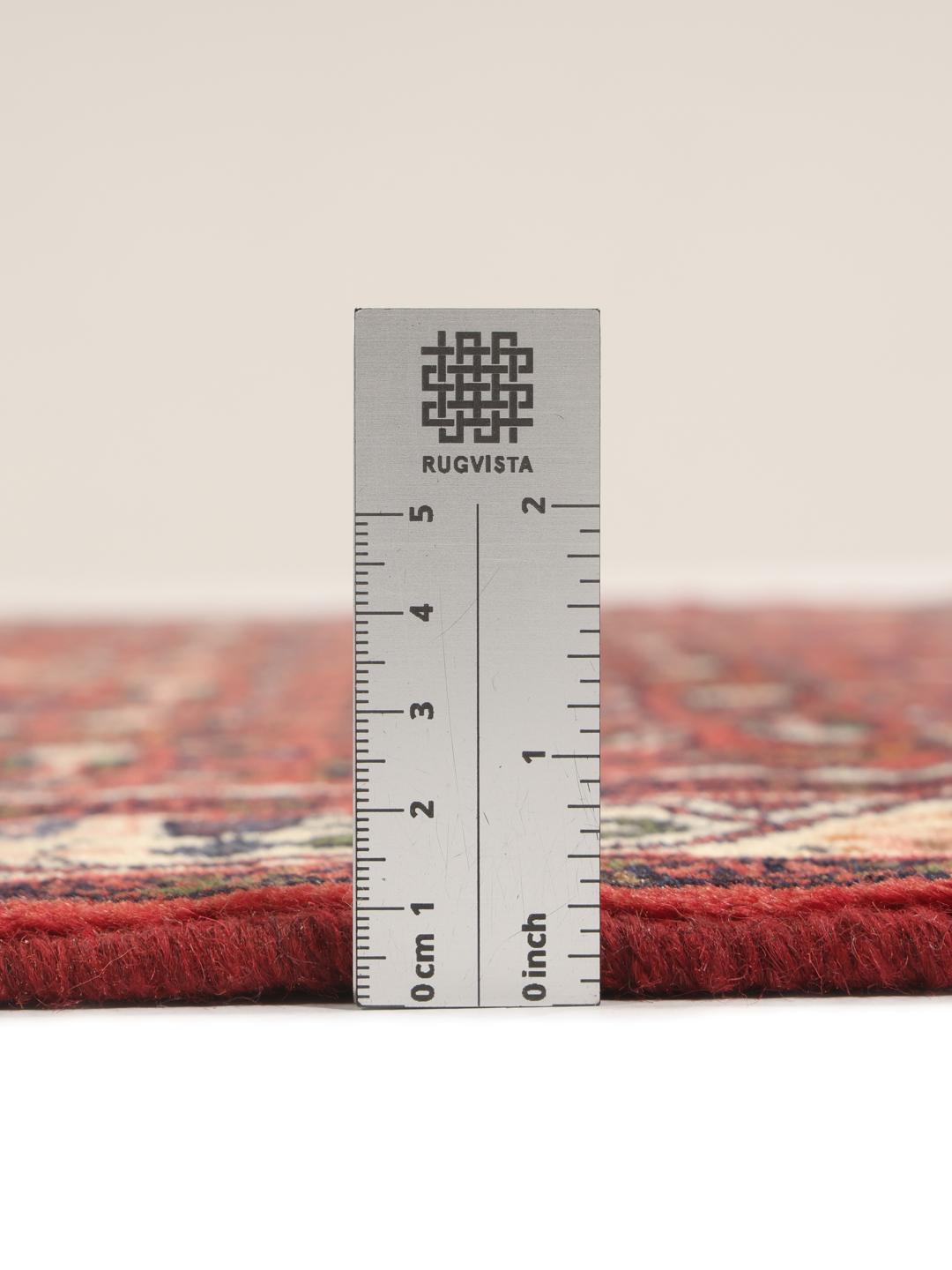
Hamadan rugs are often characterised by their sturdy construction and the use of high-quality, locally sourced wool. A defining feature of this tradition is the use of the single-weft technique, which provides the rugs with a distinct character that collectors appreciate. This construction method results in a robust and resilient floor covering that is perfectly suited for the demands of a busy household whilst maintaining a soft, inviting texture.
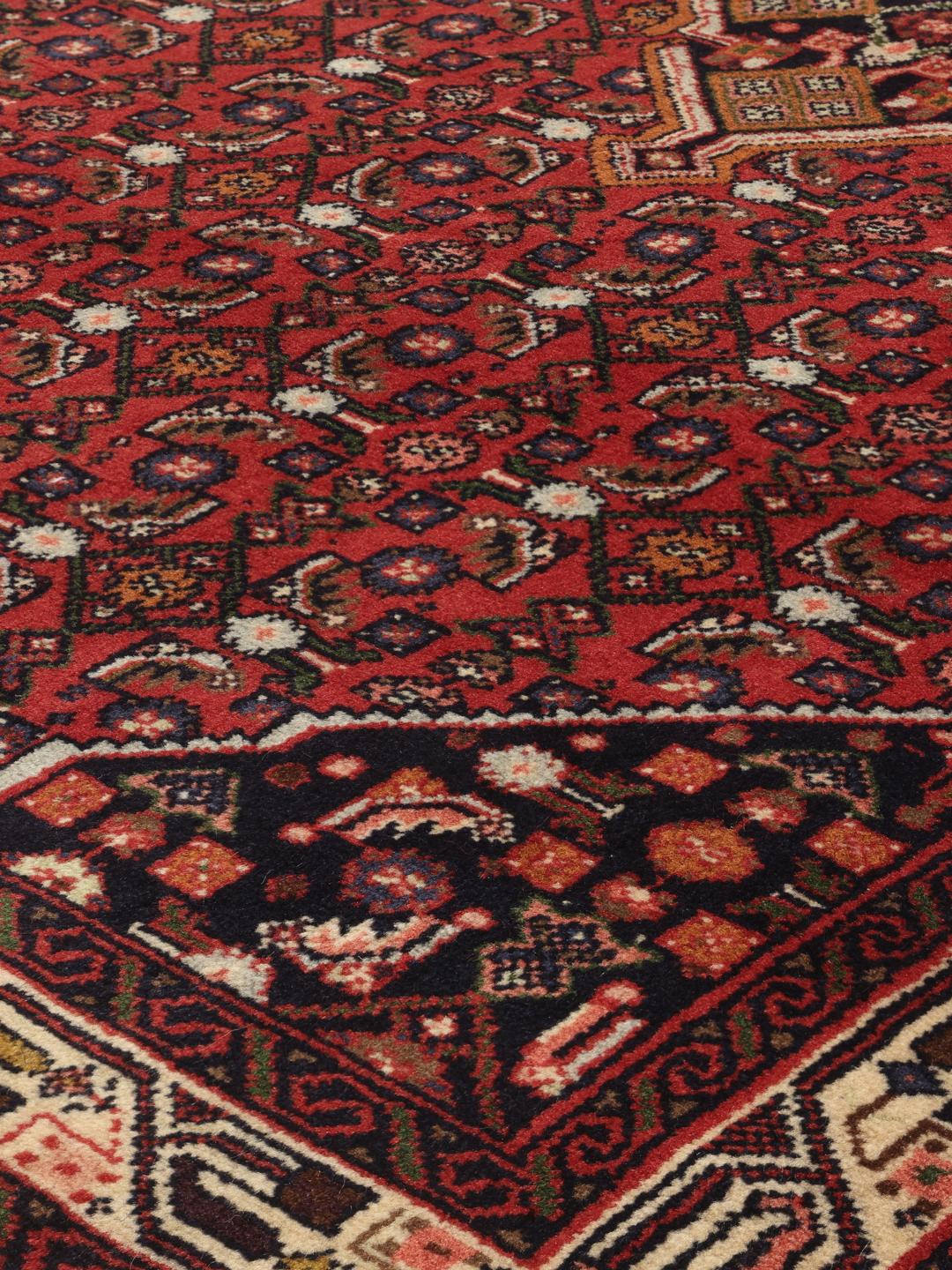
Visually, these rugs are known for their bold, geometric interpretations of floral and medallion patterns. Whilst many Hamadan rugs feature repeating motifs, the Asadabad style often incorporates a more pronounced central medallion, reflecting a blend of village-style spontaneity and formal design principles. The borders are typically wide and filled with intricate geometric guard stripes, serving to frame the field and add a sense of balance to the composition.
Collecting a rug from this tradition is an opportunity to own a piece of Middle Eastern heritage. These rugs are highly valued for their honest, unpretentious beauty and the genuine skill required to produce them. Because they are woven in smaller village settings rather than large factories, they carry the unique signature of the artisan, making them a meaningful addition to any home that values craftsmanship and history.