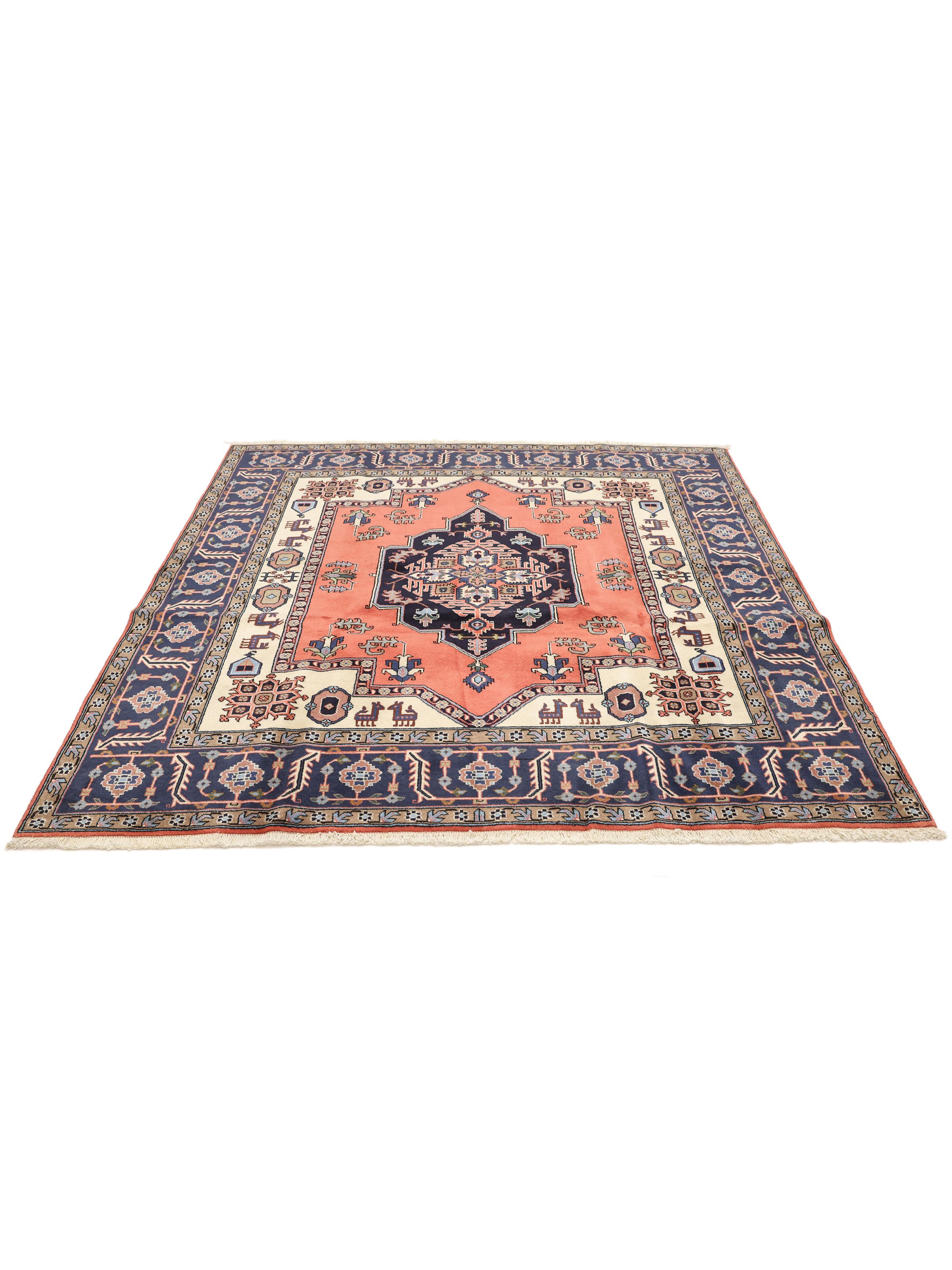
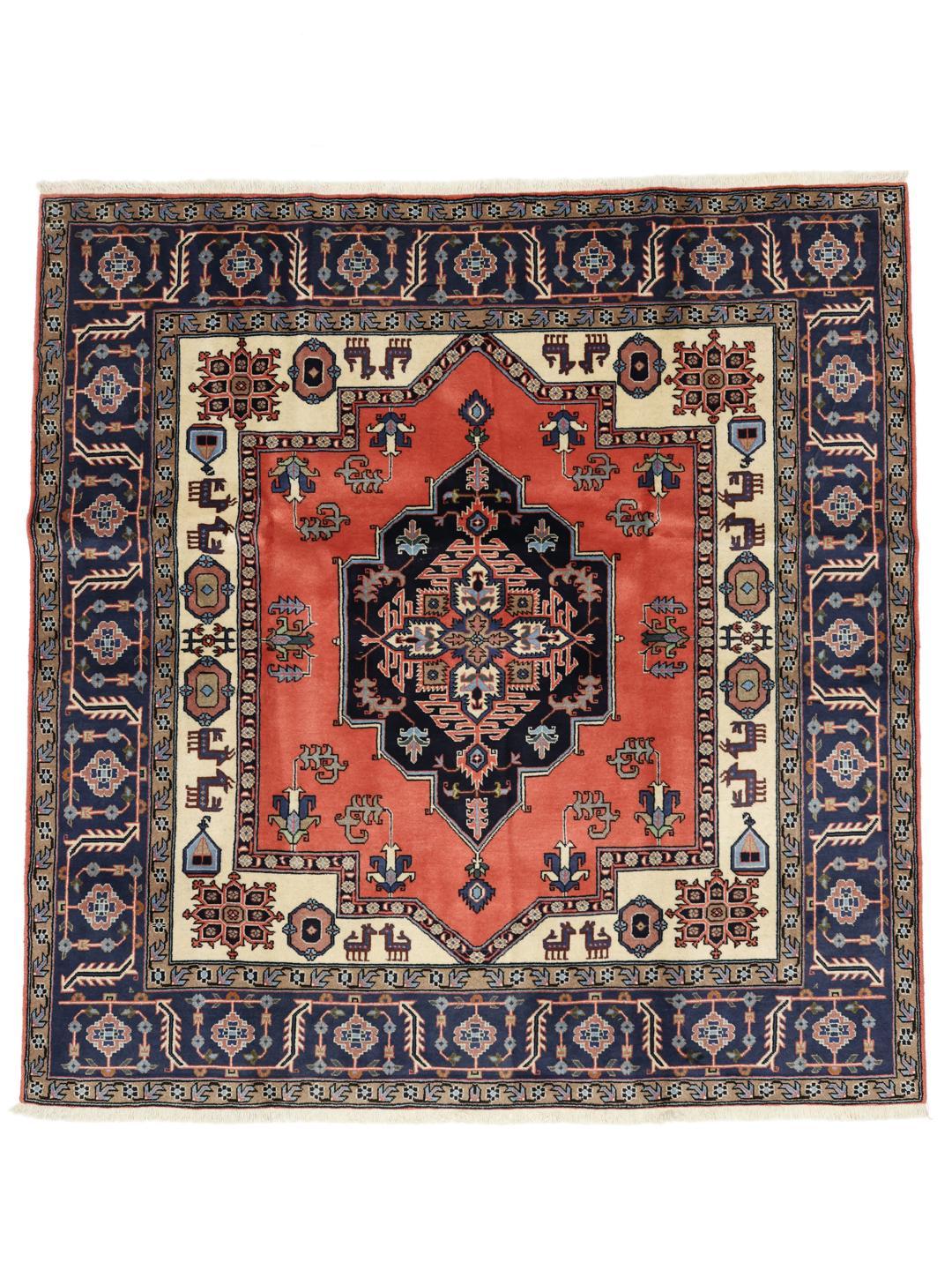
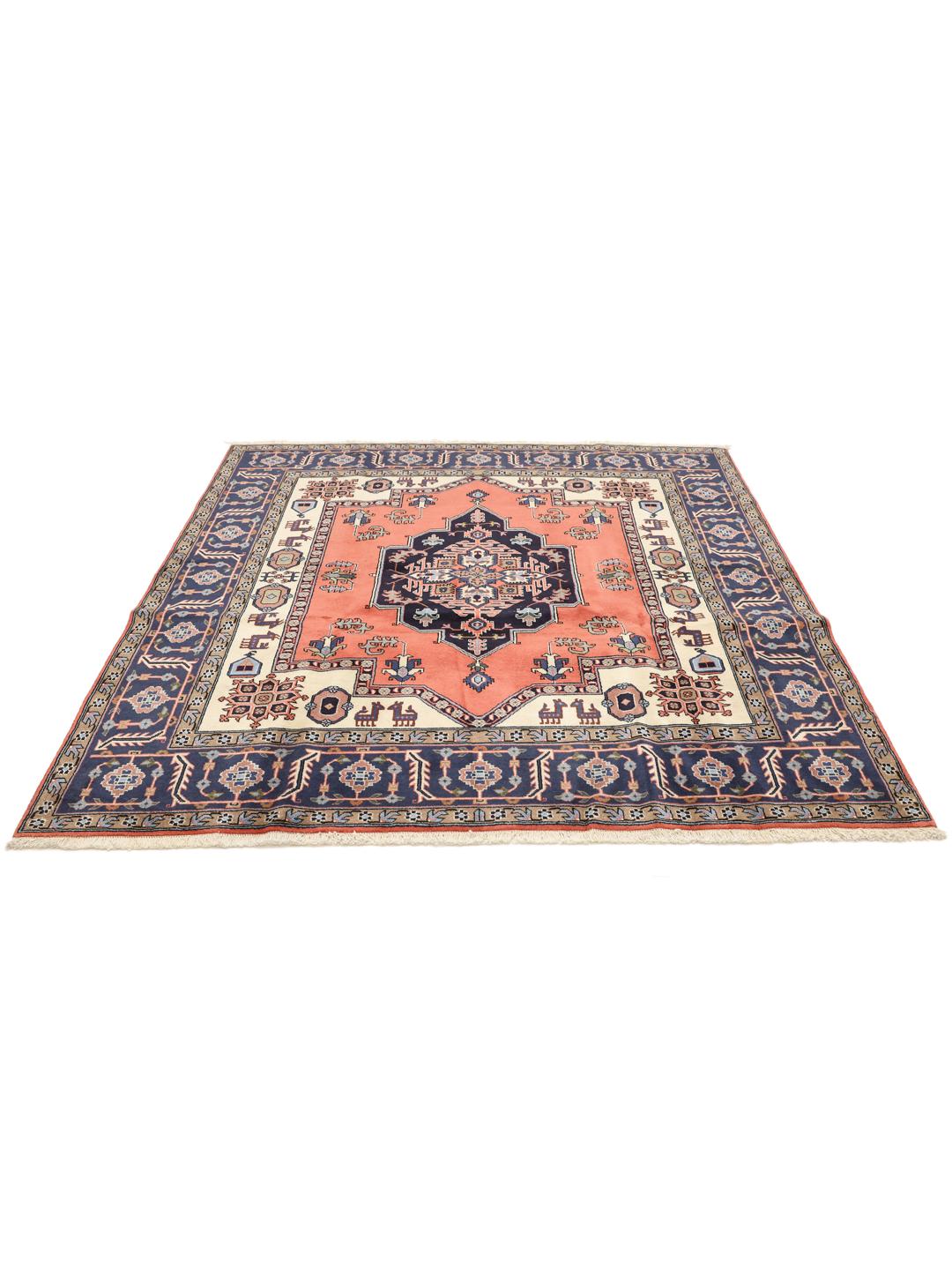
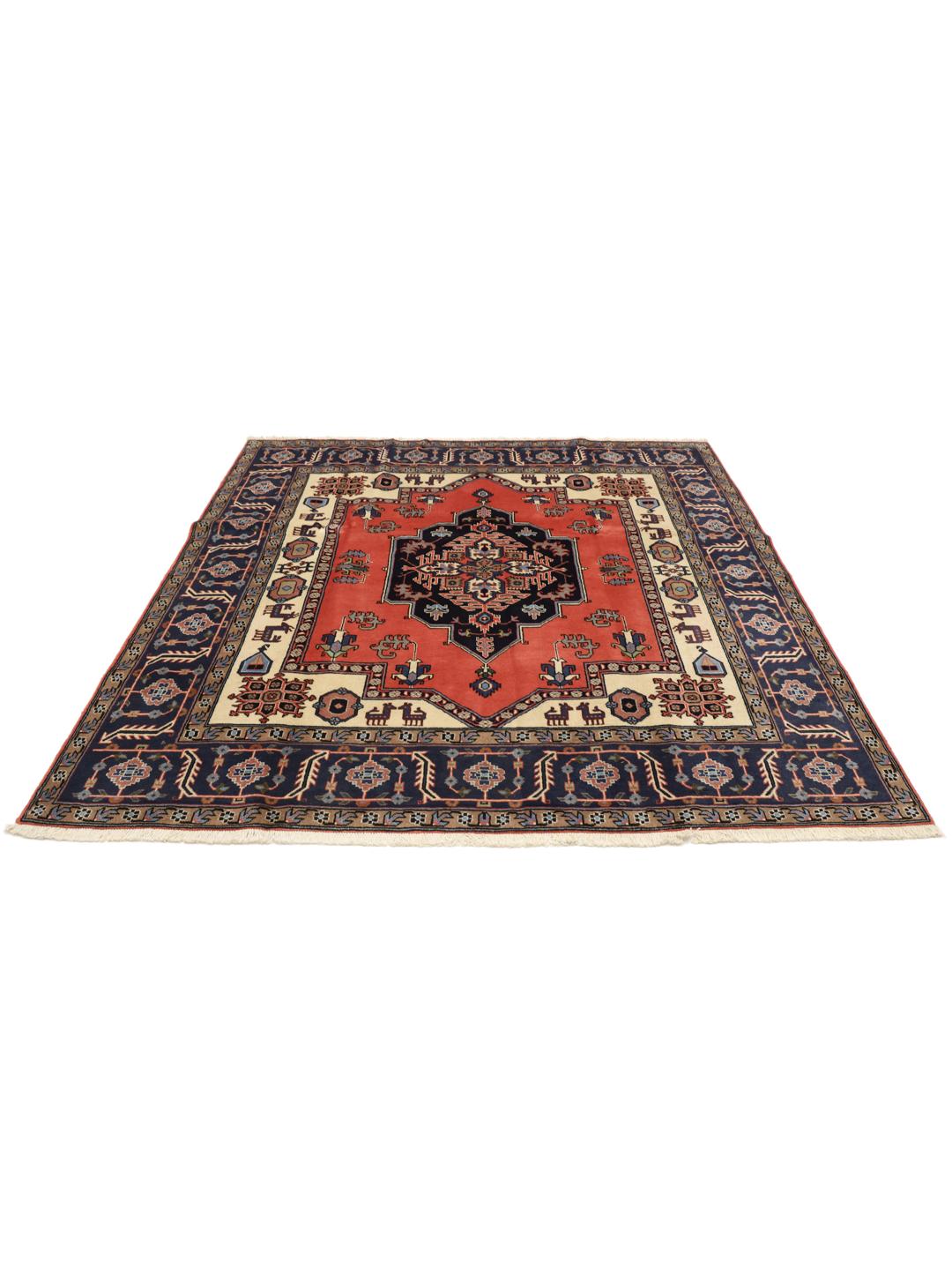
The Ardebil rug tradition finds its roots in the historic city of Ardebil, located in the northwestern region of the Middle East. Historically, this region has been a vital centre for textile production, with a rich cultural heritage that bridges nomadic influences and refined urban artistry. The rugs from this area are celebrated for their sophisticated designs, which often draw inspiration from the grand architectural motifs and garden layouts found in local history.
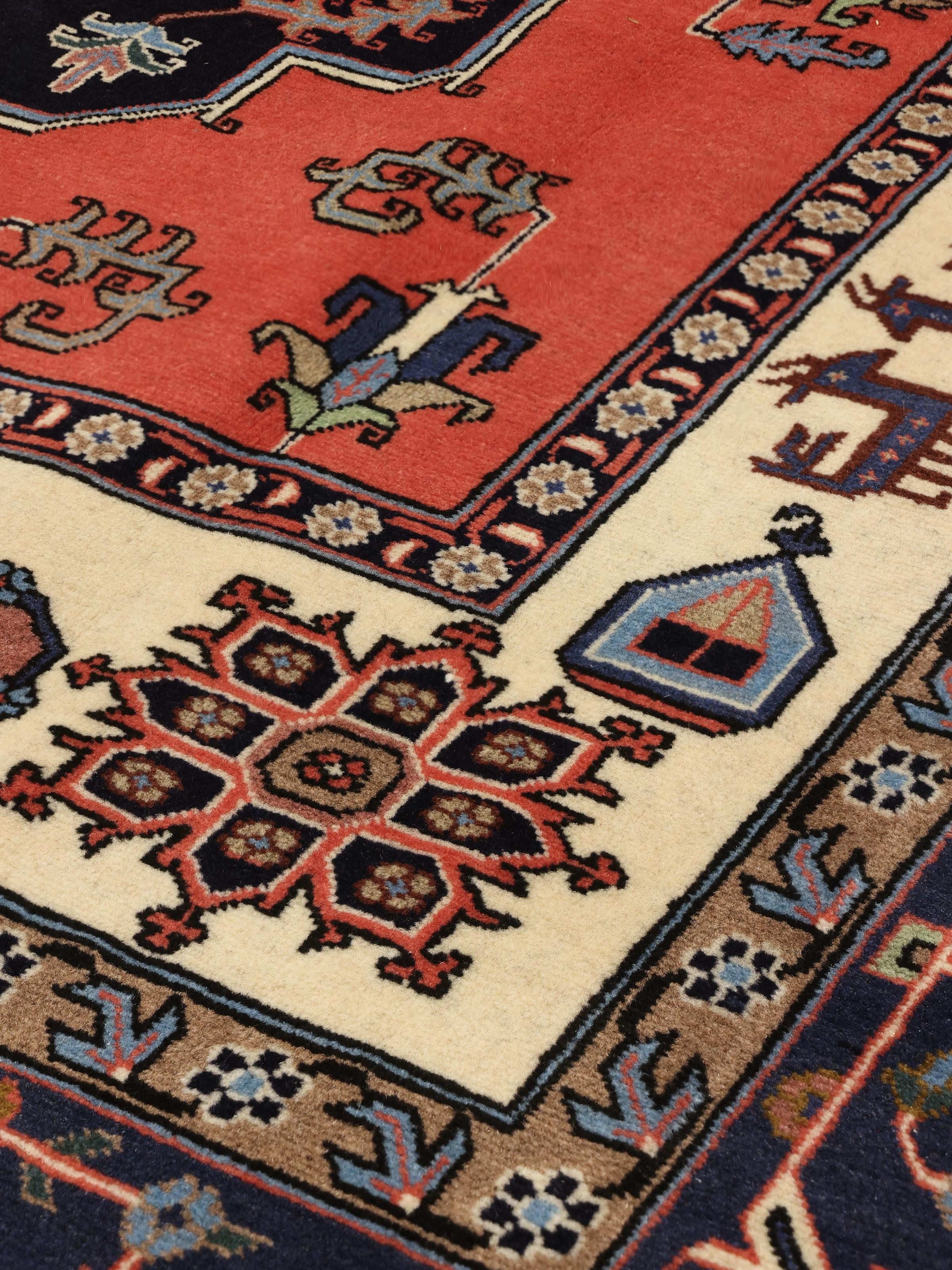
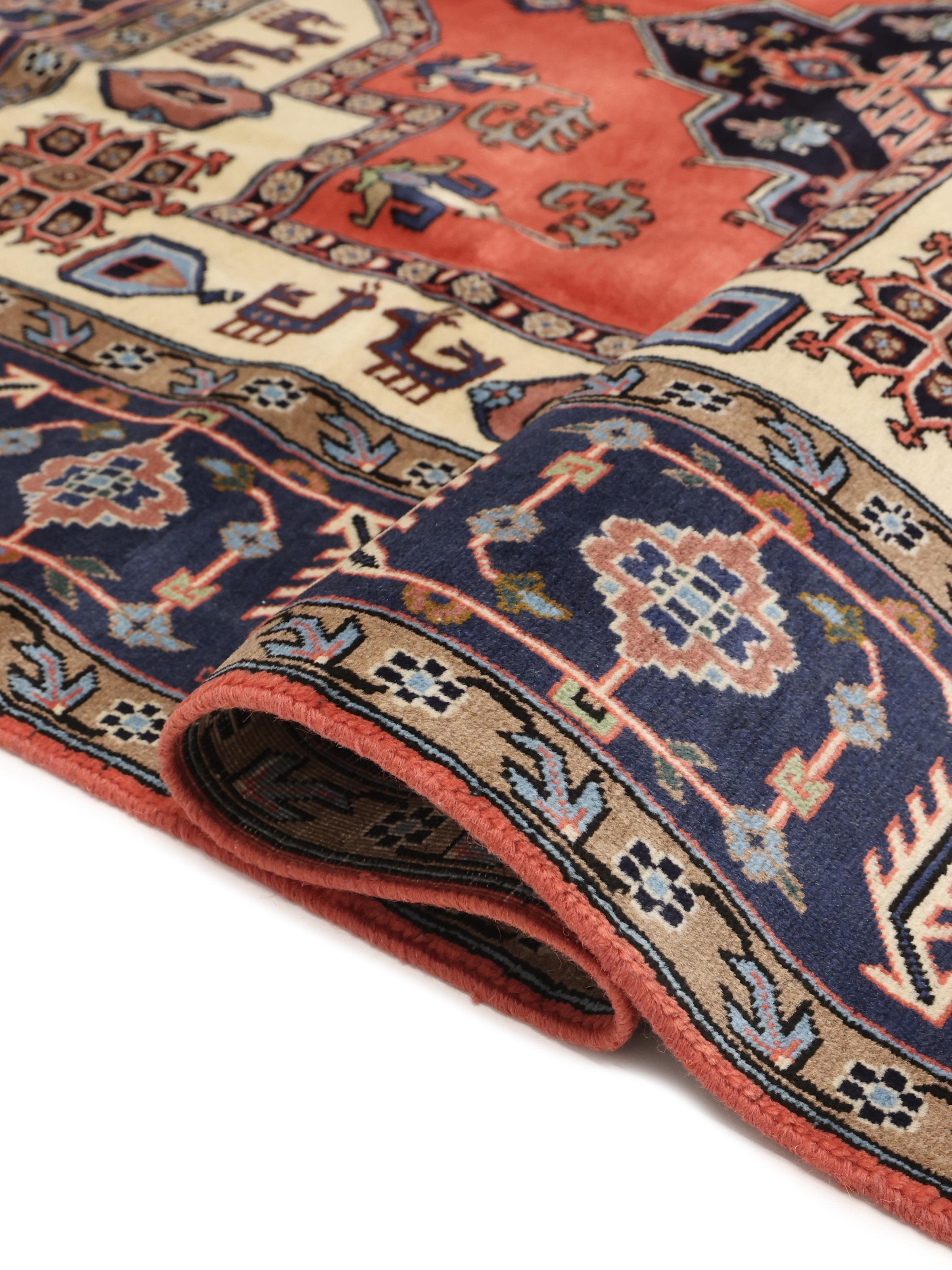
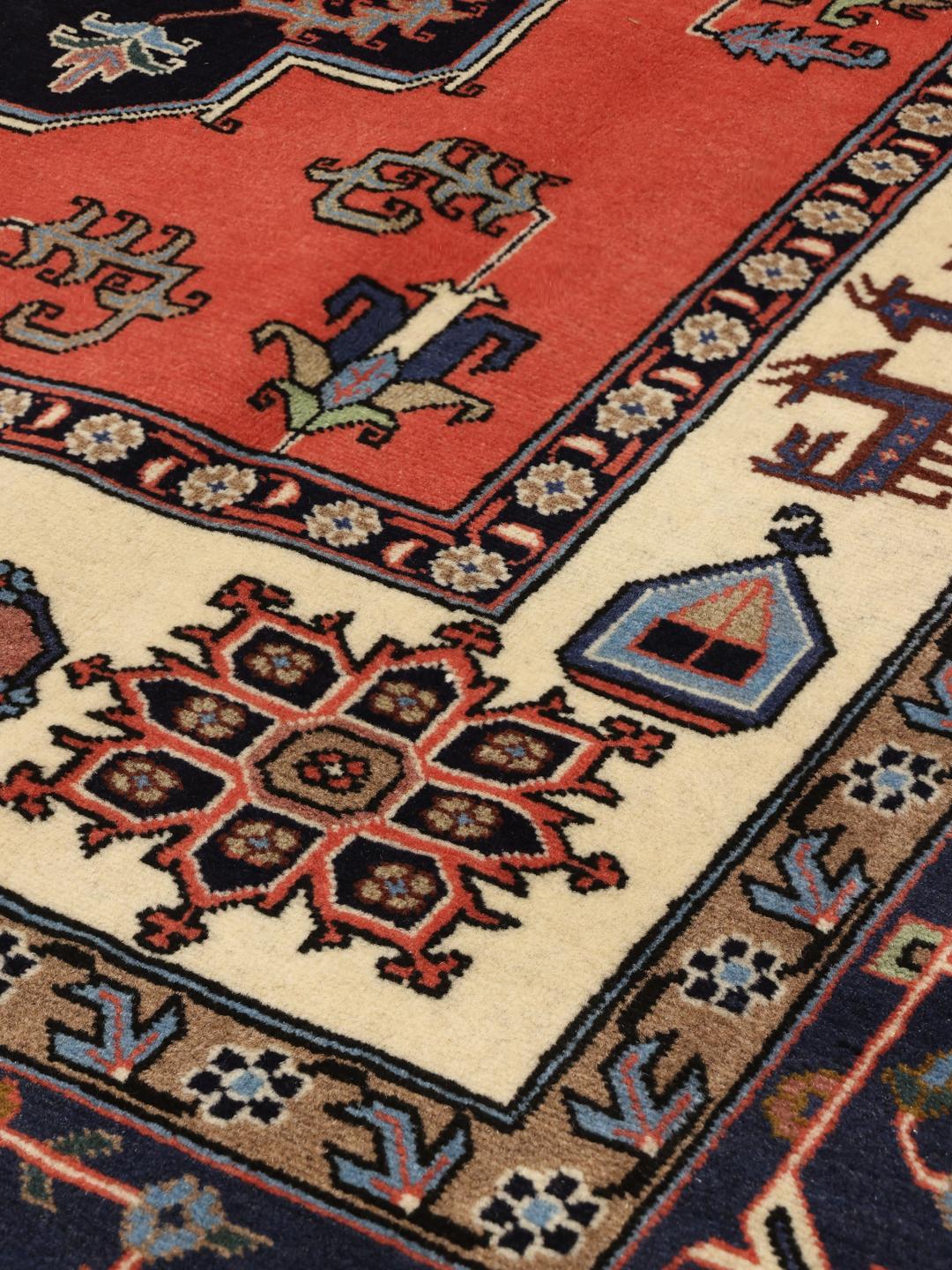
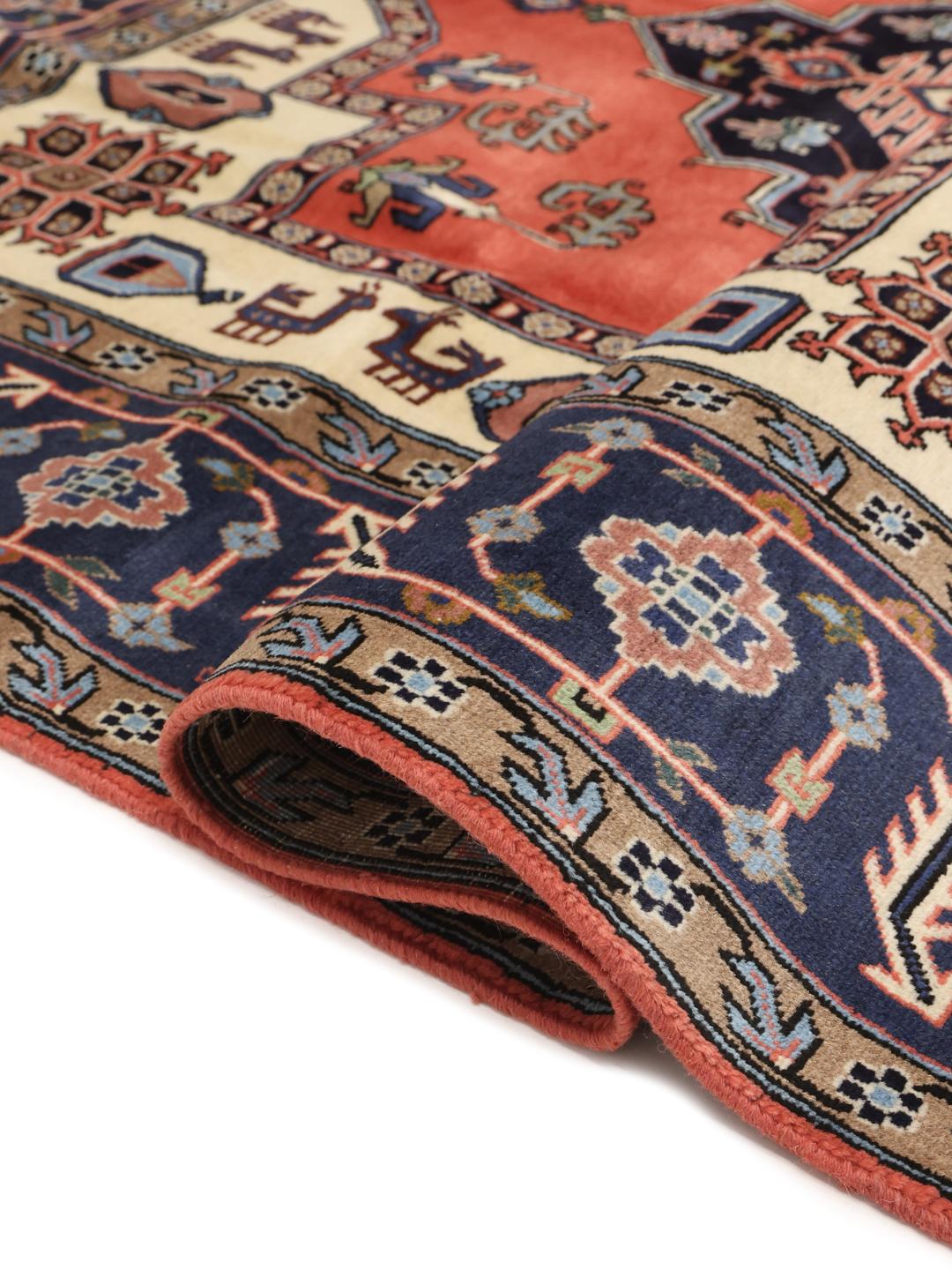
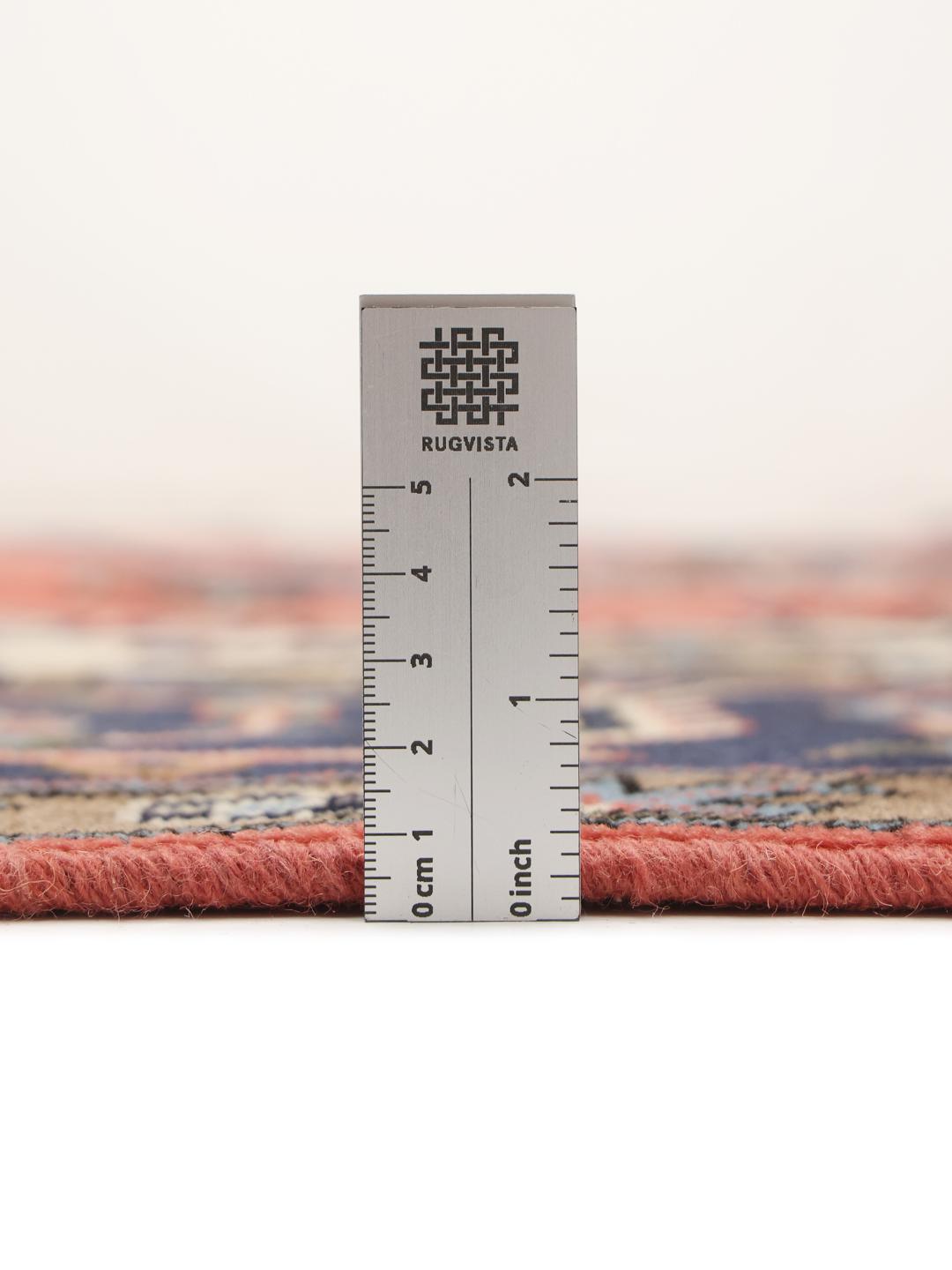
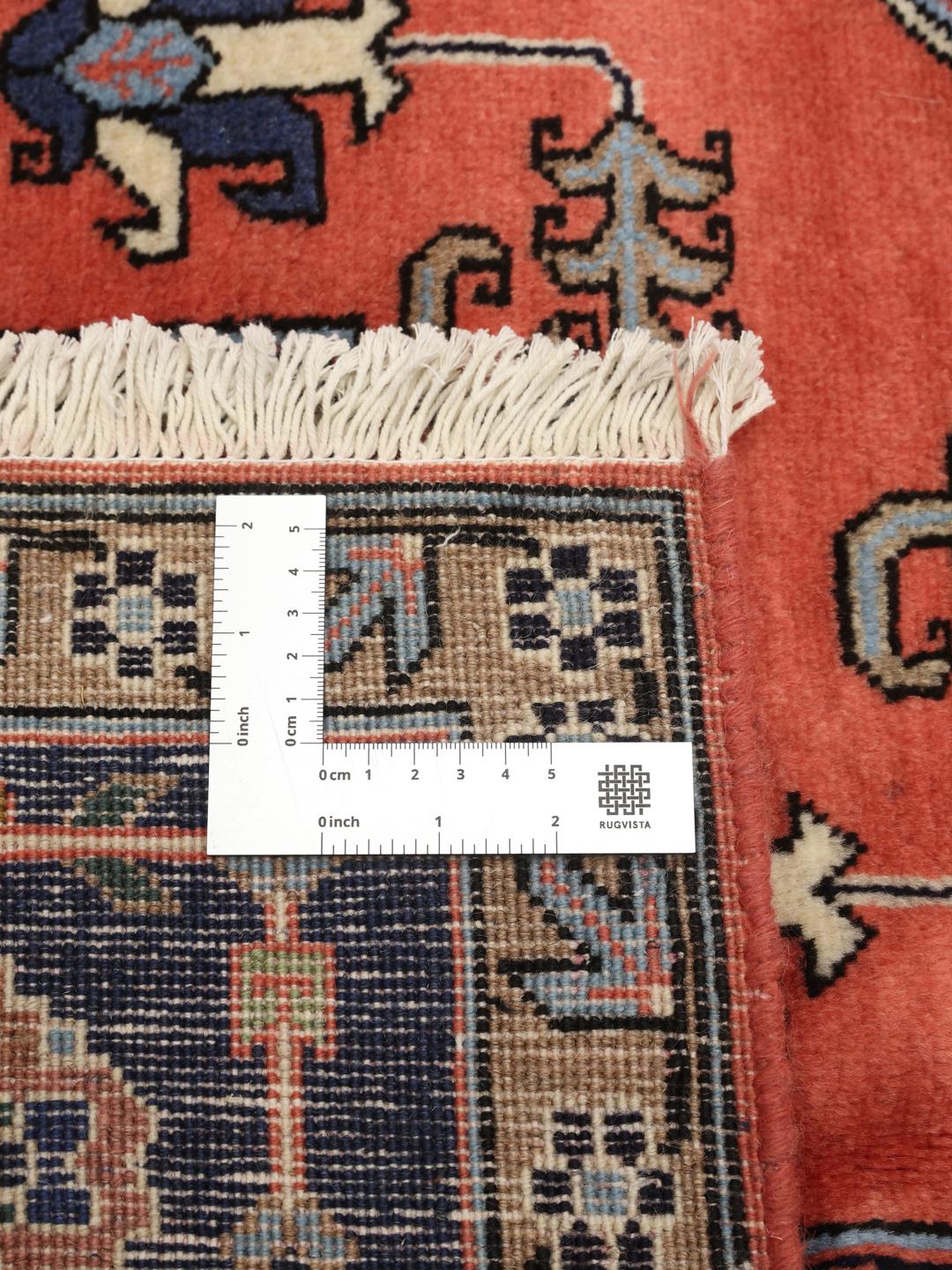
When discussing the quality of these pieces, the term hand-knotted is paramount. This technique involves wrapping individual threads around the warp and weft of the foundation, a method that allows for complex, fluid patterns that are far more durable than machine-made alternatives. The use of high-quality wool is central to this tradition, providing a natural resilience and a soft, lustrous sheen that improves as the rug settles into its space.
Design-wise, the Ardebil style is famous for its bold, central medallion, which often mirrors the intricate tile work found in ancient regional shrines. These medallions are typically surrounded by elaborate floral or geometric borders, creating a sense of symmetry and formal elegance. While many traditional examples follow a specific colour scheme, each piece features subtle variations in tone and motif, reflecting the individual hand of the person who created it.
Collectors value Ardebil rugs for their blend of historical significance and enduring aesthetic appeal. Owning such a piece is more than just a decor choice; it is an act of preserving a traditional craft that has been passed down through centuries. These rugs are seen as cultural artifacts that bring a sense of history and depth into a contemporary home, serving as a testament to the skill and patience required to create something so enduring.