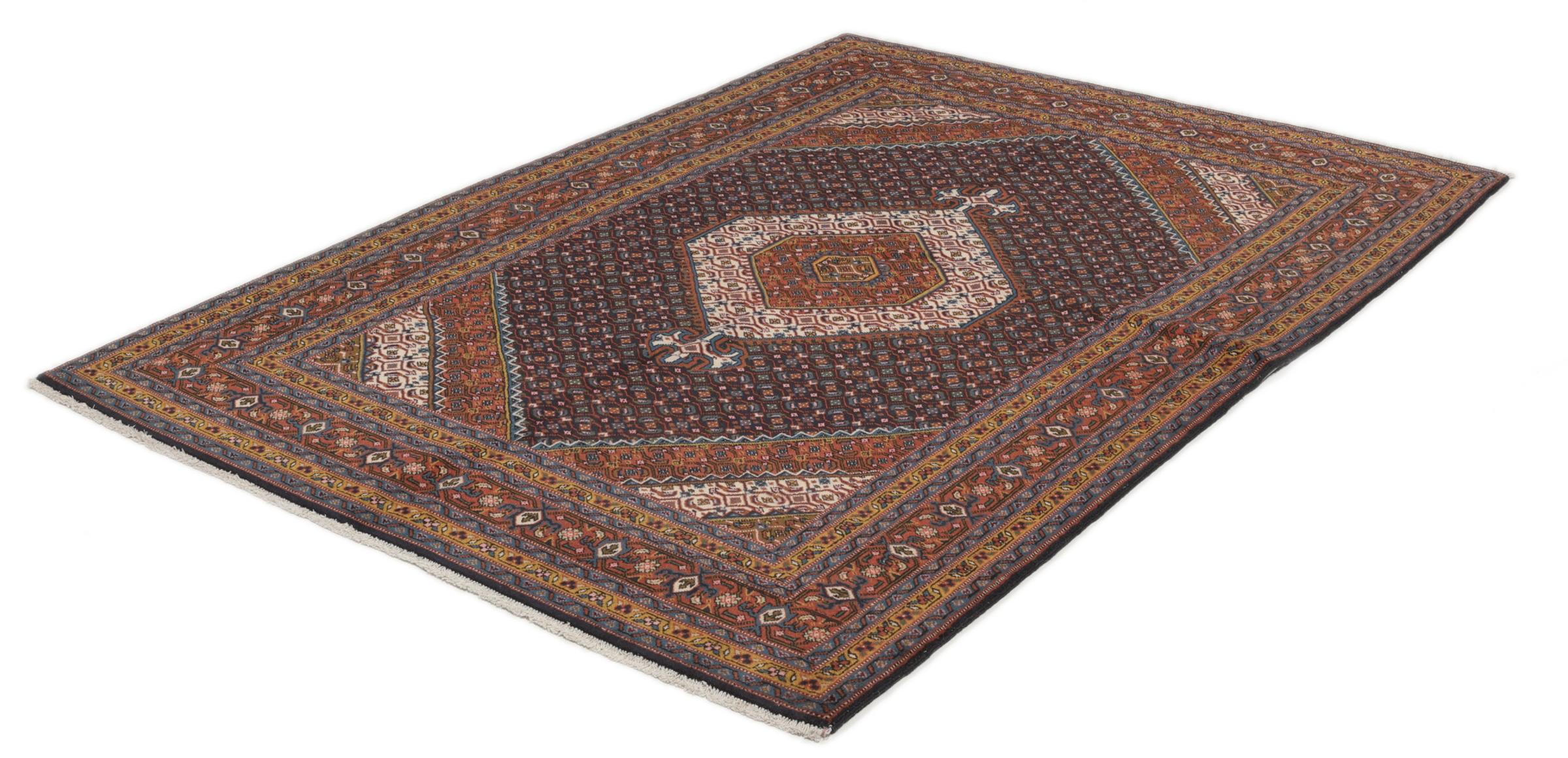
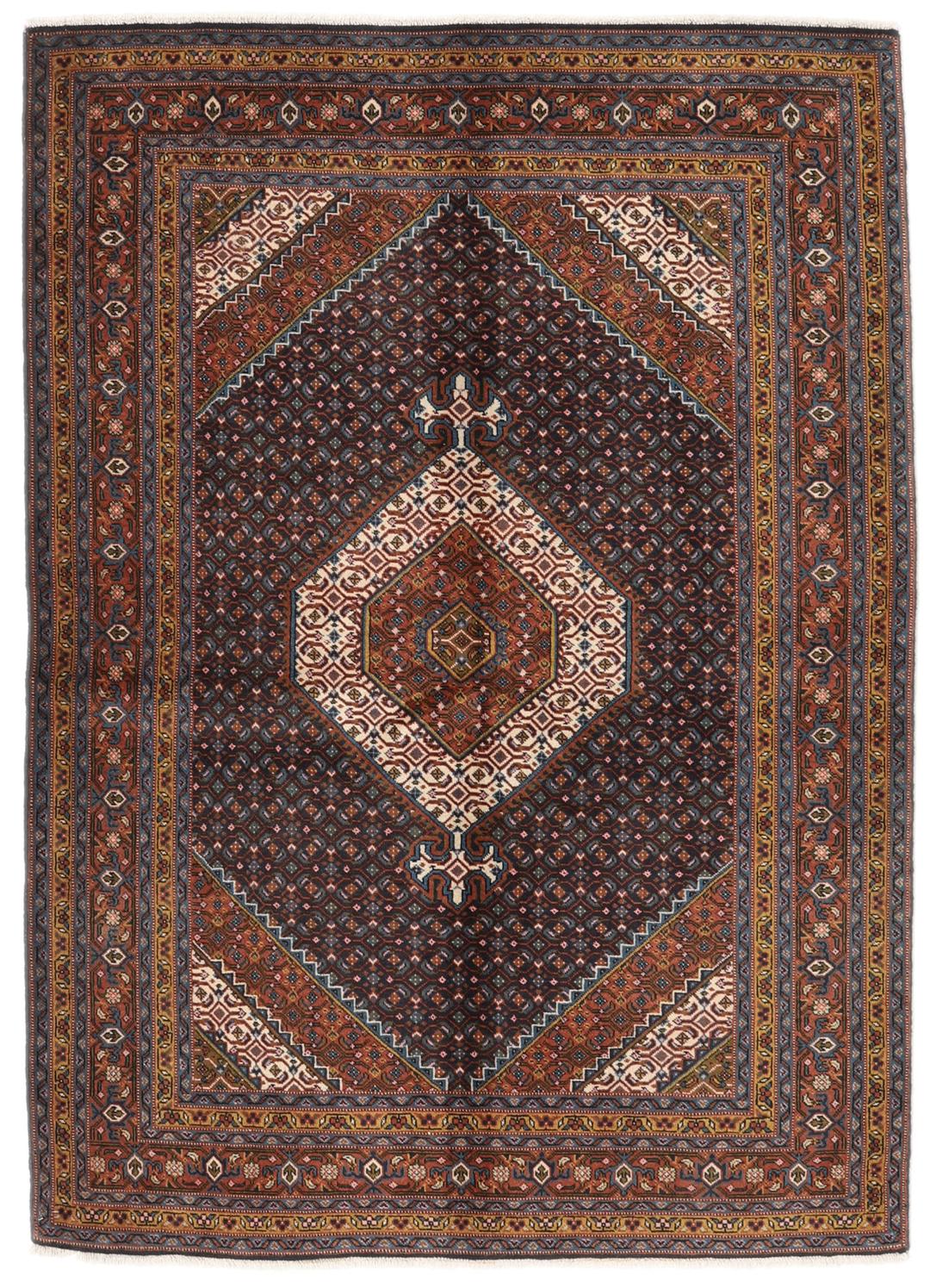
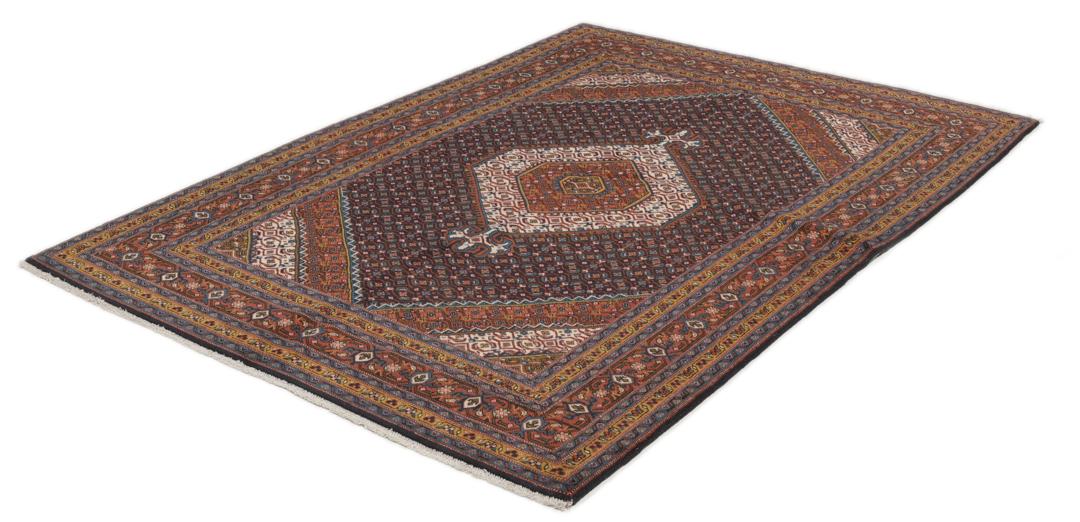
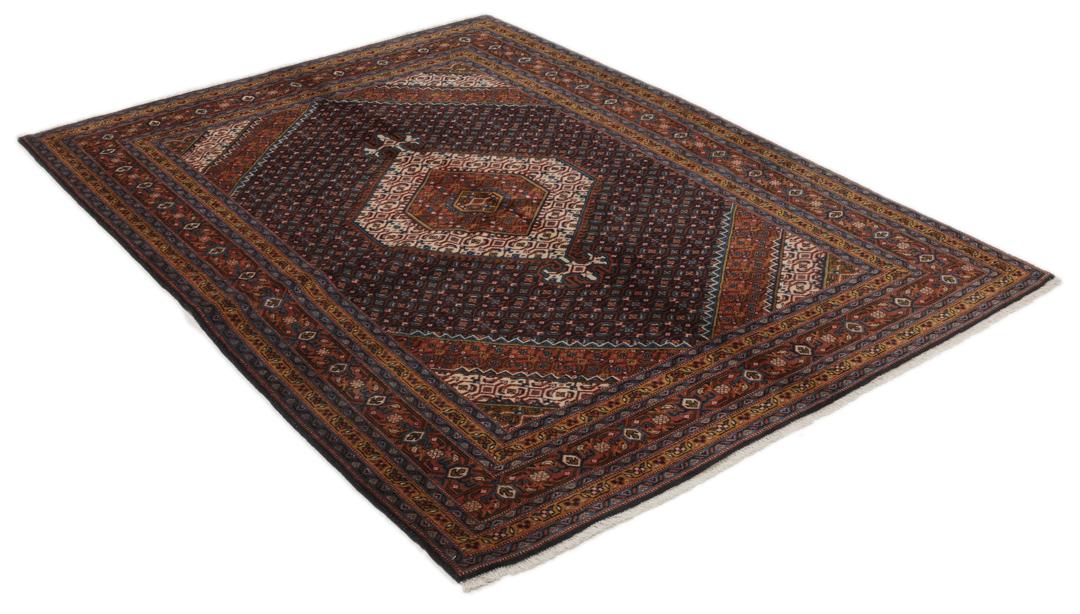
Ardebil rugs are named after the historic city of Ardebil in the northwestern part of the Middle East. This region has long been a significant centre for carpet weaving, known for producing pieces that are both structurally robust and visually sophisticated. The tradition of weaving in this area is deeply intertwined with the cultural history of the region, where the art of the loom has been a primary form of expression for centuries.
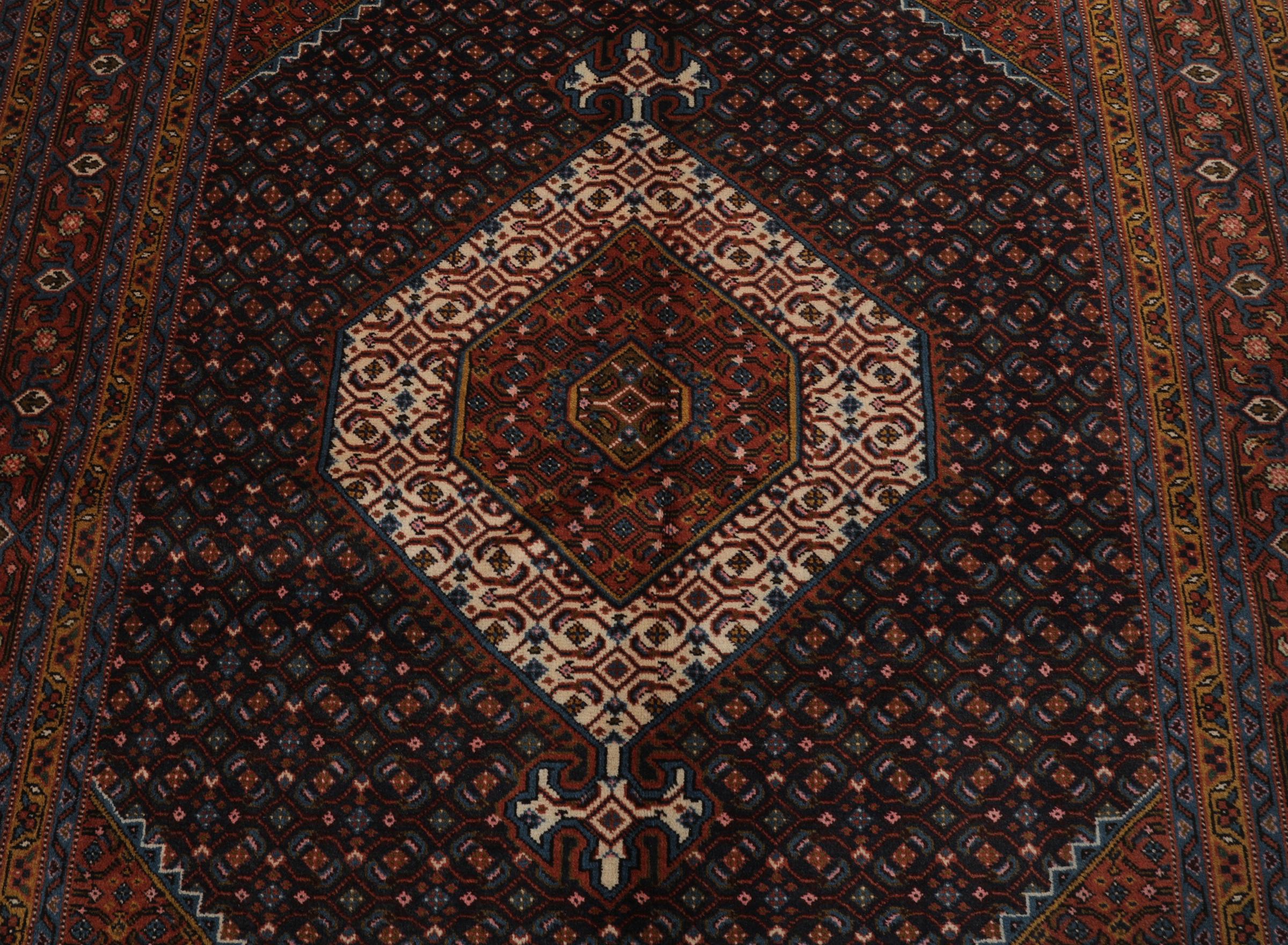
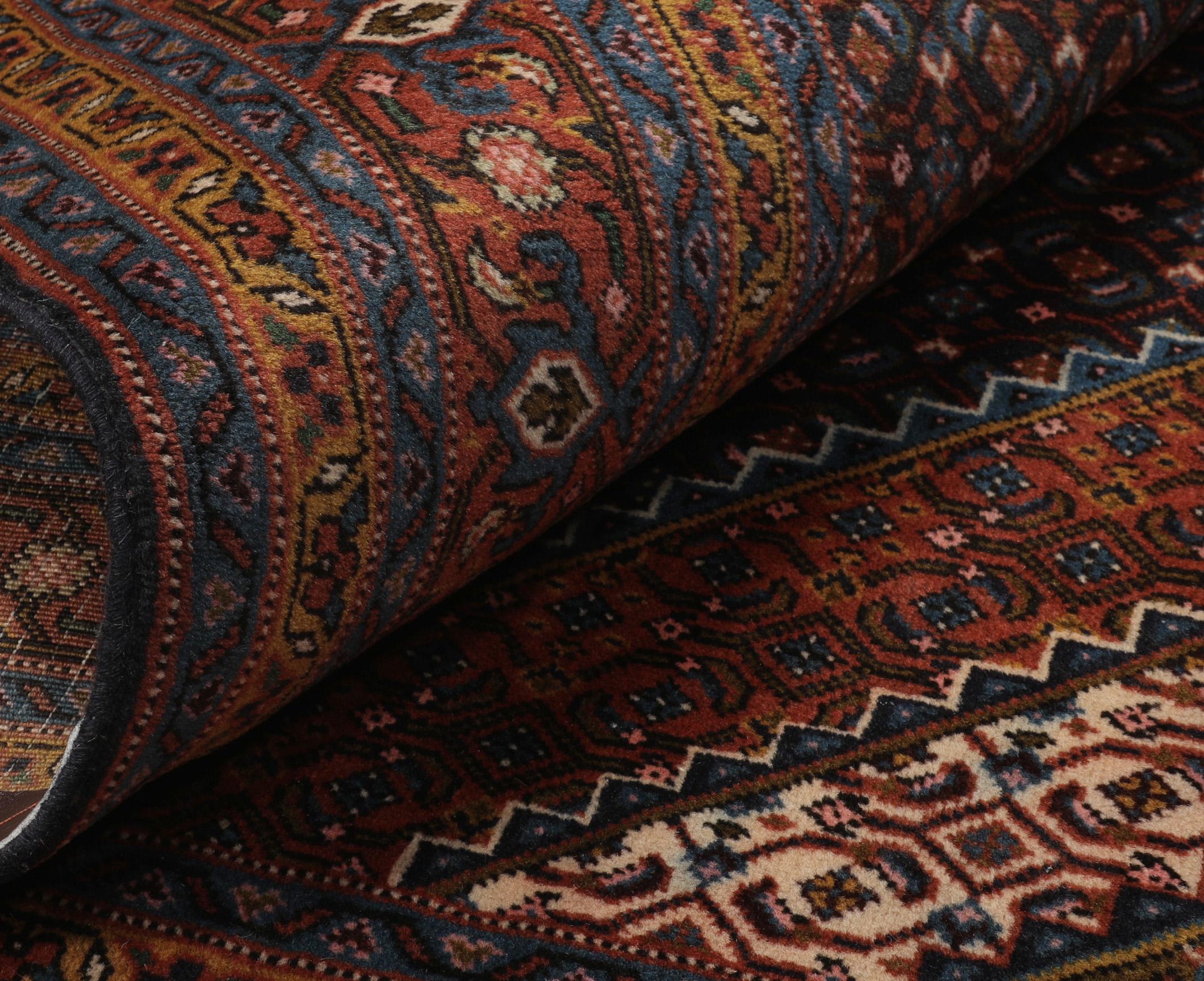
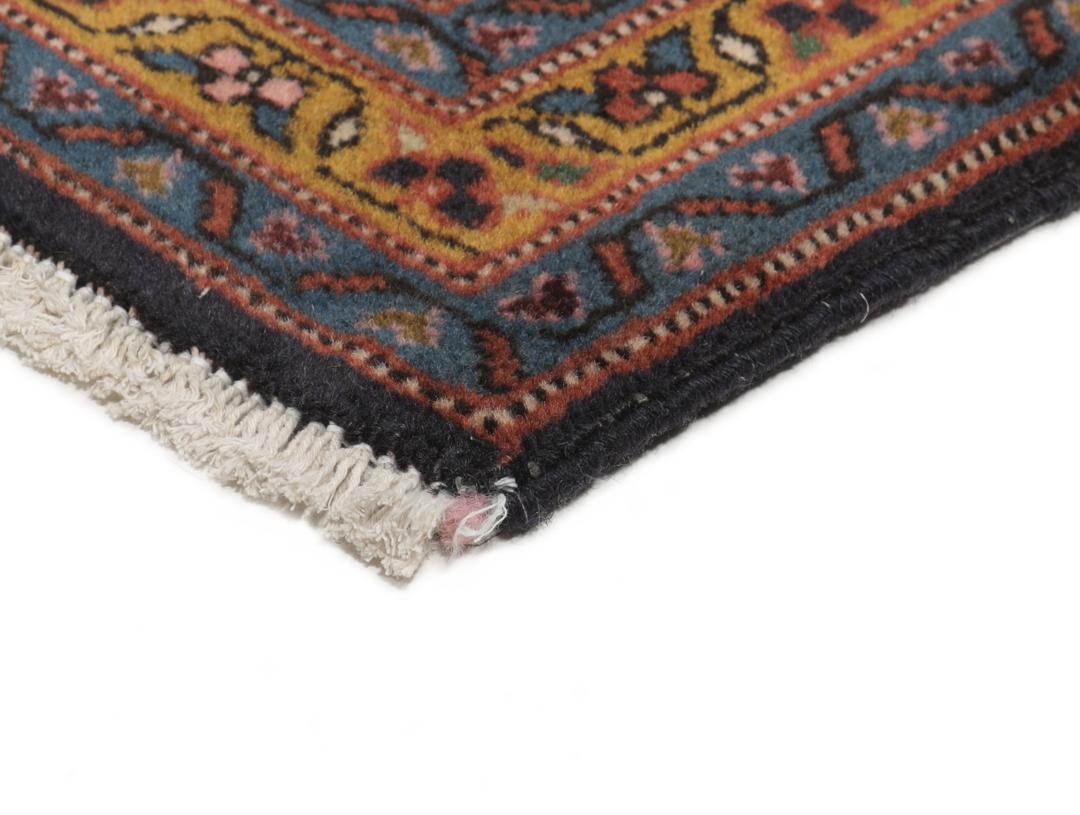
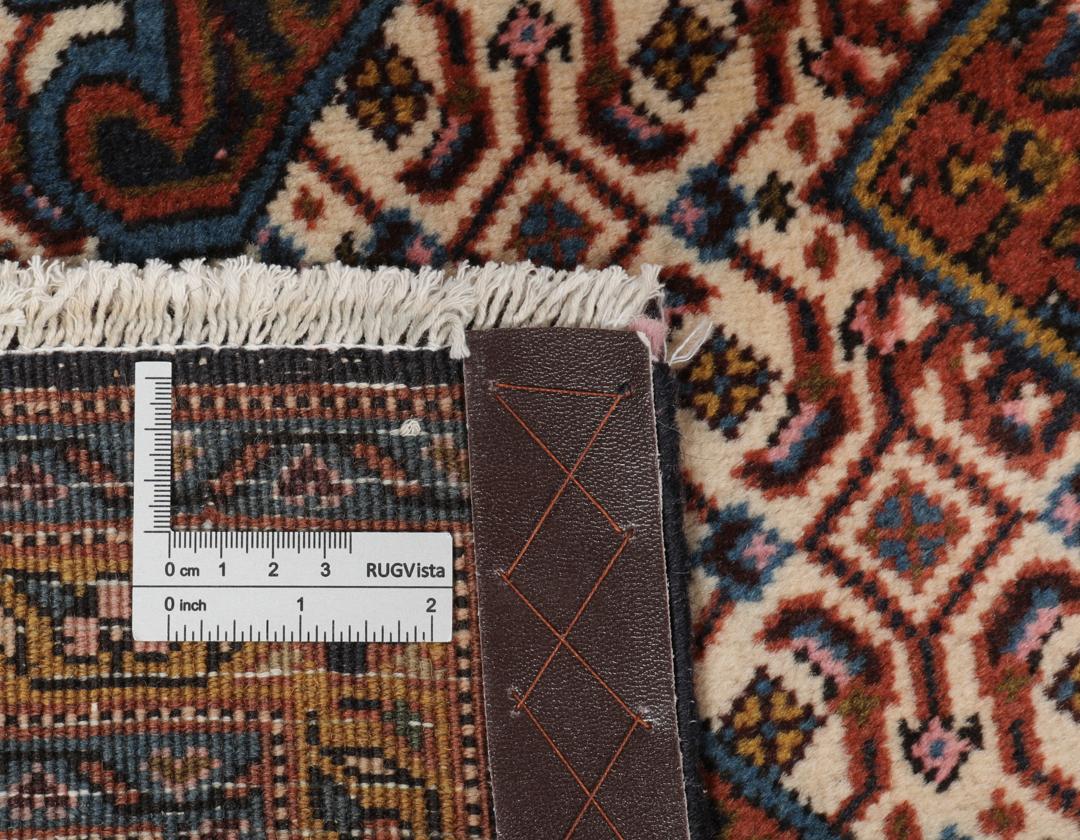
The quality of these rugs is often defined by their construction, specifically the way the pile is secured to the foundation. In fine examples like this one, the density of the knots is a key indicator of the skill involved. A higher knot count allows for more fluid curves and intricate details in the pattern, which is a hallmark of the Ardebil style. This technical precision is what allows these rugs to be both beautiful and functional, serving as a testament to the weaver's expertise.
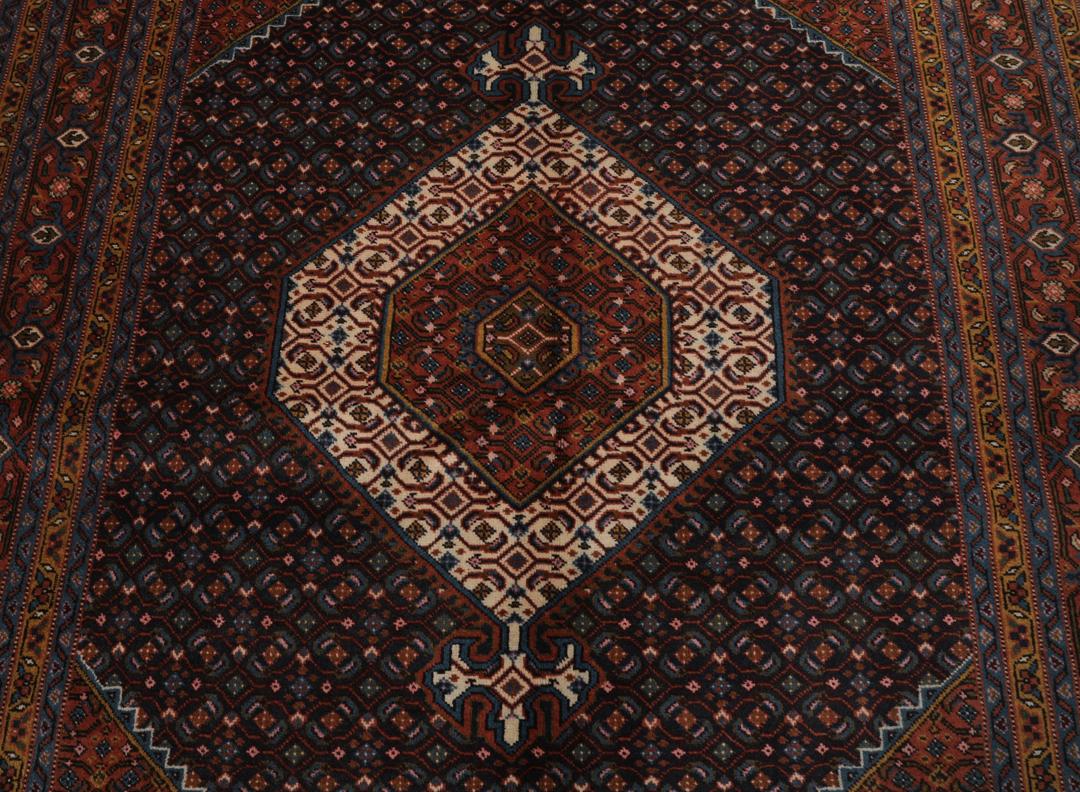
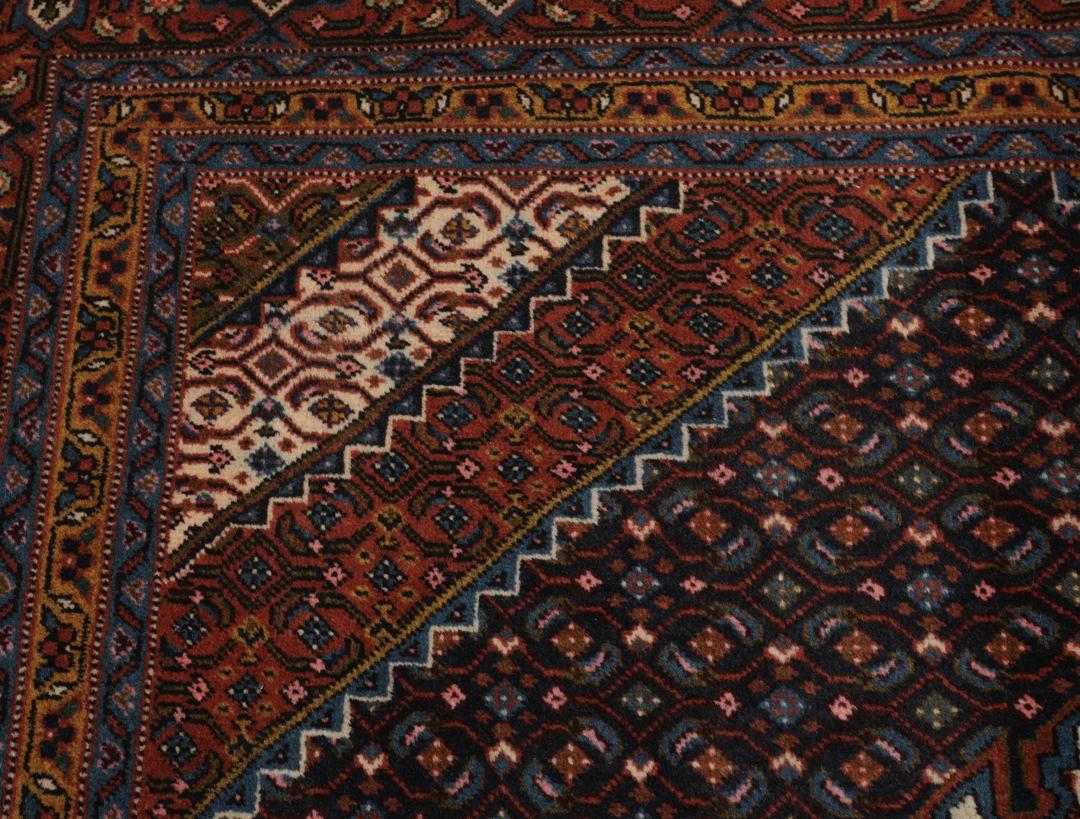
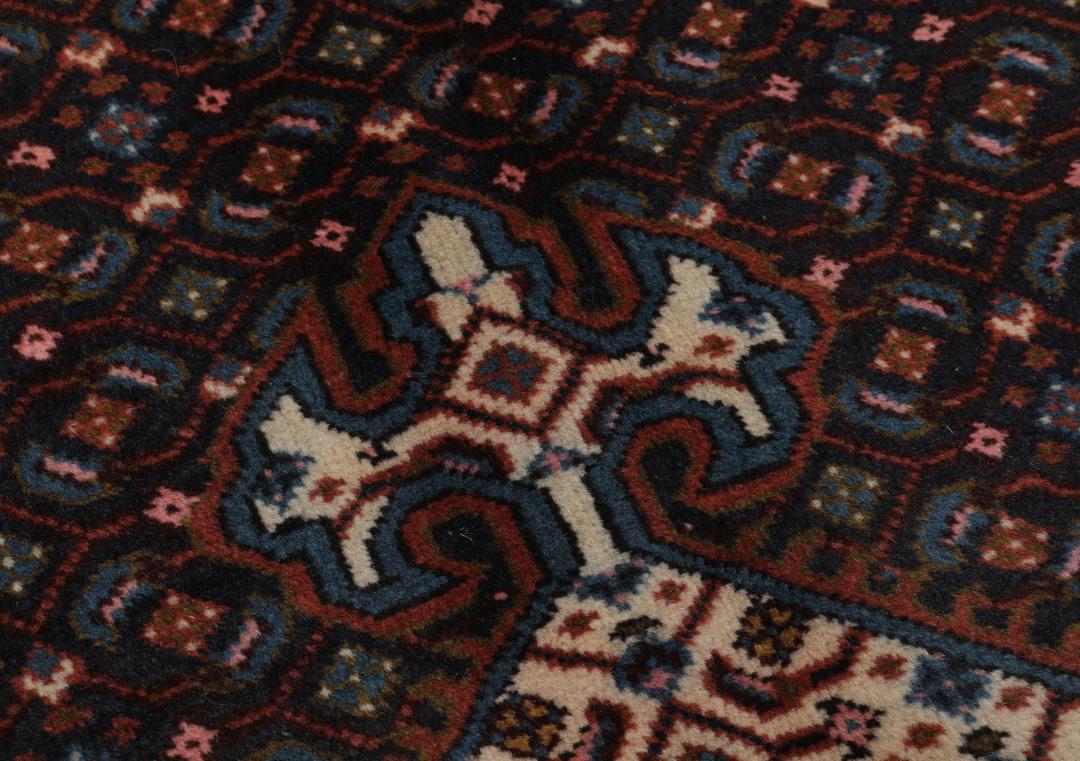
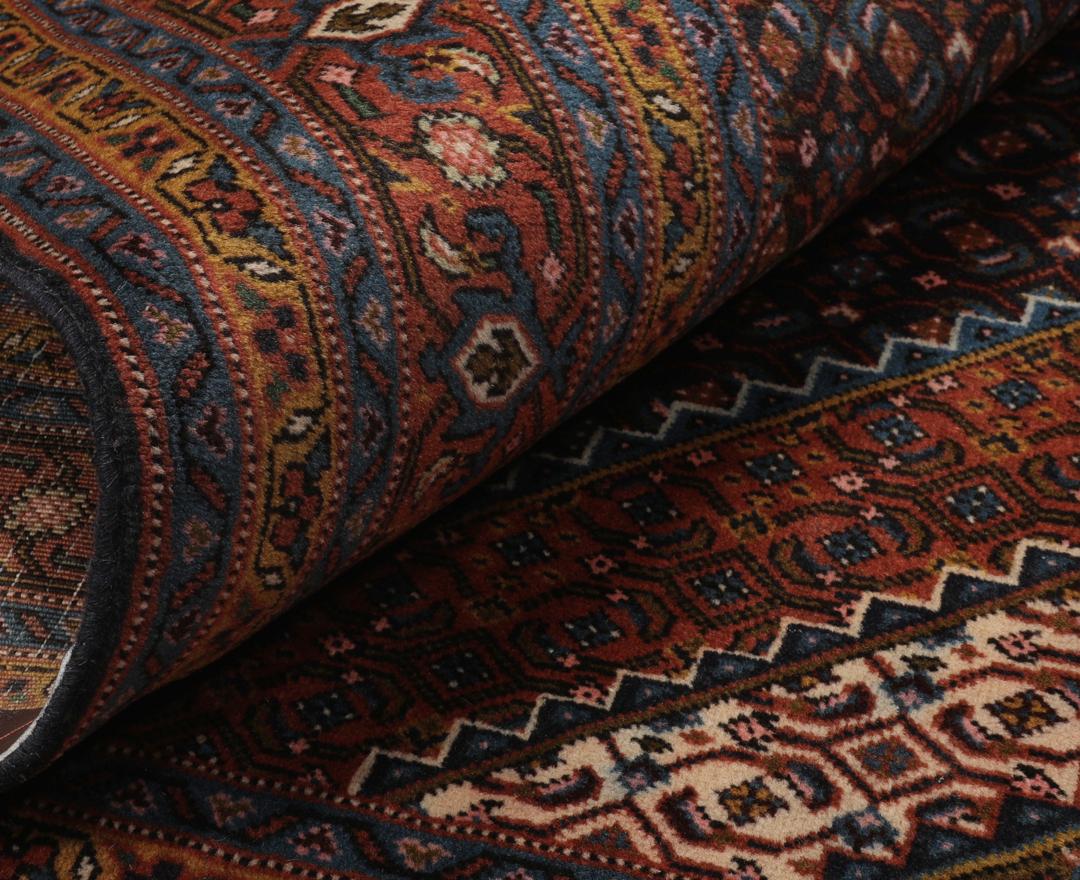
Visually, Ardebil rugs are famous for their balanced compositions. They often feature a large central medallion surrounded by repeating geometric or floral motifs that draw the eye inward. The borders are typically wide and filled with complex guard stripes, providing a clear frame for the central field. This specific piece showcases a deep, rich palette that is emblematic of the region's traditional dyeing techniques, using natural tones to create a sense of timeless elegance.
Collecting an Ardebil rug is a way of connecting with a storied past. These pieces are highly valued not only for their aesthetic appeal but for the cultural weight they carry. Owning one means participating in a legacy of skill and patience, as each rug represents a significant investment of time and human effort. They are designed to be passed down, gaining character as they age and remaining a central element of the home for generations.