The Shirvan tradition originates from the eastern Caucasus, a region with a storied history of rug weaving that stretches back centuries. Situated at the crossroads of various cultures, this area developed a distinct visual language that draws influences from Middle Eastern, Turkic, and local Caucasian design aesthetics. Rugs from this region are celebrated for their technical precision and their ability to capture complex narratives within a woven frame.
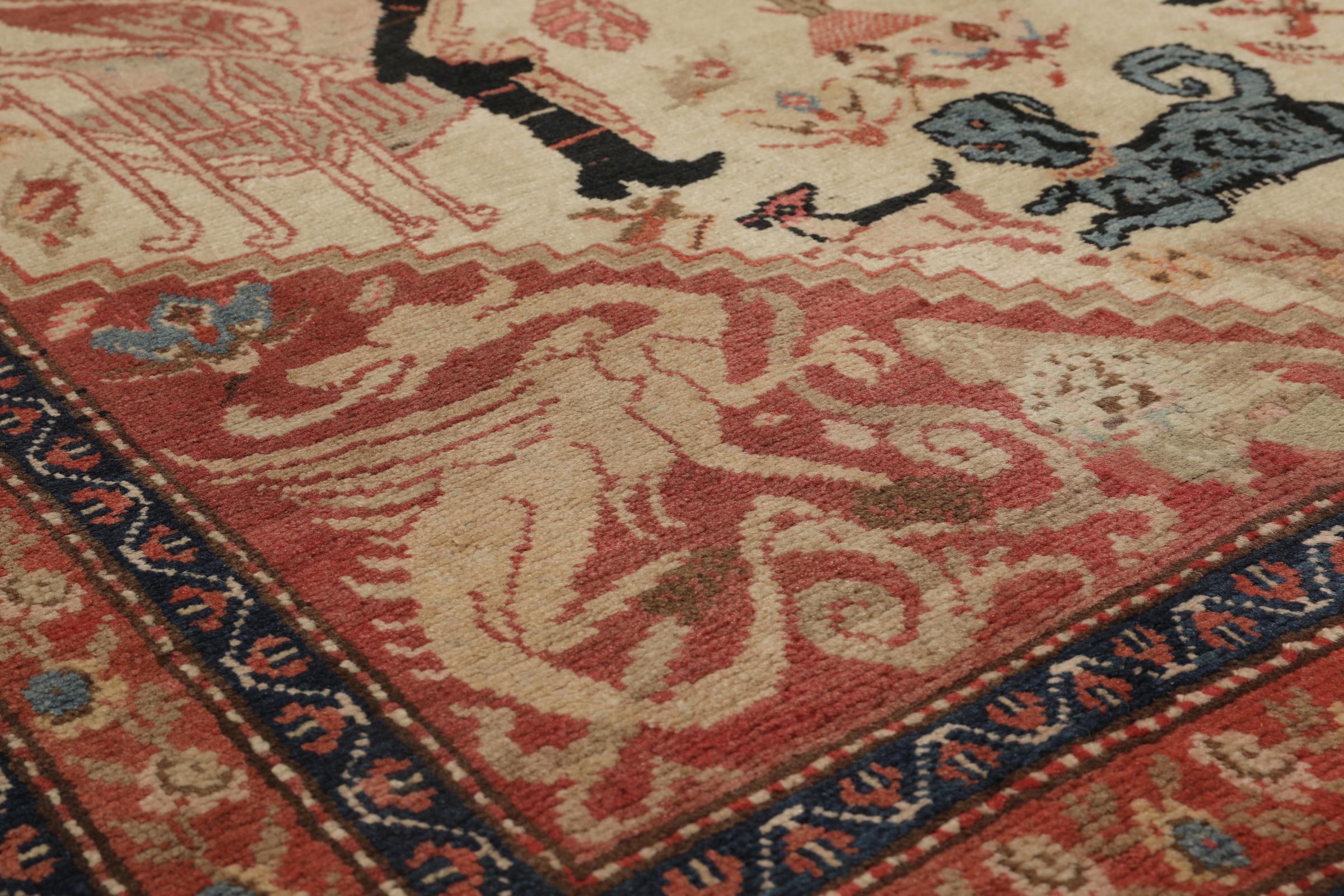
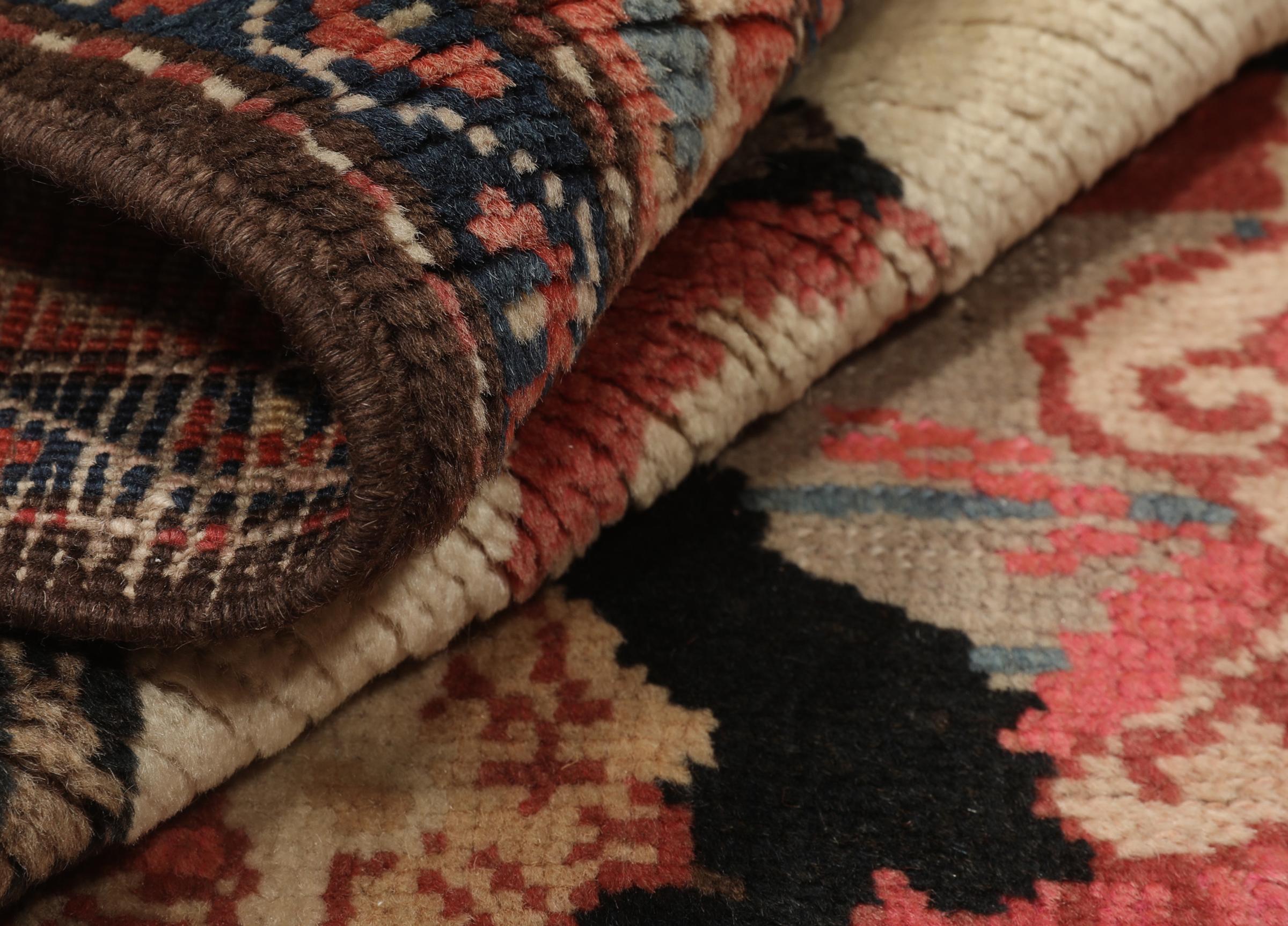
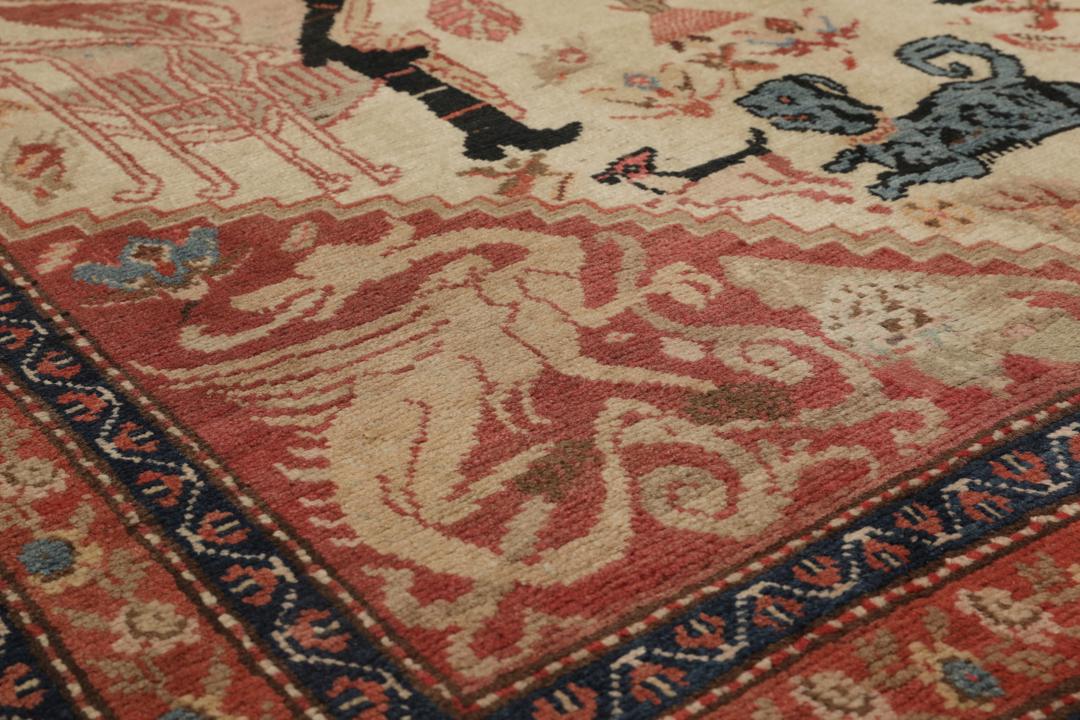
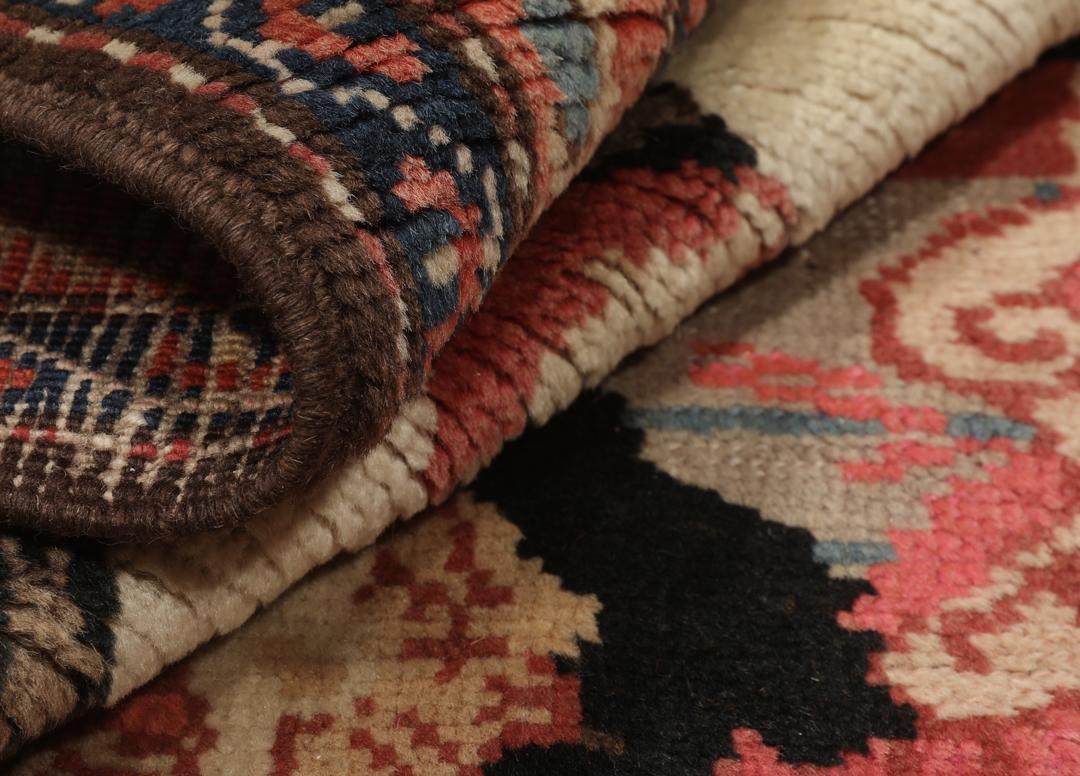
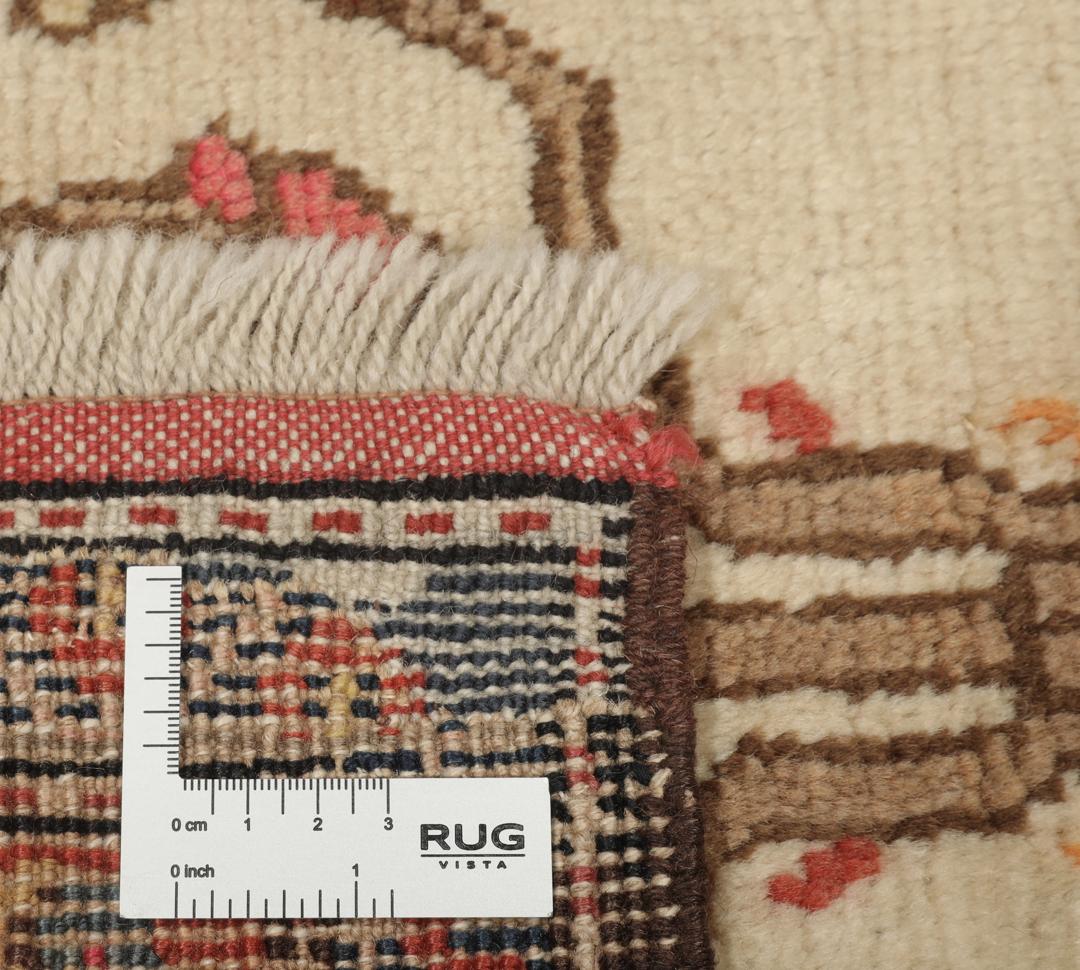
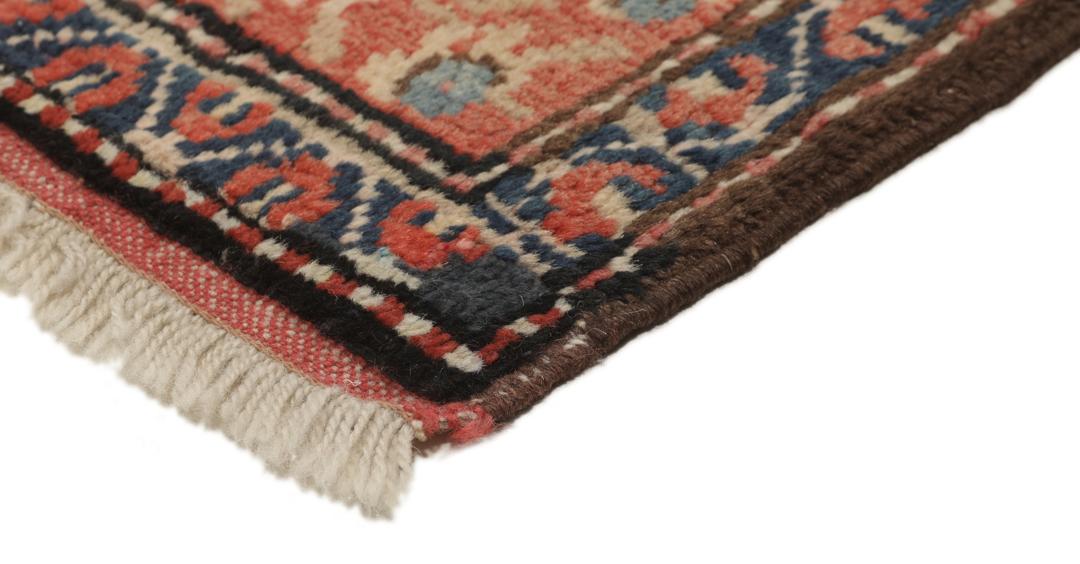
Technical mastery is a hallmark of Shirvan rugs. The term refers not just to a geographic origin but to a specific way of working with Wool and foundation materials that yields a sturdy, long-lasting product. The construction is characterised by a firm, tight weave that allows for the intricate, geometric, and often pictorial motifs that the region is famous for. This density is what protects the rug over generations, ensuring that the pile does not lose its definition or its comfort.
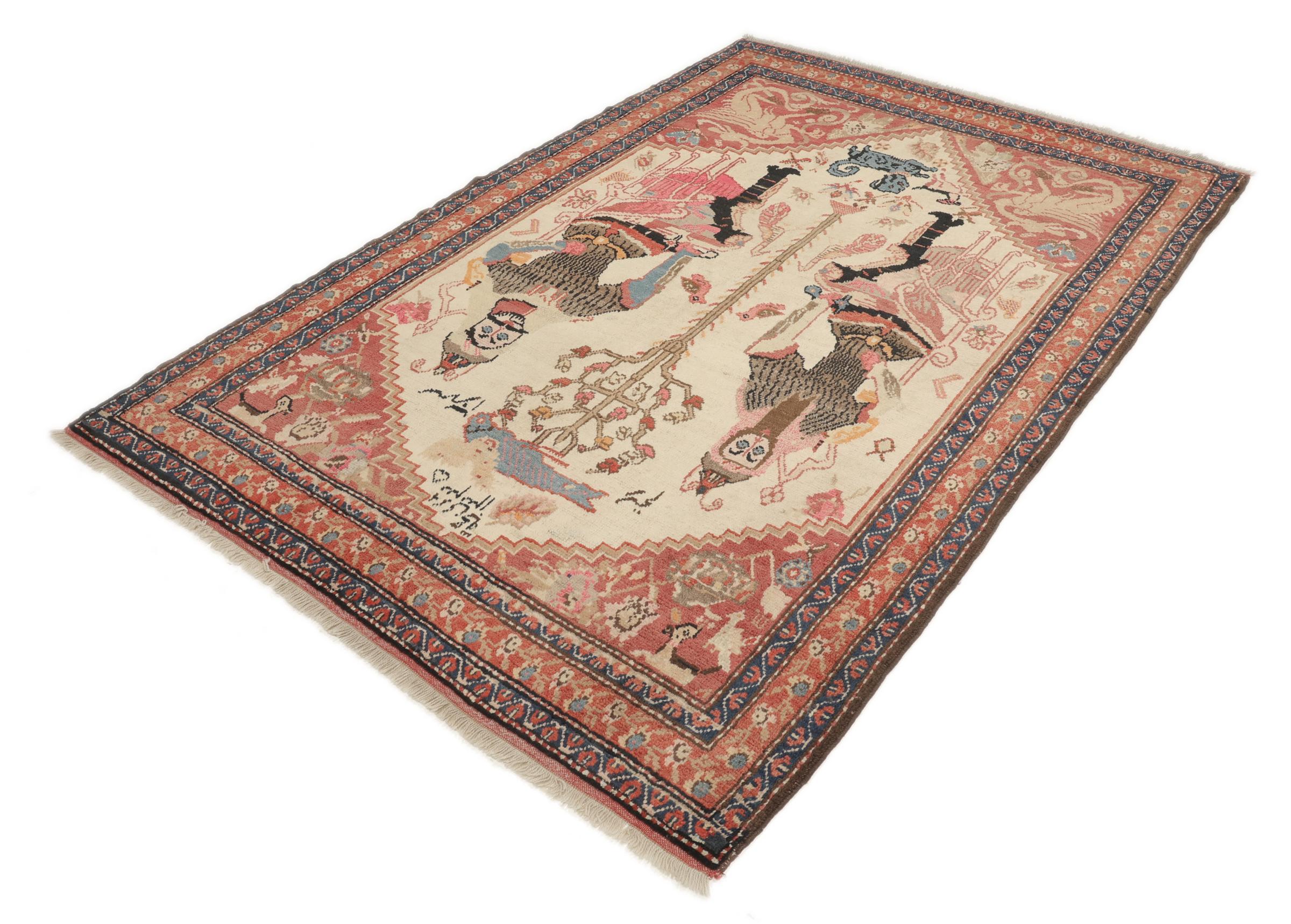
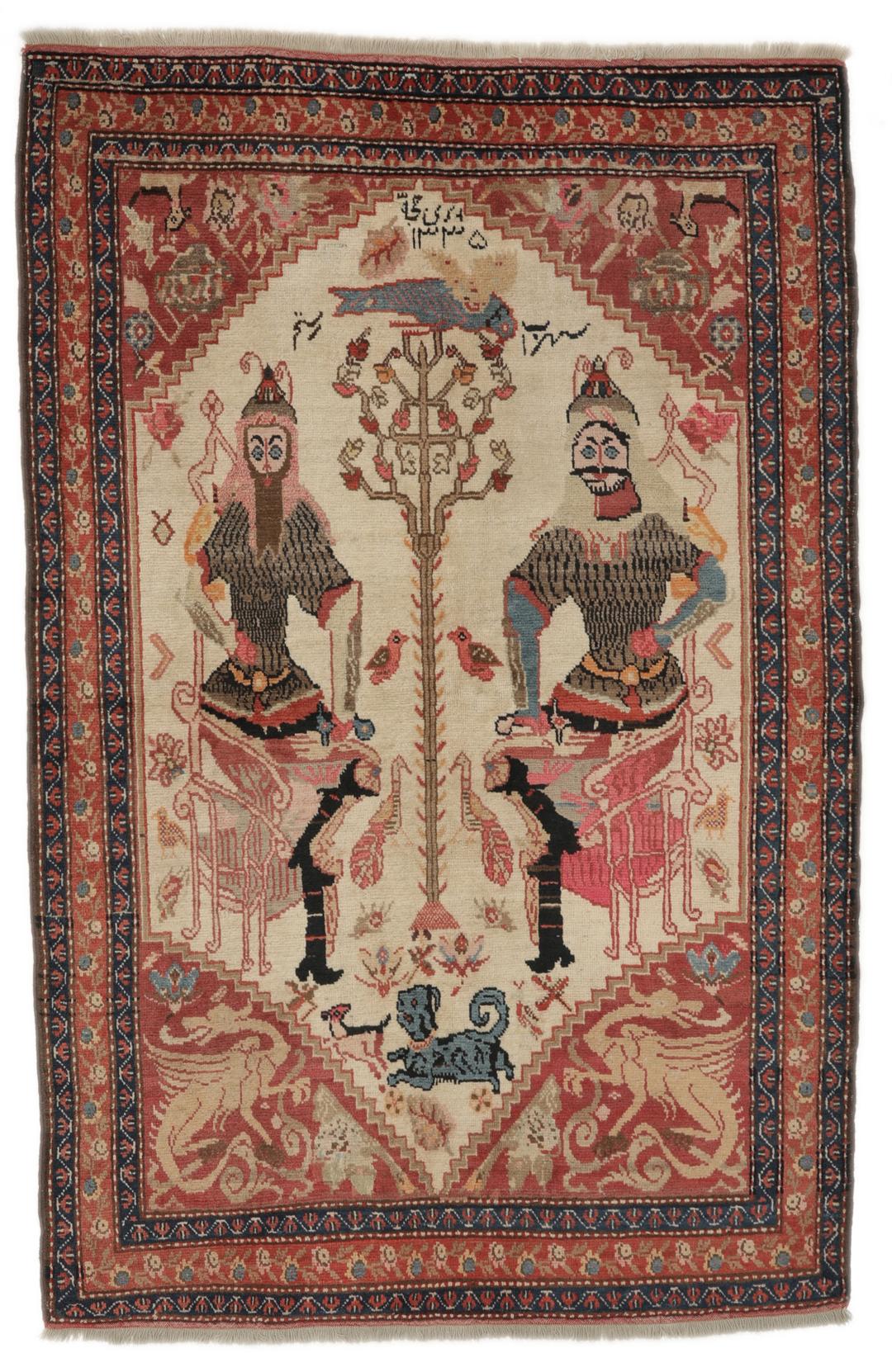
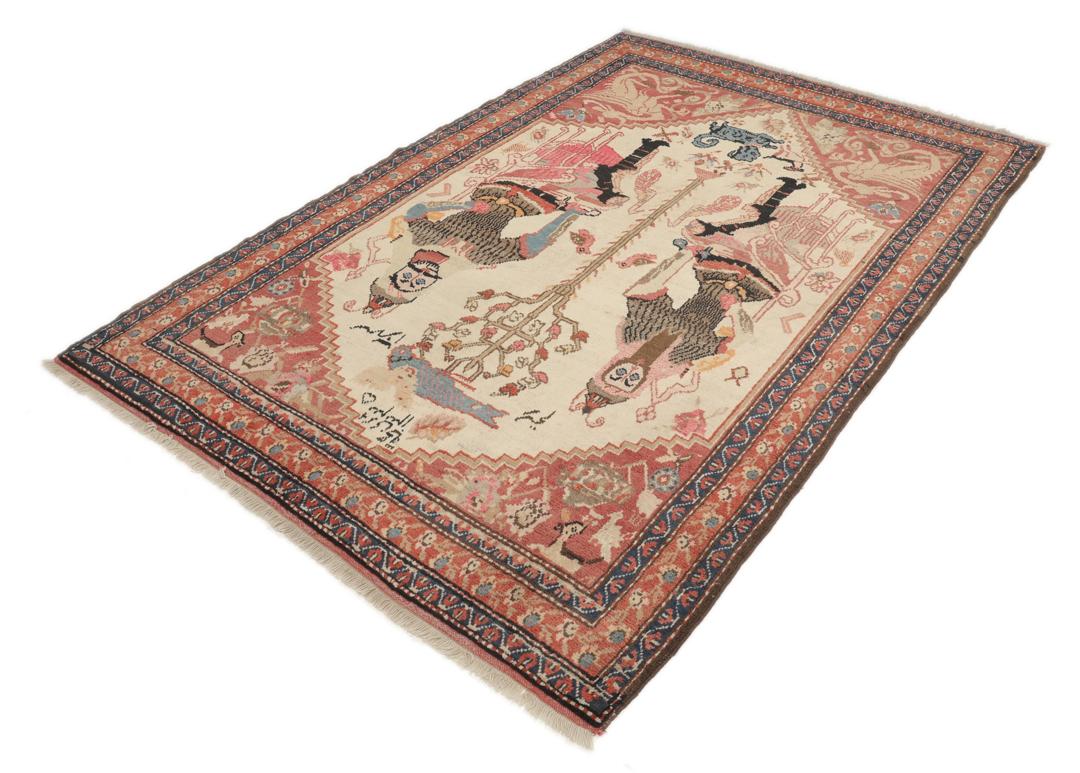
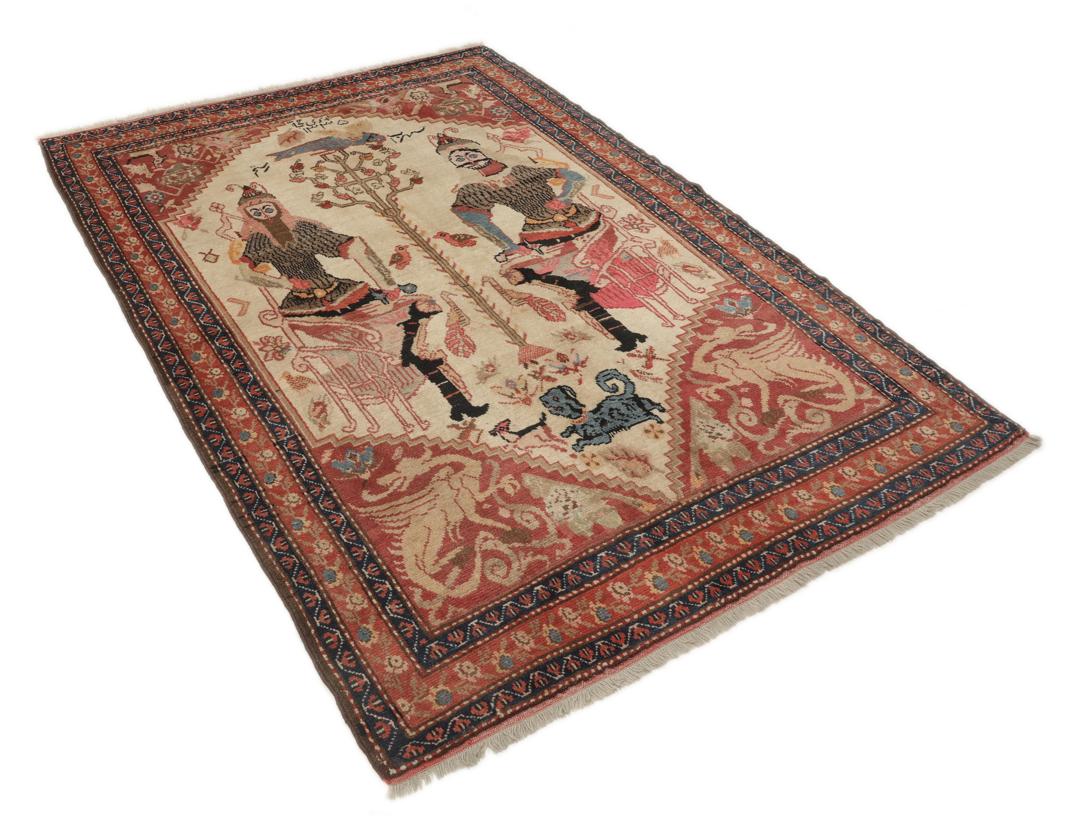
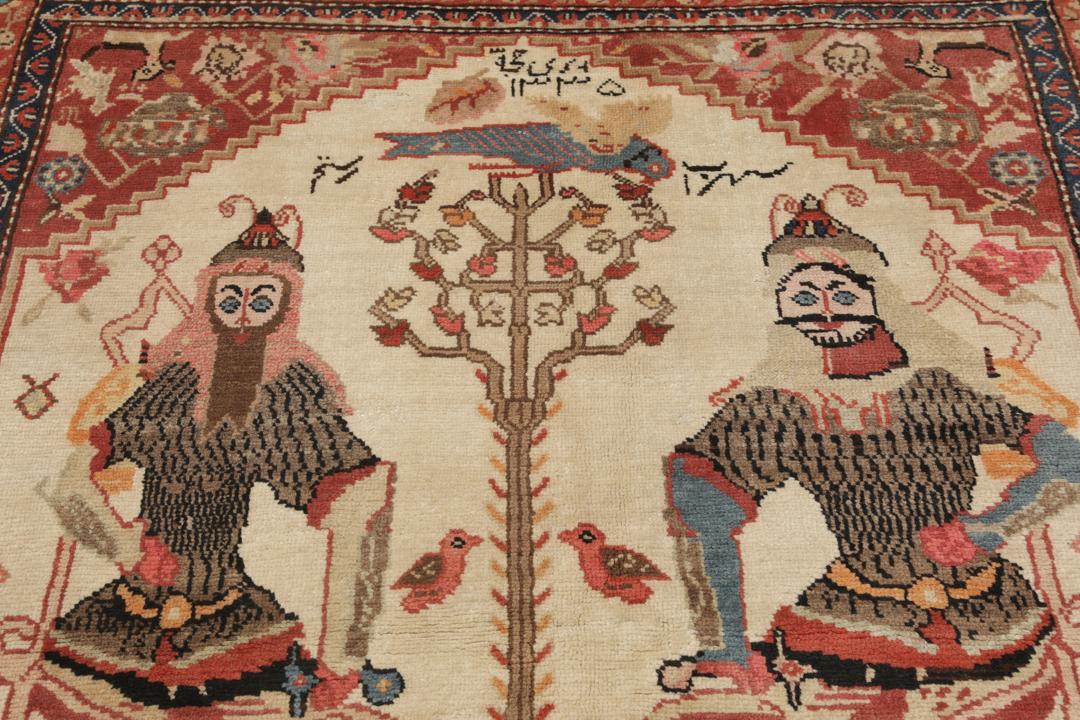
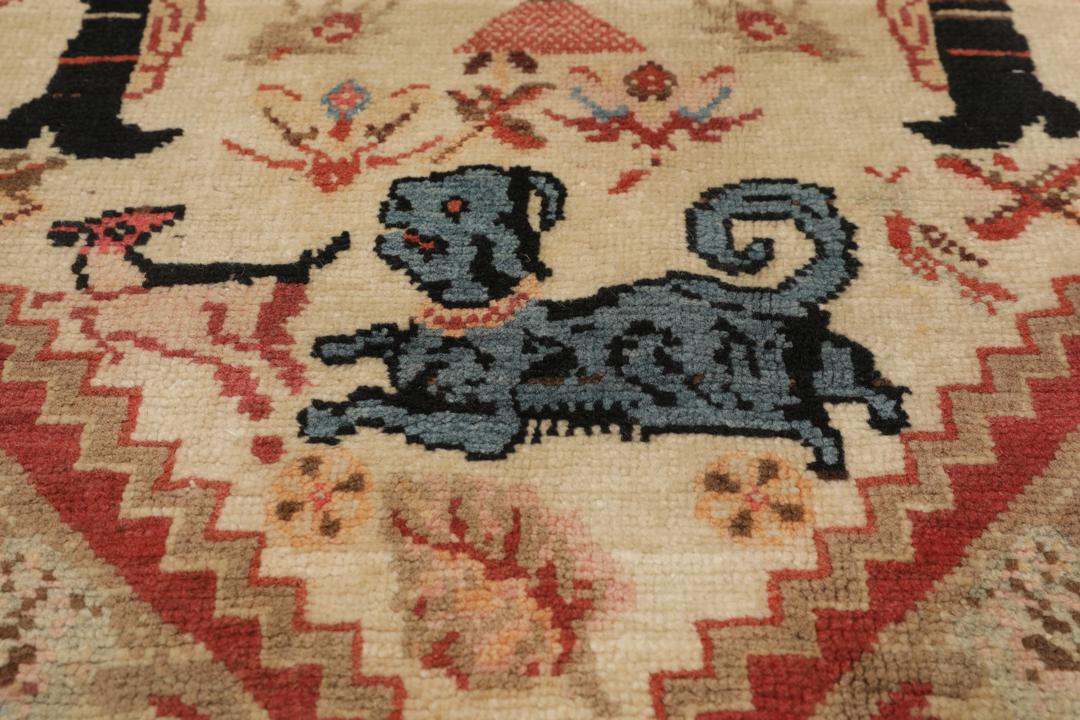
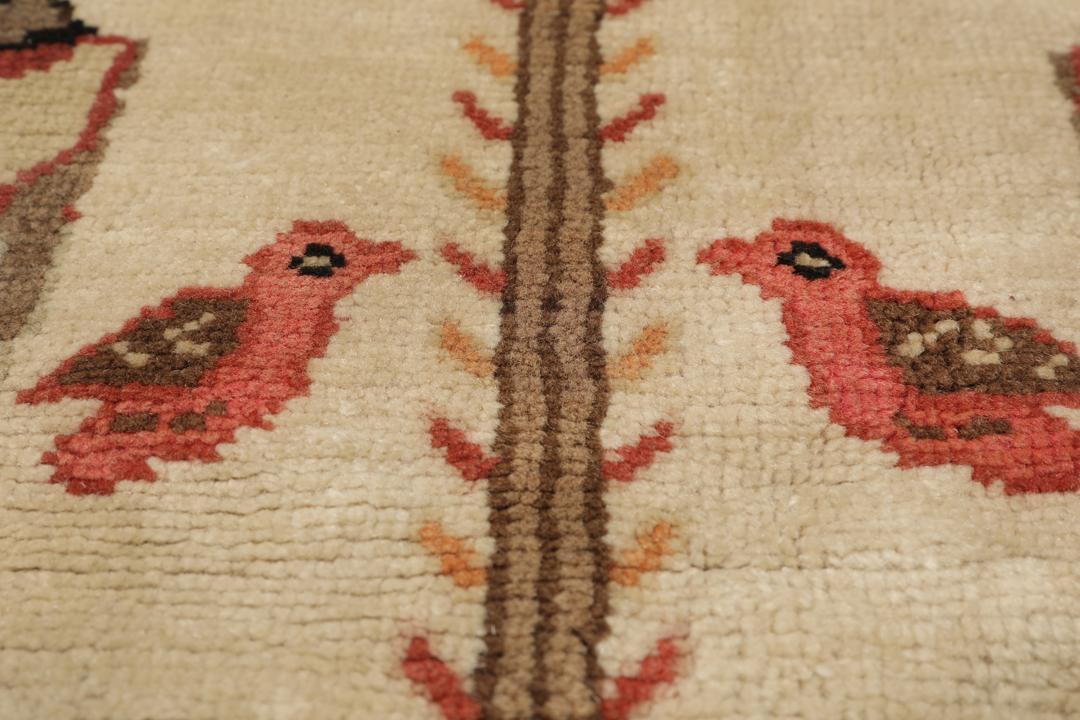
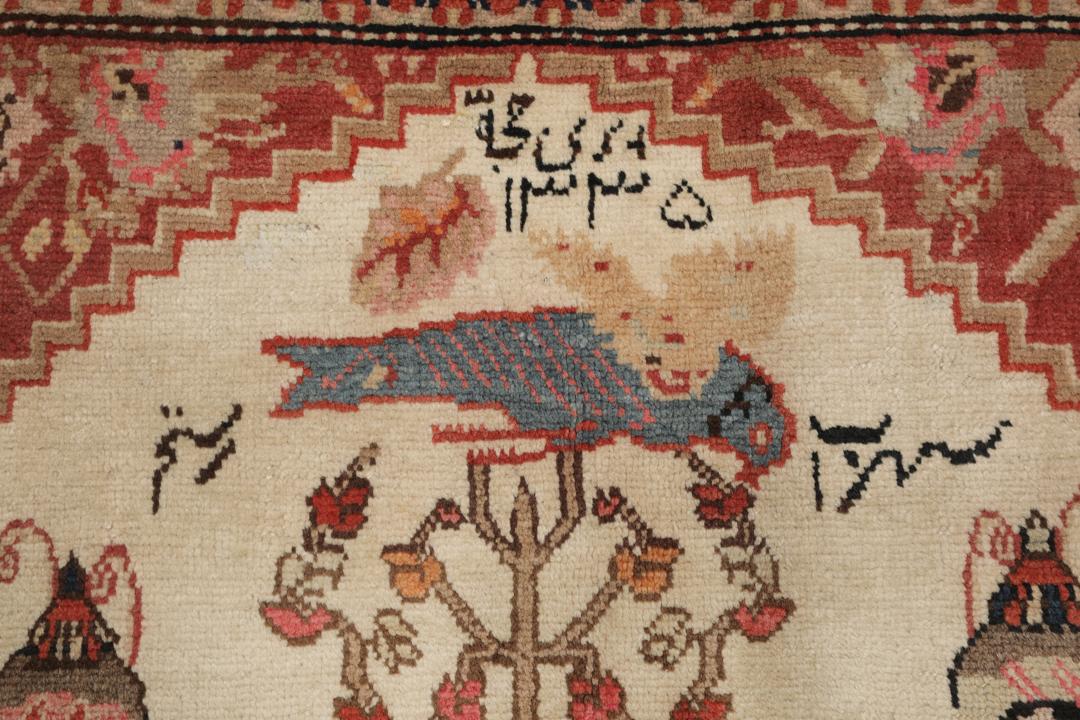
Visually, Shirvan rugs are known for their bold, often pictorial imagery. While many Caucasian rugs lean toward abstract or geometric patterns, the Shirvan style often incorporates human figures, animals, and symbolic trees of life, as seen in this particular piece. The use of a formal, often multi-layered border serves to frame these central scenes, creating a structured yet highly expressive composition that is distinctively recognisable to collectors.
Collecting an antique Shirvan is an investment in cultural heritage. These rugs are highly valued for their rarity and the skill required to produce them, often representing the pinnacle of village-based weaving traditions. Owning such a rug is a commitment to preserving a craft that has been passed down through generations, offering a tangible link to the history and the artistic spirit of the Caucasus.