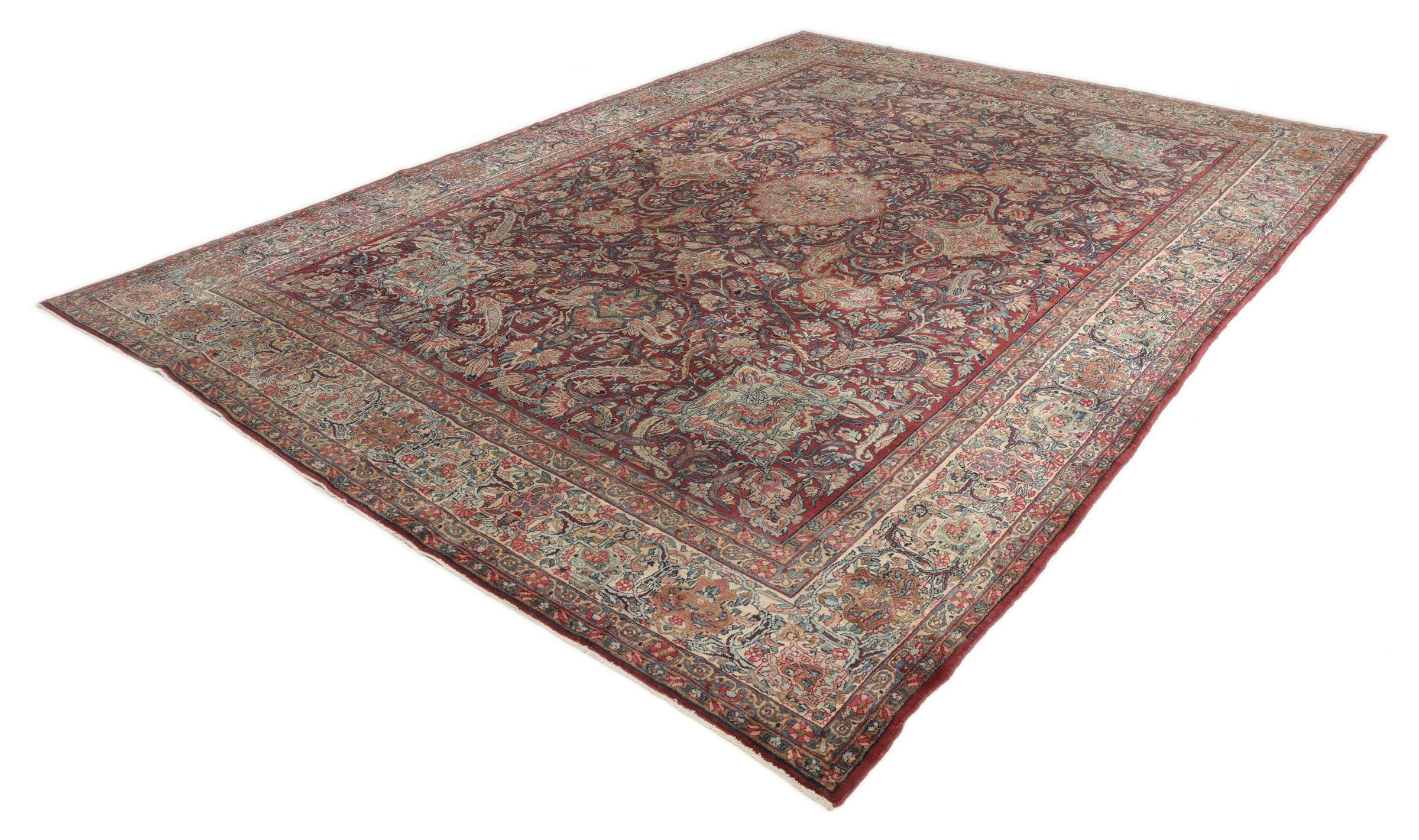
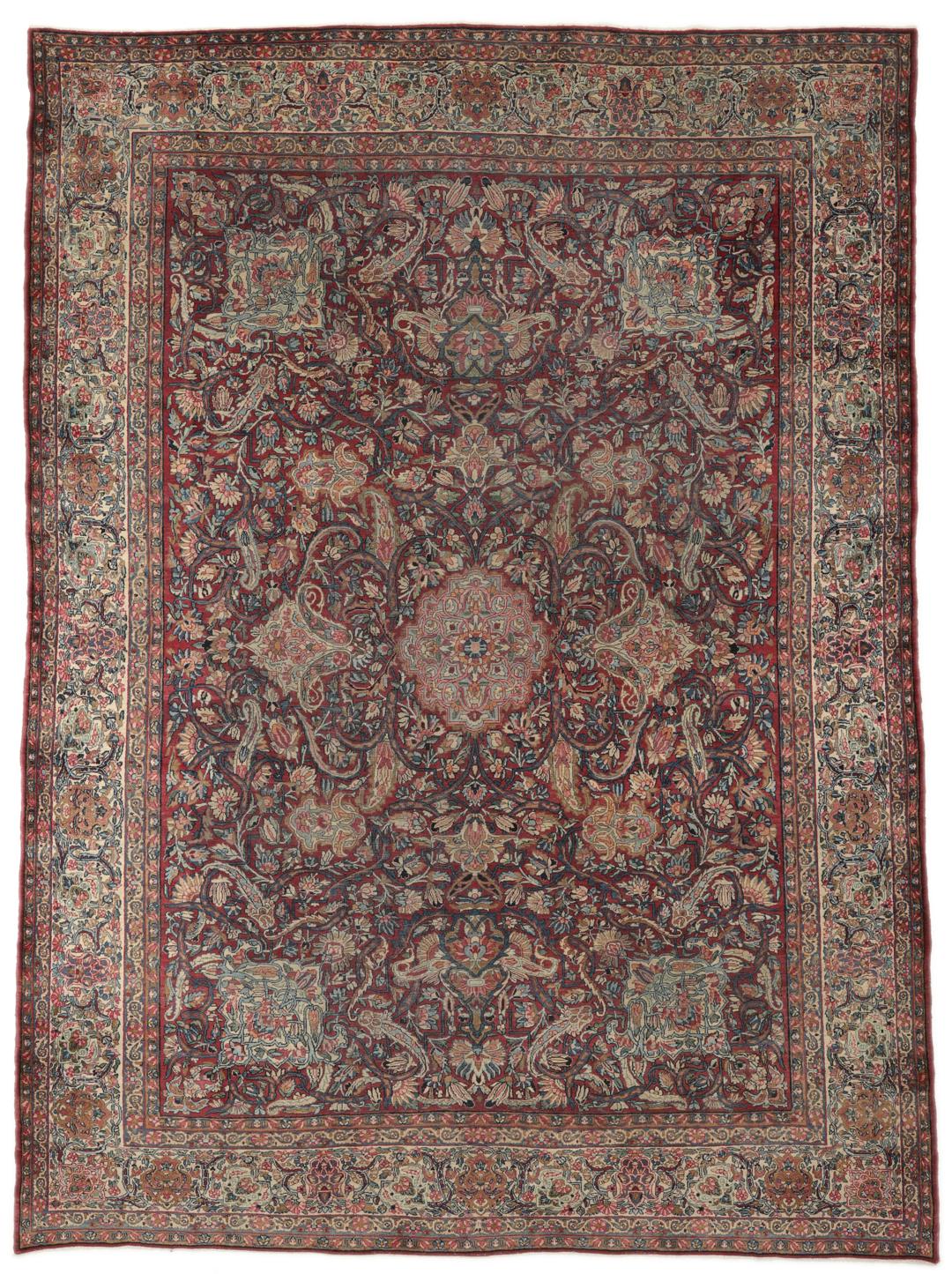
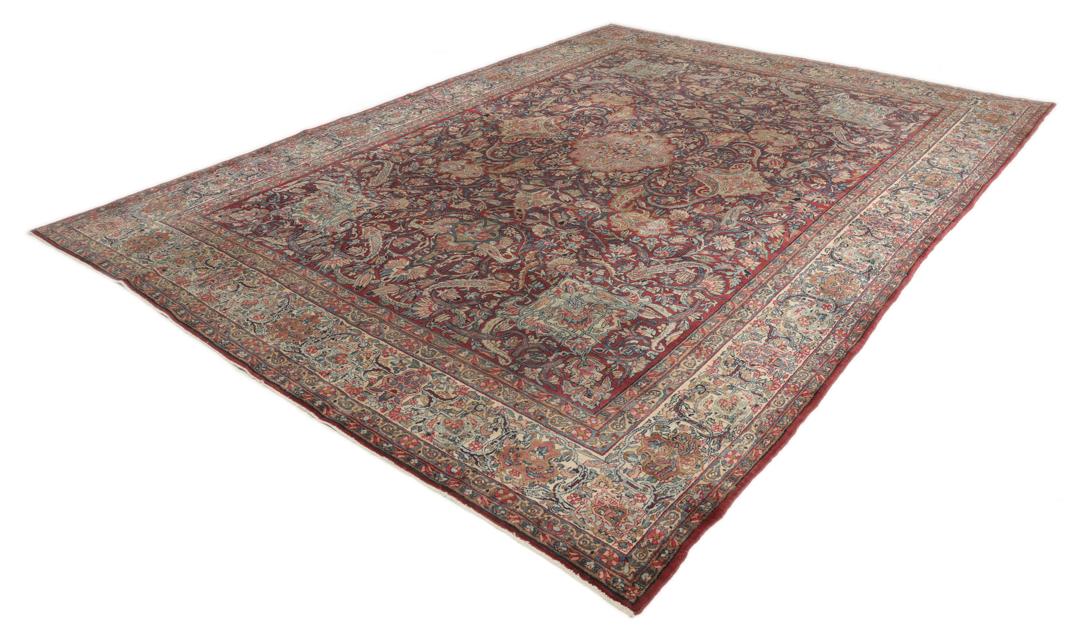
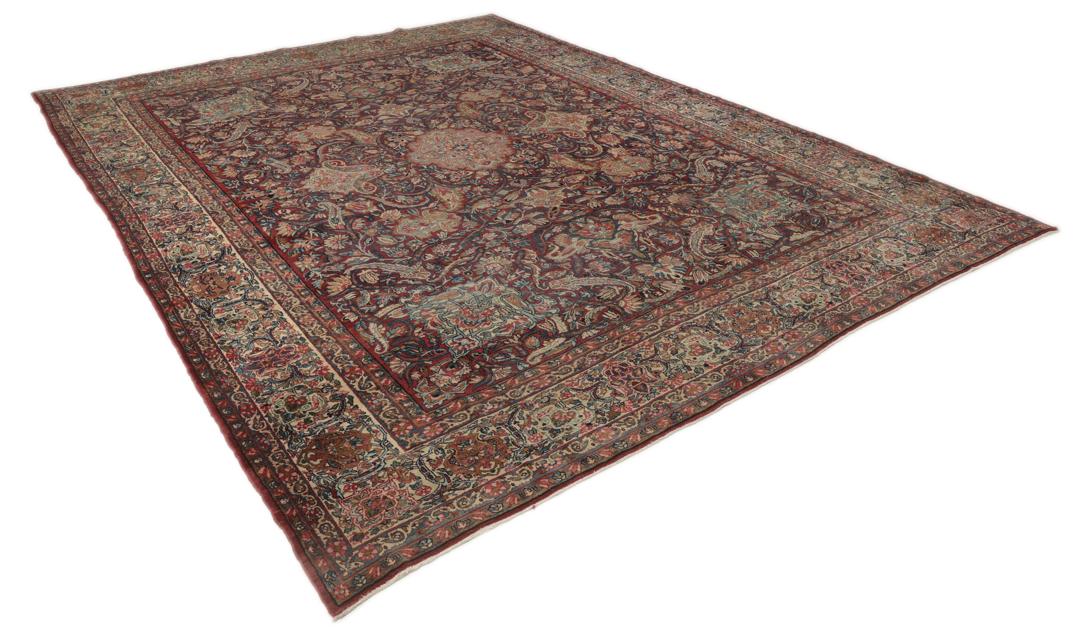
Kerman rugs originate from the historic city of Kerman in Persia, a renowned hub of textile artistry positioned along ancient trade routes. For centuries, weavers in this region have refined techniques that blend poetic design sensibilities with robust construction, creating carpets that have long been treasured by collectors worldwide.
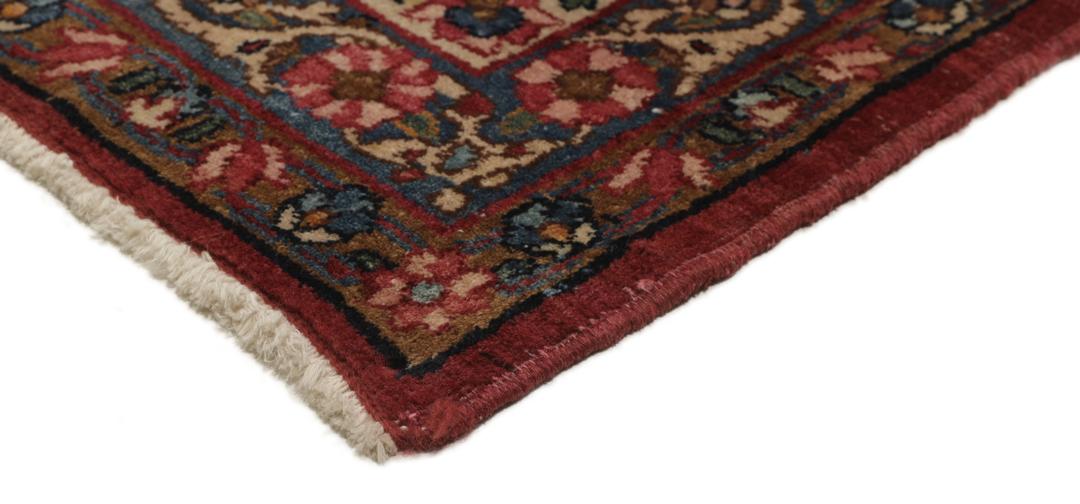
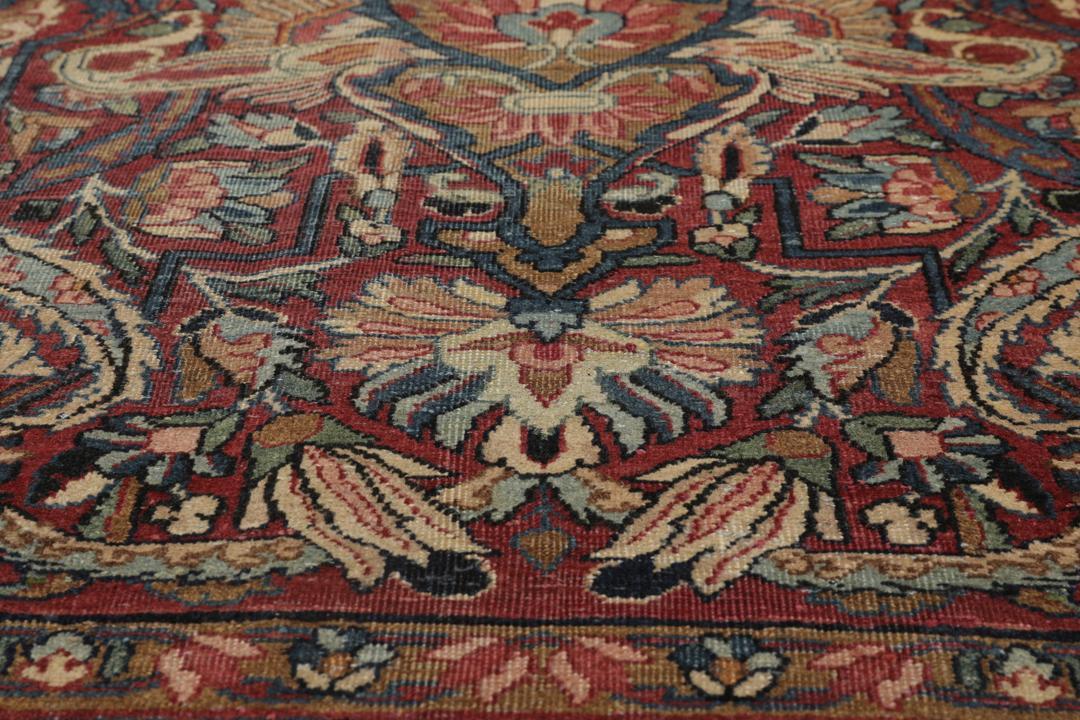
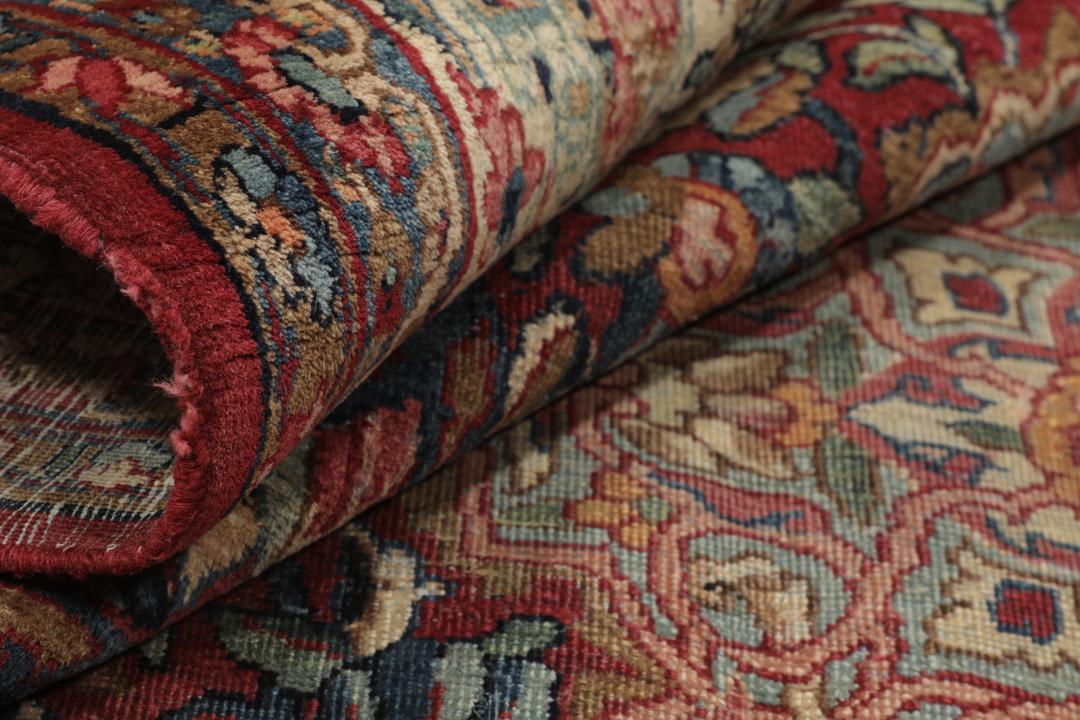
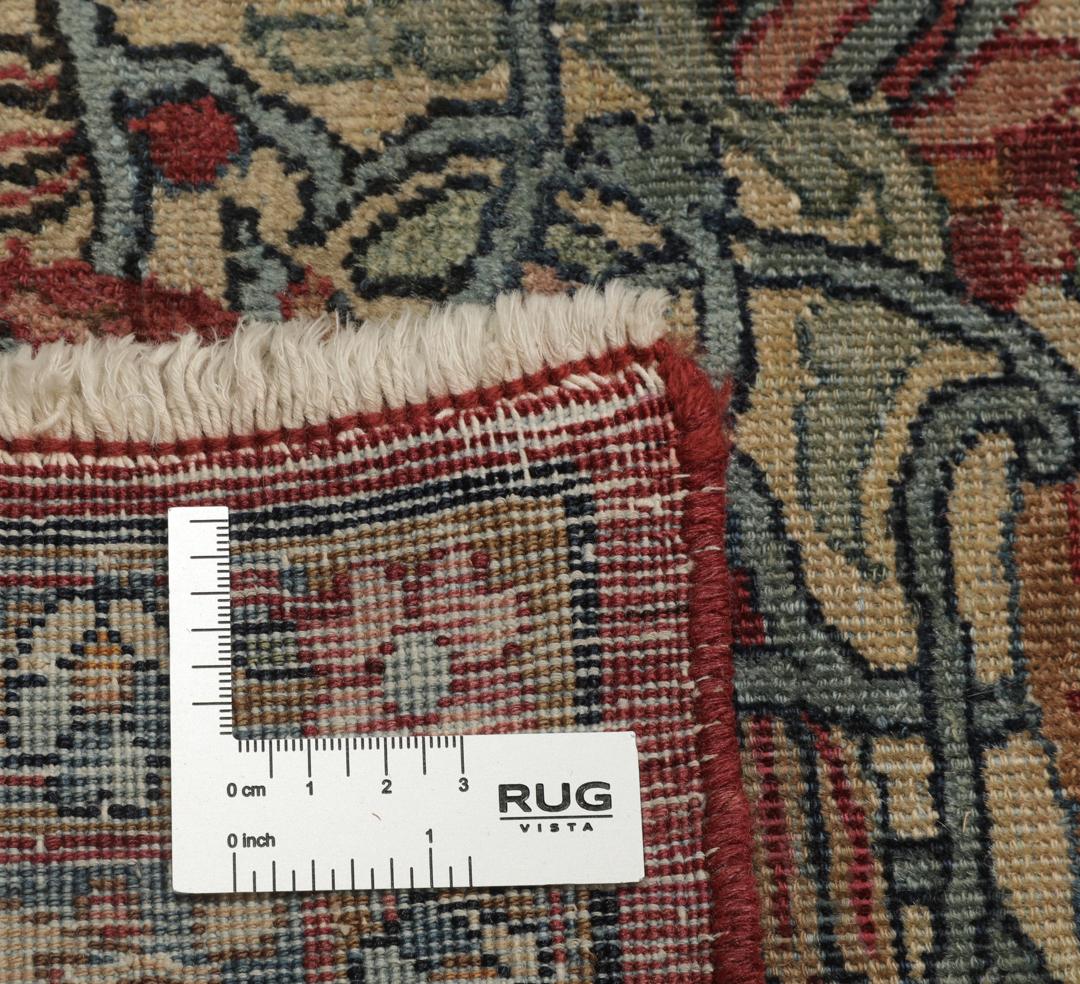
The designation of a hand-knotted pile means each strand of wool is individually secured to the warp and weft threads, a method that allows for intricate curves and detailed pictorial motifs that printed or tufted rugs simply cannot achieve. This meticulous construction method ensures the pile remains upright, resilient, and rich in texture over decades of daily life.
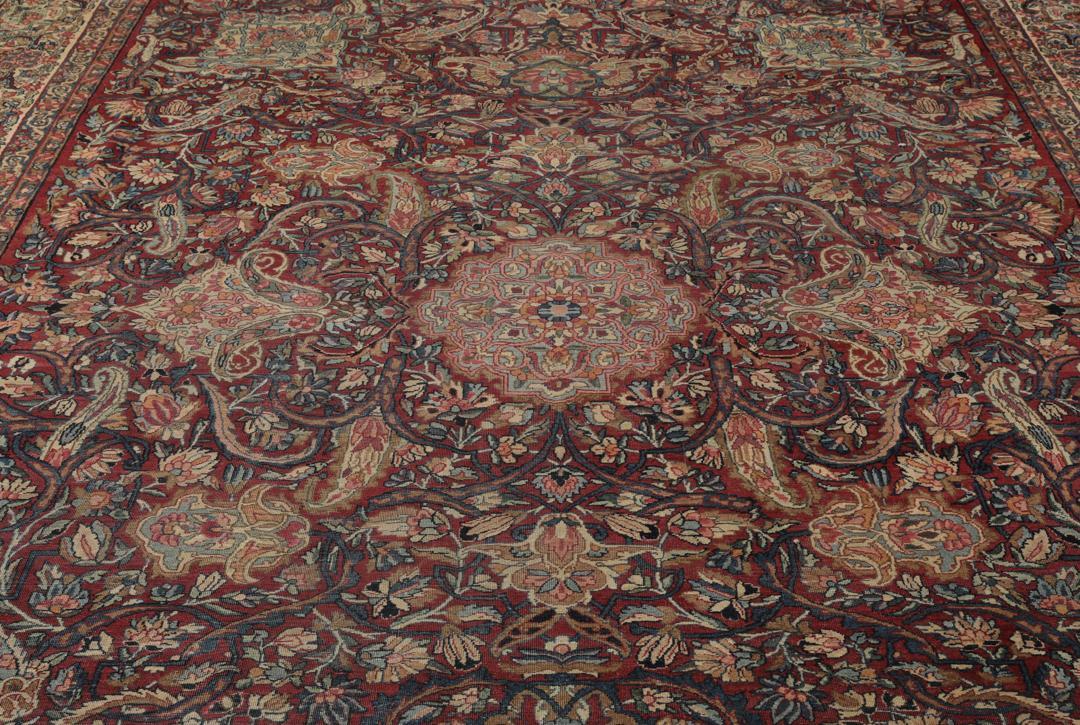
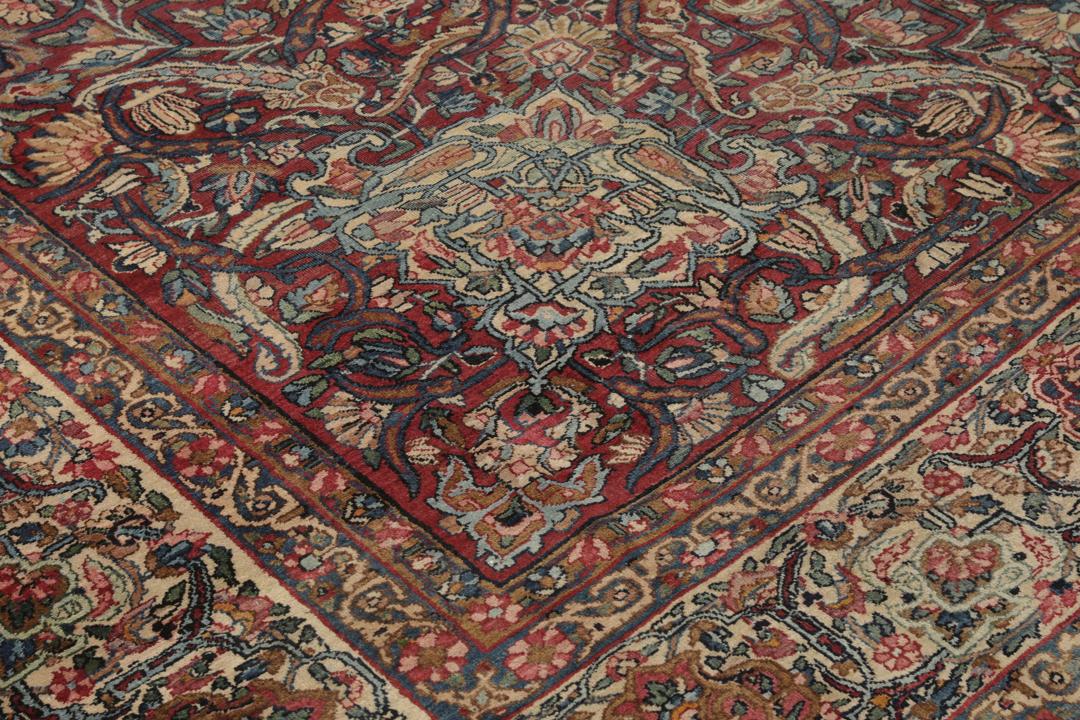
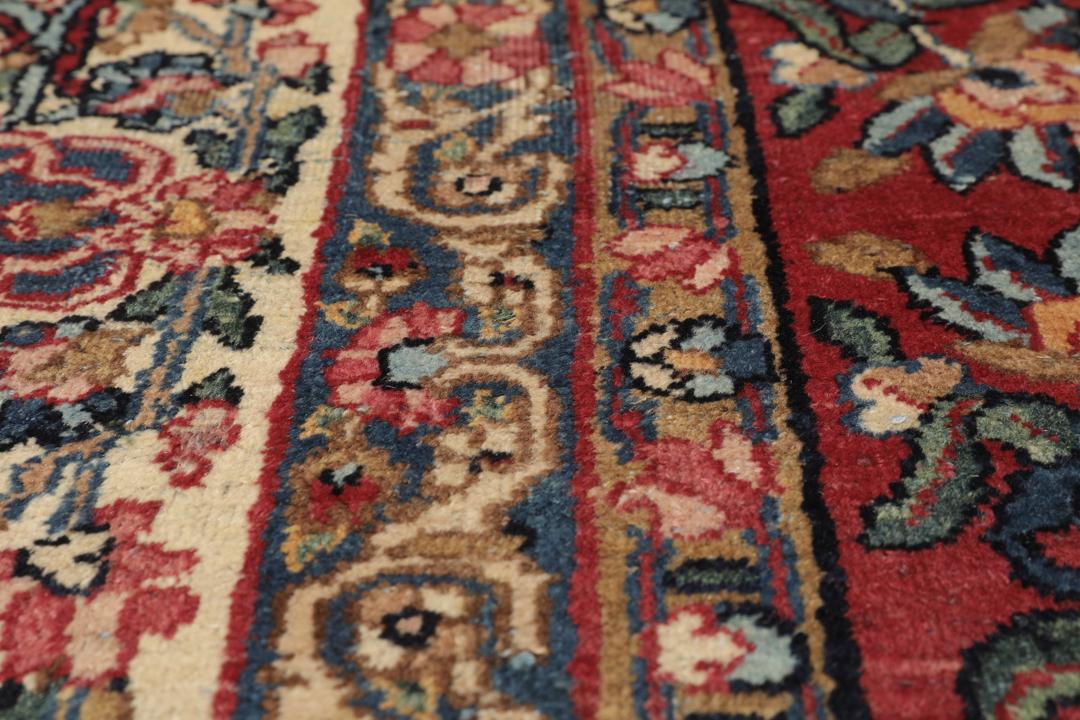
Signature design elements of traditional Kerman rugs often feature elaborate central medallions, sweeping floral vines, and richly detailed borders inspired by classical gardens. The balanced composition and harmonious use of earthy tones reflect a deep connection to nature and centuries-old artistic codes passed down through generations of families.
Collecting antique rugs from this tradition offers a tangible link to the past, preserving the heritage and hand skills of artisans who lived a century ago. Owning such a piece is an investment in cultural history, bringing warmth, authenticity, and enduring value to contemporary homes.