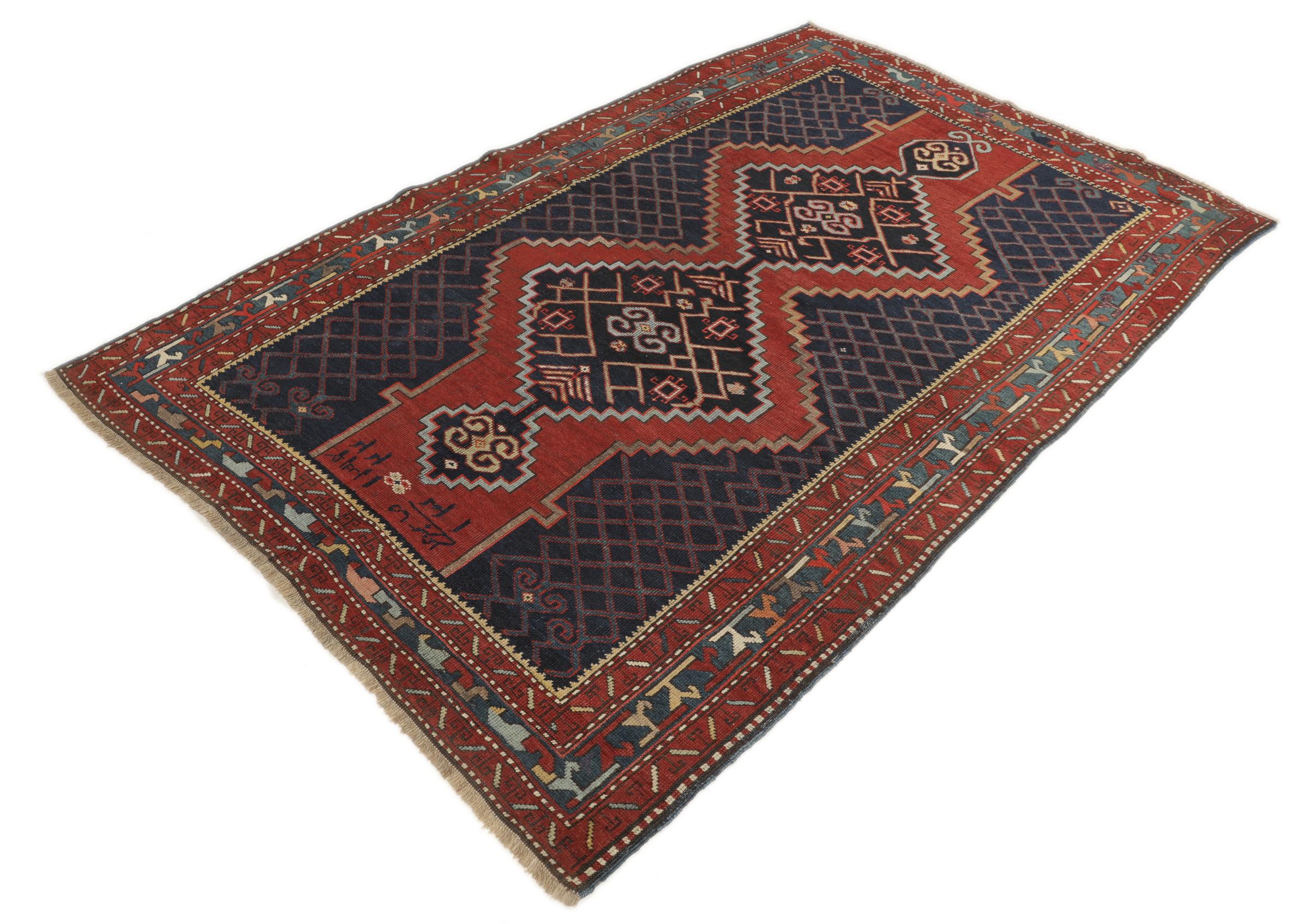
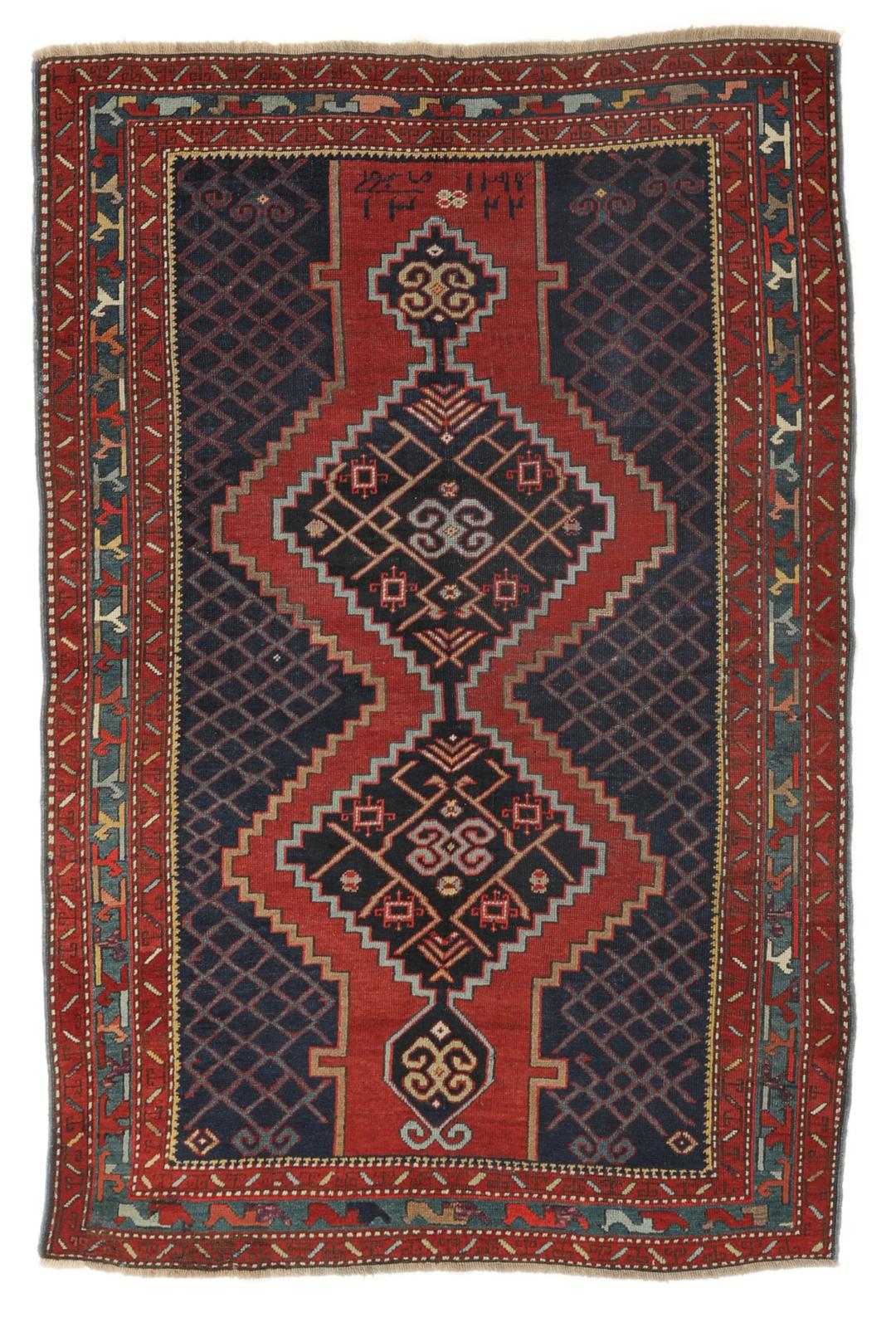
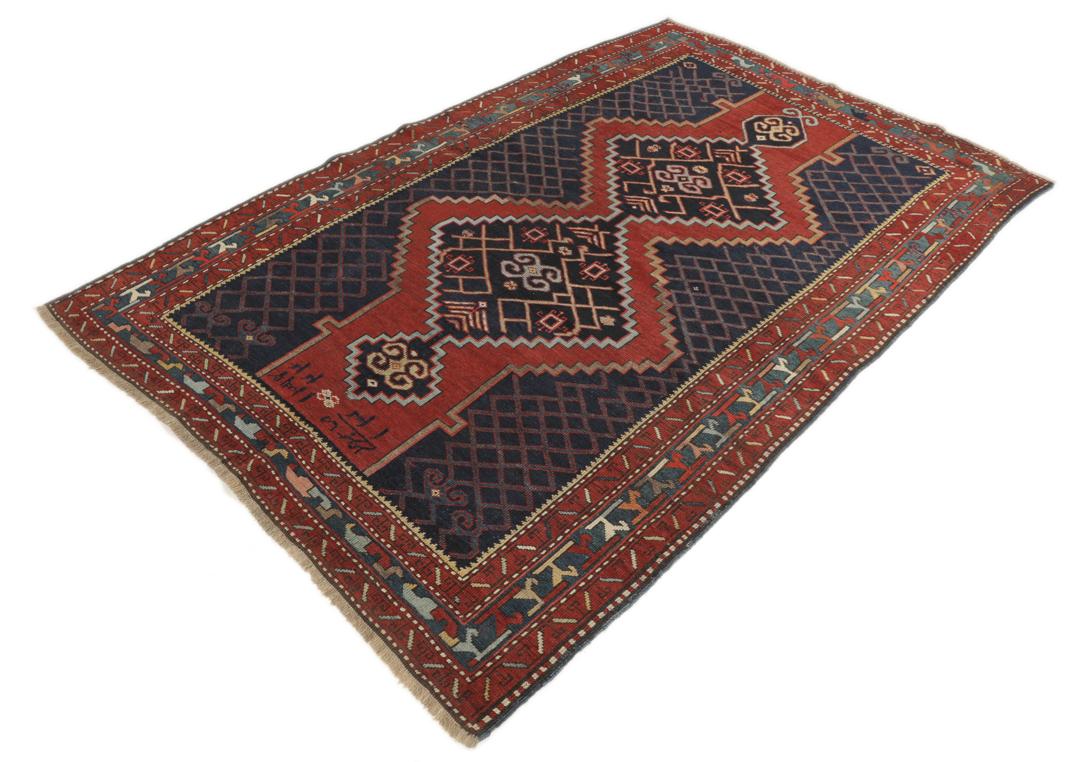
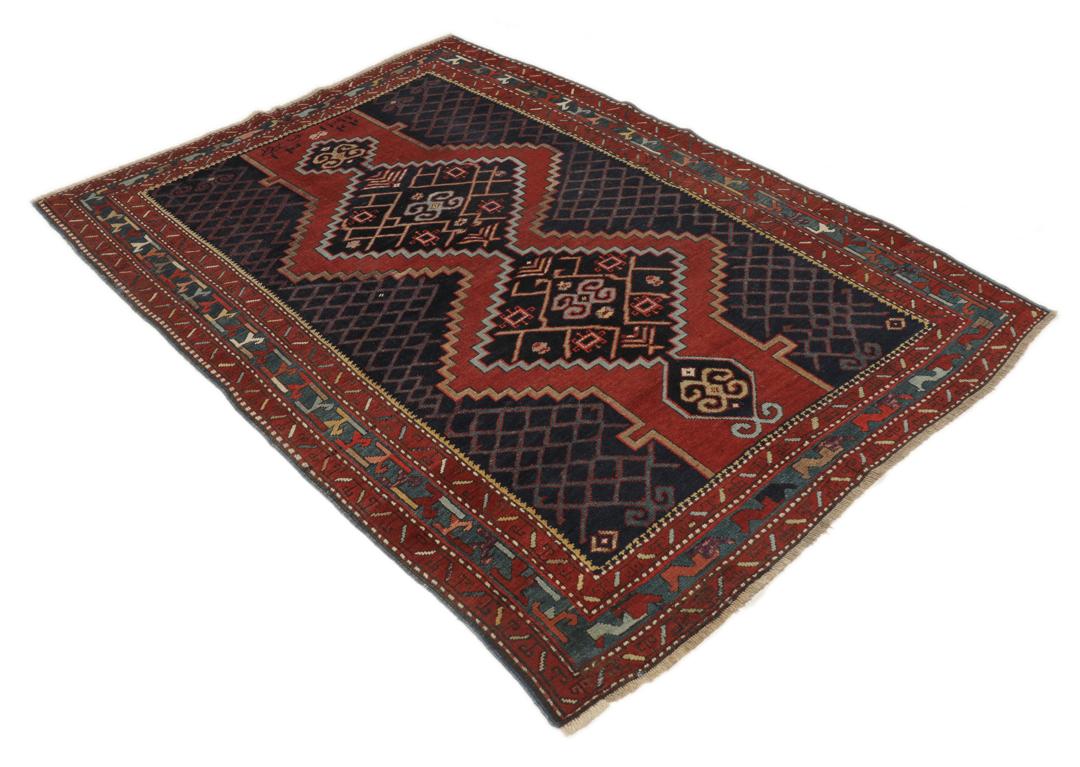
The Karabag region, located in the Caucasus, has long been a crossroads of artistic exchange between the Middle East and the wider world. Rugs from this area are celebrated for their distinctive ability to blend diverse cultural influences, often incorporating the bold, angular motifs characteristic of mountain weaving traditions with the more refined aesthetic sensibilities of the surrounding empires.
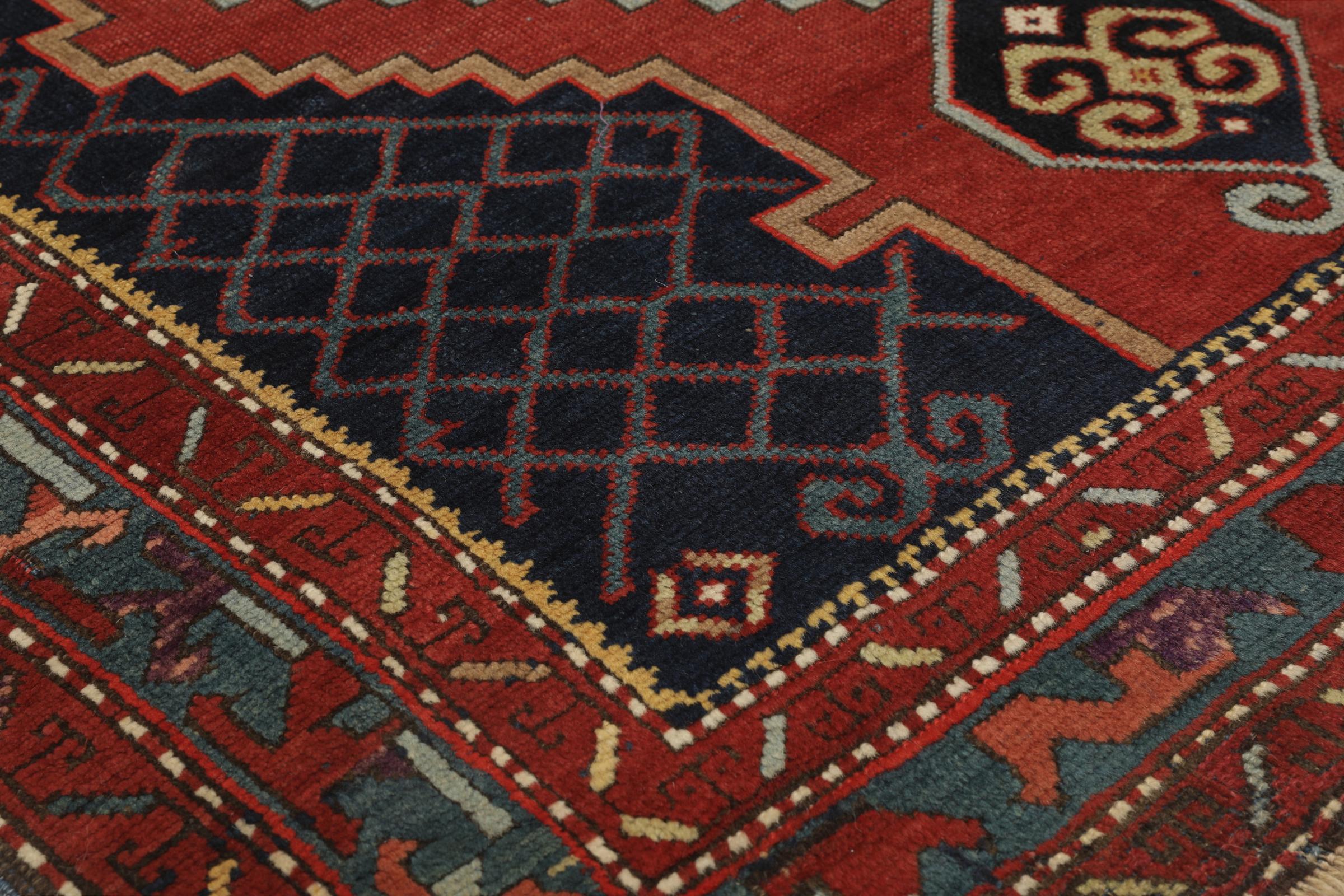
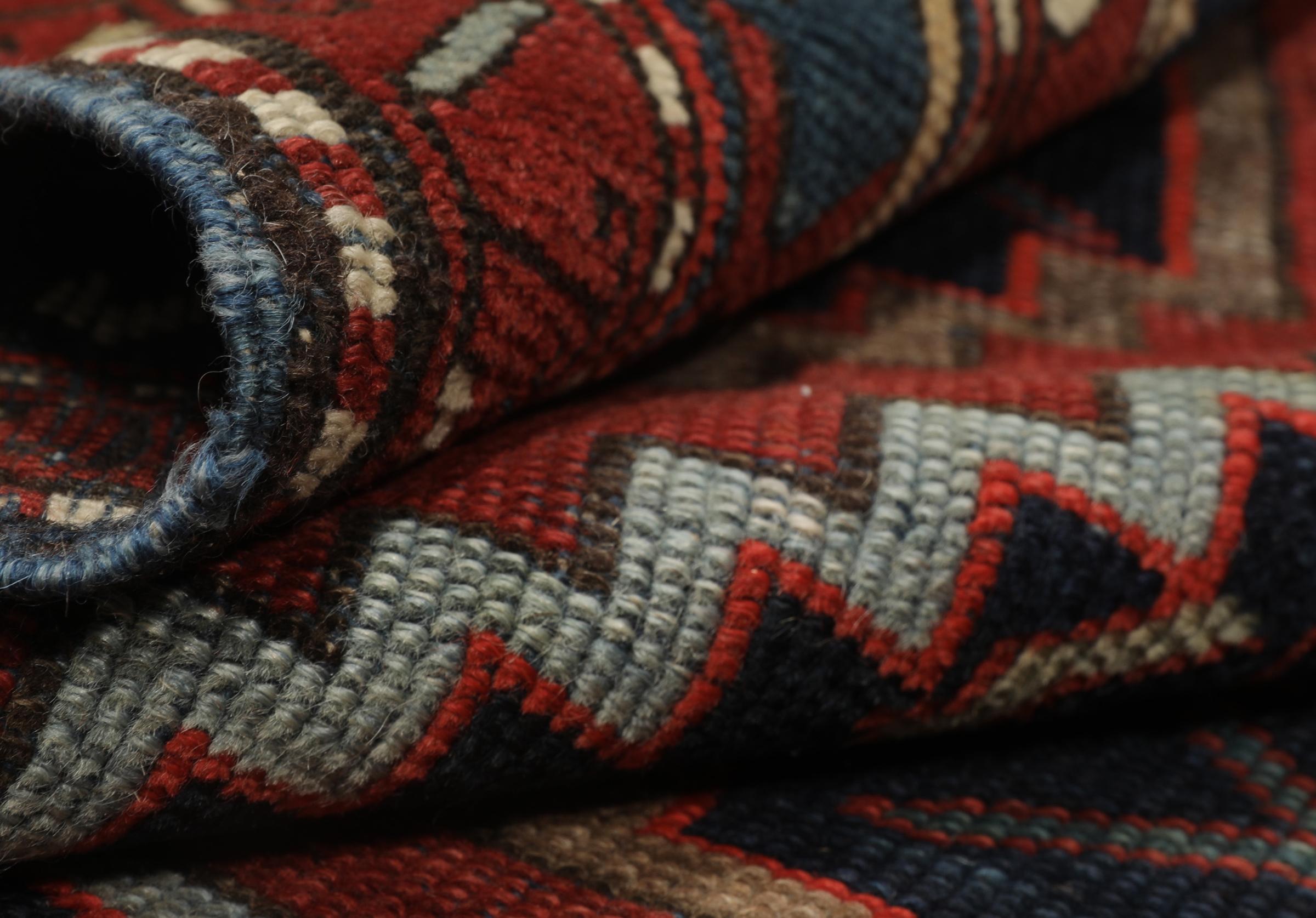
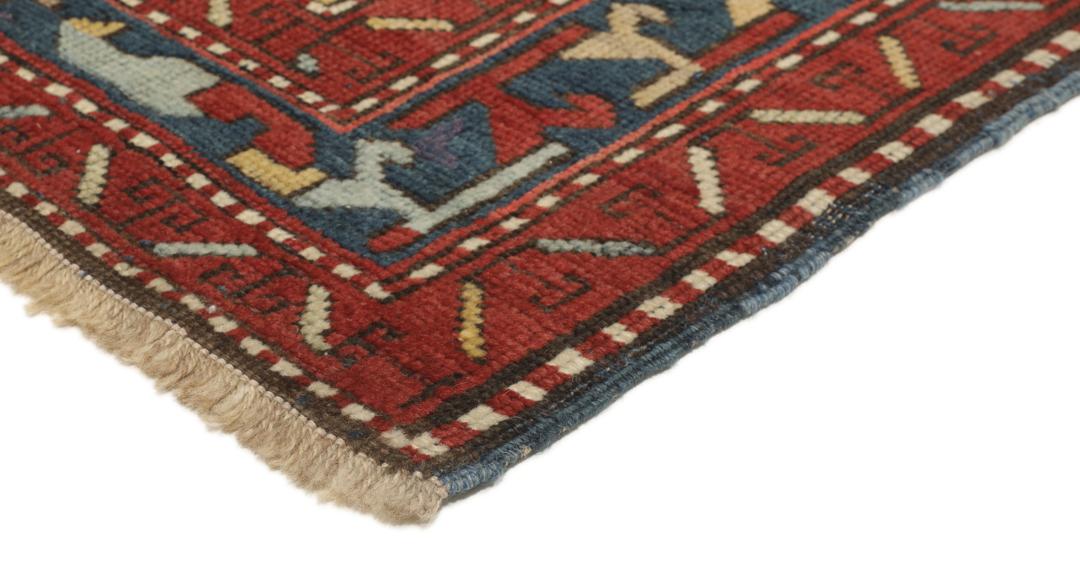
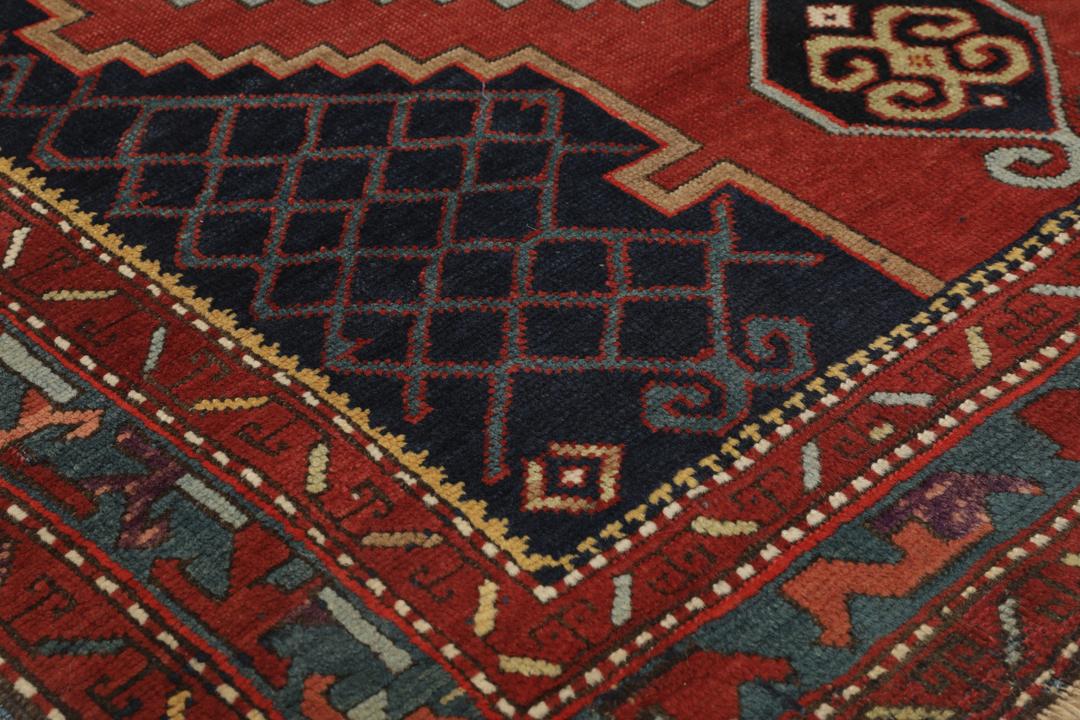
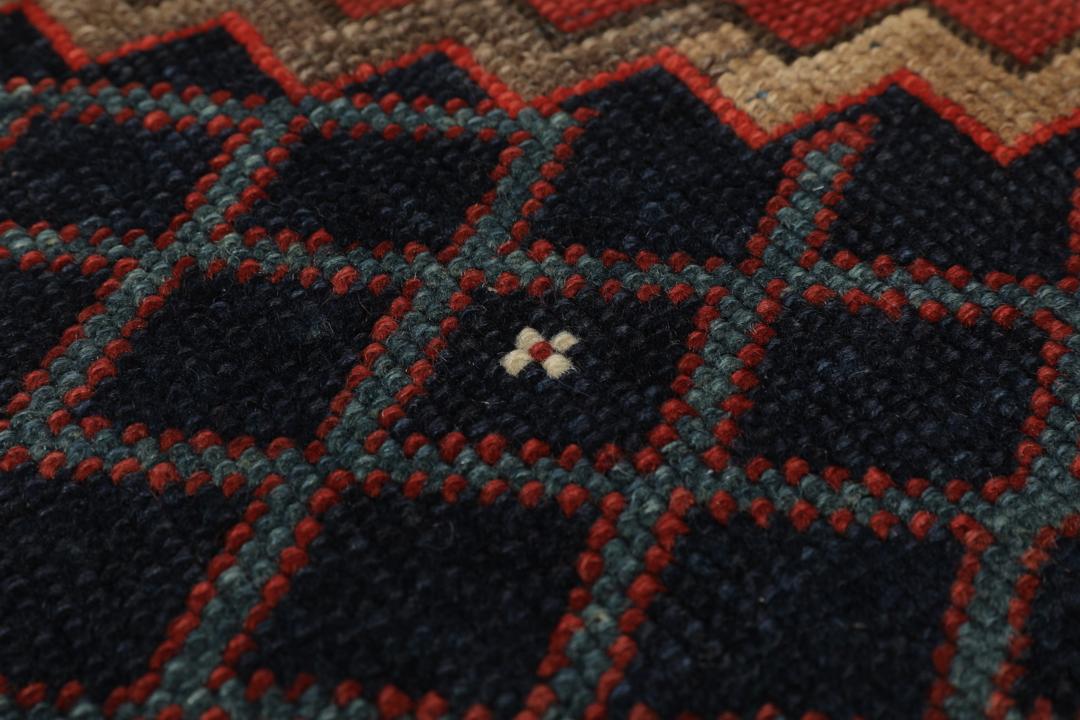
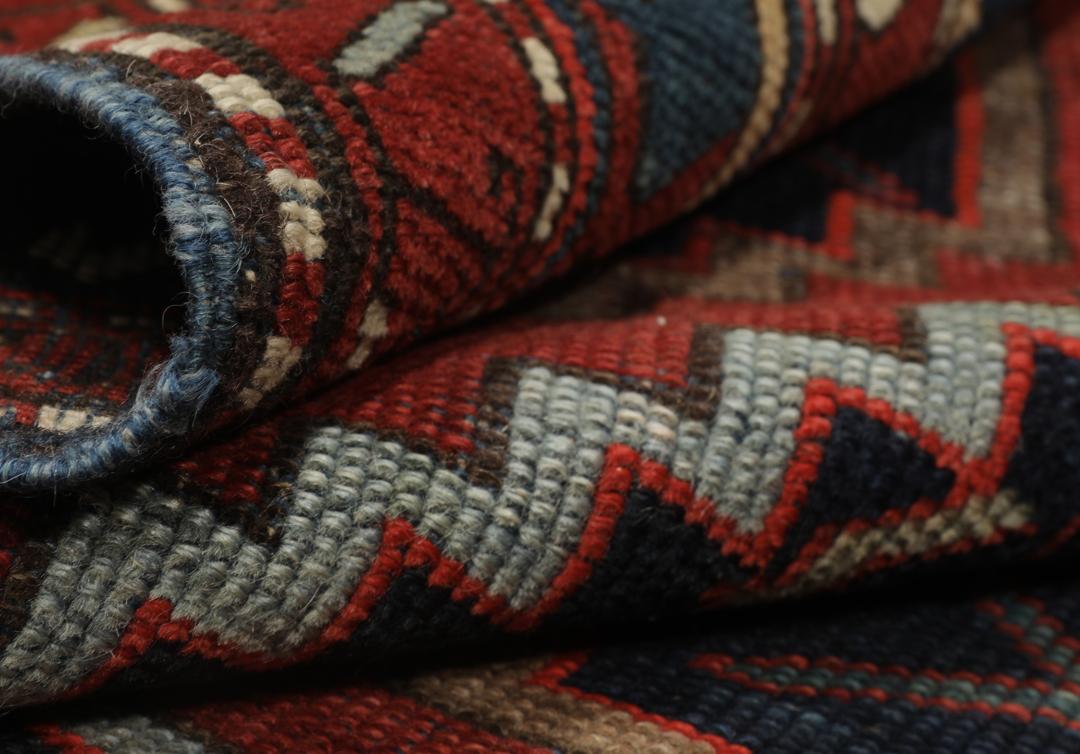
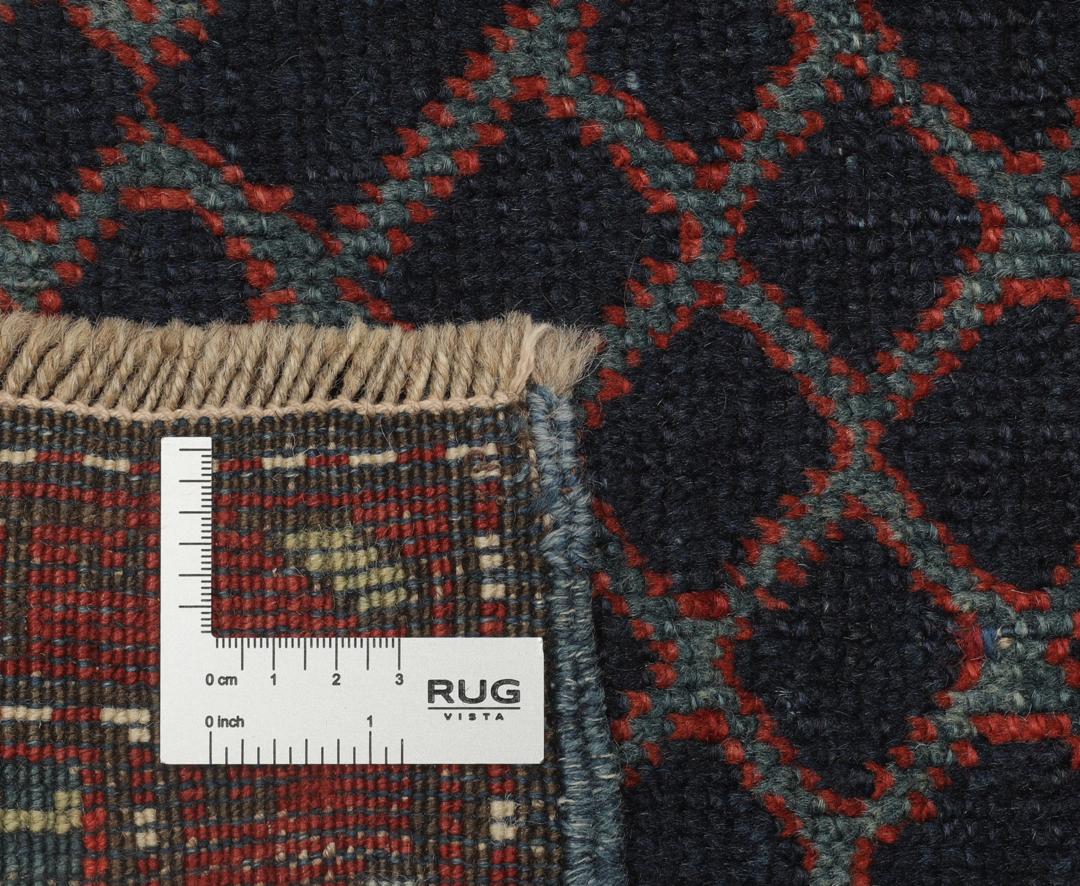
The terminology surrounding these rugs often refers to the specific weaving techniques and regional styles that have evolved over centuries. The term Karabag itself denotes a heritage of weaving that prioritises durability and expressive, often symbolic, patterns. For the collector, these technical aspects are not just historical footnotes; they are the markers of a genuine, high-quality craft tradition that has been passed down through generations of weavers.
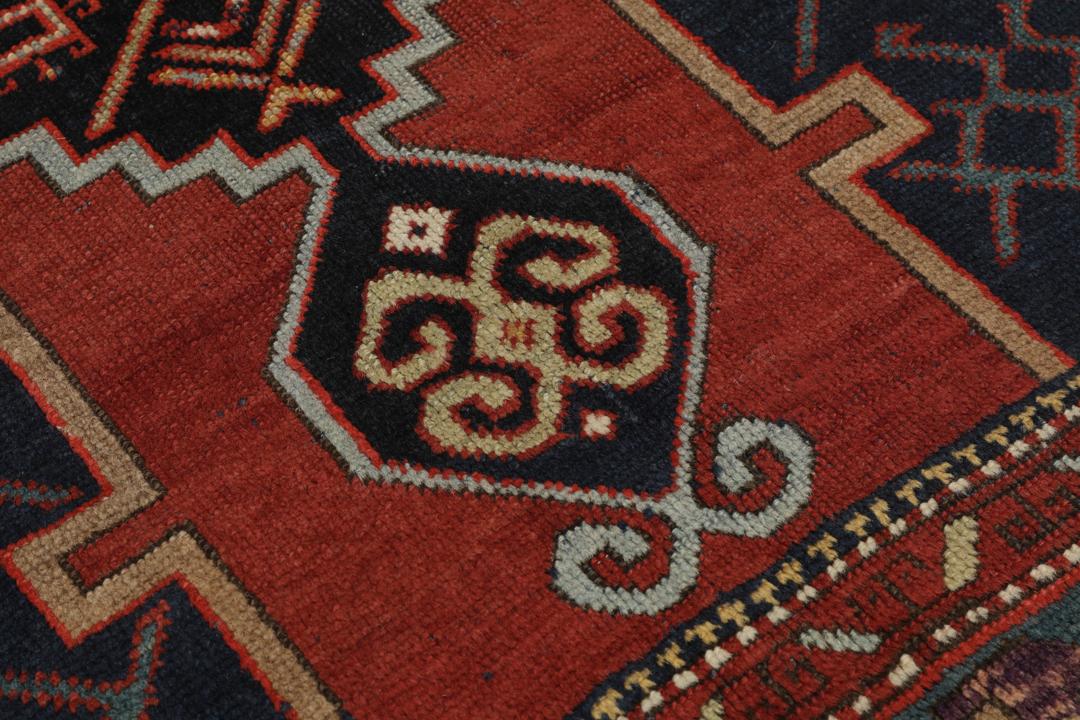
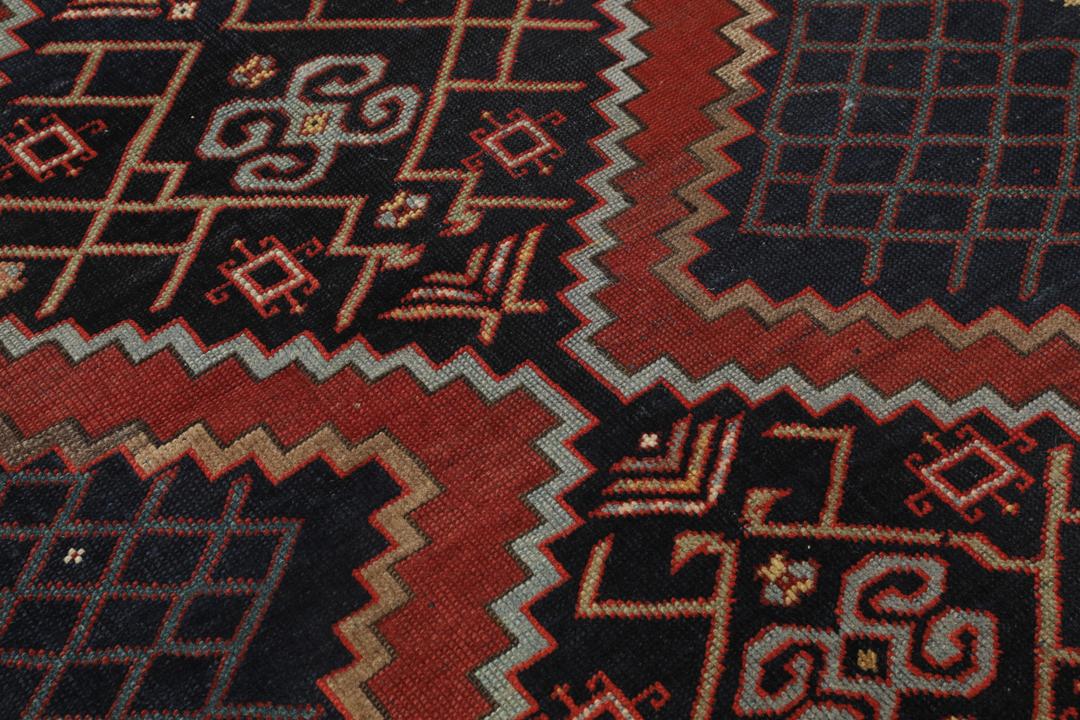
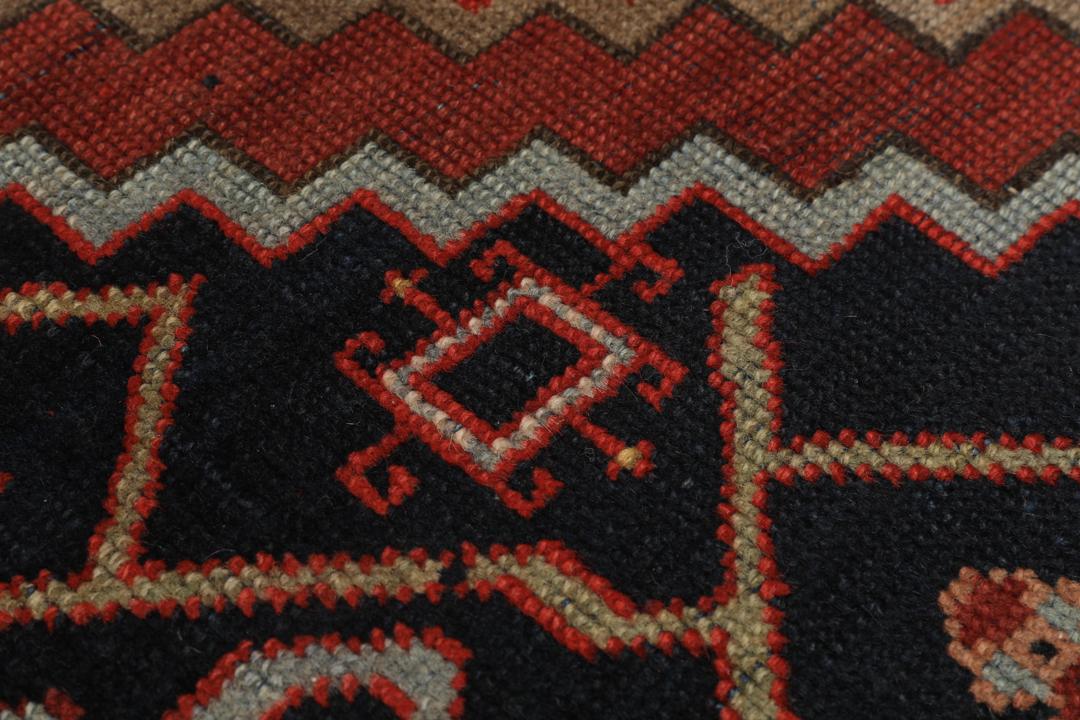
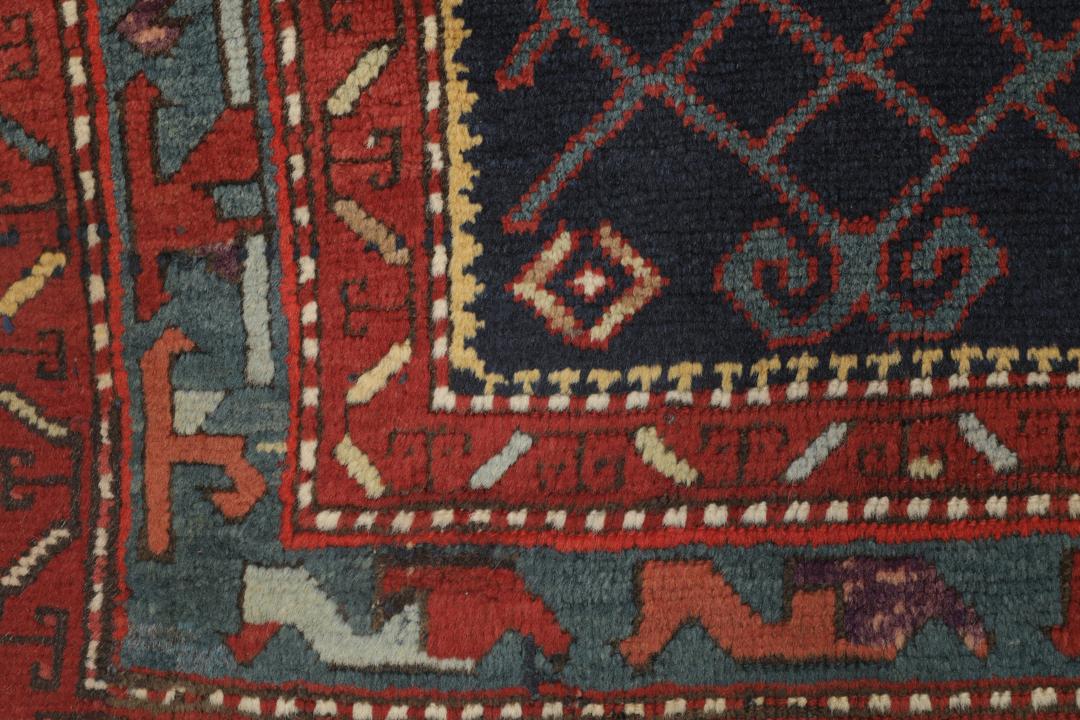
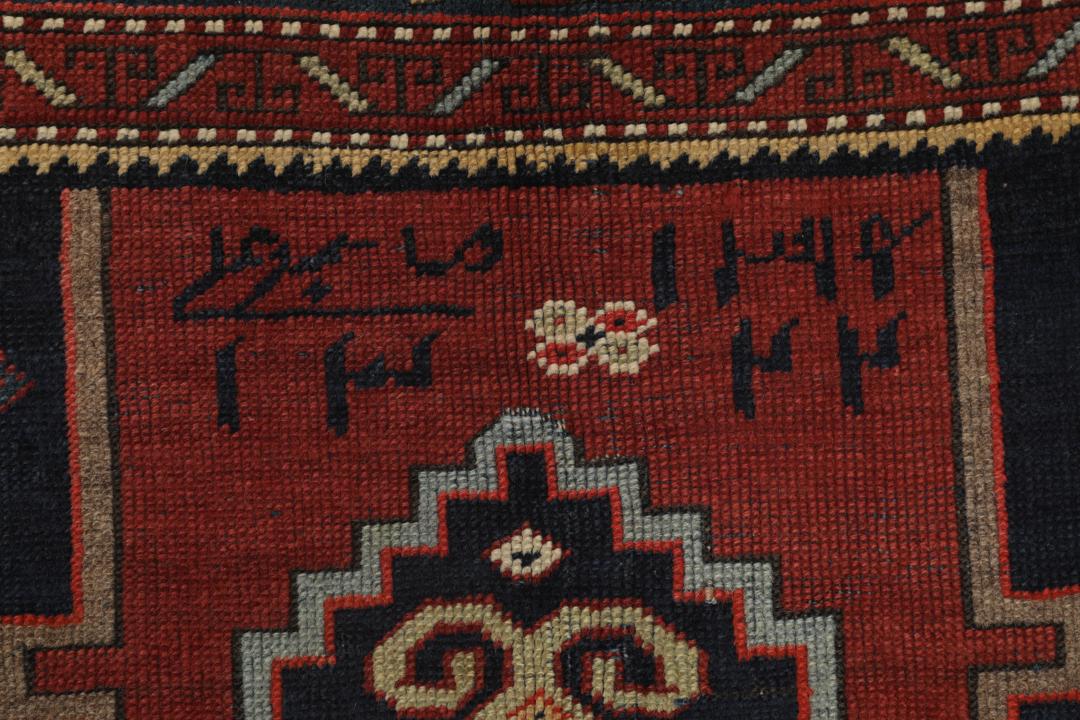
Signature design elements of these rugs frequently include large-scale geometric medallions, repeating diamond lattices, and highly stylised borders. This particular piece displays a masterful use of space, where the central motifs are allowed to breathe against a deep, contrasting field. Such designs are not merely decorative but are deeply rooted in the visual language of the region, using colour and shape to tell stories of the natural world and local beliefs.
Collecting antique rugs from this tradition is an act of stewardship. These pieces are valued for their cultural weight and the undeniable skill required to produce them without the aid of modern technology. By bringing such a rug into your home, you are acquiring a piece of history that continues to hold its value and beauty, serving as a testament to the enduring power of human creativity and tradition.