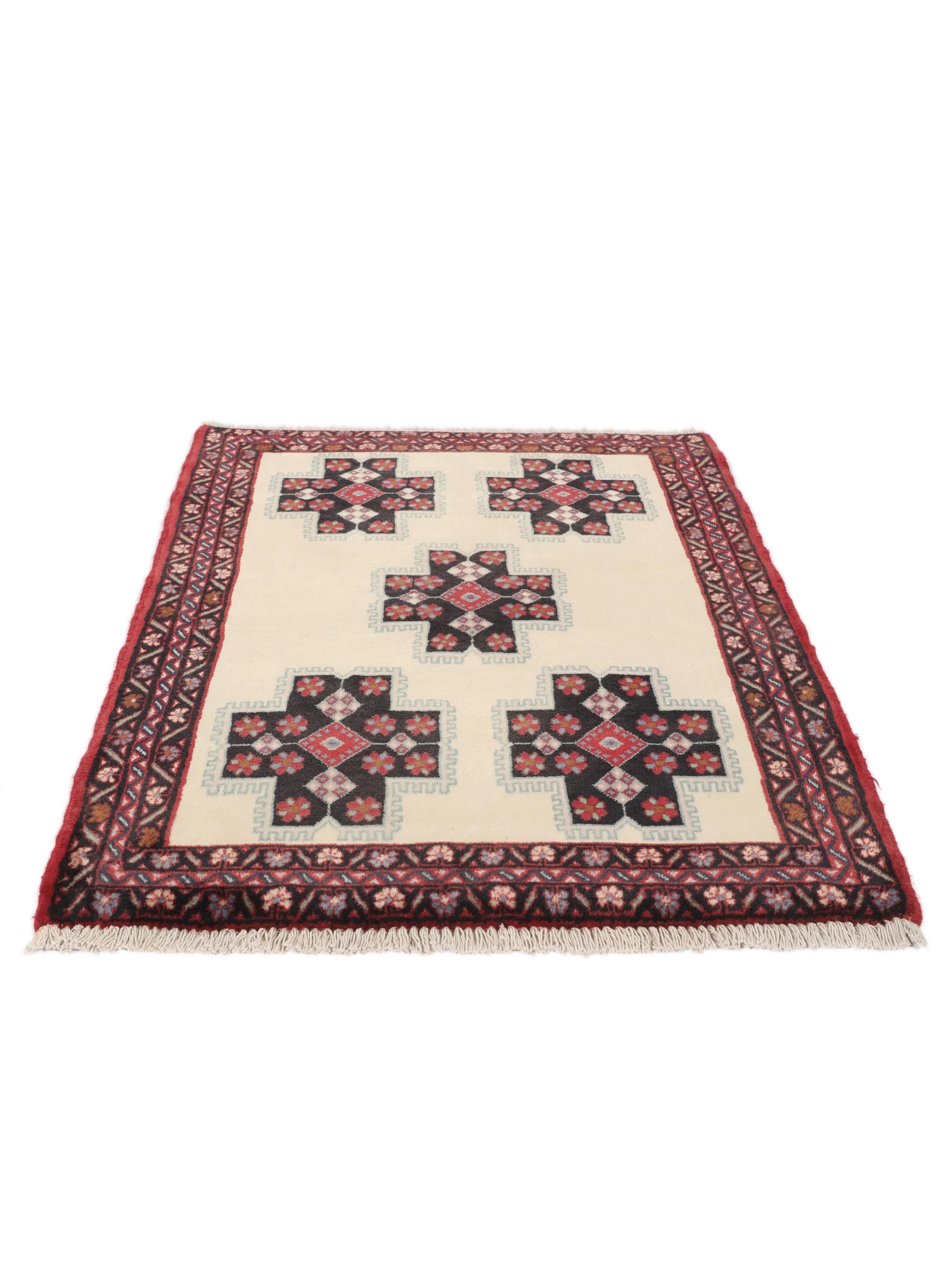
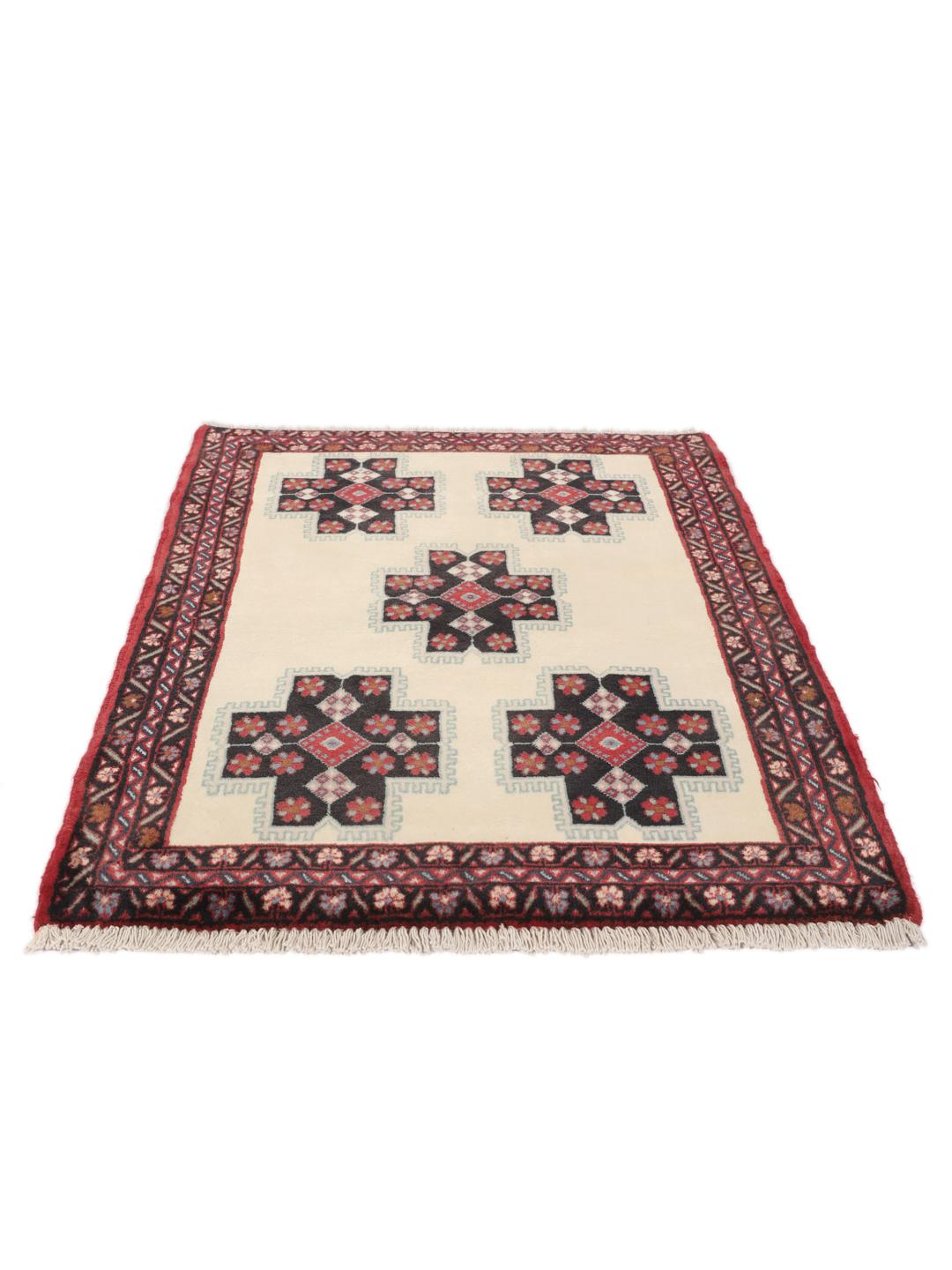
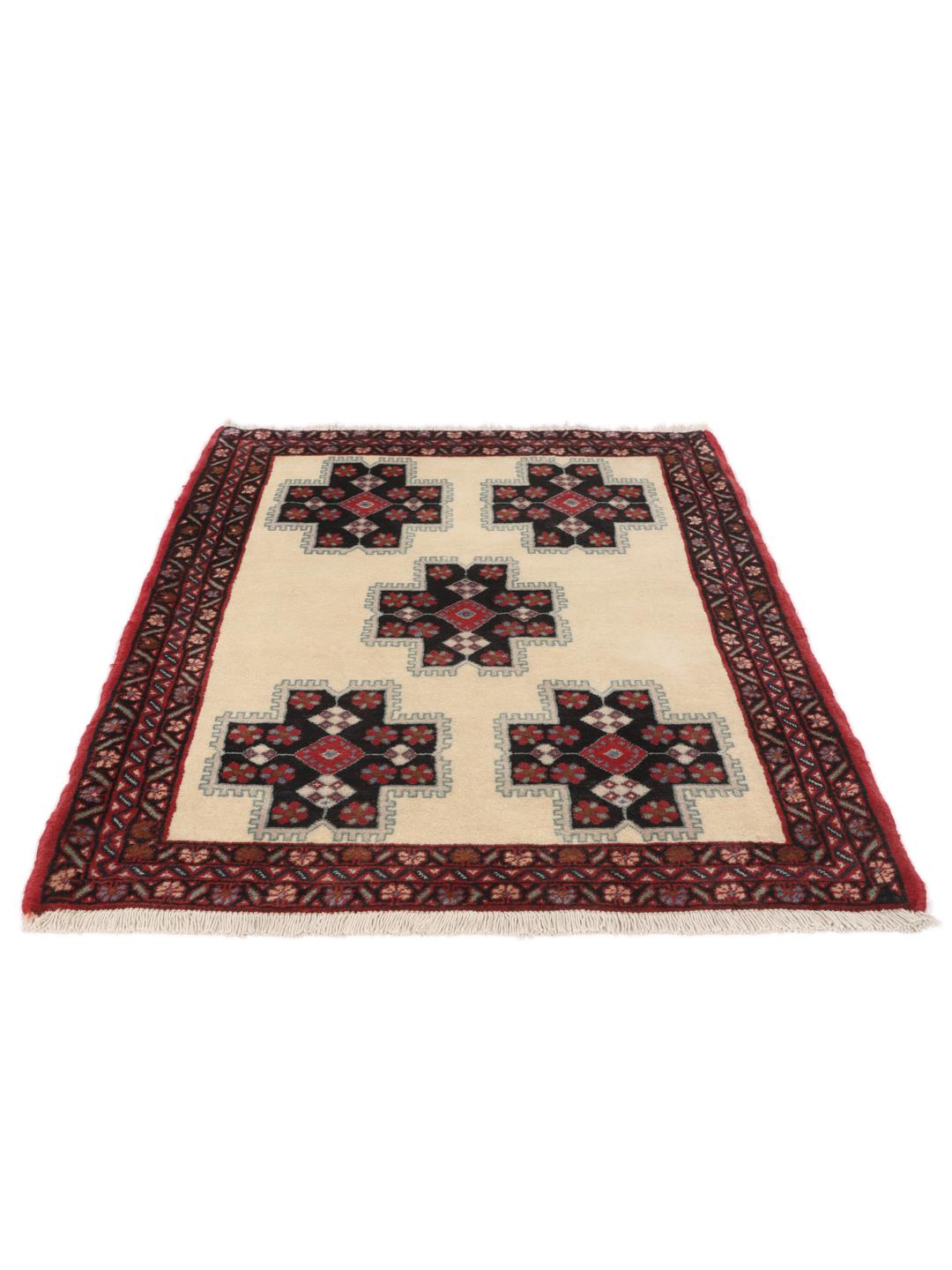
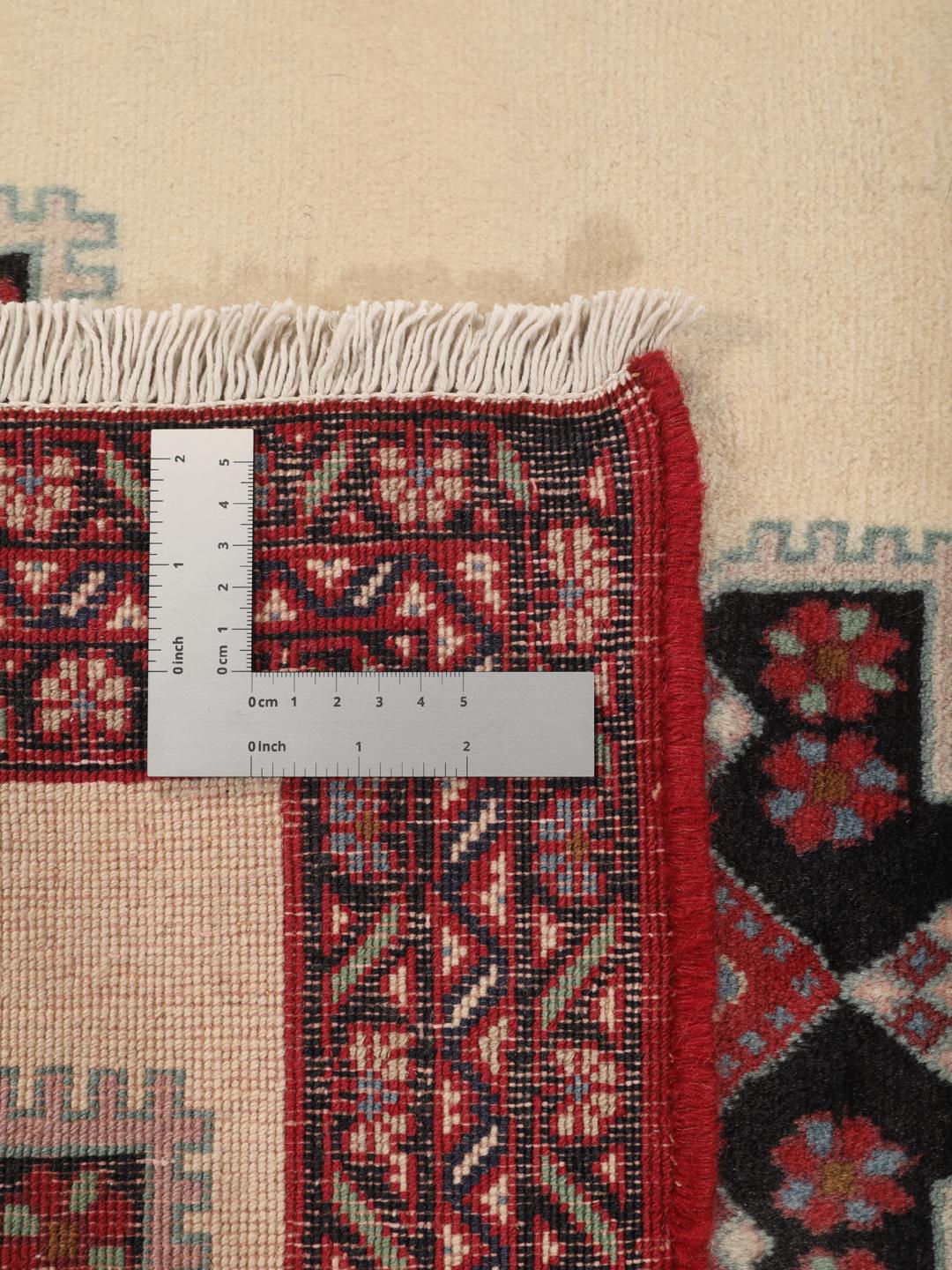
The Afshar rugs originate from the tribal groups of the Middle East, a region with a long and storied history of nomadic weaving. Traditionally, these tribes moved across the landscape, carrying their looms with them, which influenced the practical, portable, and durable nature of their work. Over generations, these weavers developed a distinct visual vocabulary that remains highly respected among collectors today.
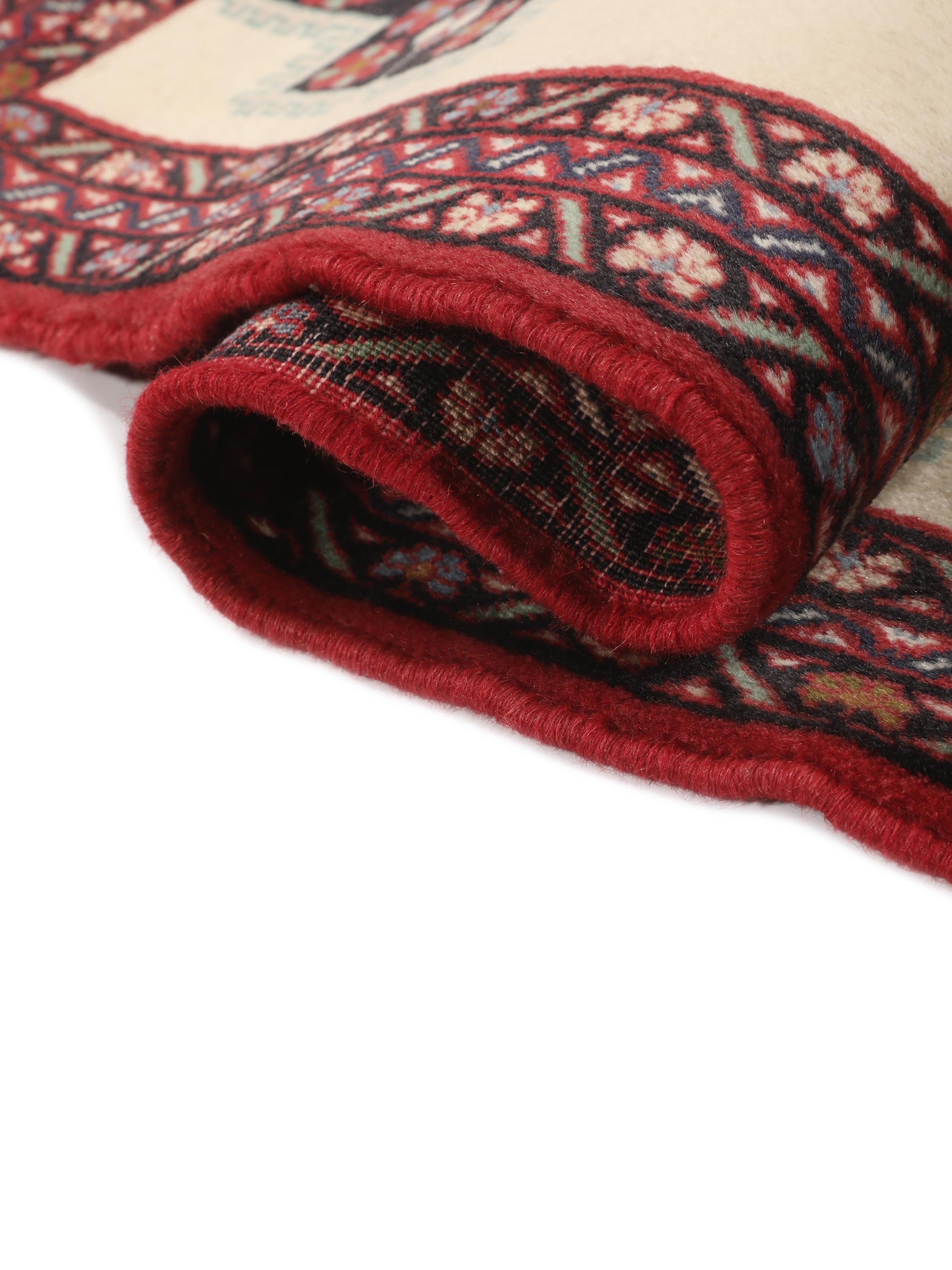
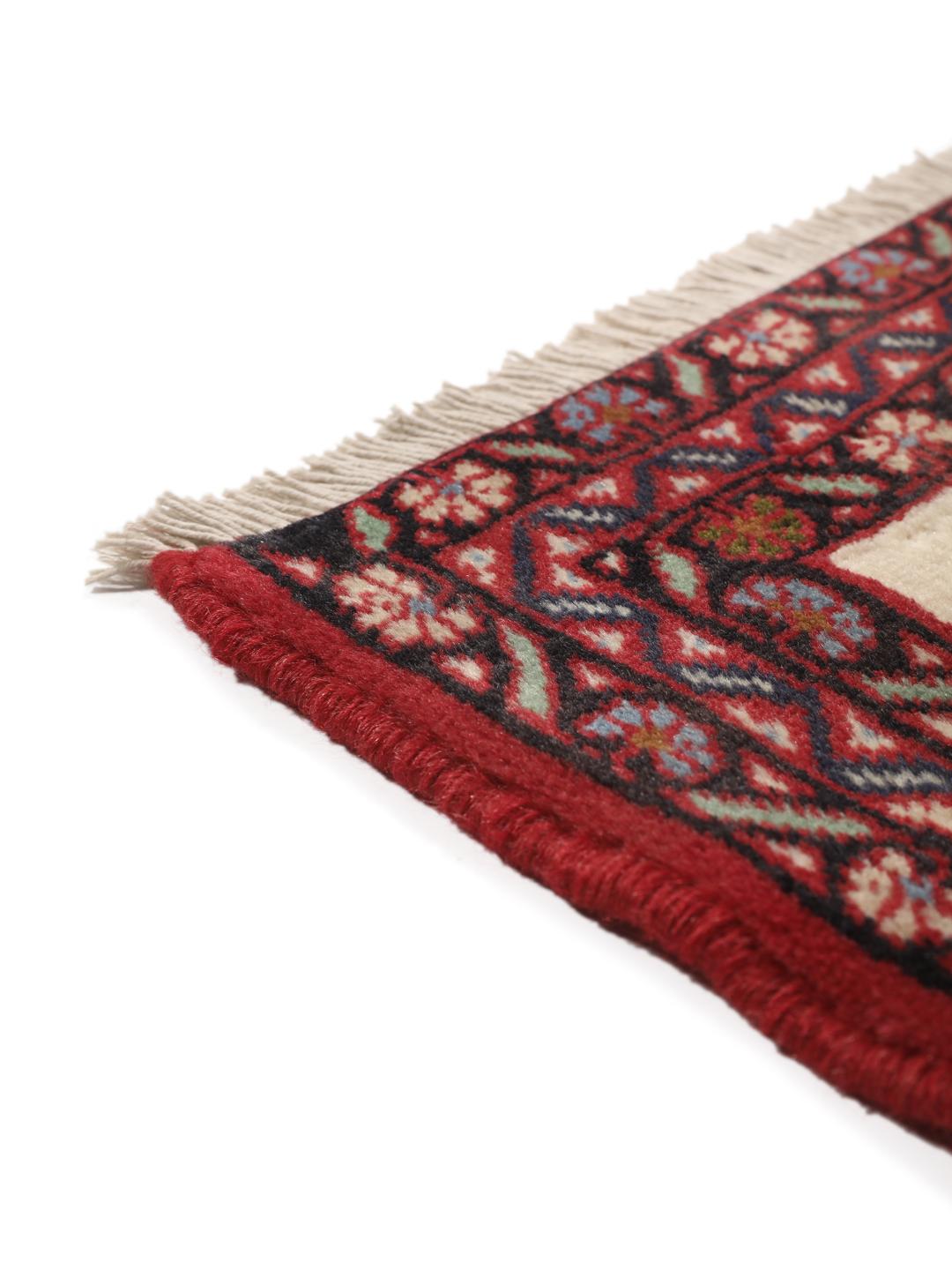
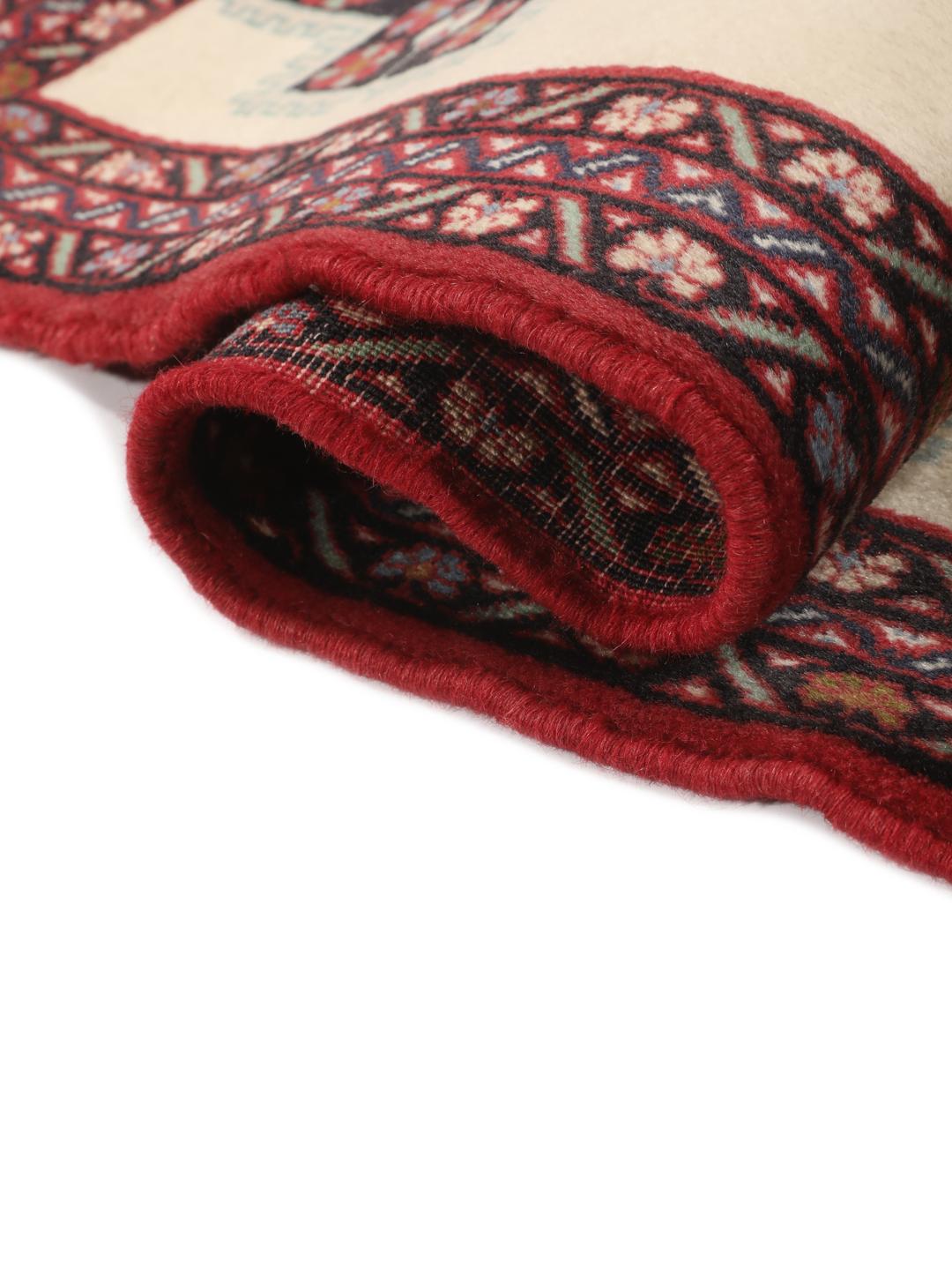
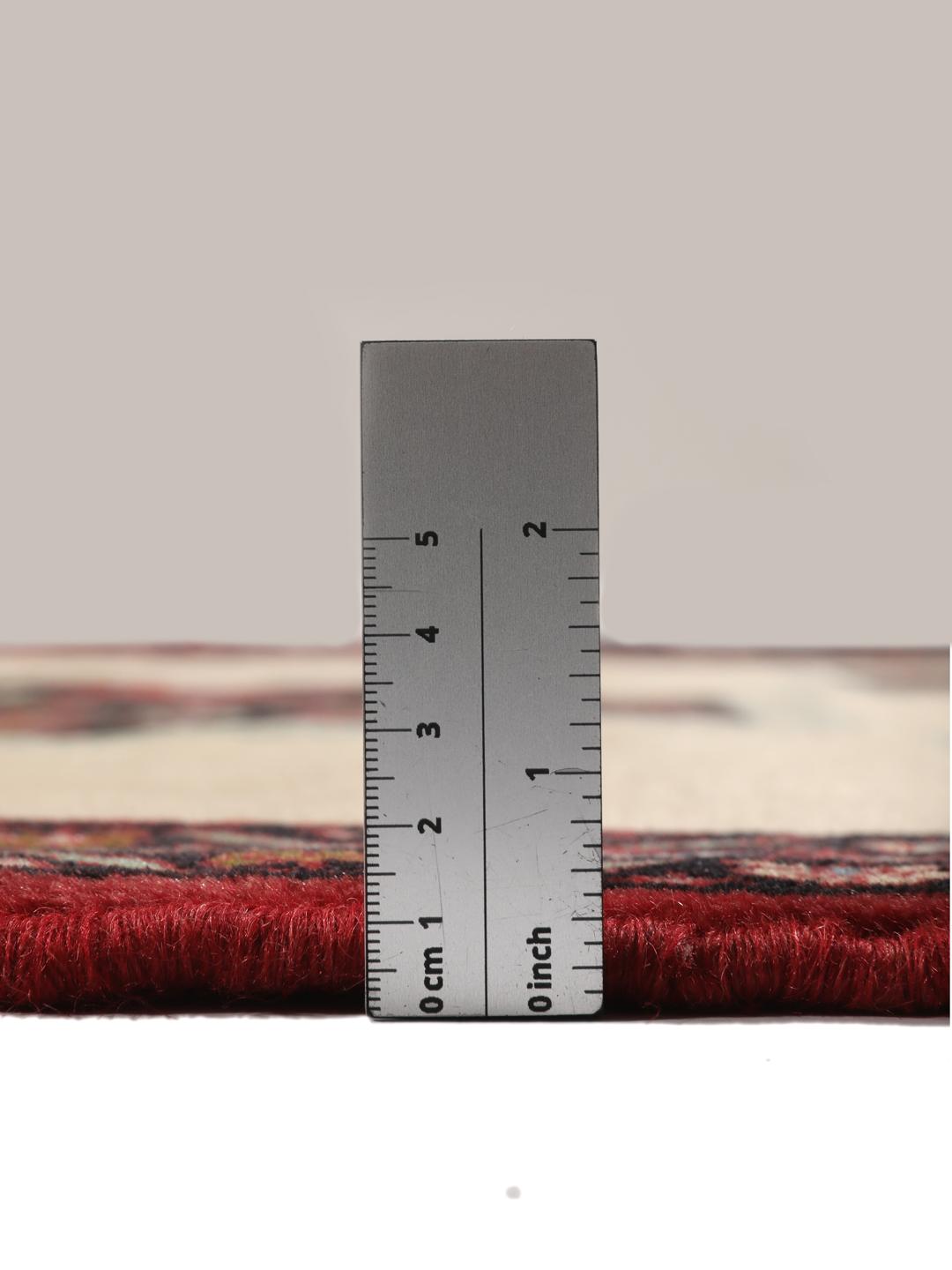
The term Afshar refers to the specific tribal group, while Sirjan is a key centre known for its production of these rugs. These pieces are often celebrated for their robust construction, which is designed to withstand the rigours of tribal life. The use of wool for the pile is central to this tradition, as it is naturally resilient, easy to clean, and provides excellent insulation against both cold floors and heat.
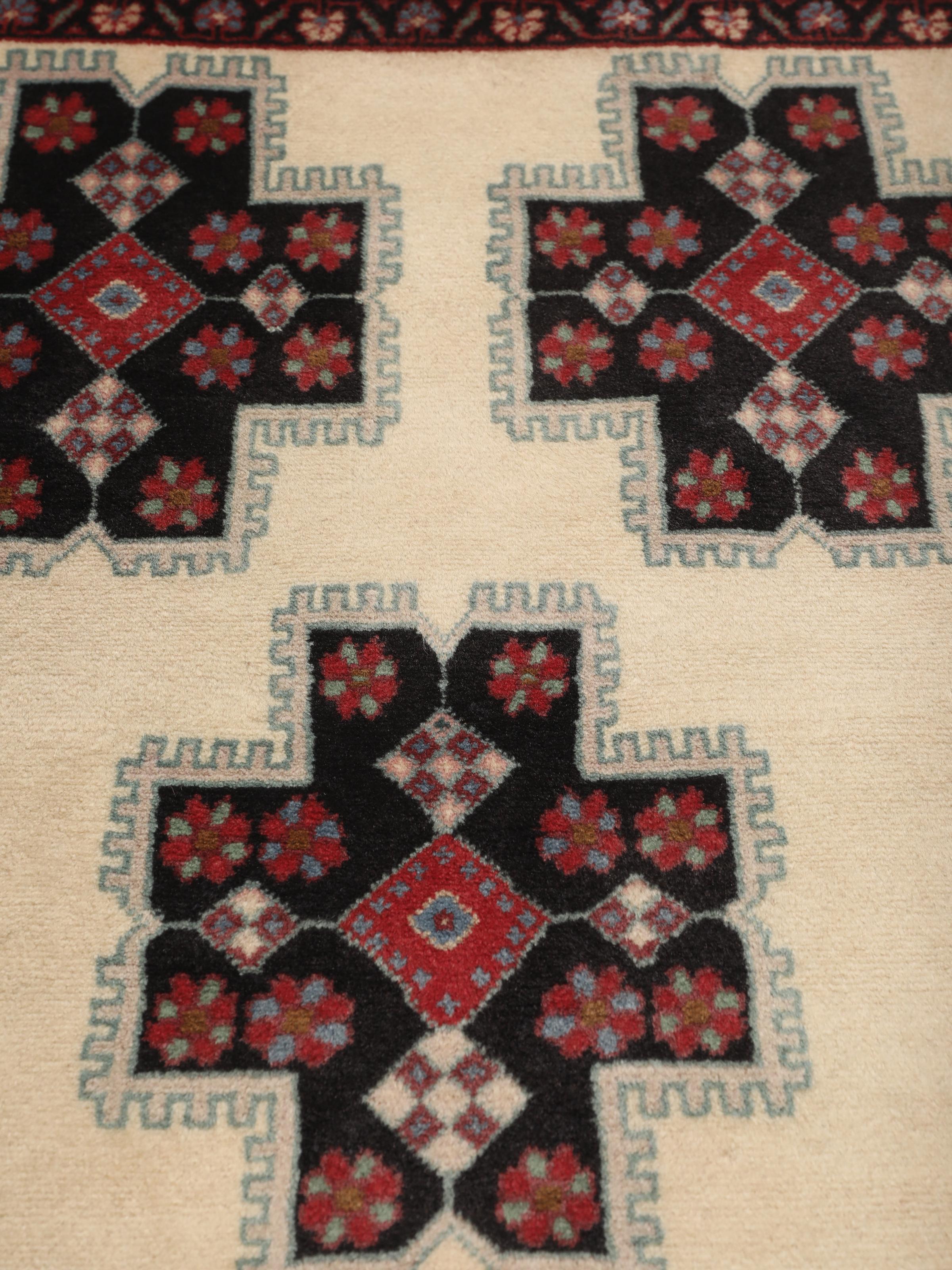
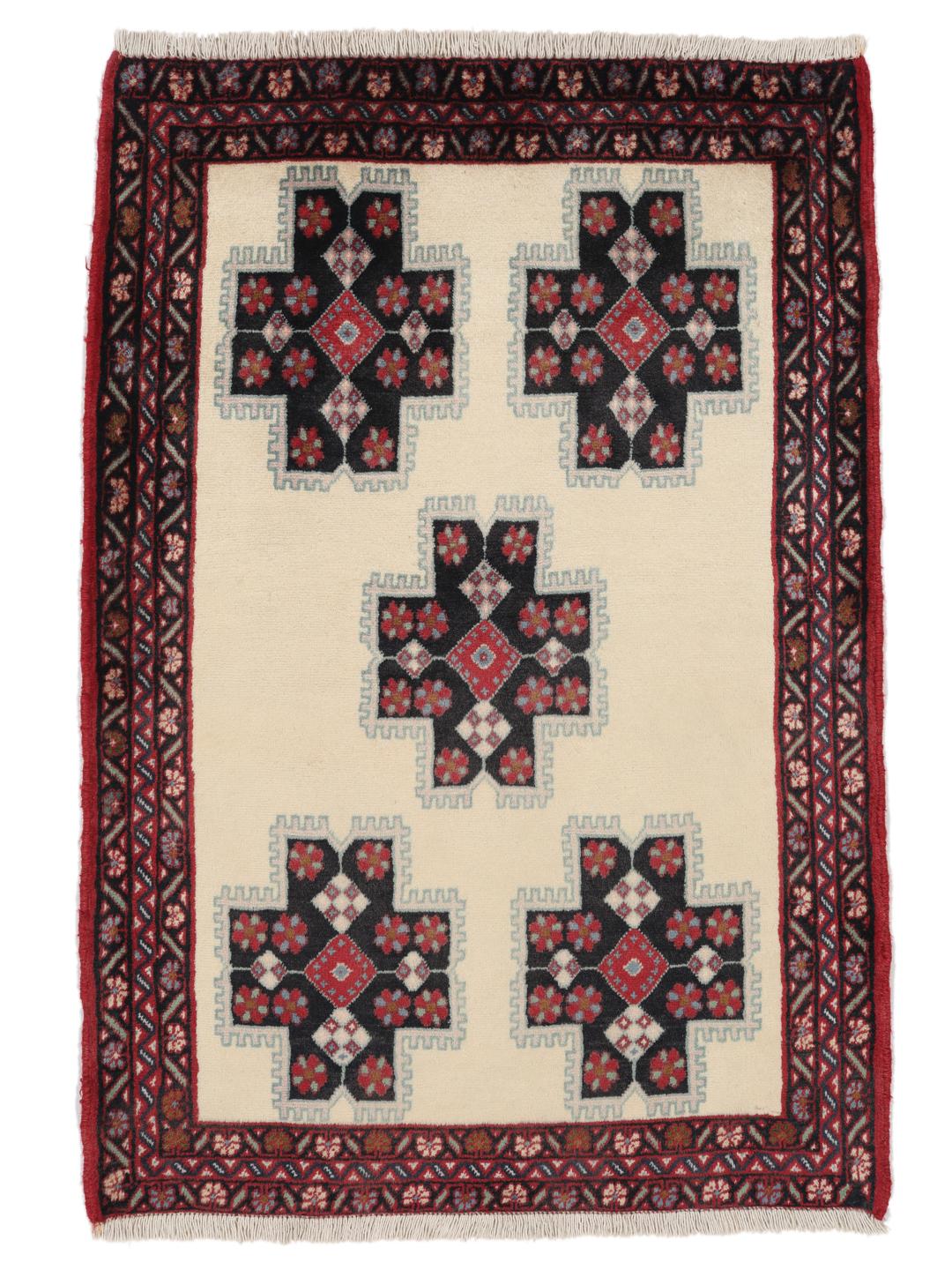
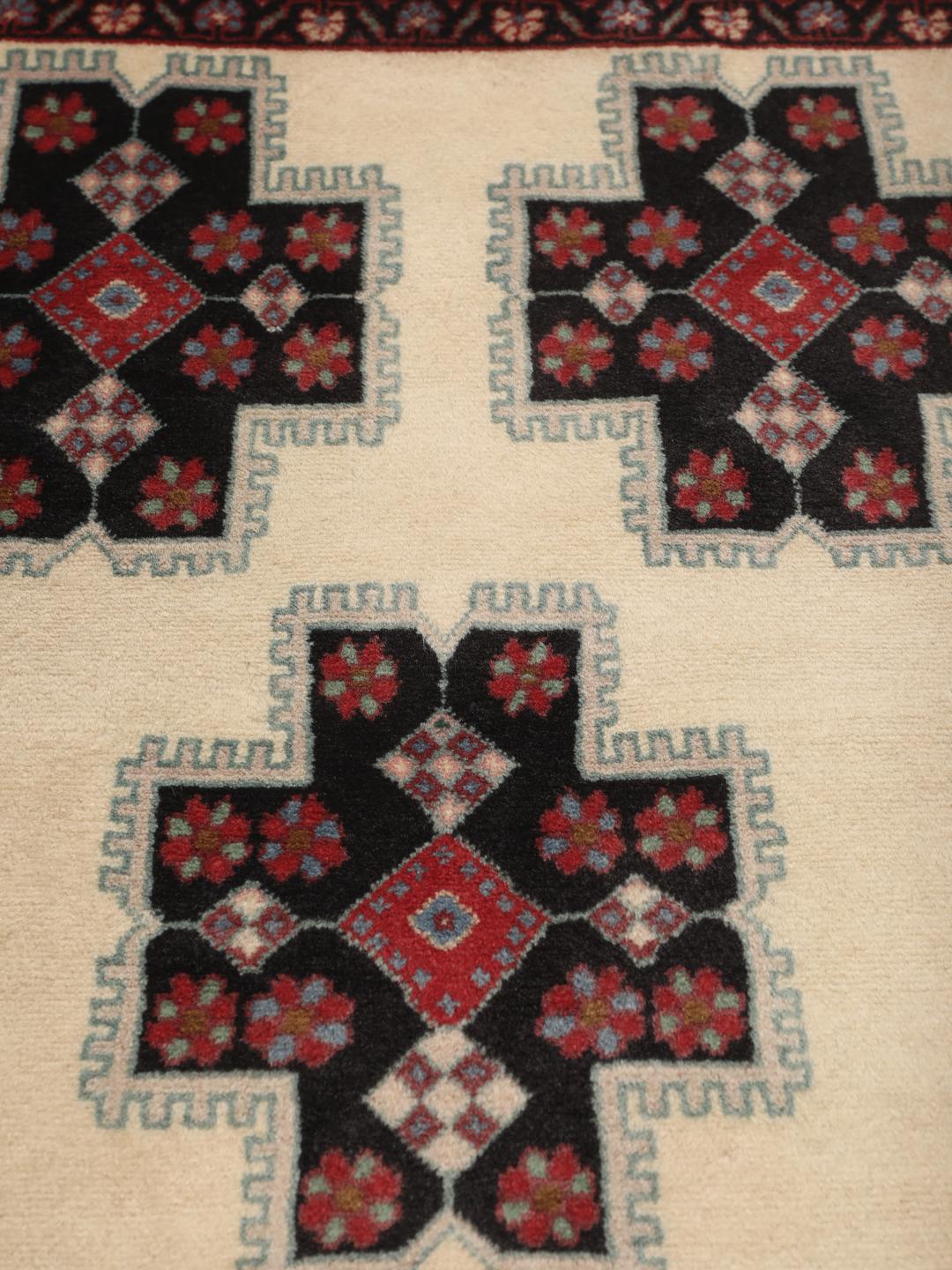
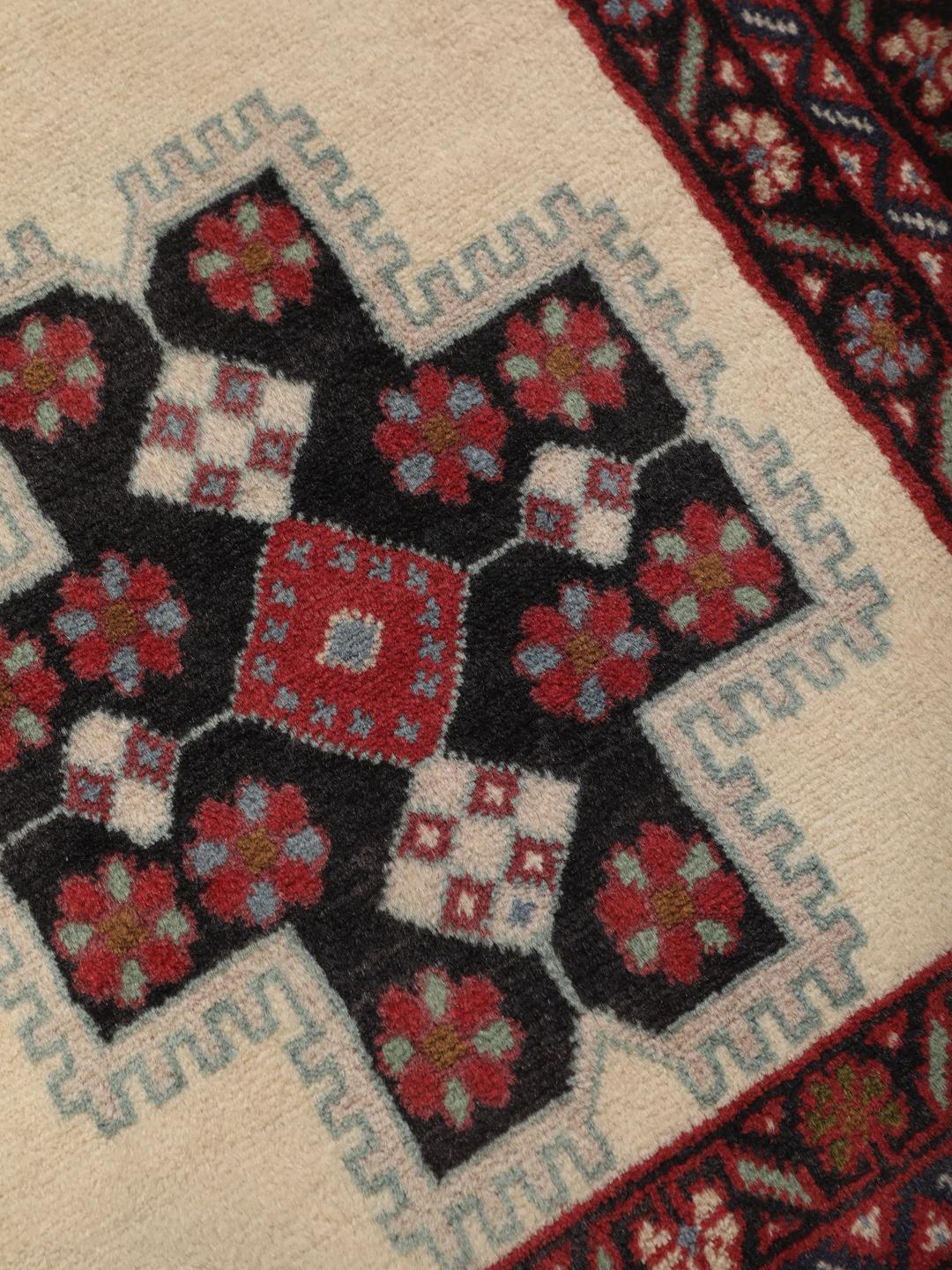
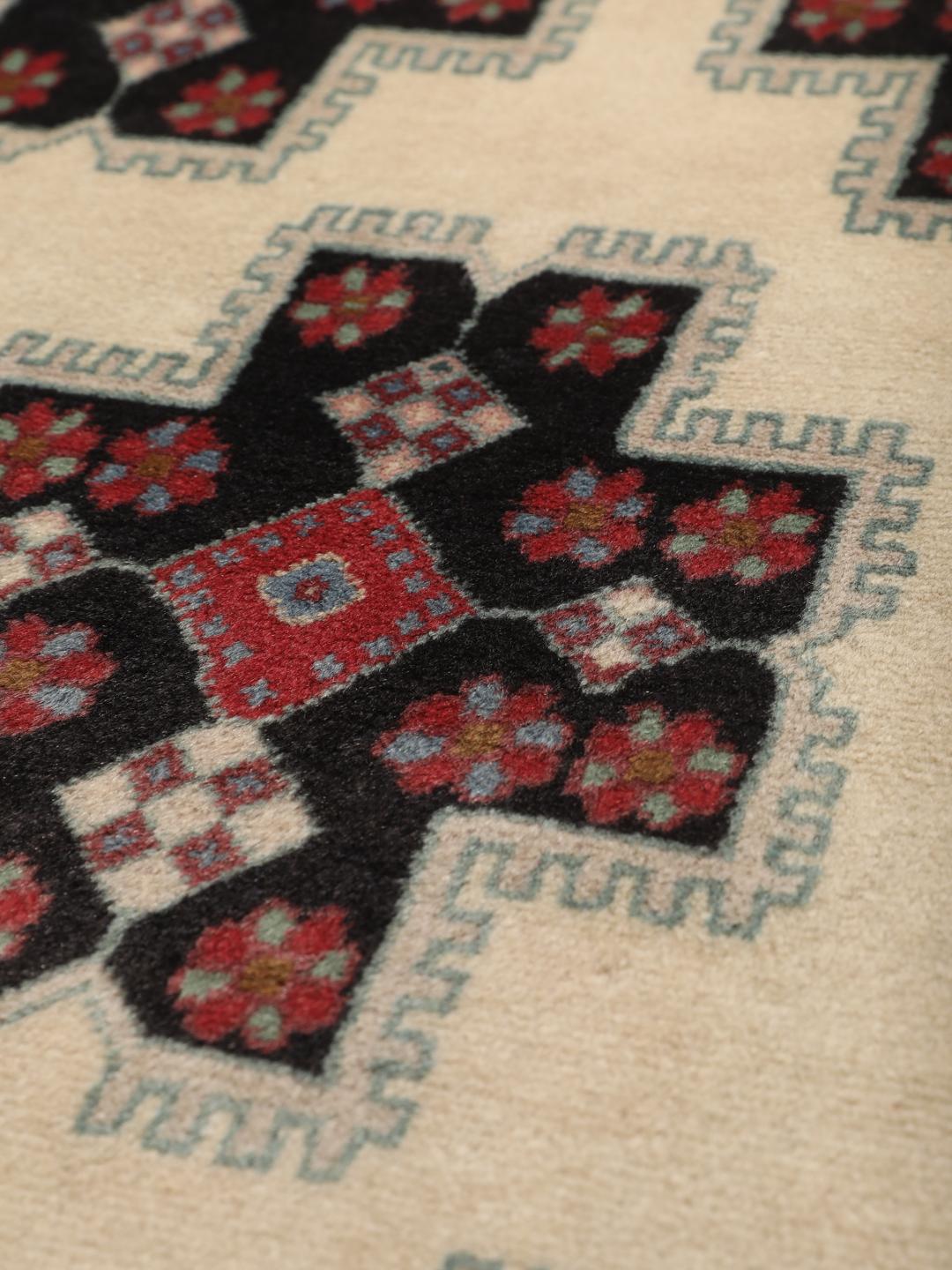
Visually, these rugs are famous for their bold, geometric patterns and a rich colour palette often dominated by deep reds and earthy tones. The use of large, stylized medallions or repeating tribal motifs creates a strong focal point. Each design is a reflection of the weaver's environment and cultural identity, often incorporating symbols that have been passed down through family lines for centuries.
Collecting these rugs is an investment in cultural heritage. They are valued not just for their beauty, but for the human story embedded in every knot. Owning an Afshar piece connects you to an ancient craft tradition, representing a standard of skill and artistic expression that continues to resonate in modern homes.