The Afshar rugs originate from the nomadic and semi-nomadic Afshar tribes of the Middle East, a group with a rich cultural heritage that has influenced textile traditions for centuries. These rugs are historically celebrated for their ability to blend tribal simplicity with sophisticated, highly stylized geometric patterns that have been passed down through generations of weavers.
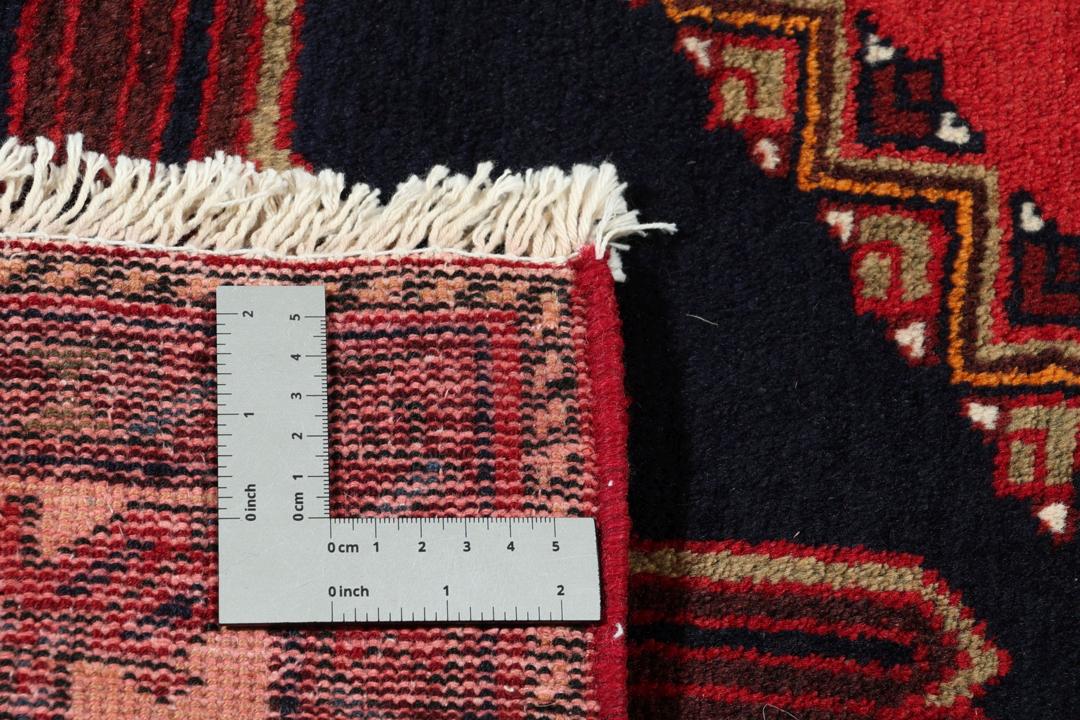
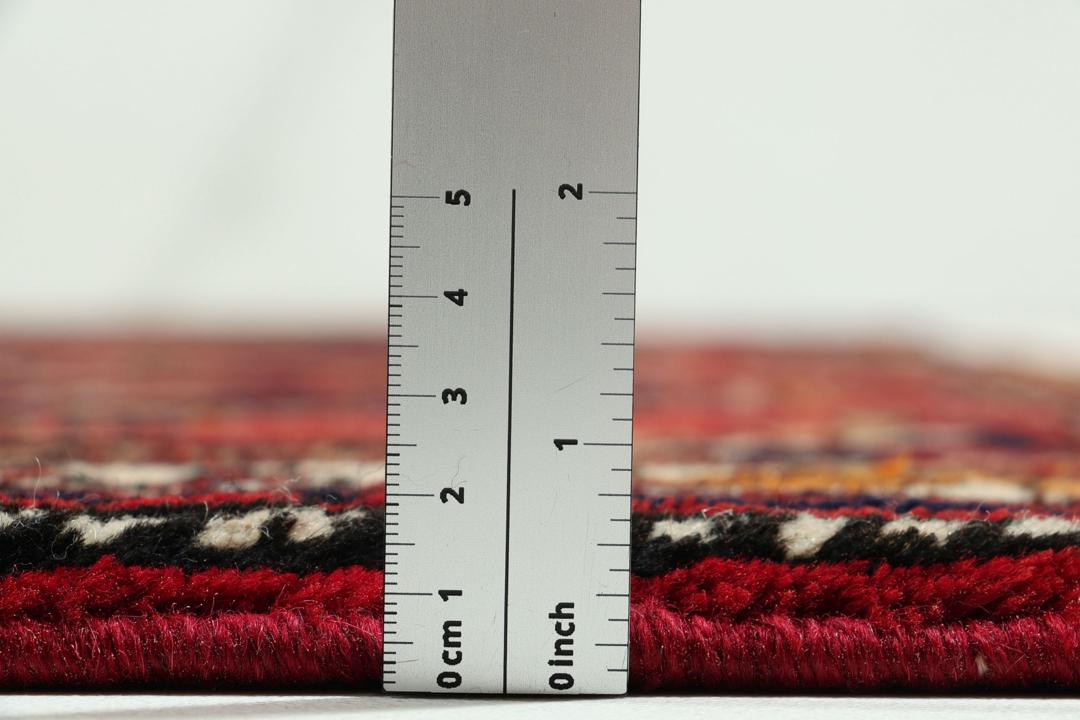
The term Afshar refers to the specific tribal tradition, while Sirjan, a town in the region, is a noted centre for the production of these fine pieces. The construction typically utilises a sturdy foundation, allowing for a tight, durable pile that maintains its integrity even after decades of use. This structural quality is a hallmark of the region's technical expertise.
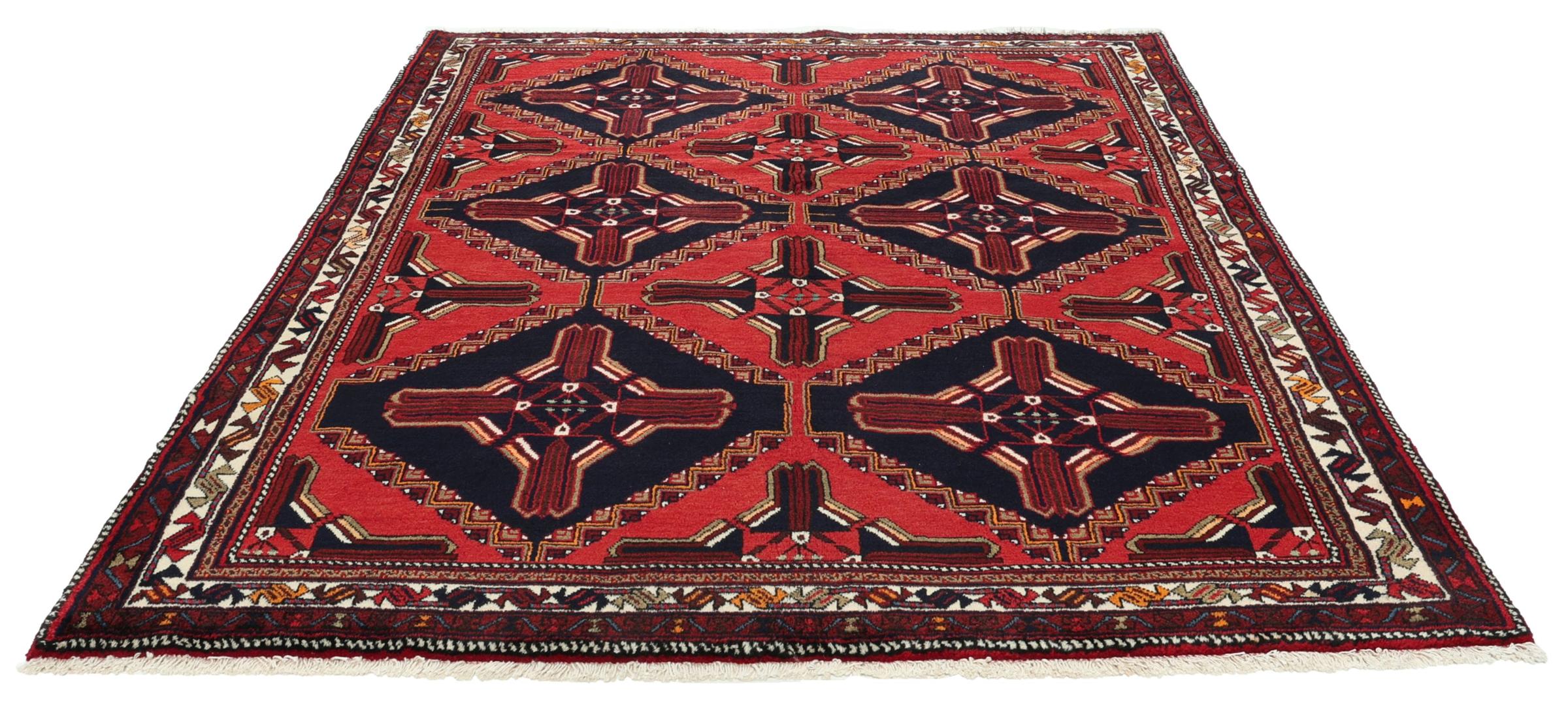
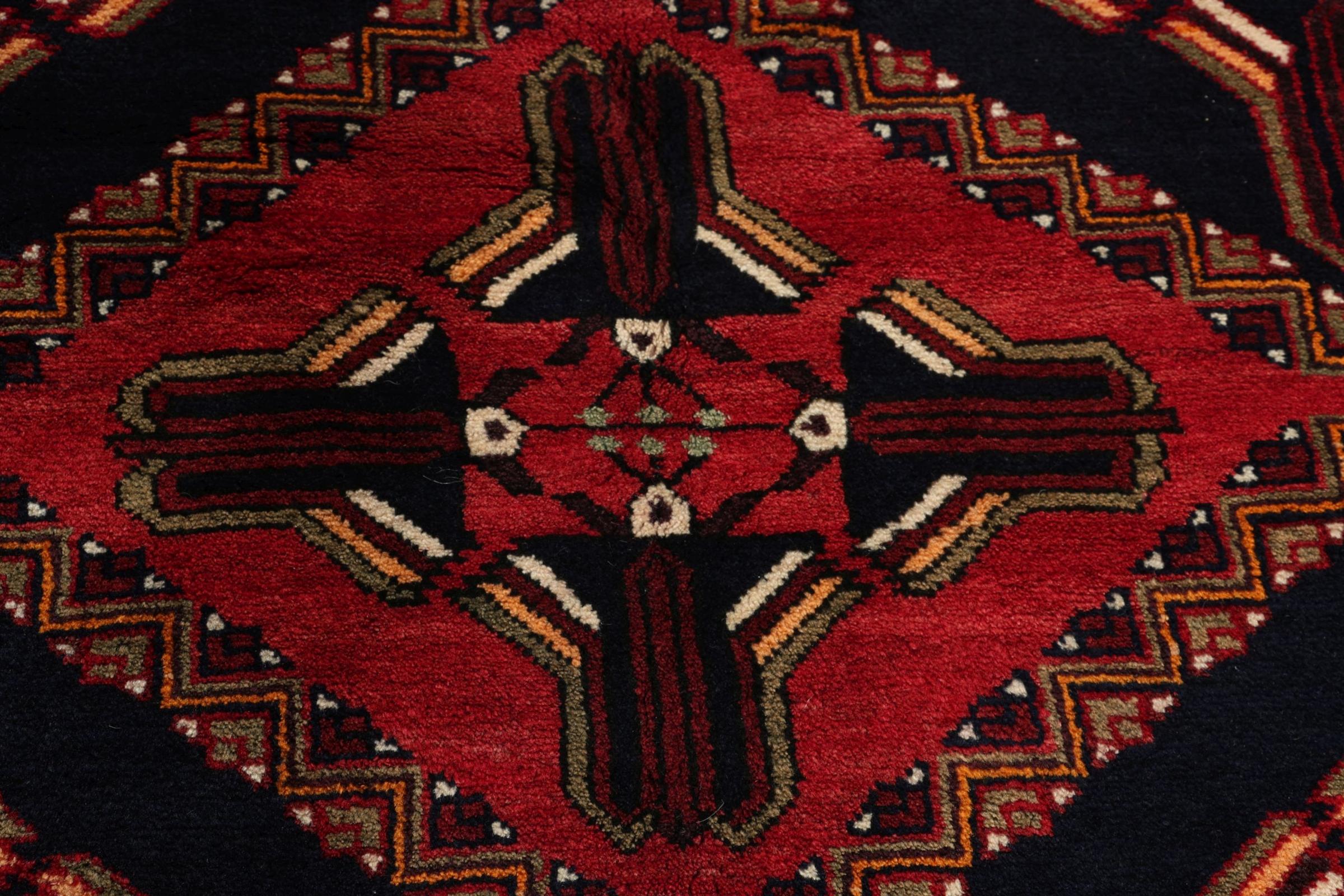
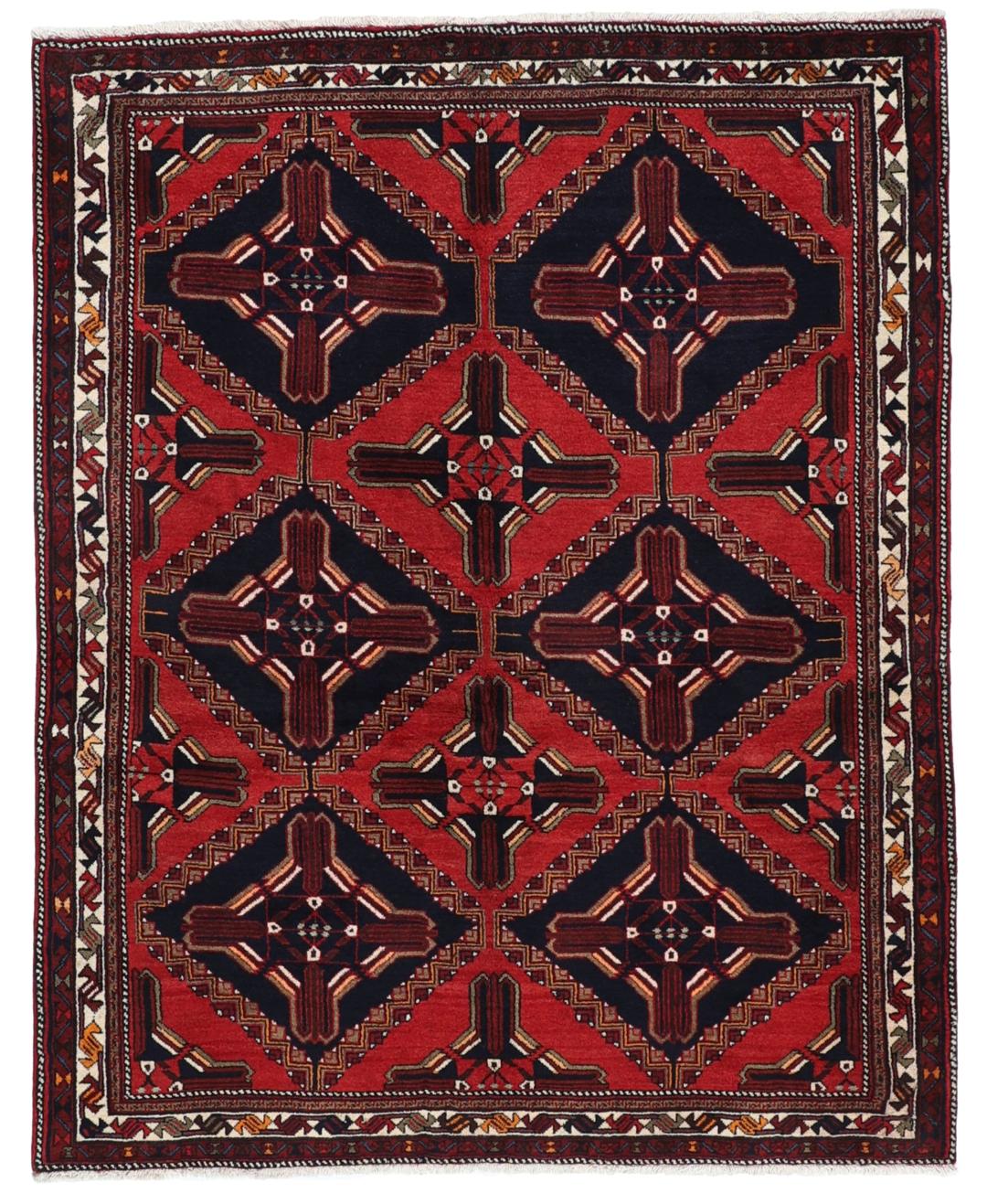
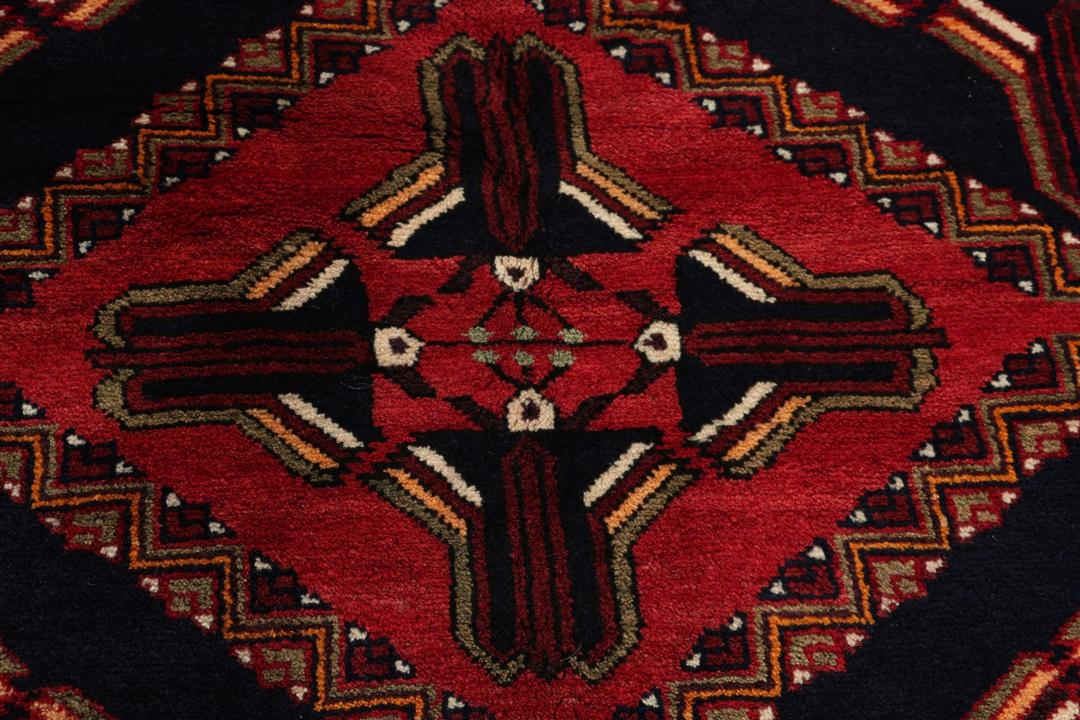
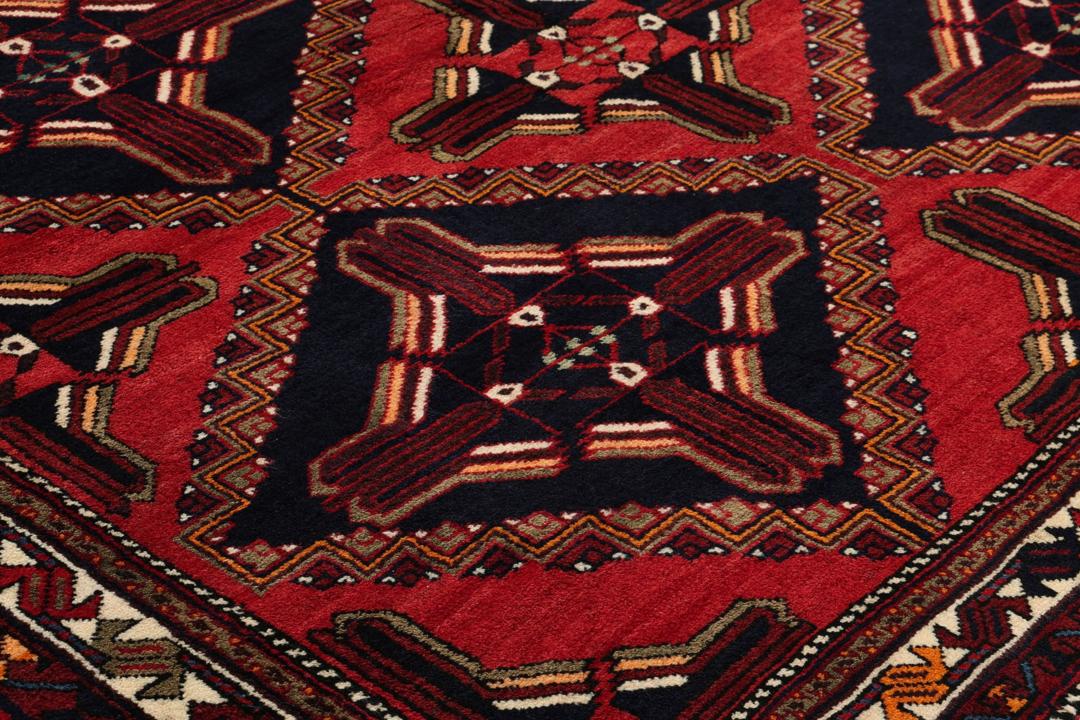
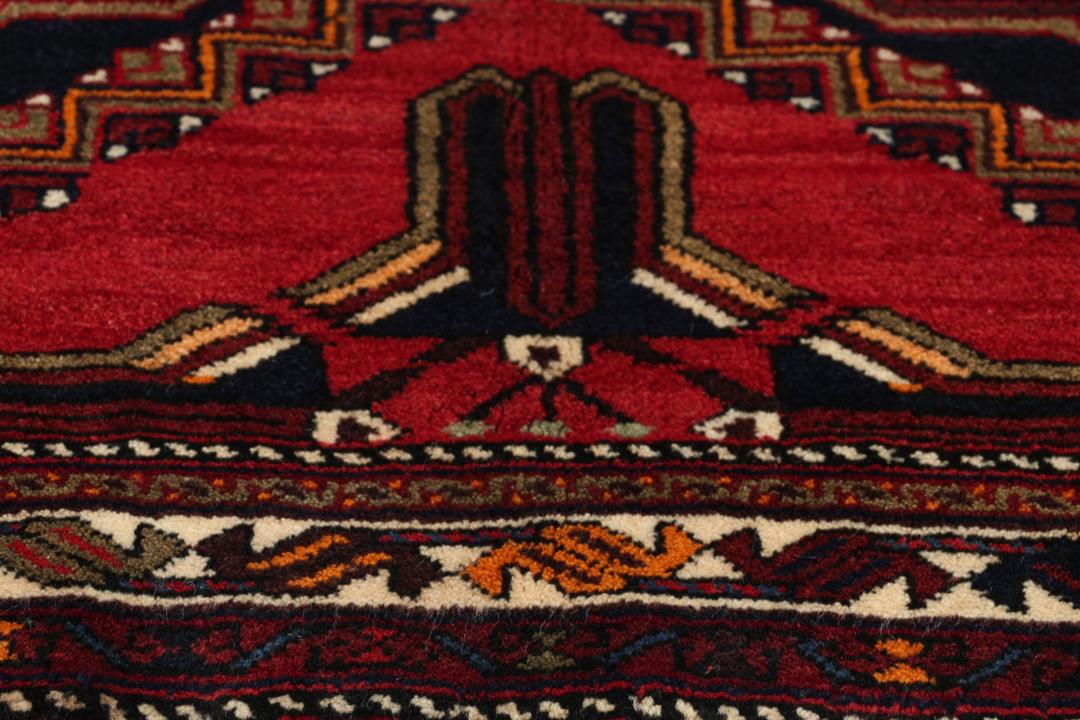
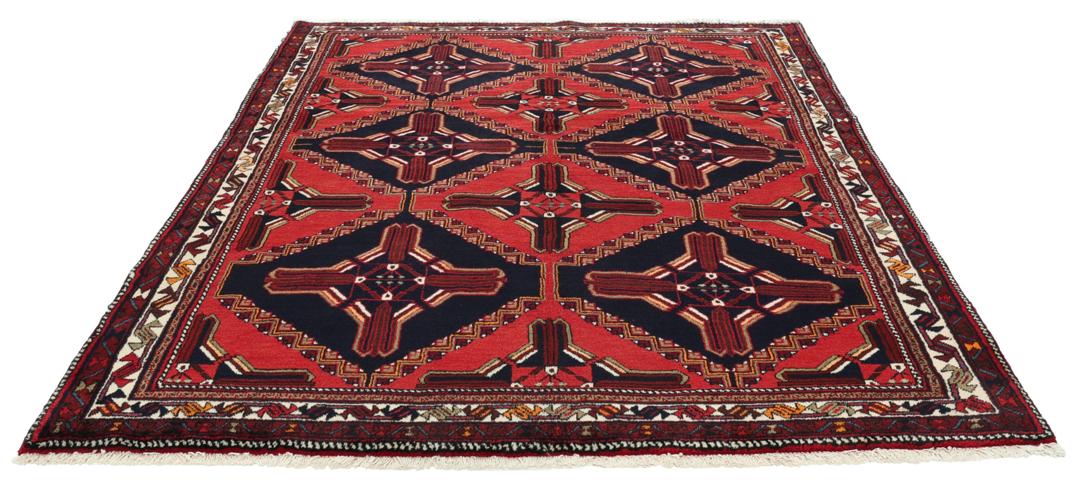
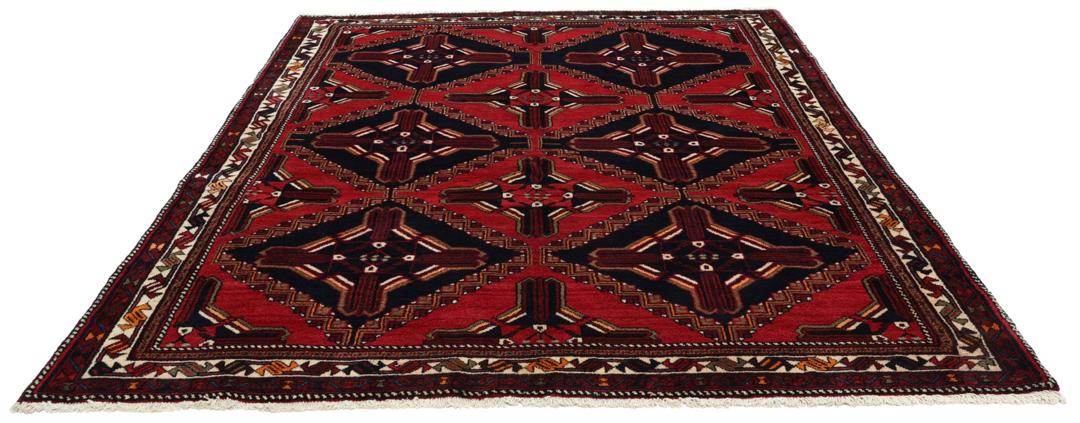
Visually, these rugs are defined by their bold use of space and repeating geometric motifs, often centred around a medallion or diamond lattice. The design language is deeply symbolic, with patterns that often tell stories of the environment and the tribe's history. The use of deep red and dark blue tones is traditional, creating a high-contrast look that is instantly recognisable.
Owning an Afshar rug is an investment in cultural heritage. Collectors value these pieces not only for their striking aesthetic but for the human skill and historical continuity they represent. Each rug acts as a bridge to the past, preserving the unique design vocabulary of a people who have mastered the art of weaving for centuries.