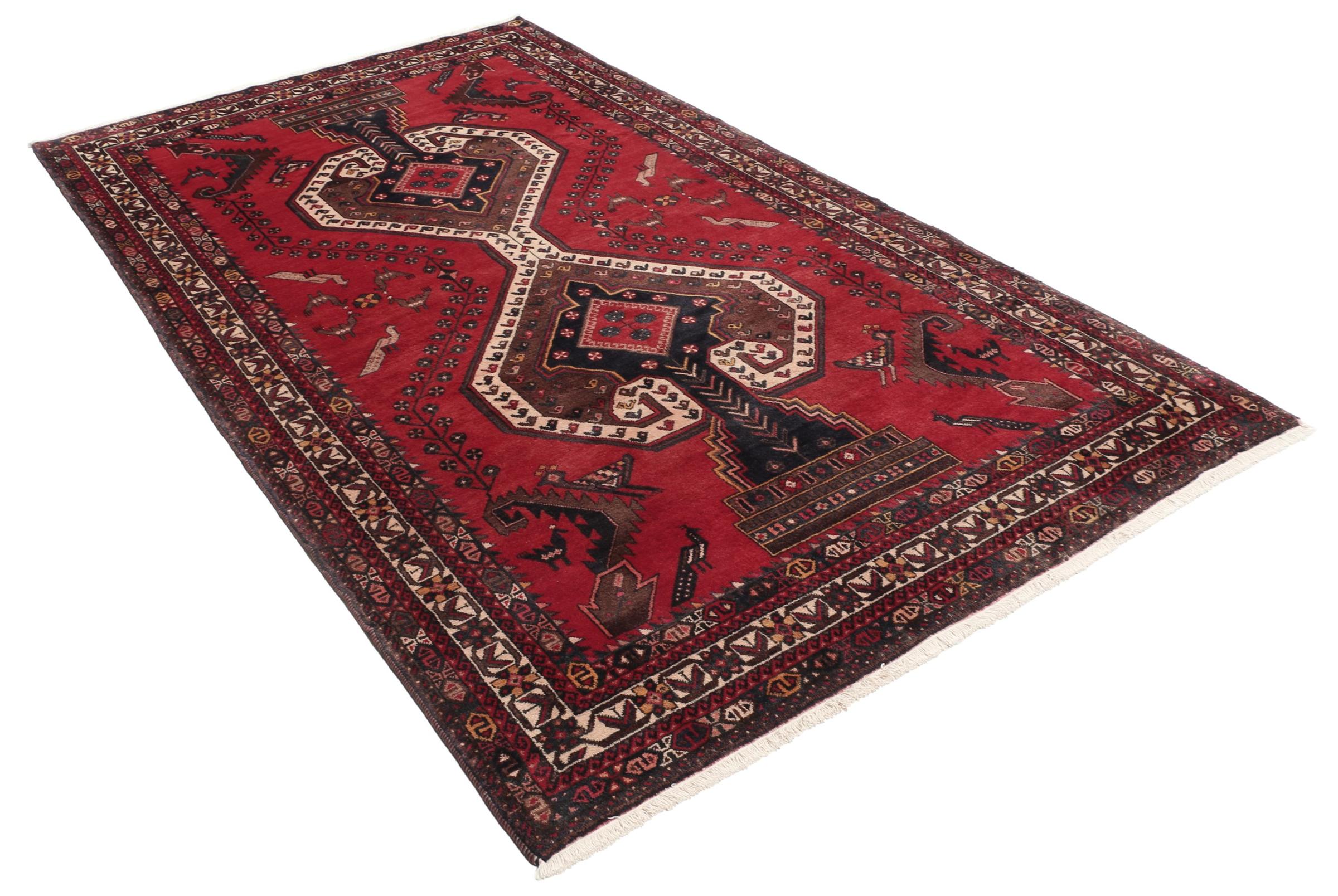
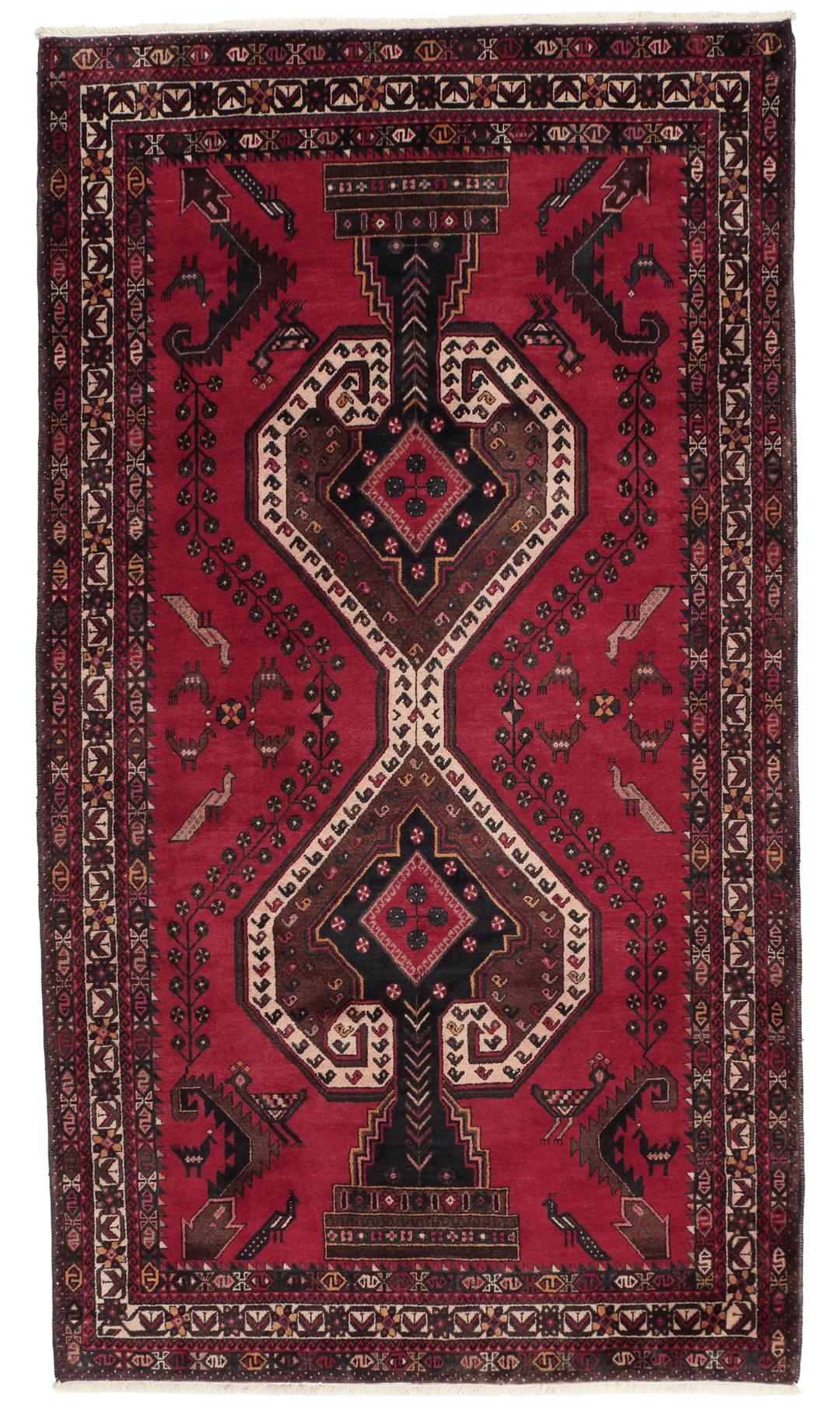
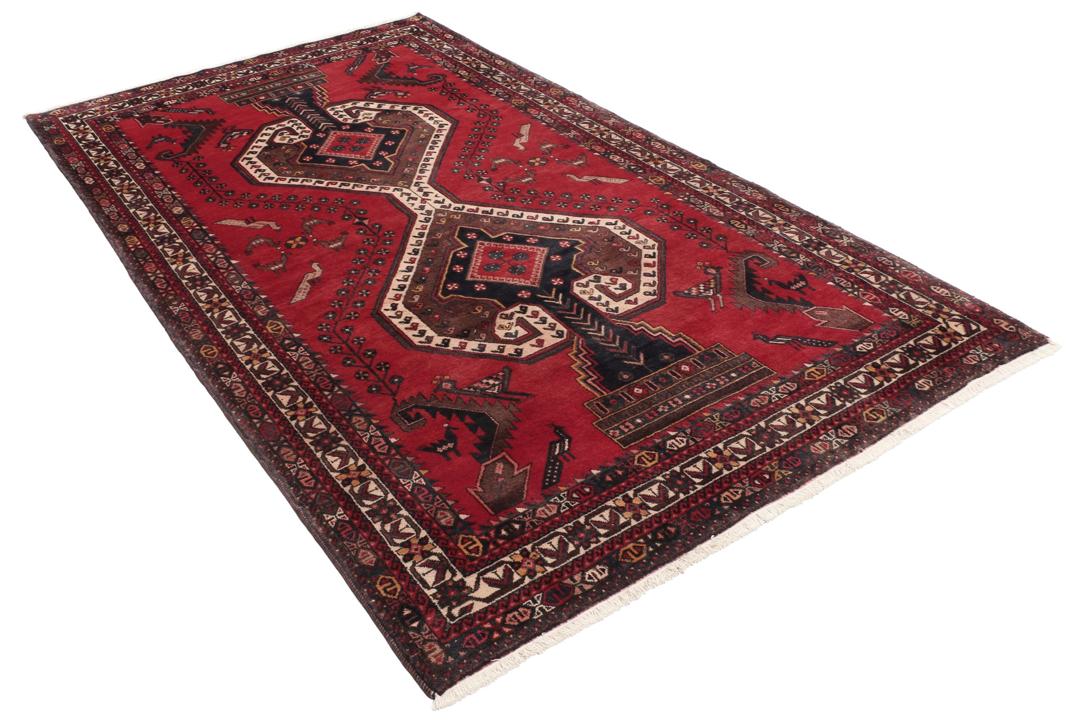
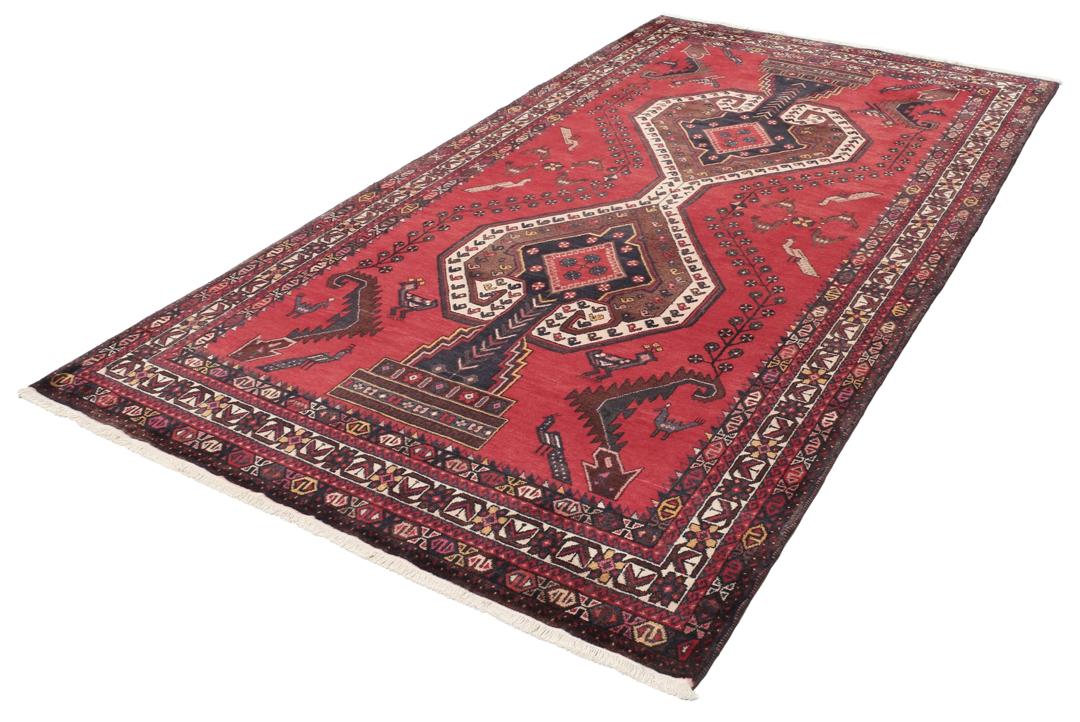
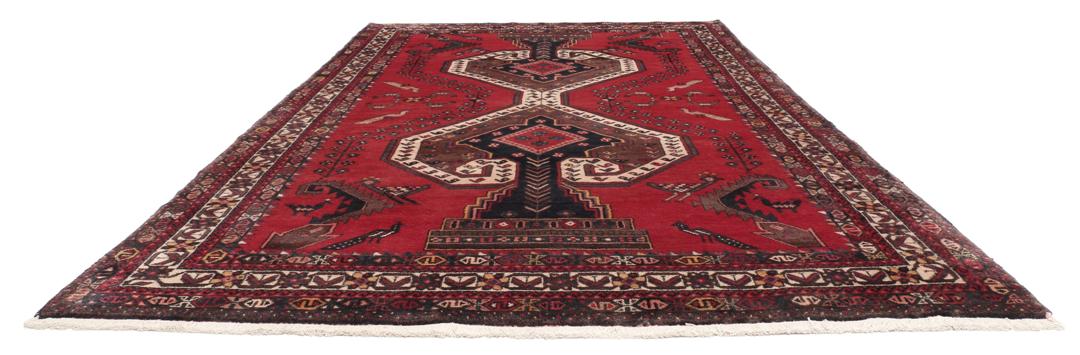
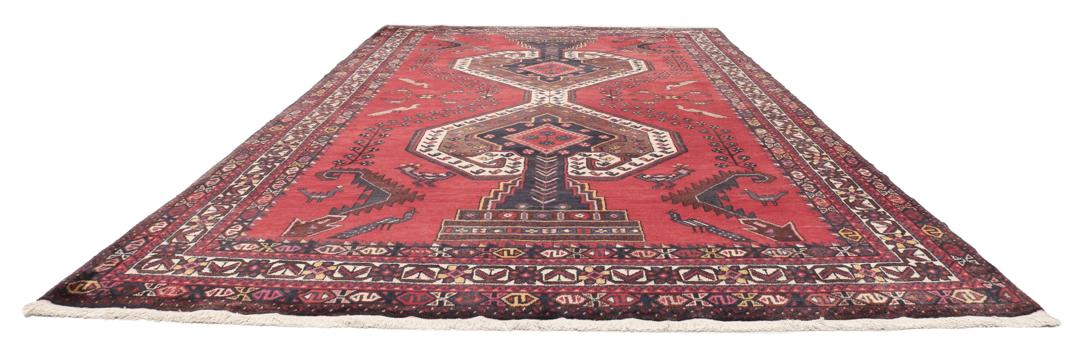
The Afshar rugs originate from the nomadic and semi-nomadic tribes of the Kerman province in the Middle East. These tribes have a long history of weaving, with a style that is deeply rooted in their migratory traditions and environmental surroundings. Their rugs are celebrated for their authentic, tribal aesthetic, which often reflects the cultural identity and storytelling traditions of the people who created them.
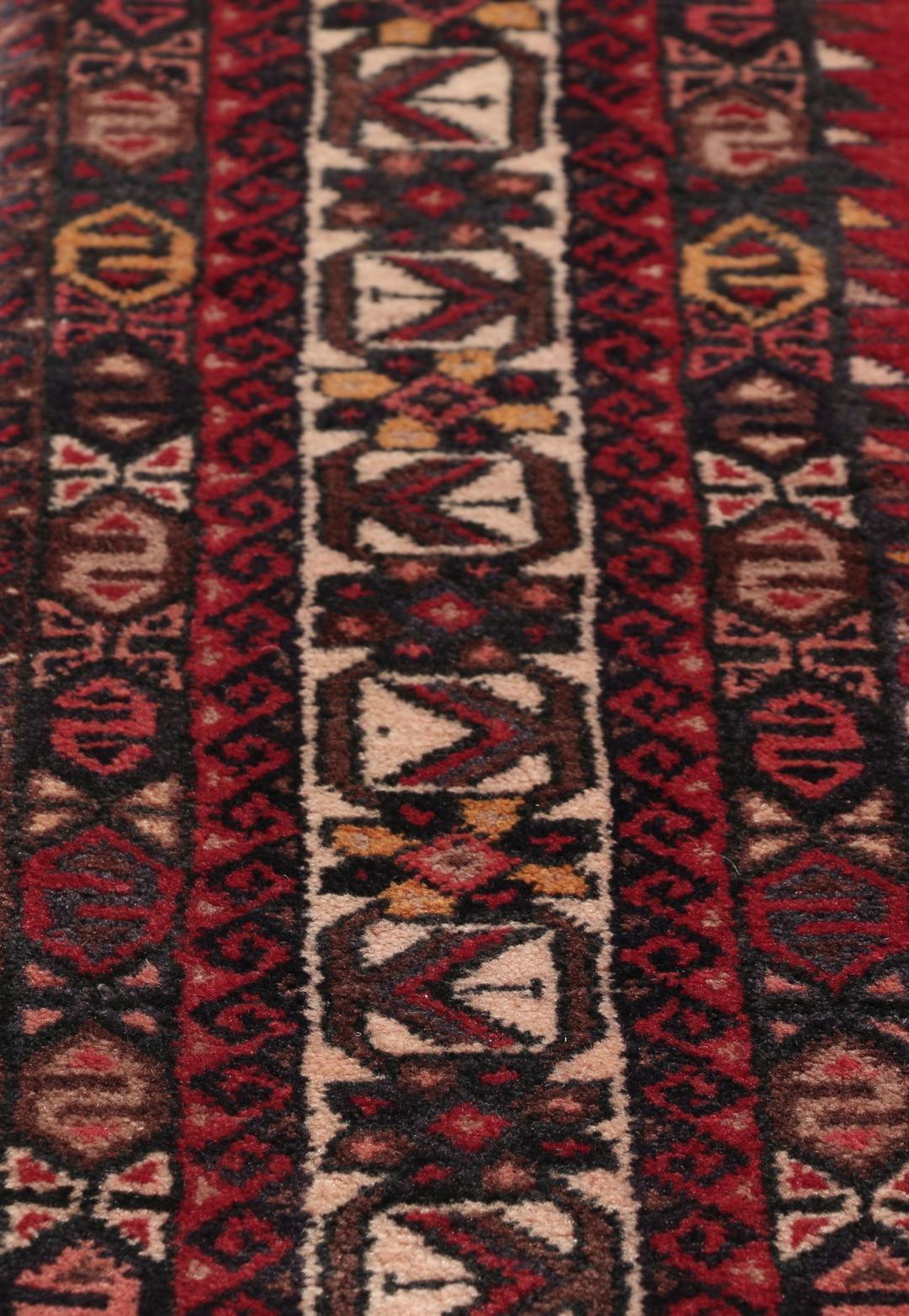
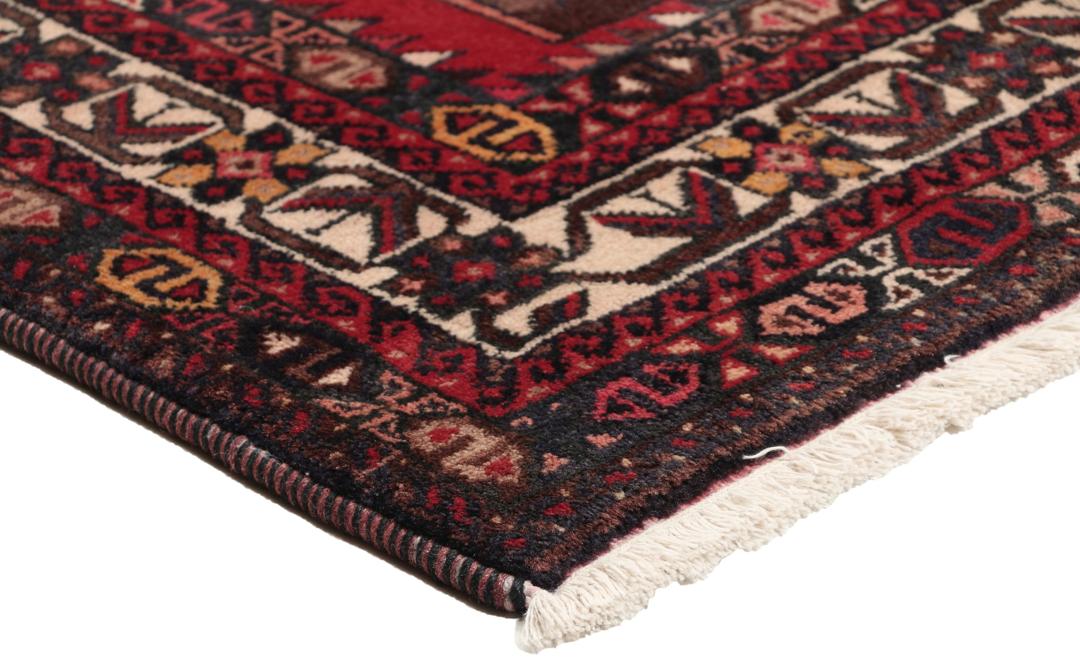
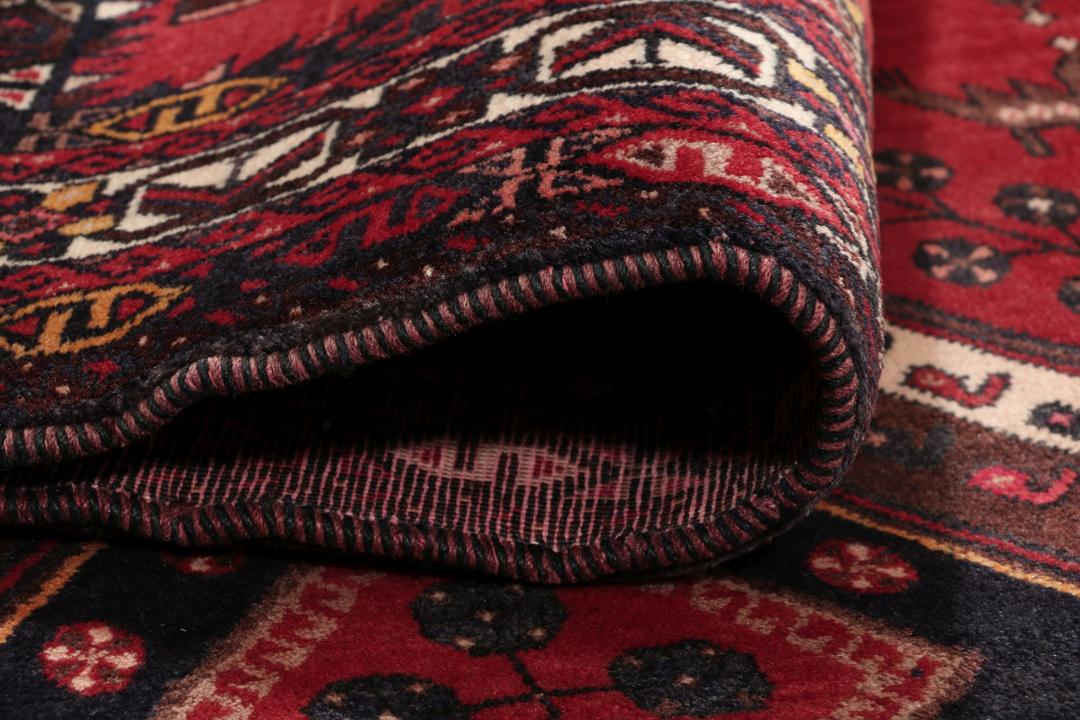
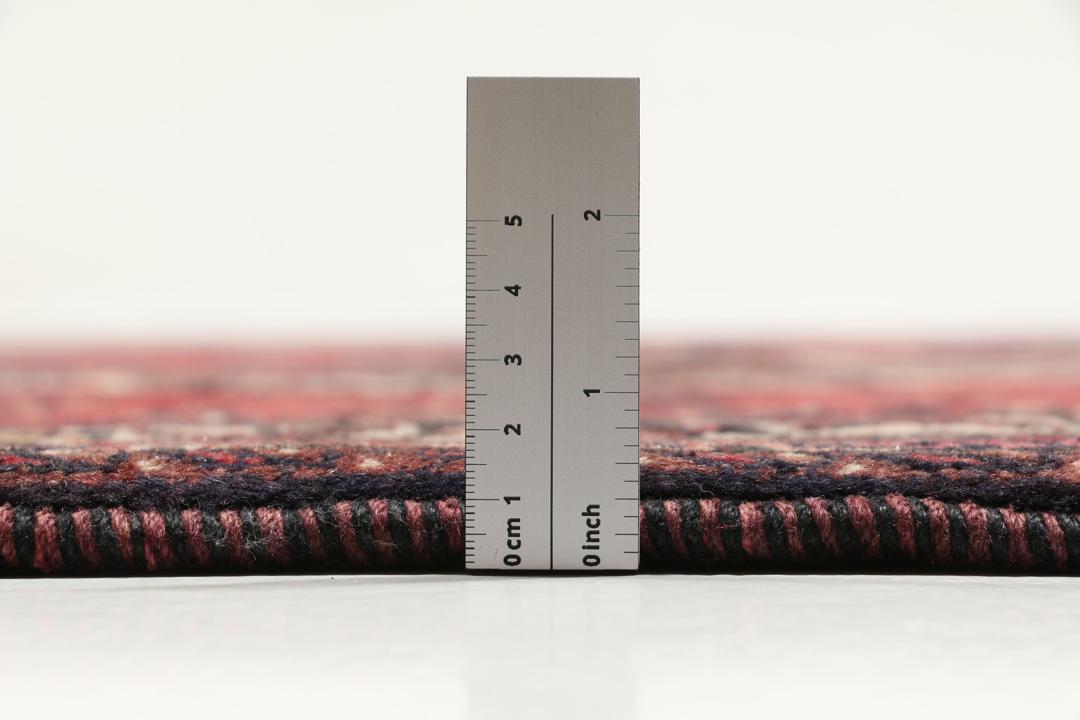
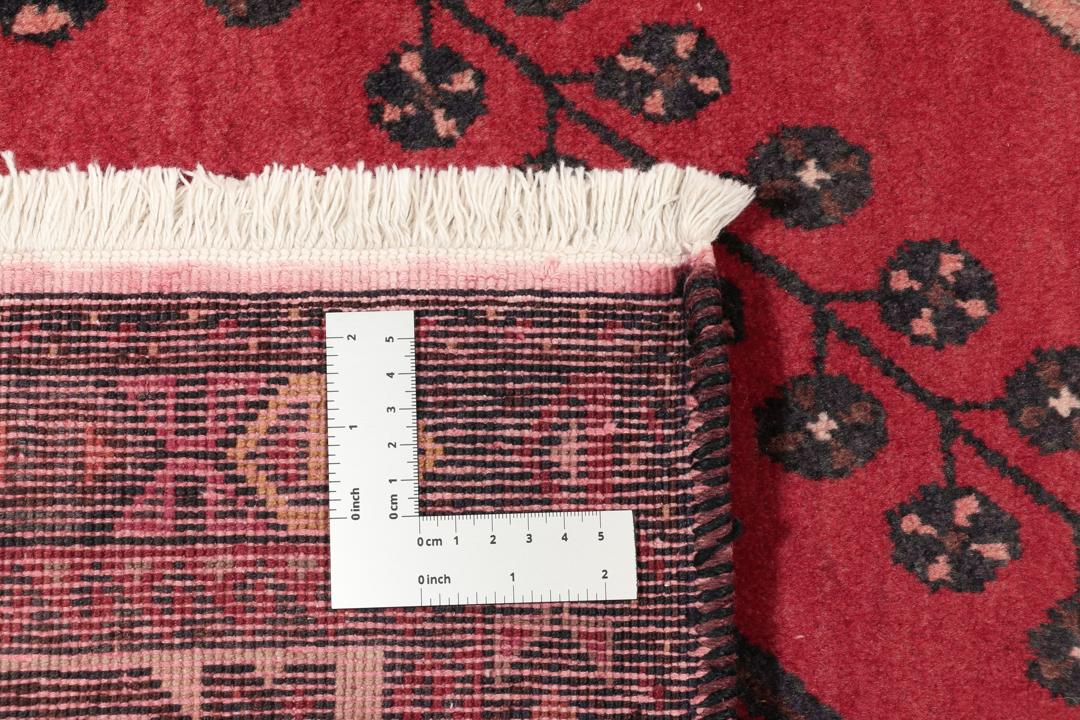
The technical construction of these rugs is defined by a sturdy, hand-knotted foundation that prioritises longevity. The use of traditional dyes and high-quality Wool results in a product that is not only visually striking but also incredibly robust. This specific style of weaving requires a high degree of technical mastery, as the artisans must maintain consistent tension and pattern alignment throughout the entire process, resulting in a finished product that is both uniform and full of life.
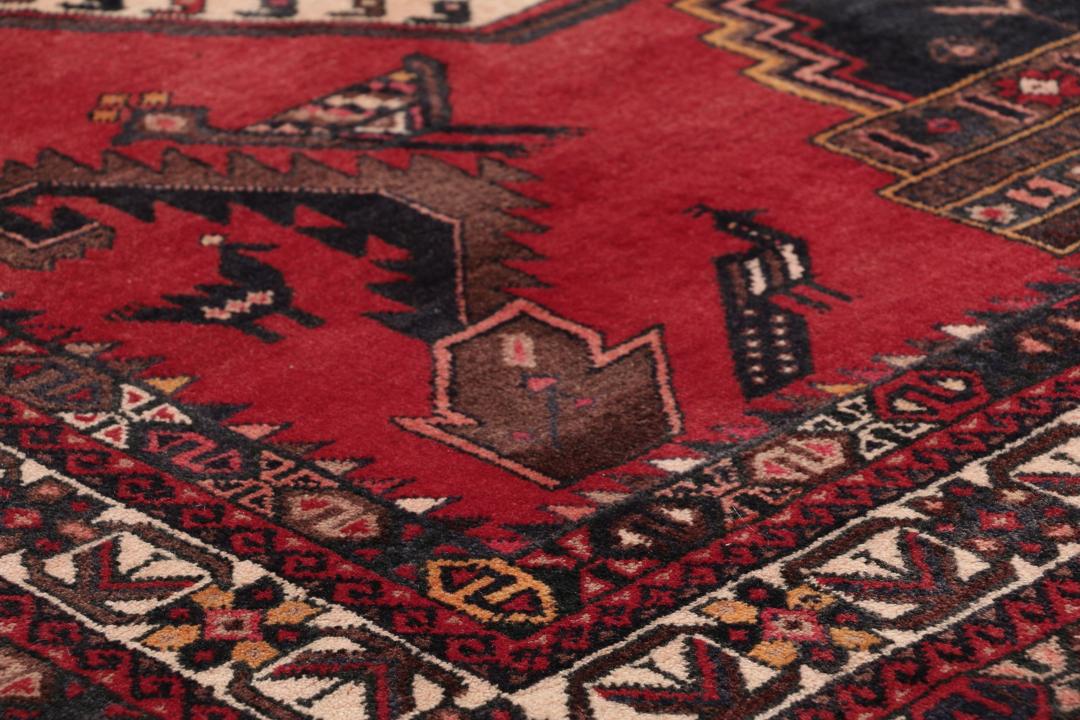
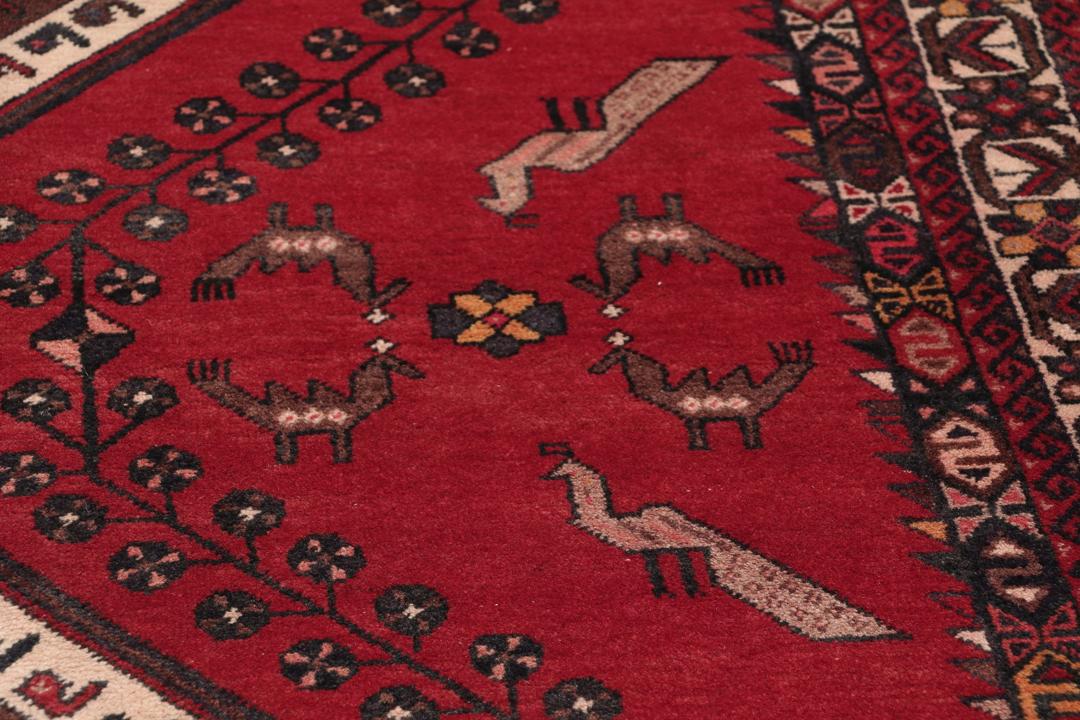
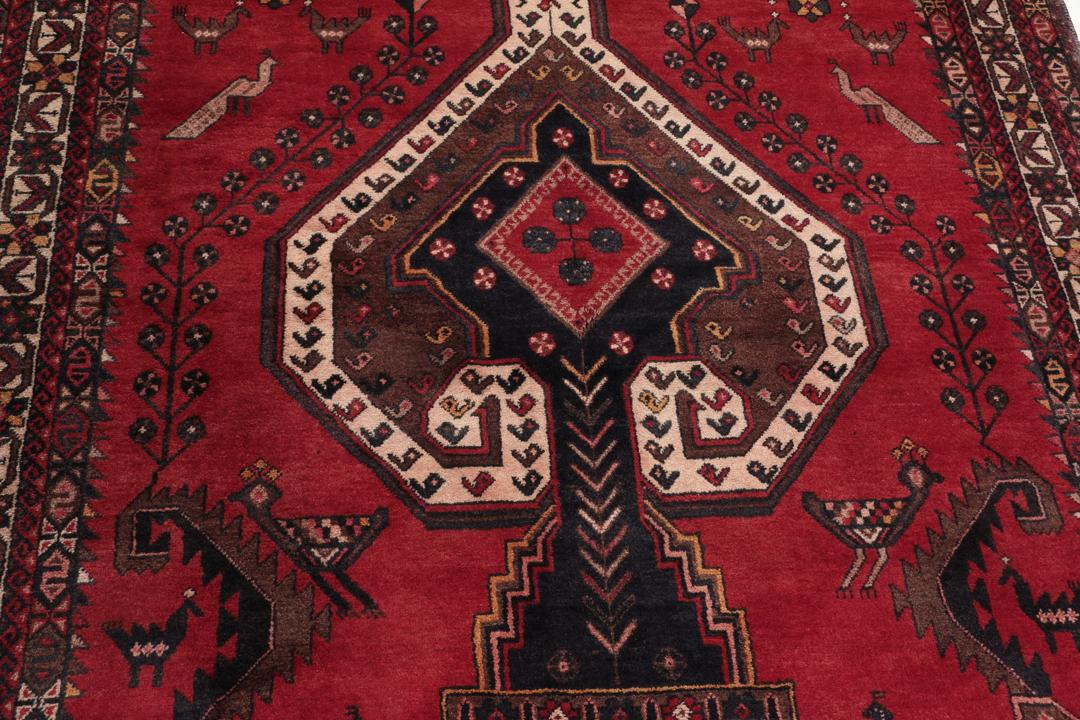
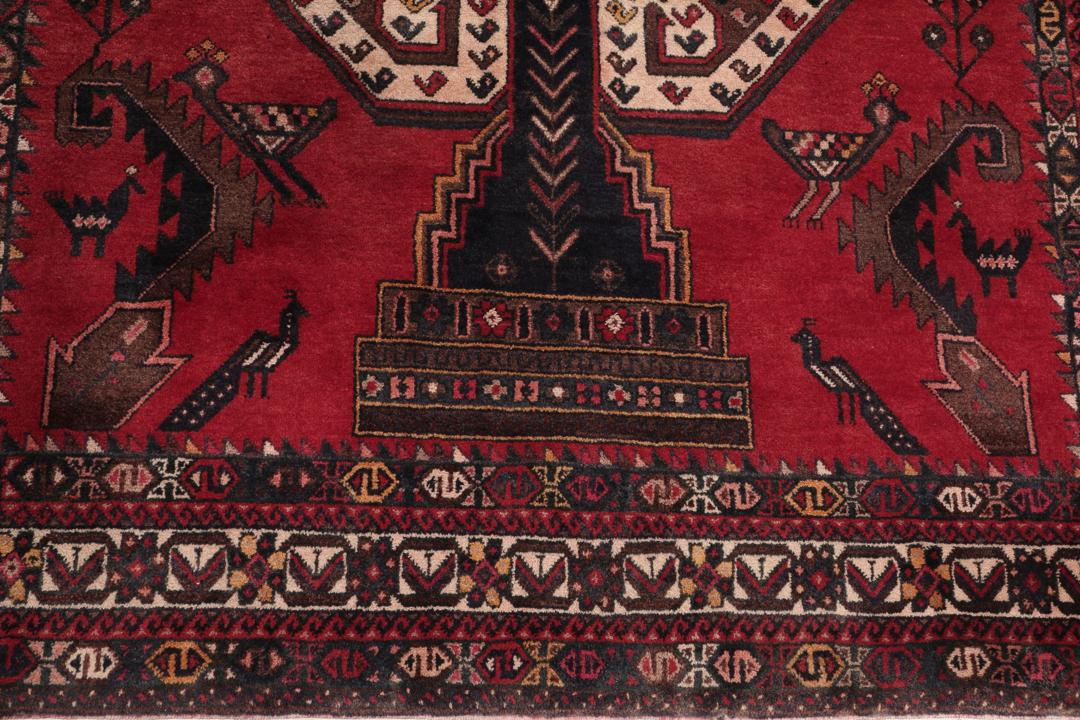
Signature design elements of the Afshar tradition often include bold, geometric medallions and stylised motifs, such as birds, flowers, or simplified representations of local flora. These patterns are typically arranged in a balanced, symmetrical layout, though they often retain a certain spontaneity that reveals the hand of the weaver. The use of deep reds, blues, and earthy tones is a hallmark of the region, creating a warm, grounded visual language that remains instantly recognisable to collectors.
Collecting an Afshar rug is an investment in cultural heritage. These pieces are highly valued for their individuality and the way they bridge the gap between ancient tribal art and contemporary interior design. By choosing a piece from this tradition, you are preserving a craft that has survived for centuries, ensuring that the skill and artistic vision of the weavers continue to be appreciated in homes across the world.