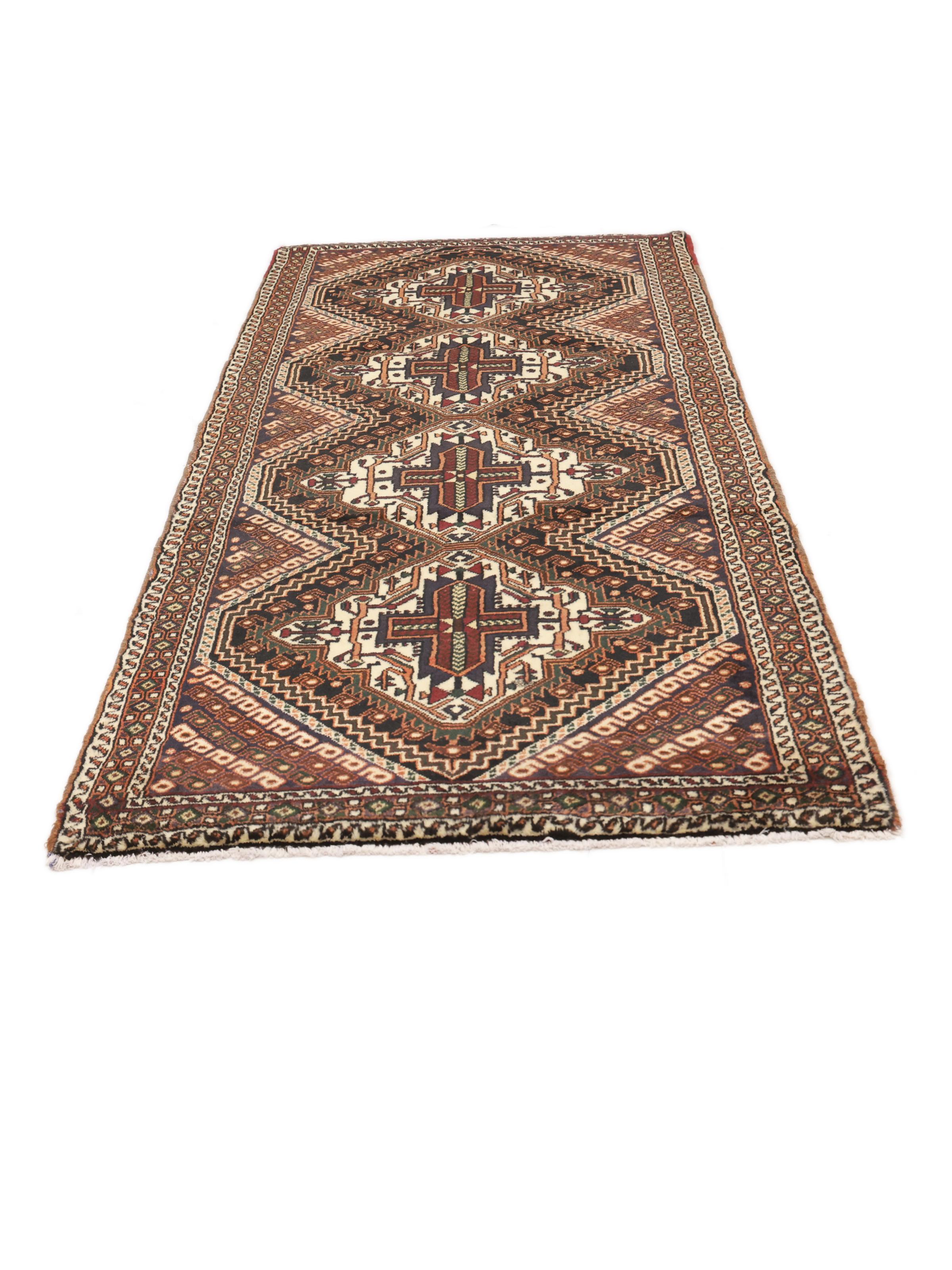
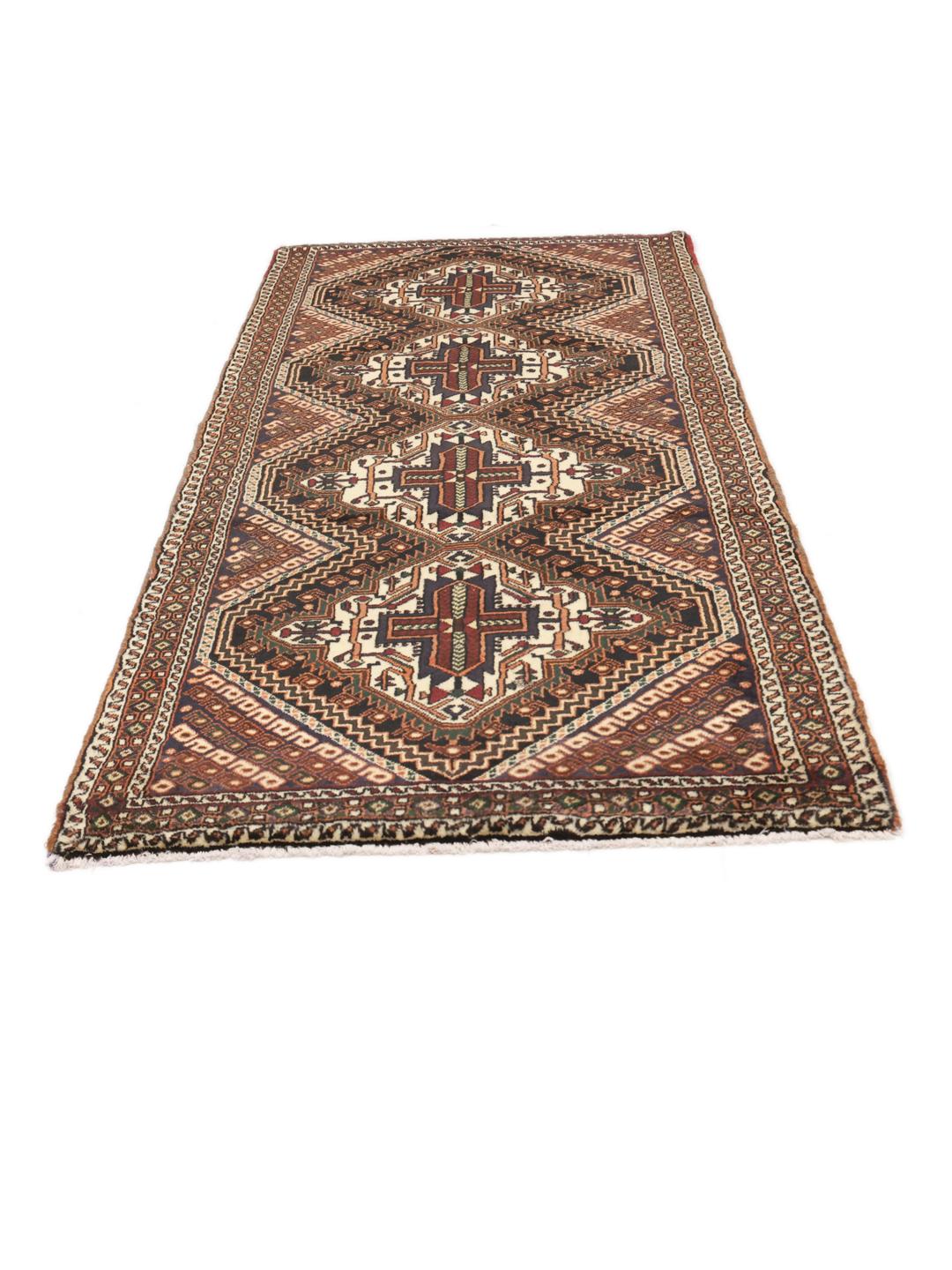
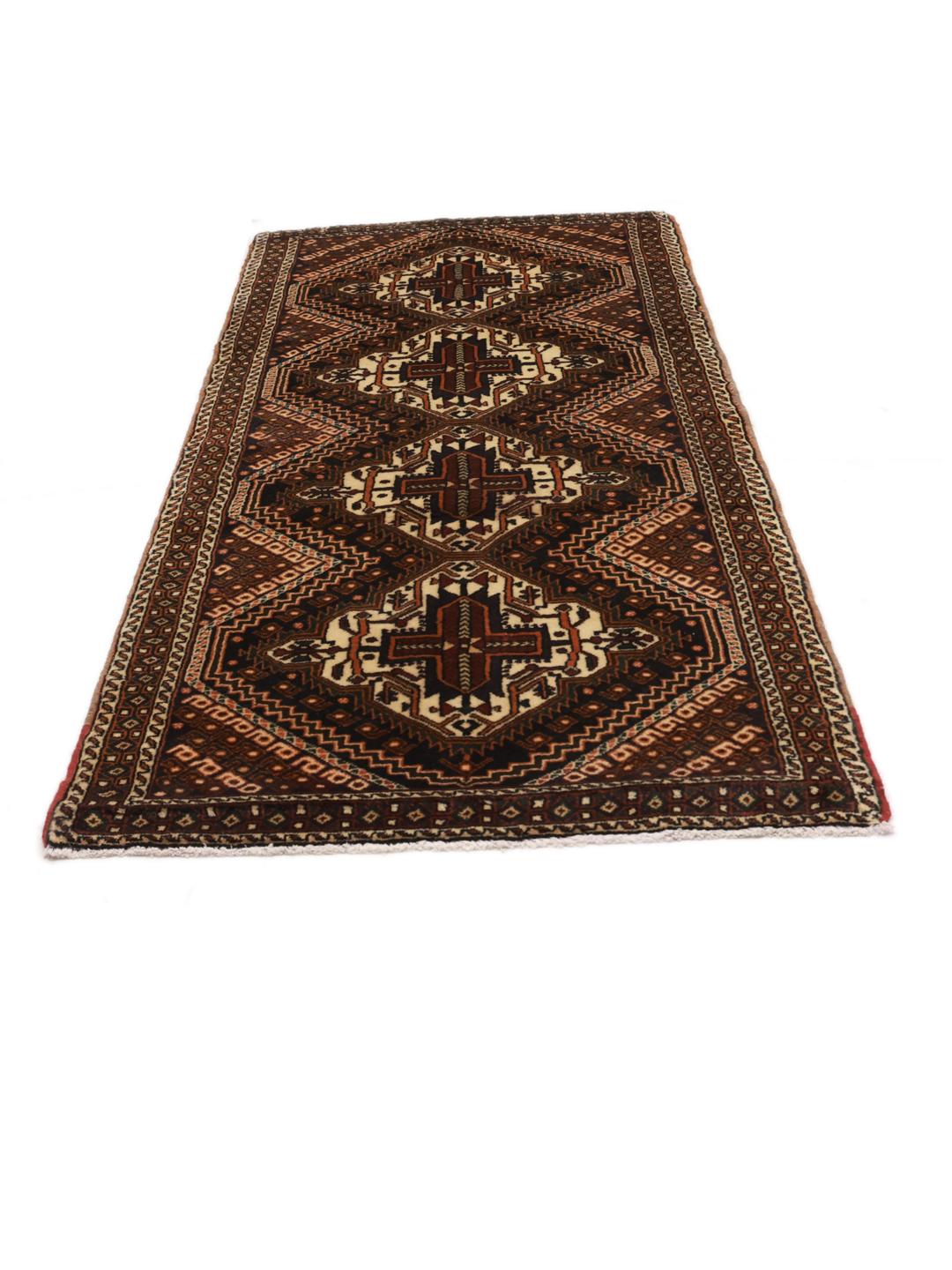
The Afshar rugs originate from the tribal groups of the Kerman province in the Middle Eastern region. Historically, the Afshar people were nomadic, and their weaving traditions are deeply rooted in their migratory lifestyle, which necessitated rugs that were portable, durable, and highly decorative.
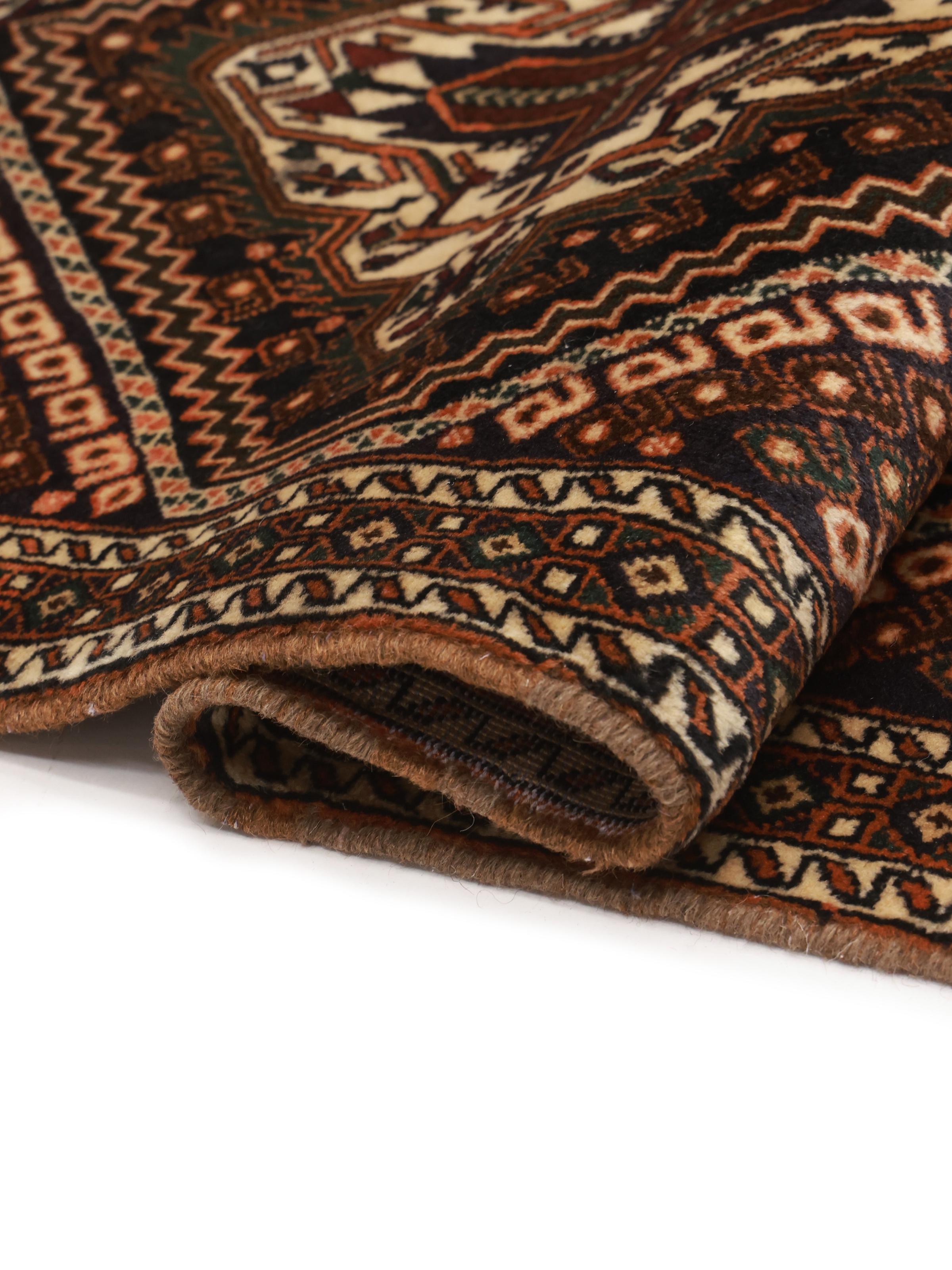
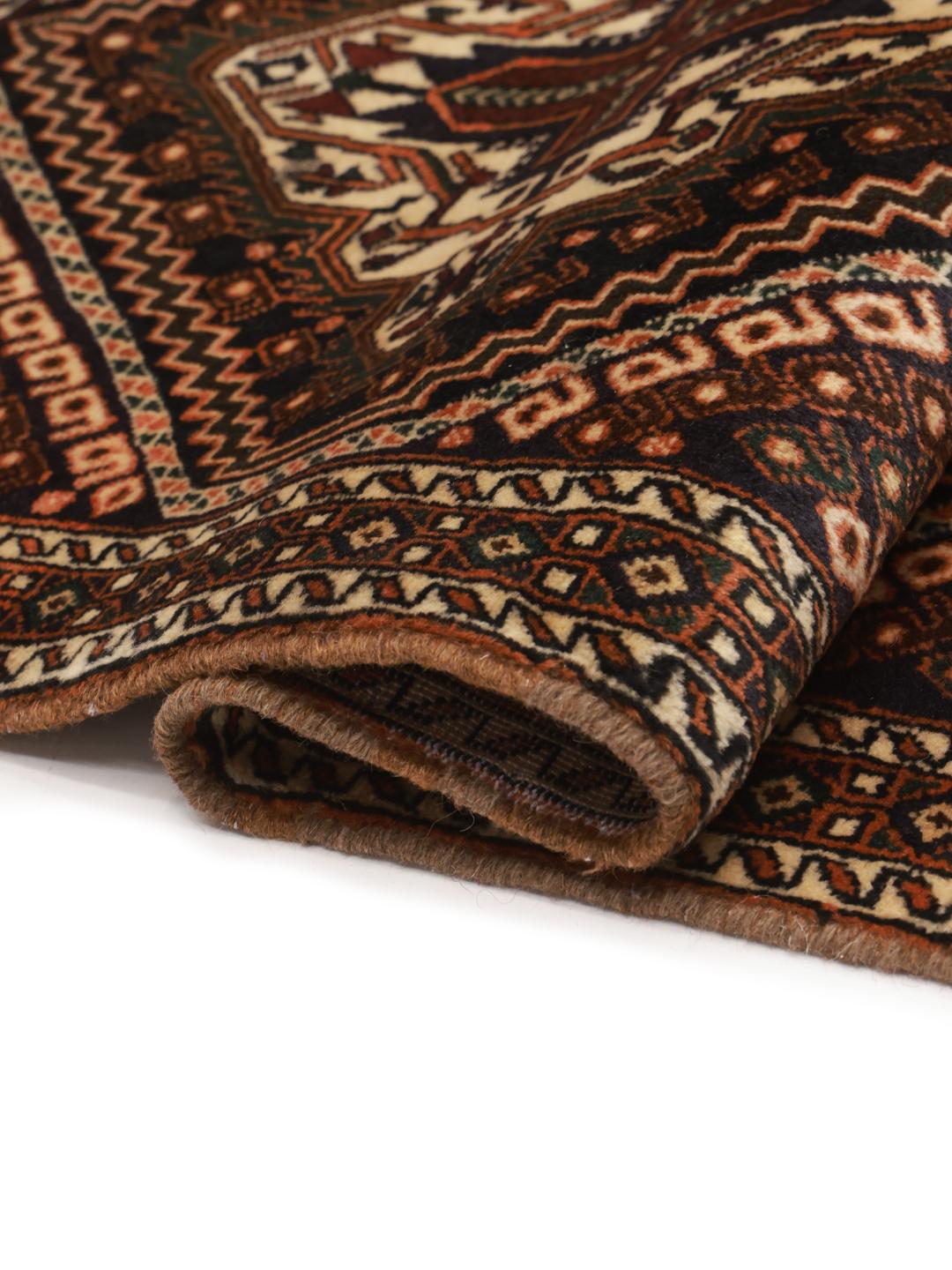
The term Shahre Babak refers to a specific region known for producing some of the most refined examples of this tribal style. These rugs are celebrated for their use of wool, which is often spun with a specific tension to create a pile that is both resilient and capable of holding deep, saturated dyes over generations.
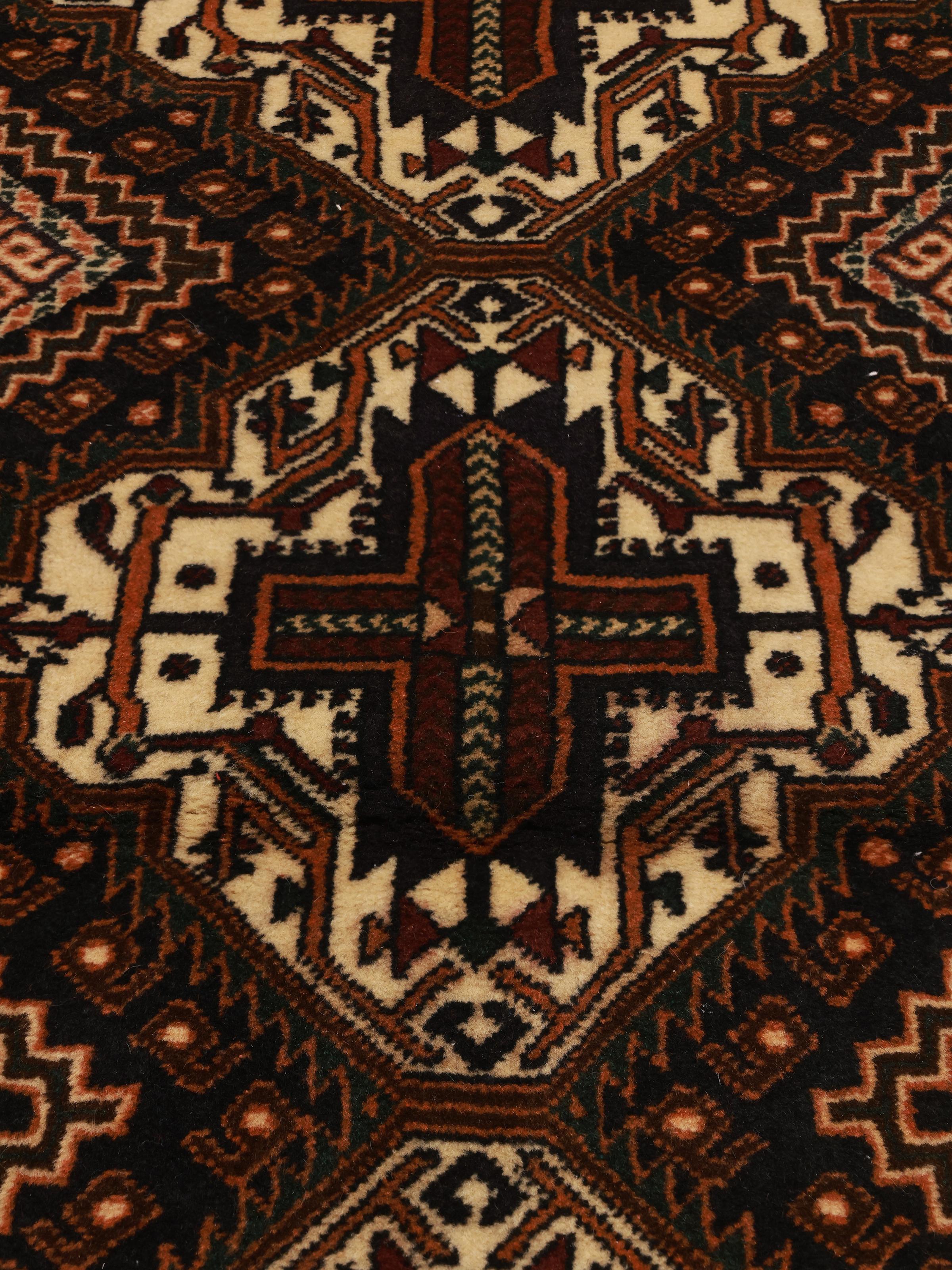
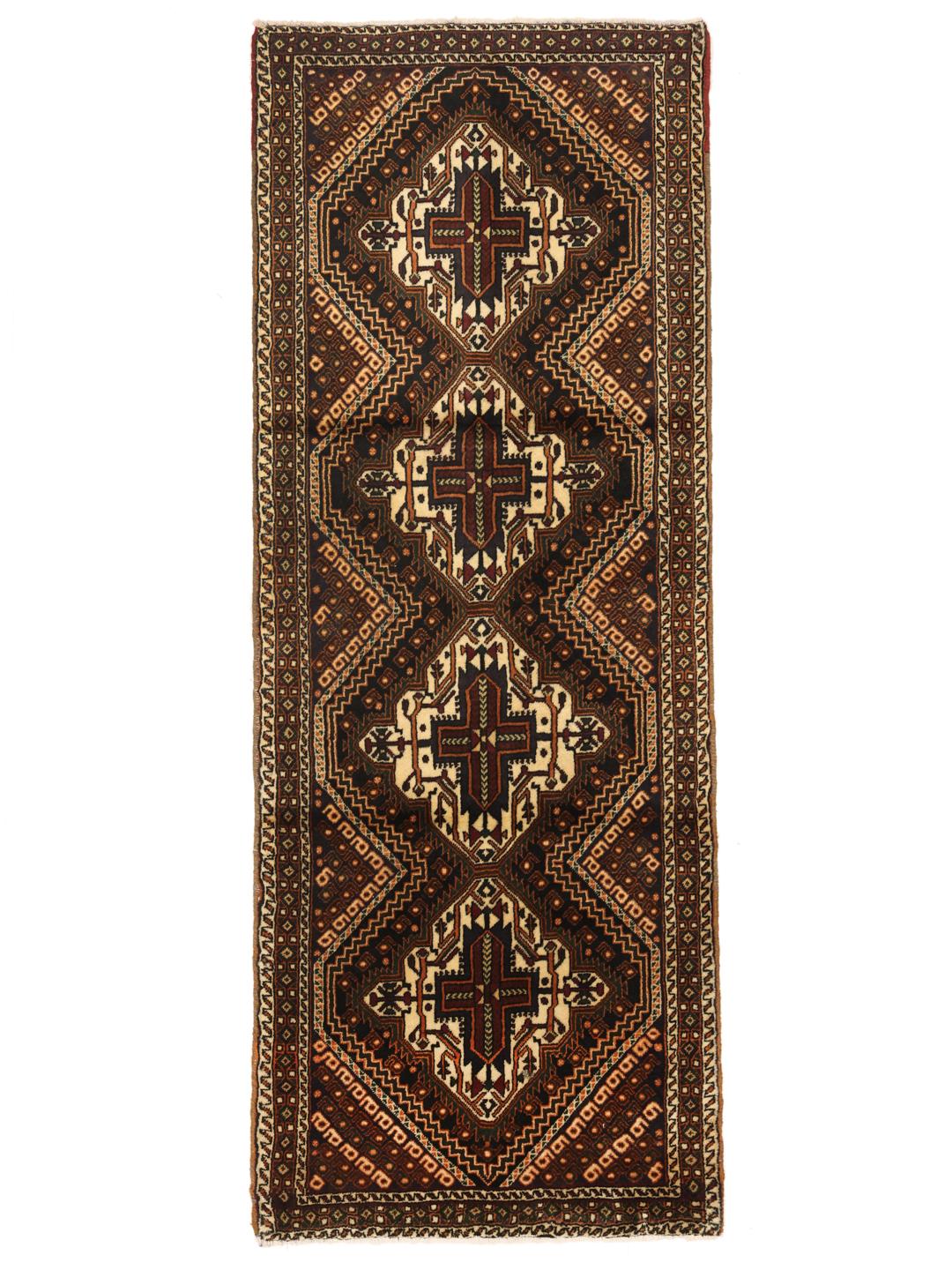
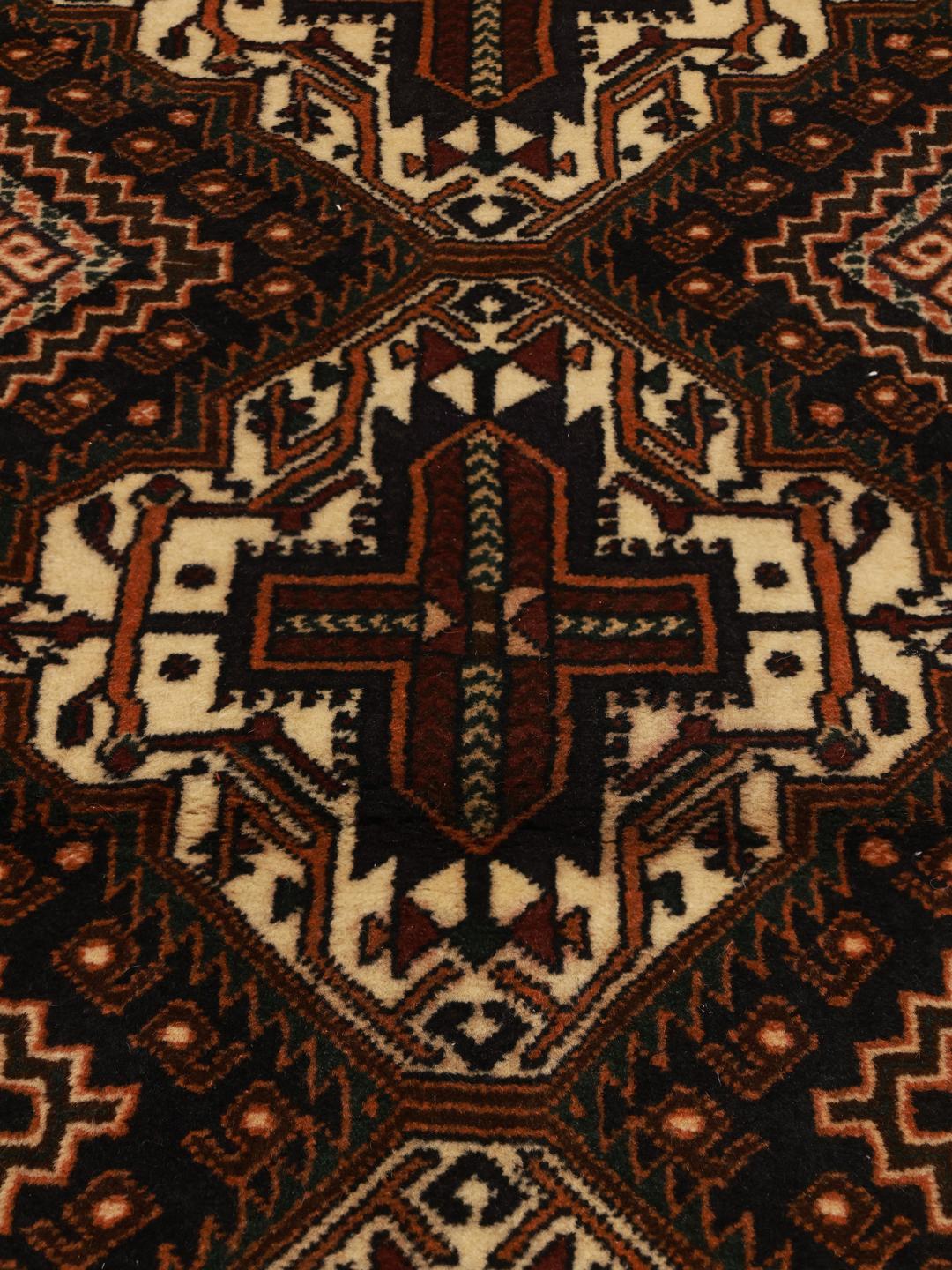
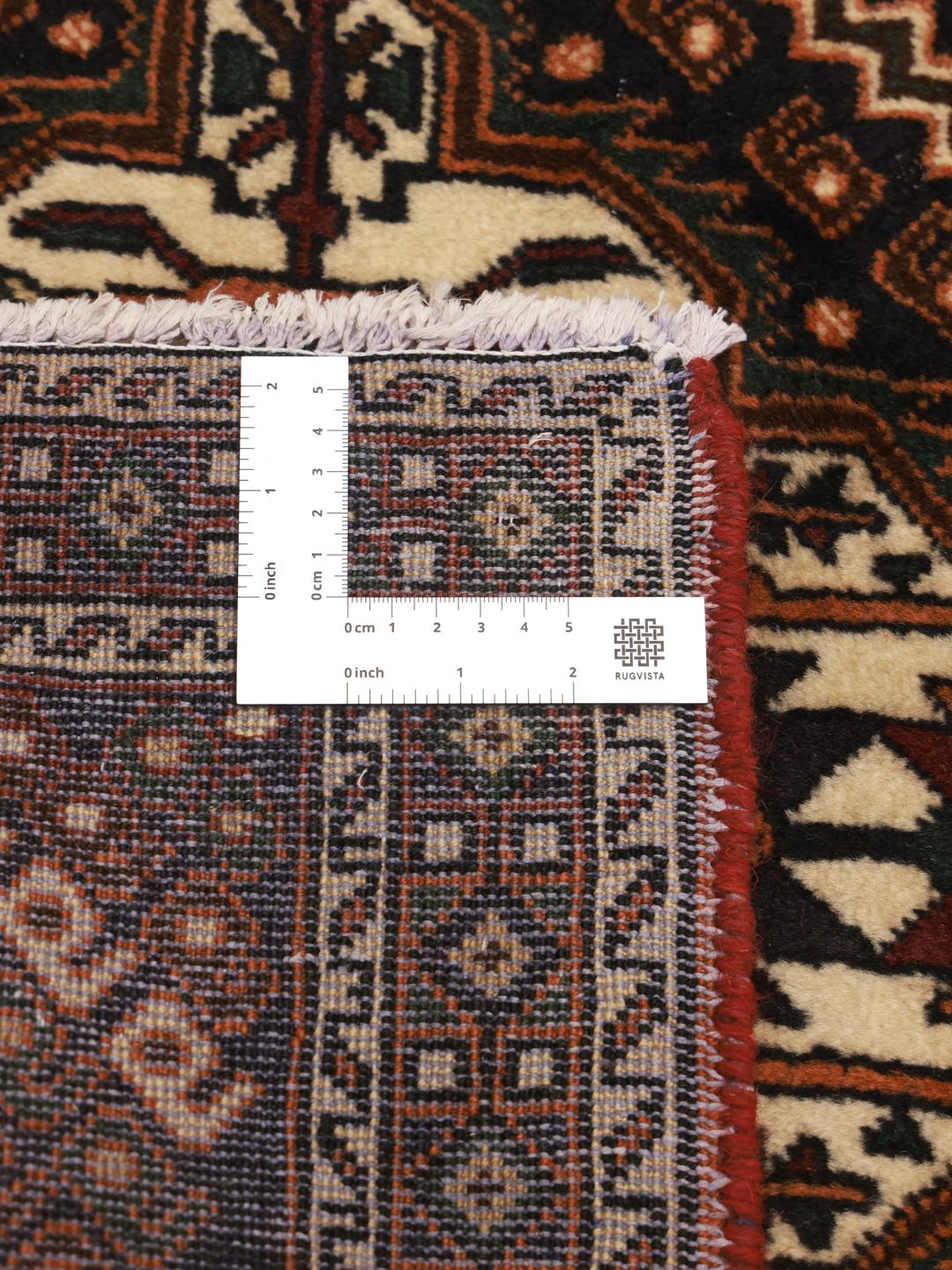
Design-wise, these rugs are famous for their bold, geometric language. You will often see large, repeating medallion or cross-like motifs set against a dark, contrasting field. The borders are typically filled with smaller, rhythmic patterns that frame the central design, creating a sense of balance and order that is quintessential to this tribal art form.
Owning an Afshar piece is an opportunity to connect with a storied heritage. These rugs are highly valued by collectors for their authenticity and the sheer skill required to maintain such complex geometric symmetry without the use of modern templates. They represent a cultural legacy that prioritizes the personal touch of the artisan.