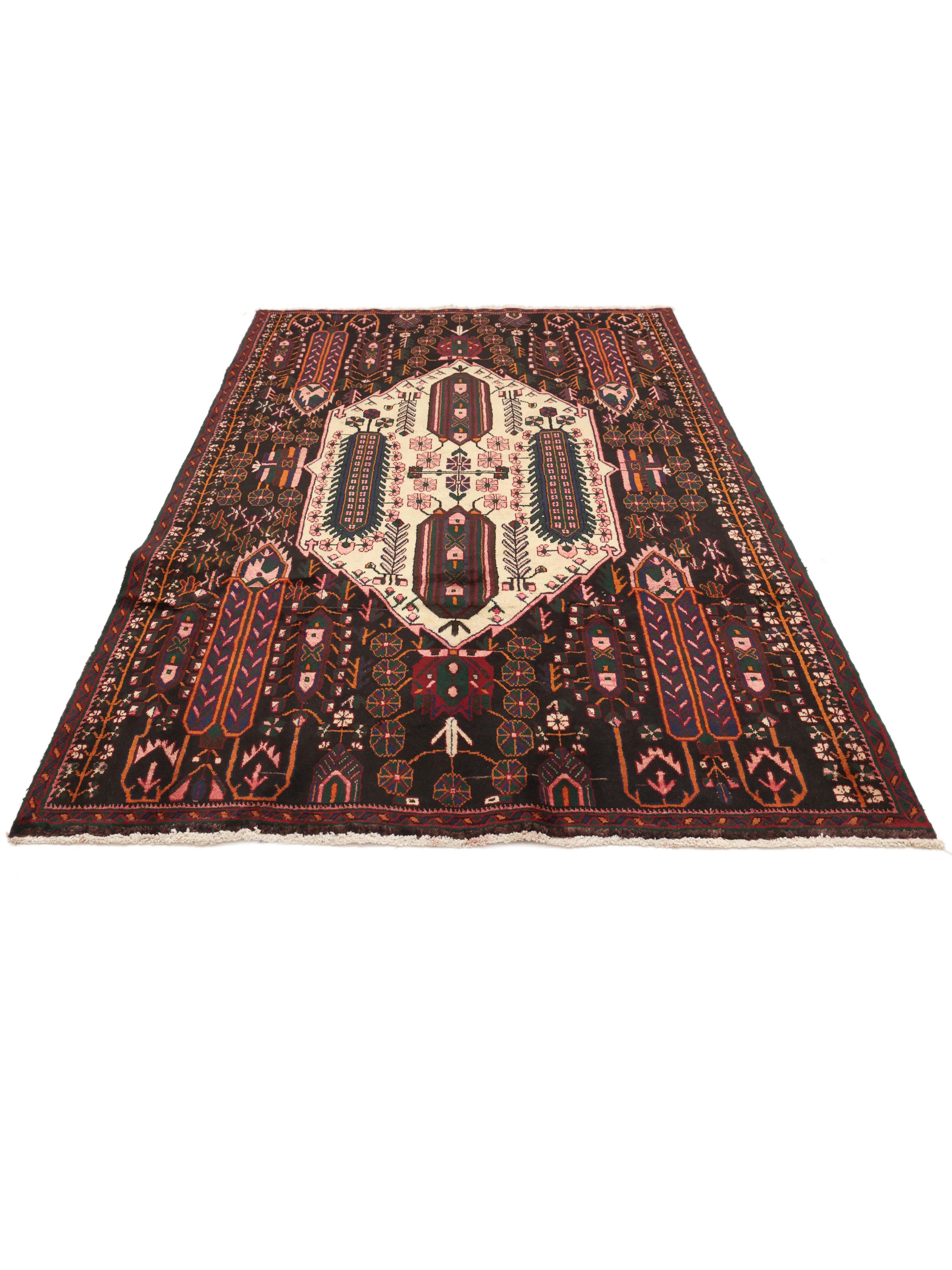
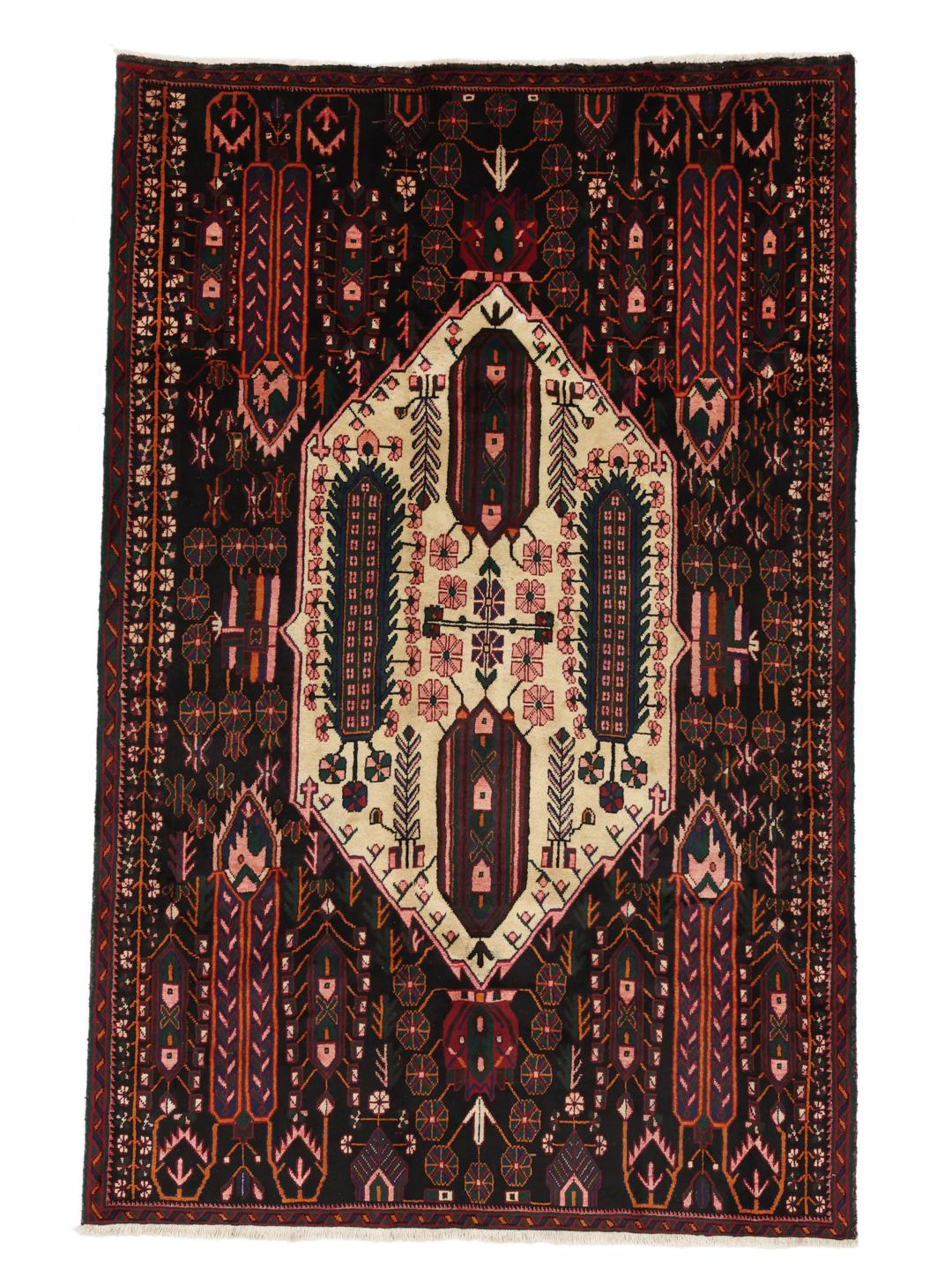
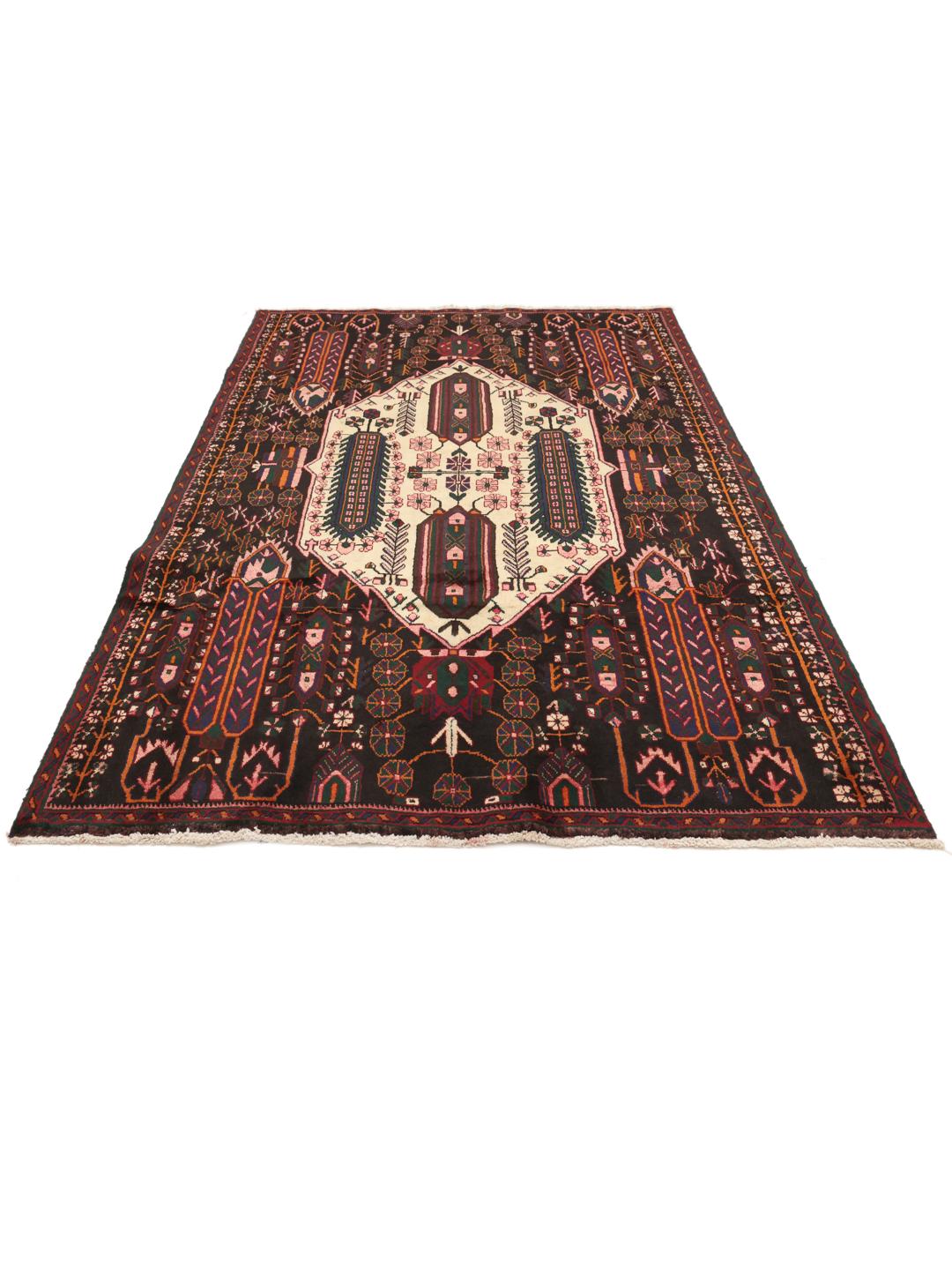
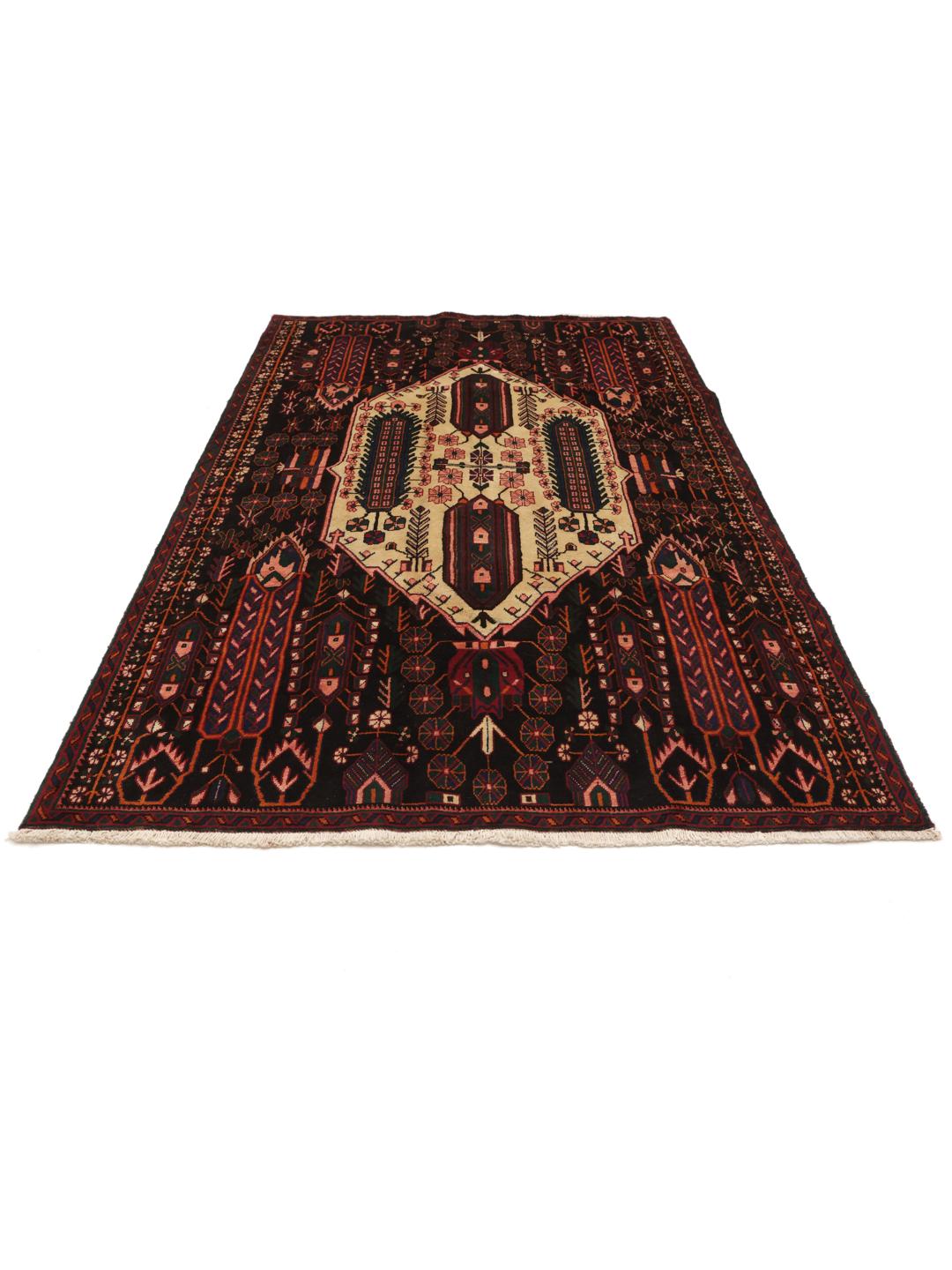
The Afshar Shahre Babak rugs originate from the nomadic and semi-nomadic Afshar tribes who historically roamed the southern regions of the Middle East. Over centuries, these tribes developed a distinct visual language characterised by their bold, geometric approach to design and a deep connection to their environment. The Shahre Babak region in particular has become synonymous with a specific style of weaving that balances tribal tradition with refined, sophisticated layouts.
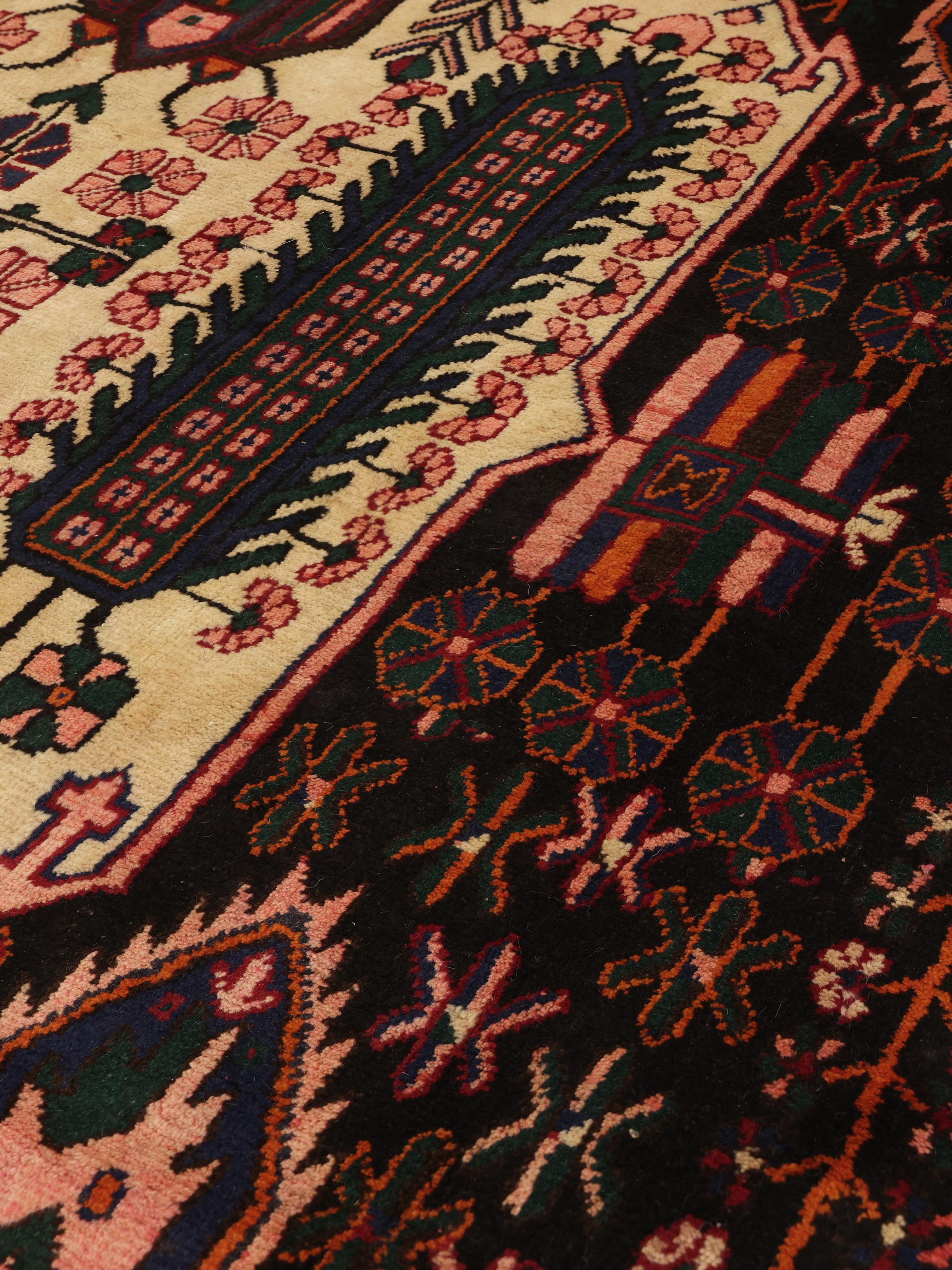
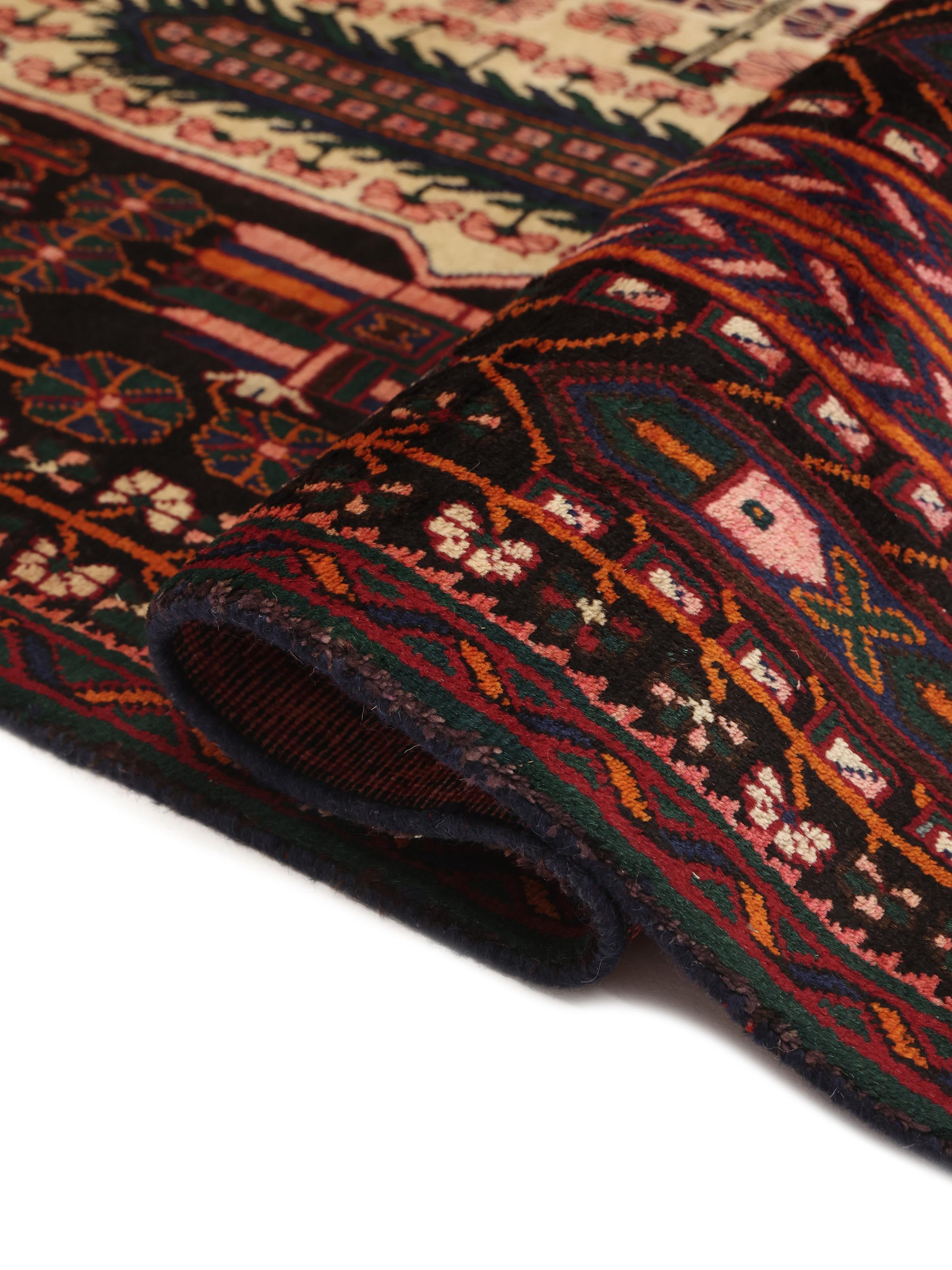
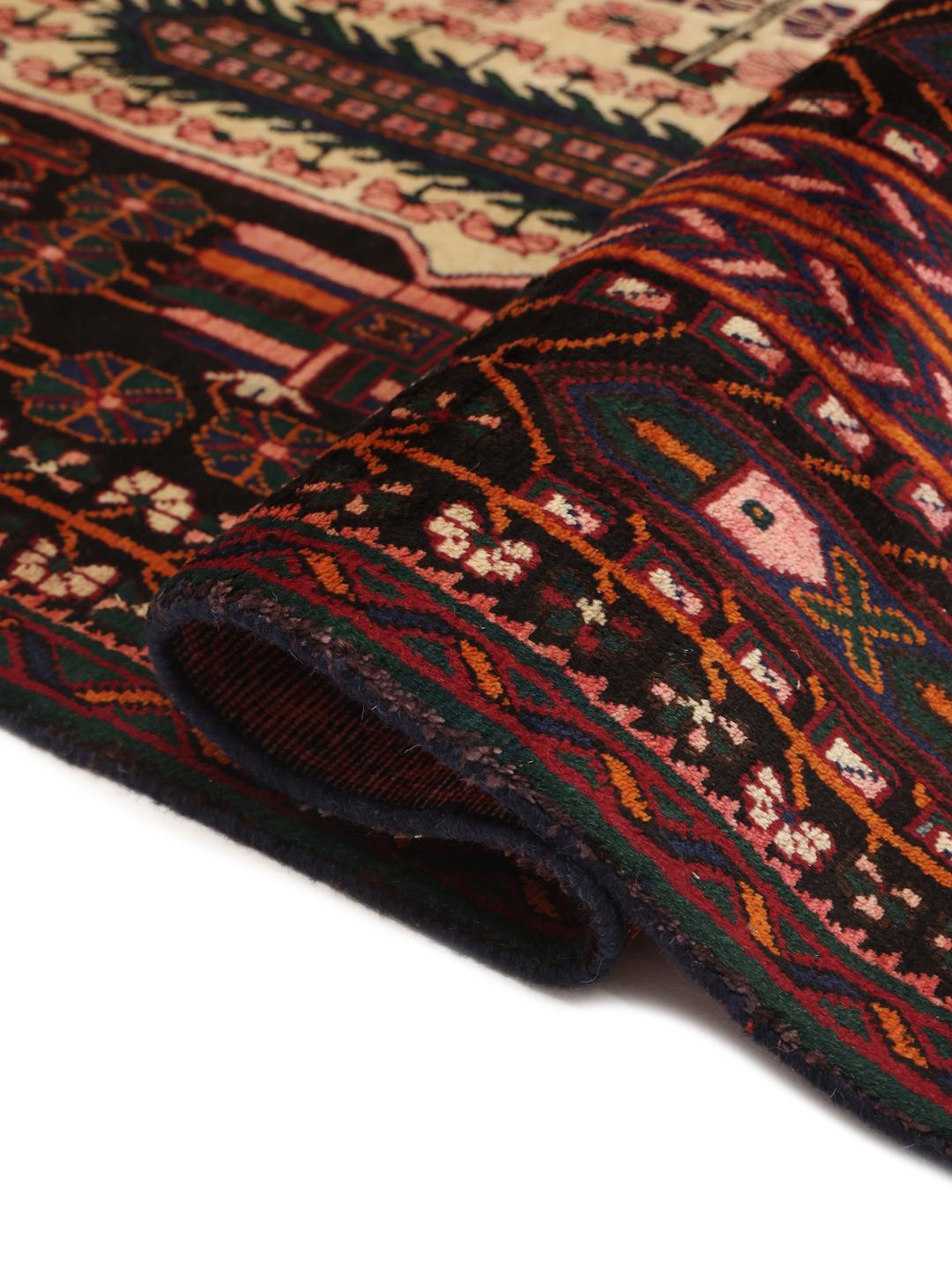
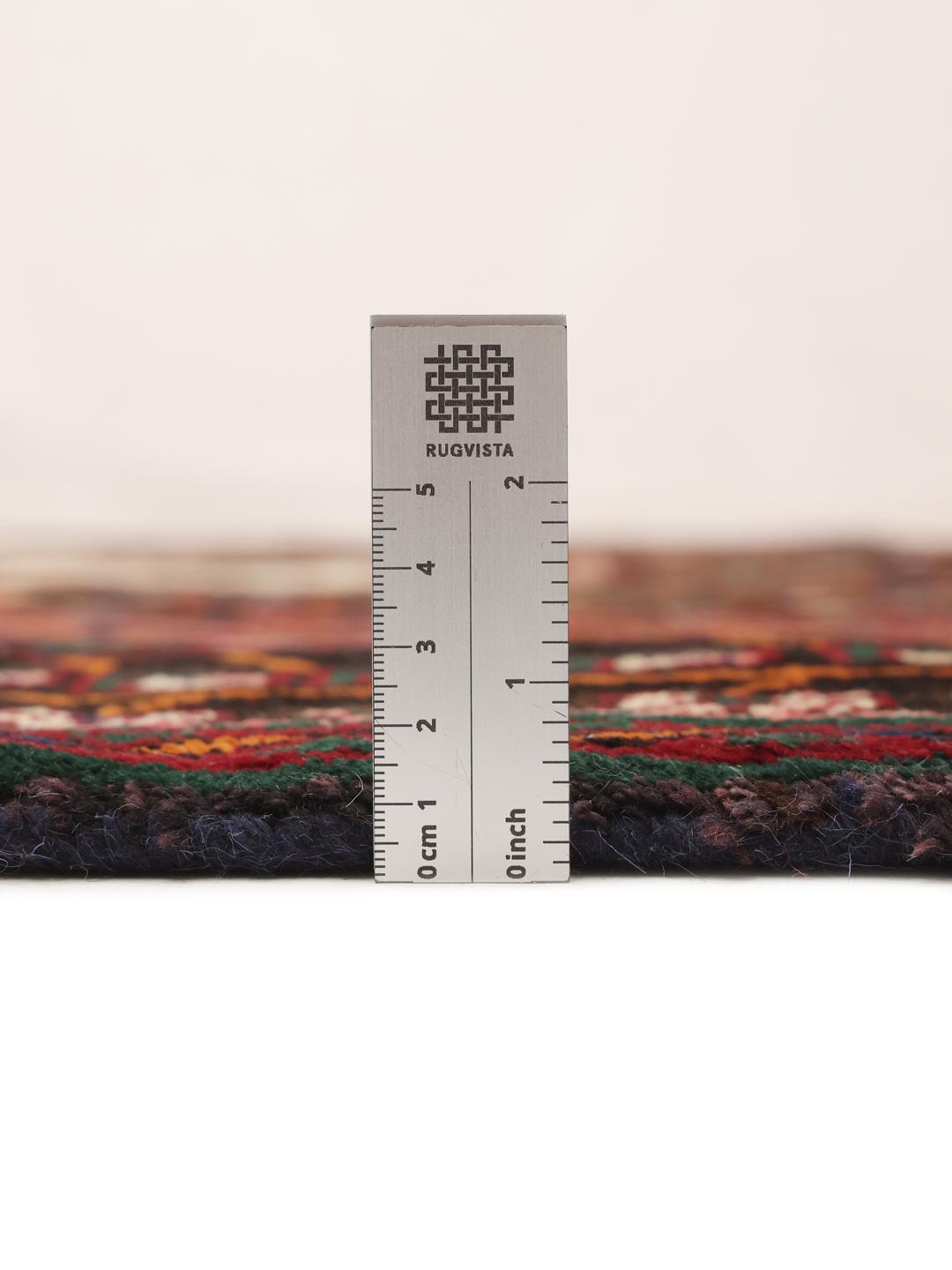
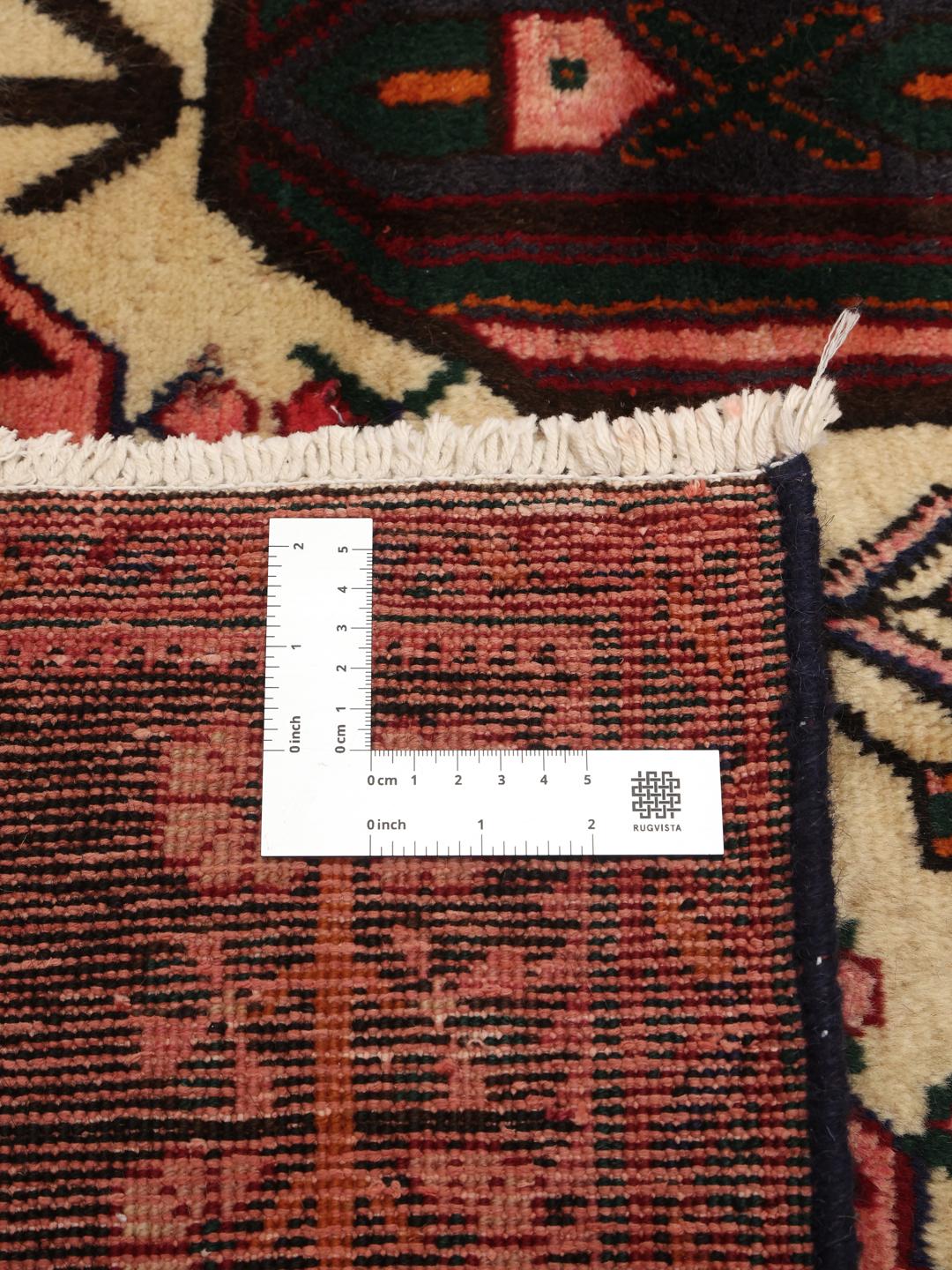
The term hand-knotted refers to the traditional method where individual strands of wool are tied by hand onto the warp and weft foundation. This is a time-honoured technique that requires immense patience and skill. Unlike mass-produced alternatives, this method allows for a high degree of control over the density and texture of the pile, resulting in a finished product that is significantly more durable and capable of lasting for generations.
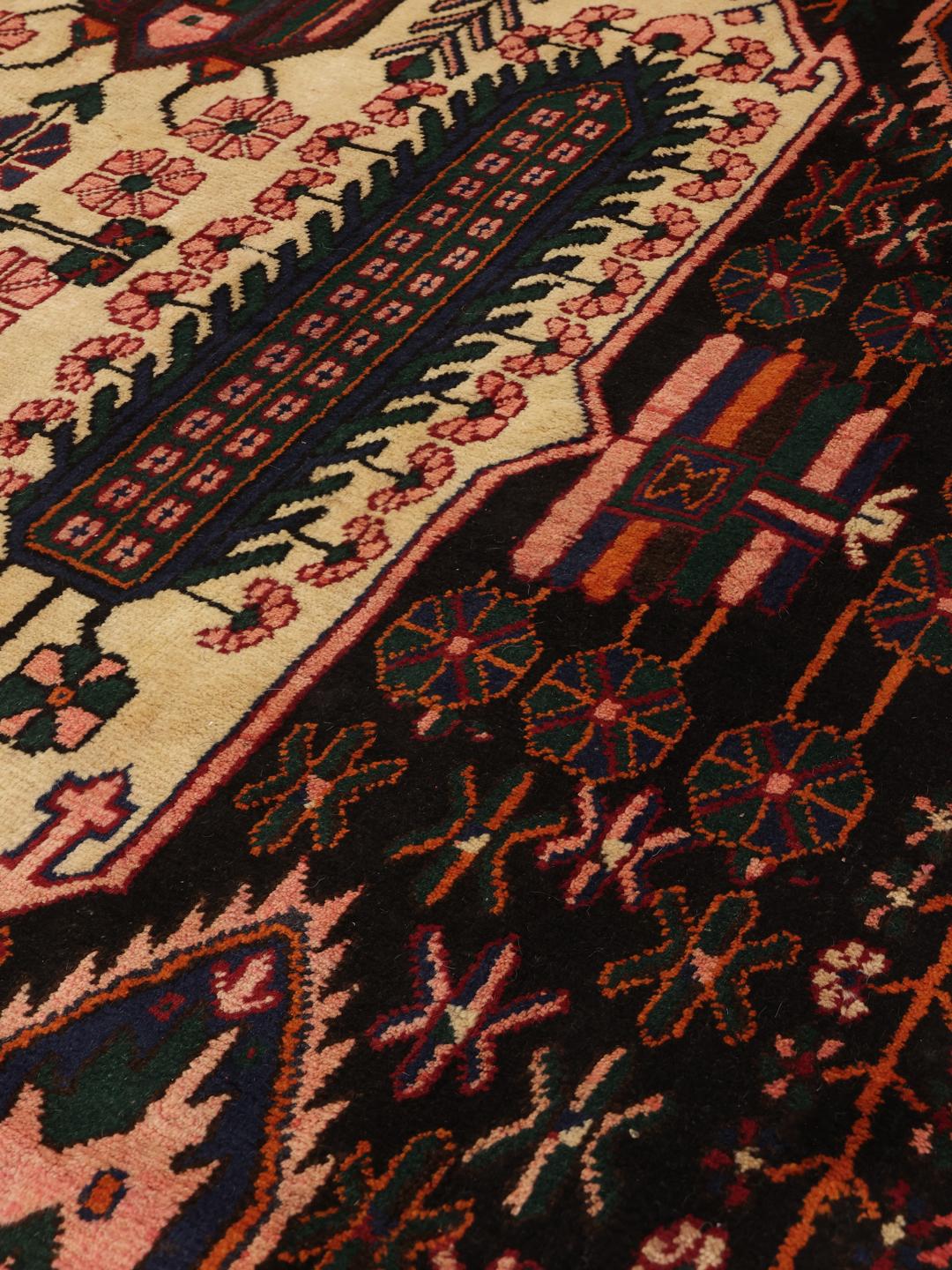
Signature design elements of these rugs often include stylised floral motifs, sharp geometric medallions, and highly decorative borders that frame the central field. The use of dark, saturated colours is a hallmark of the Shahre Babak tradition, often contrasted with lighter, vibrant tones to make the patterns pop. These motifs are not merely decorative, but are deeply rooted in the cultural history of the tribes, representing stories and symbols passed down through generations of weavers.
Owning an Afshar Shahre Babak rug is an opportunity to connect with a rich heritage of craft and storytelling. These pieces are highly valued by collectors for their authenticity and the sheer skill required to produce them. By bringing one into your home, you are preserving a piece of cultural history and honouring the legacy of the artisans whose hands created such a lasting and meaningful work of art.