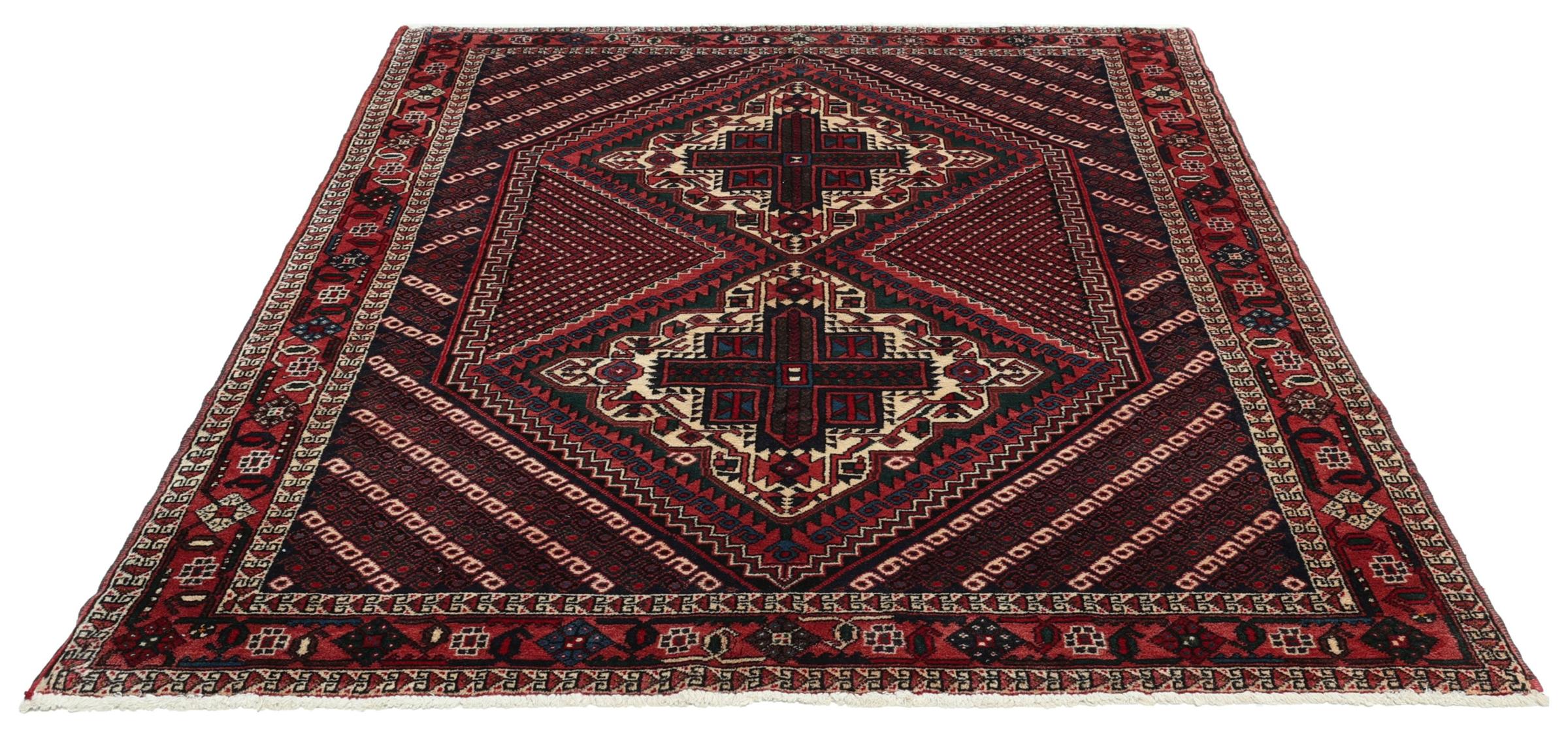
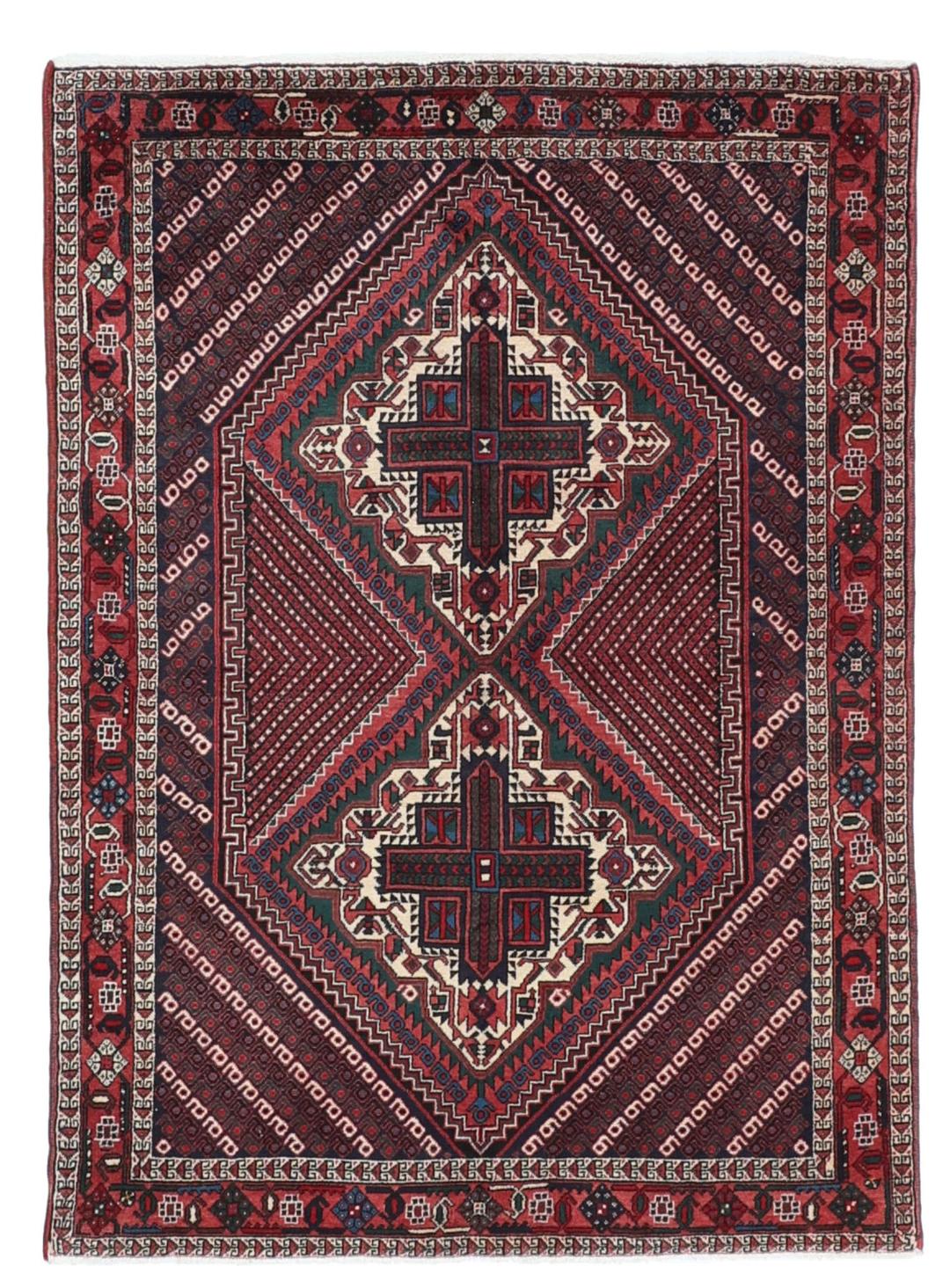
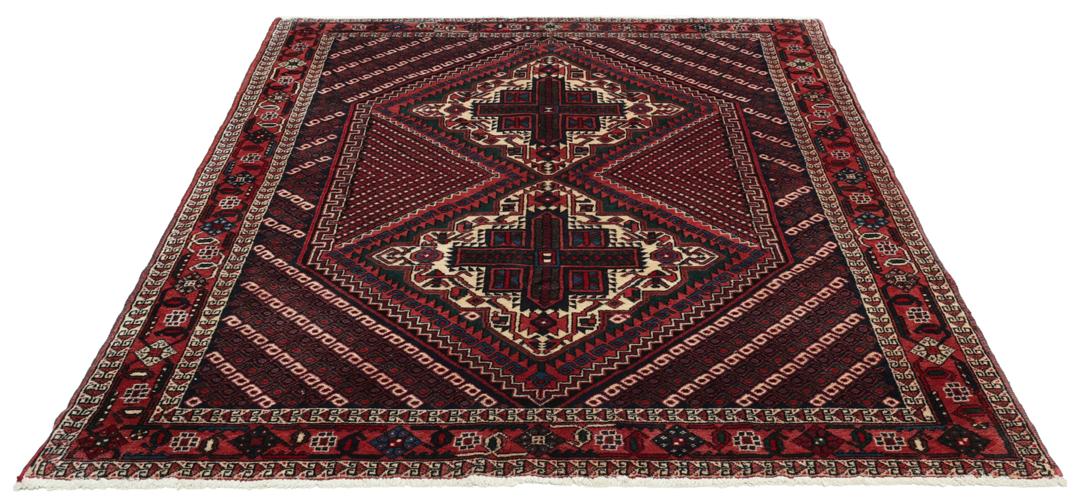
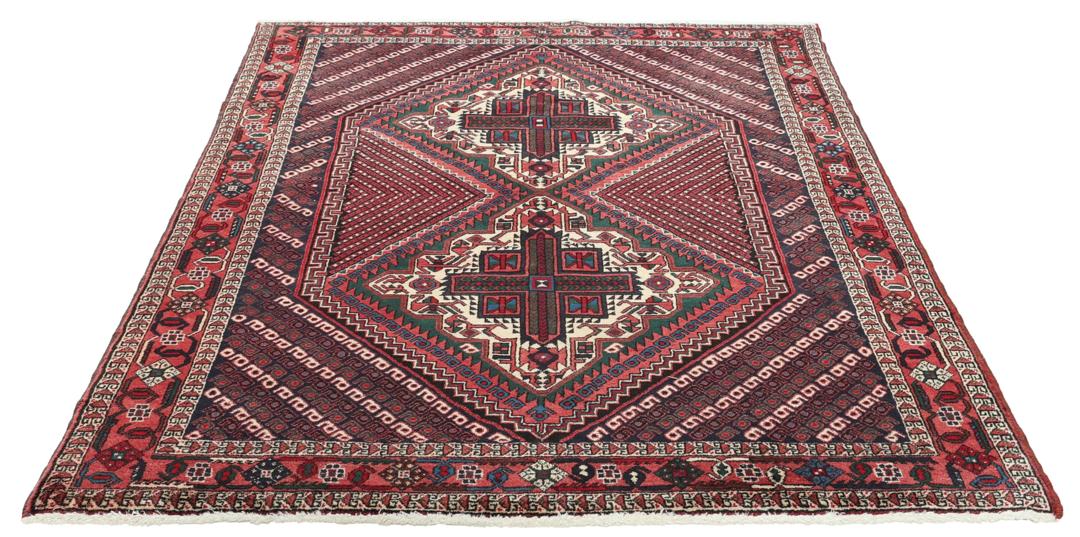
The Afshar Shahre Babak rugs originate from the nomadic and semi-nomadic Afshar tribes of the Middle East. Historically, these tribes were known for their resilience and deep connection to the land, traits that are woven into the very fabric of their textile traditions. Over centuries, their weaving style has evolved, blending ancient tribal motifs with the sophisticated design influences of the regions they traversed.
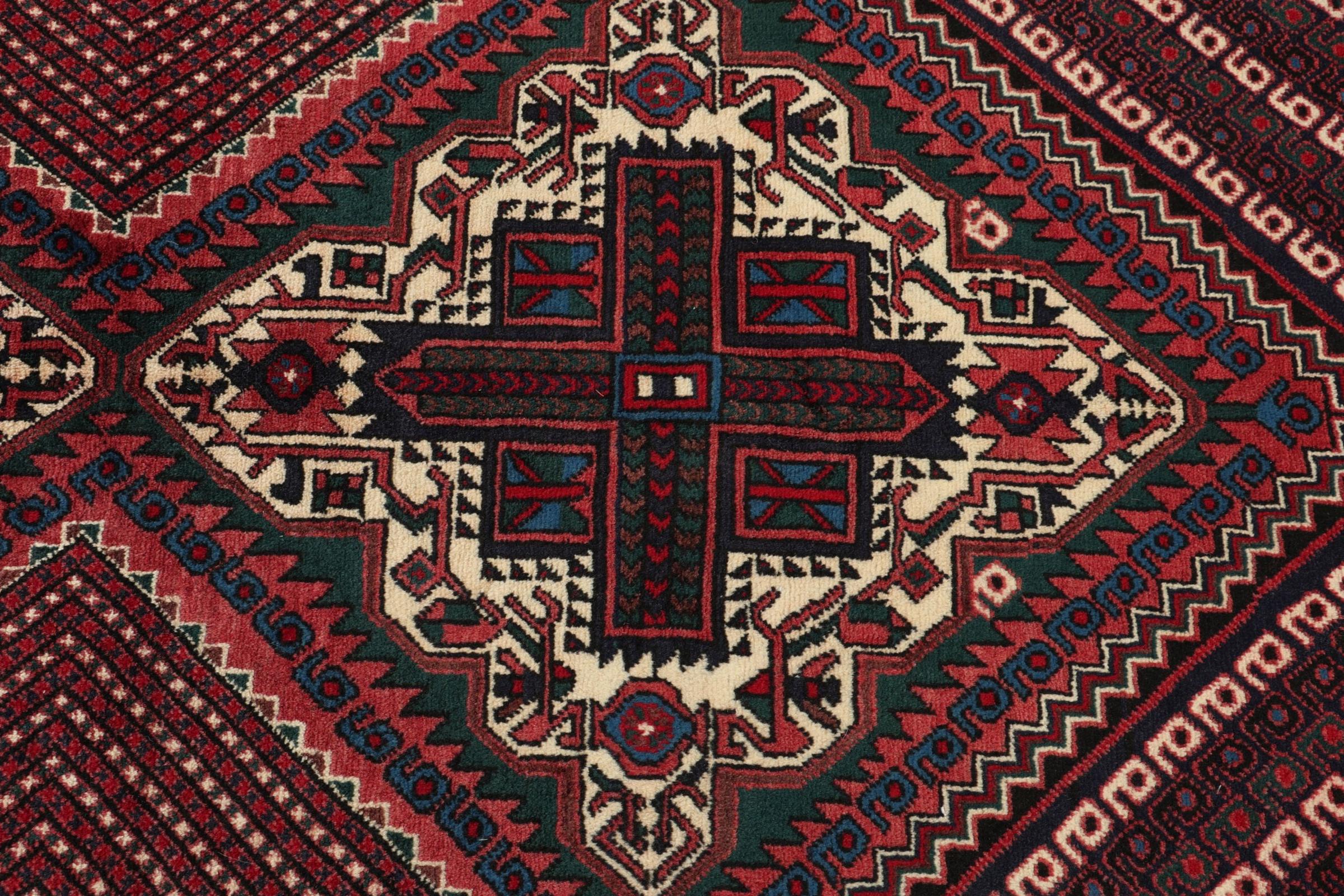
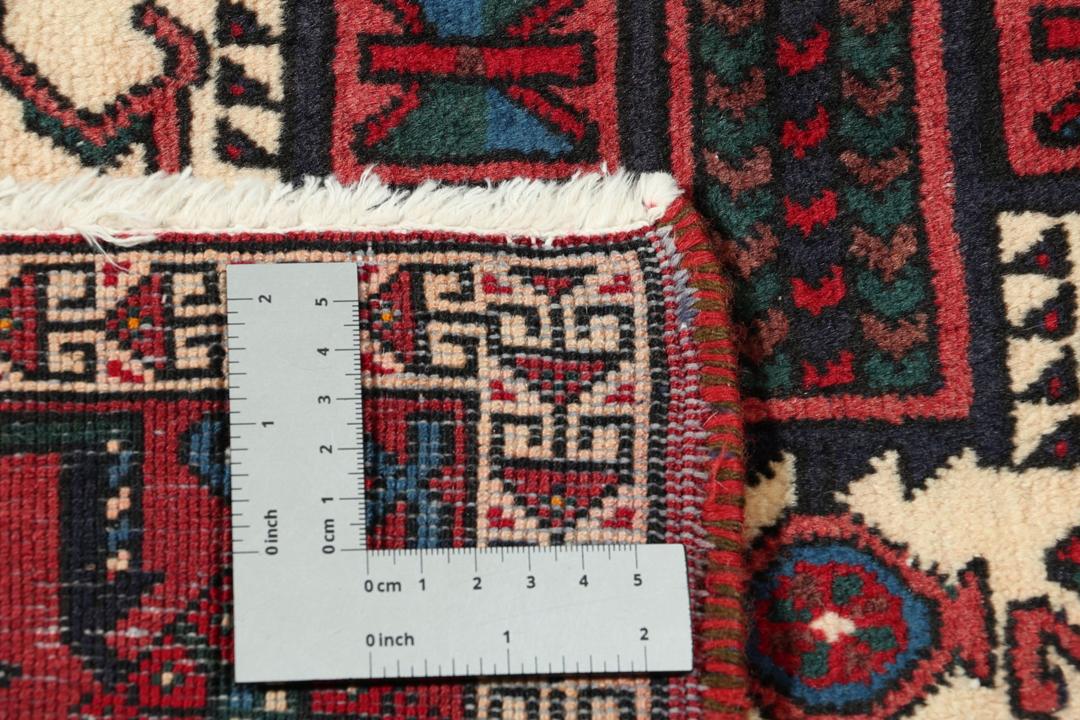
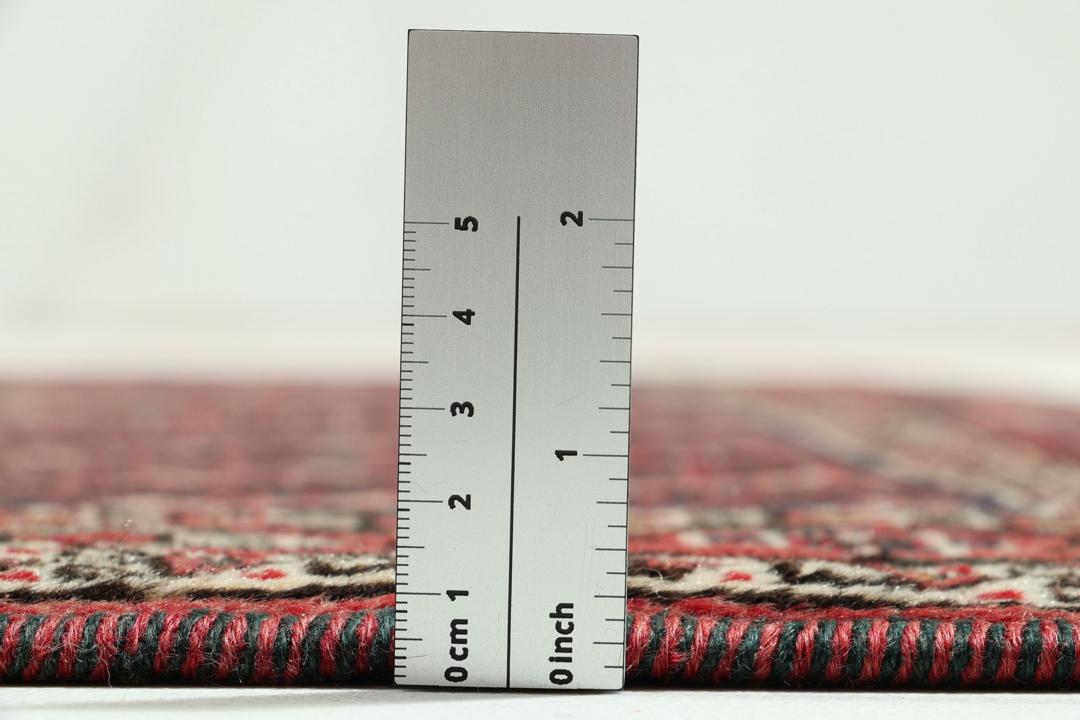
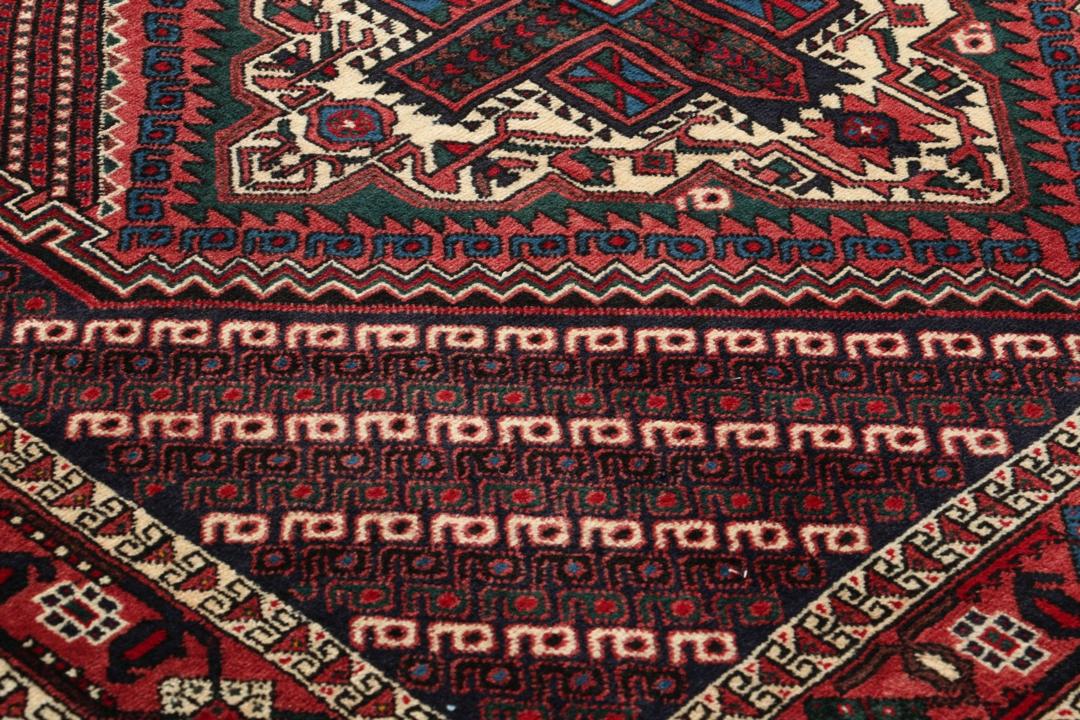
The technical quality of these rugs is defined by their construction, which often utilises a durable Wool pile on a cotton foundation. This combination is chosen for its structural integrity and ability to hold fine detail, allowing the weavers to execute complex geometric shapes with precision. The resulting texture is both robust and pleasingly tactile, reflecting the practical needs of nomadic life alongside a desire for aesthetic beauty.
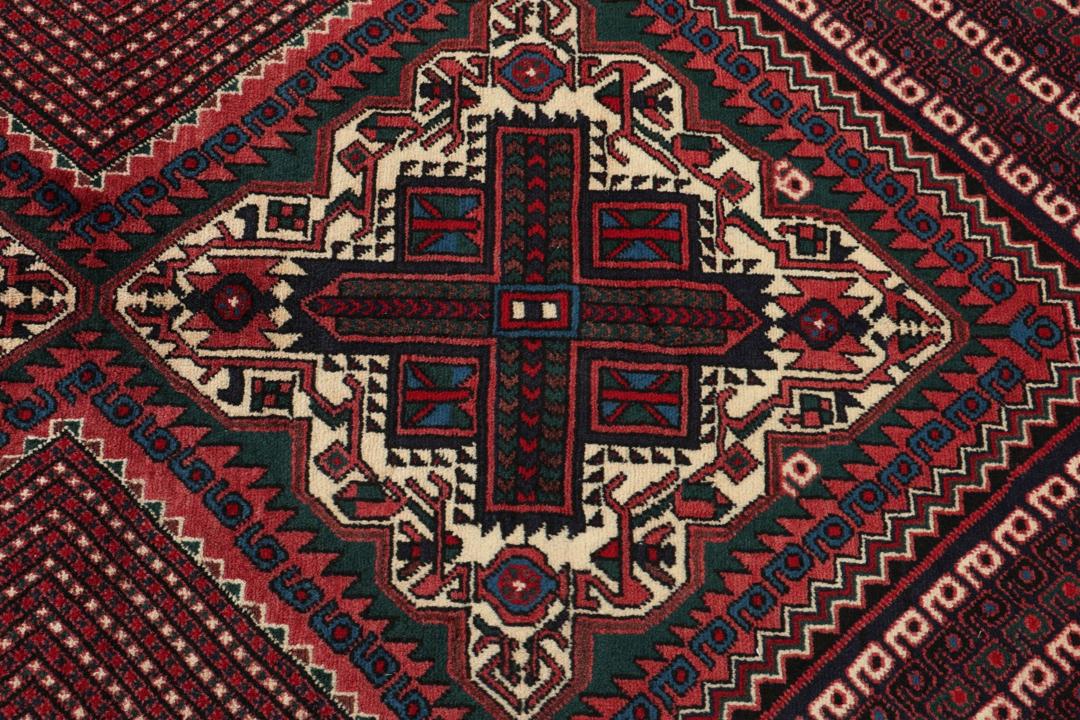
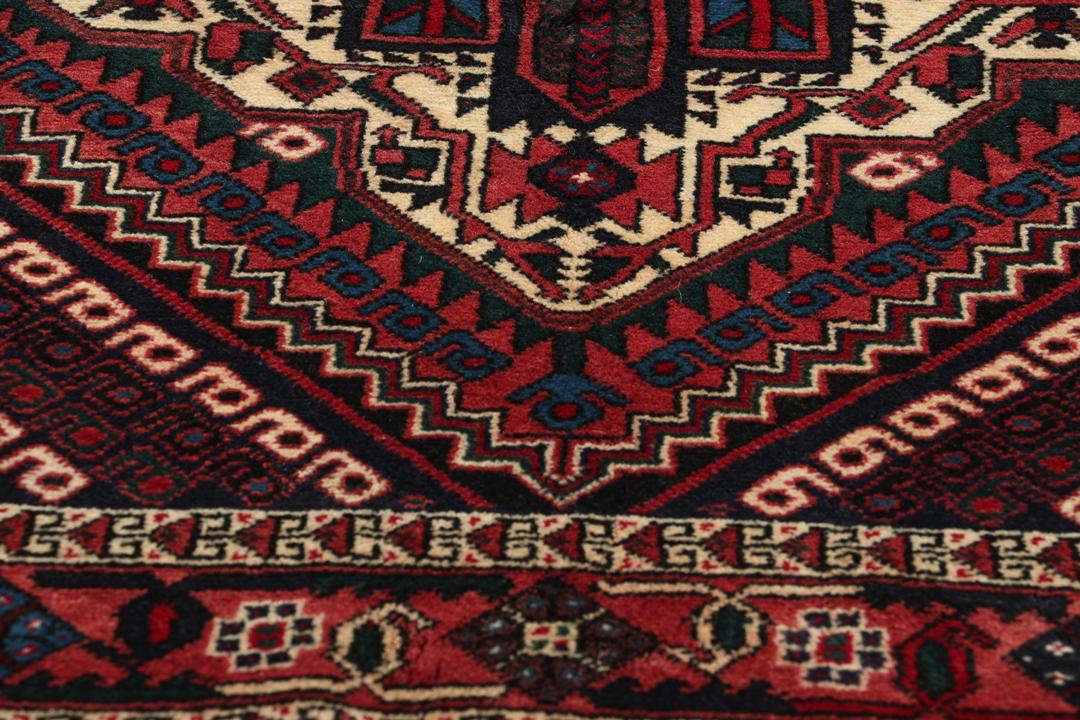
Visually, these rugs are celebrated for their bold, geometric language. Central to their design are often large, stylised medallions or repeating motifs that reflect the weaver's environment and cultural identity. The borders are typically intricate, framing the central field with repeating patterns that create a sense of harmony. The use of deep, earthy colours, often derived from natural dyes, gives these rugs their signature look and timeless appeal.
Collectors value Afshar Shahre Babak rugs for their authenticity and the human story they tell. Owning one is more than just purchasing a floor covering; it is an act of preserving a specific regional heritage. The skill required to create such intricate patterns without the aid of modern technology represents a level of human achievement that is increasingly rare, making these rugs prized items for those who appreciate the intersection of art and history.