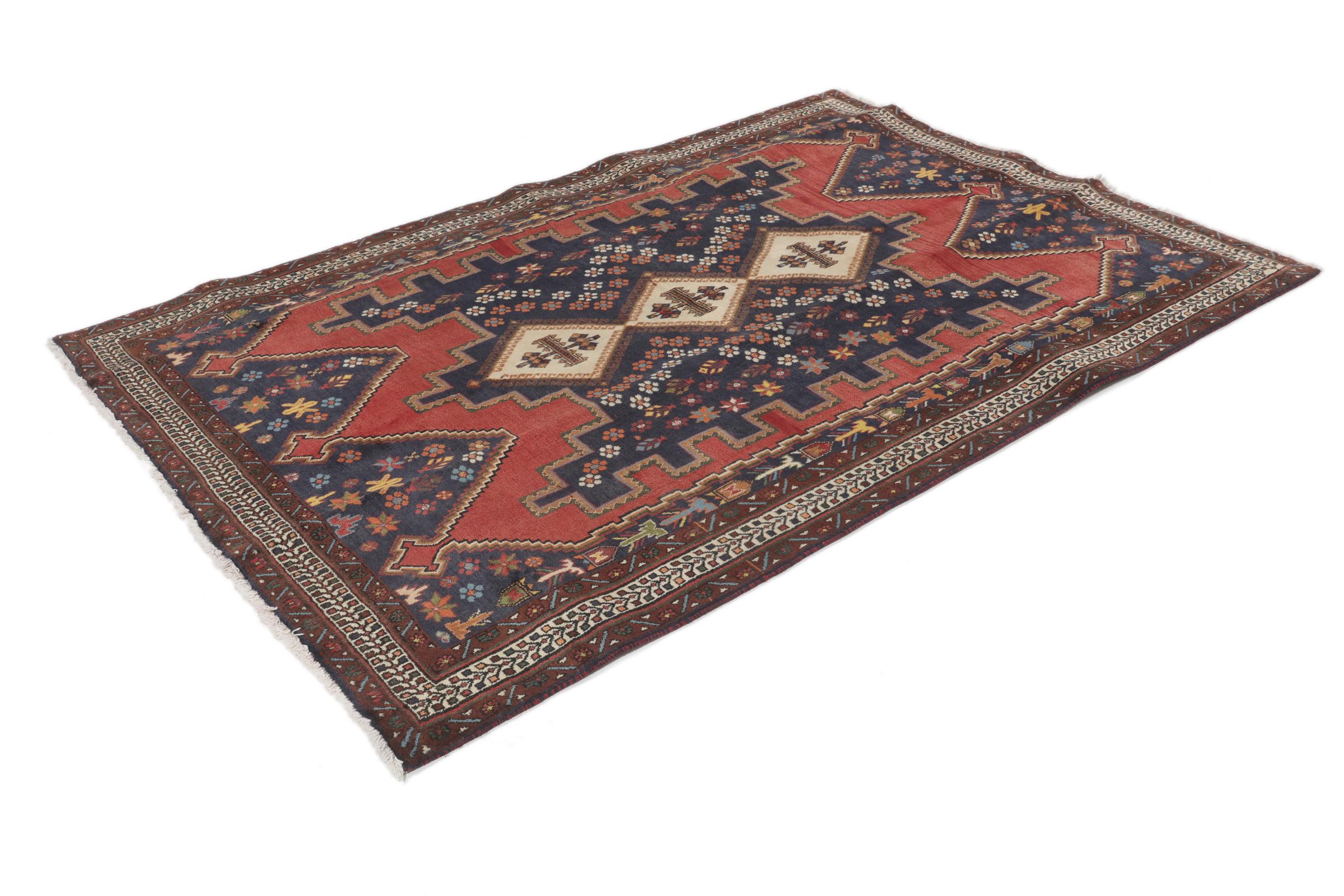
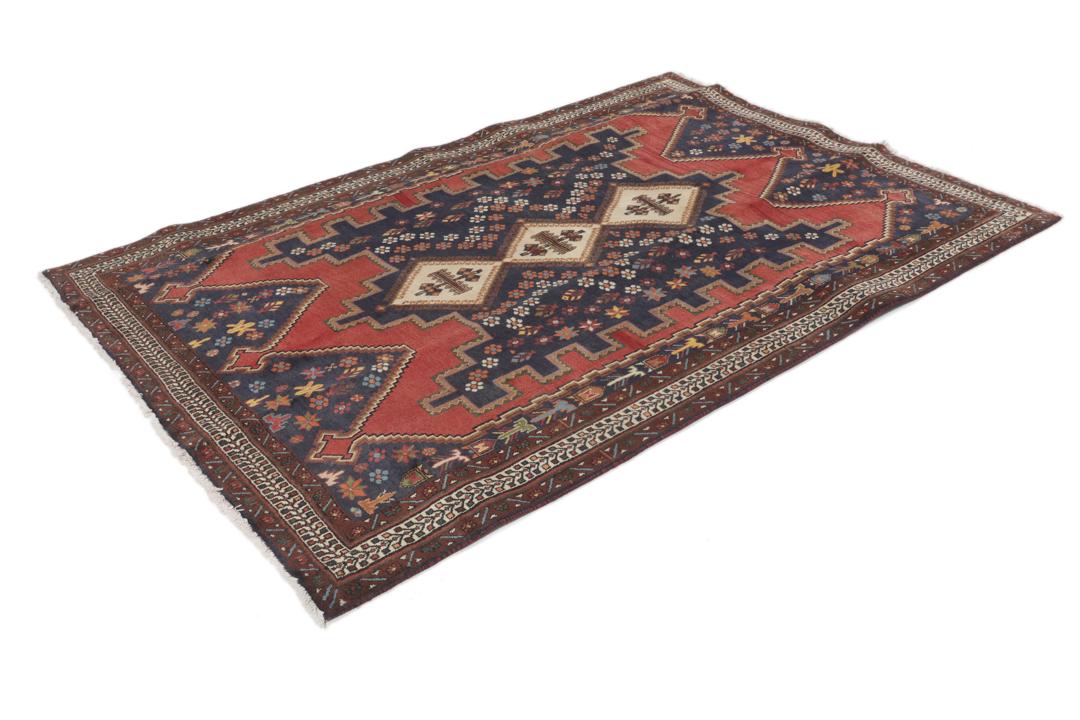
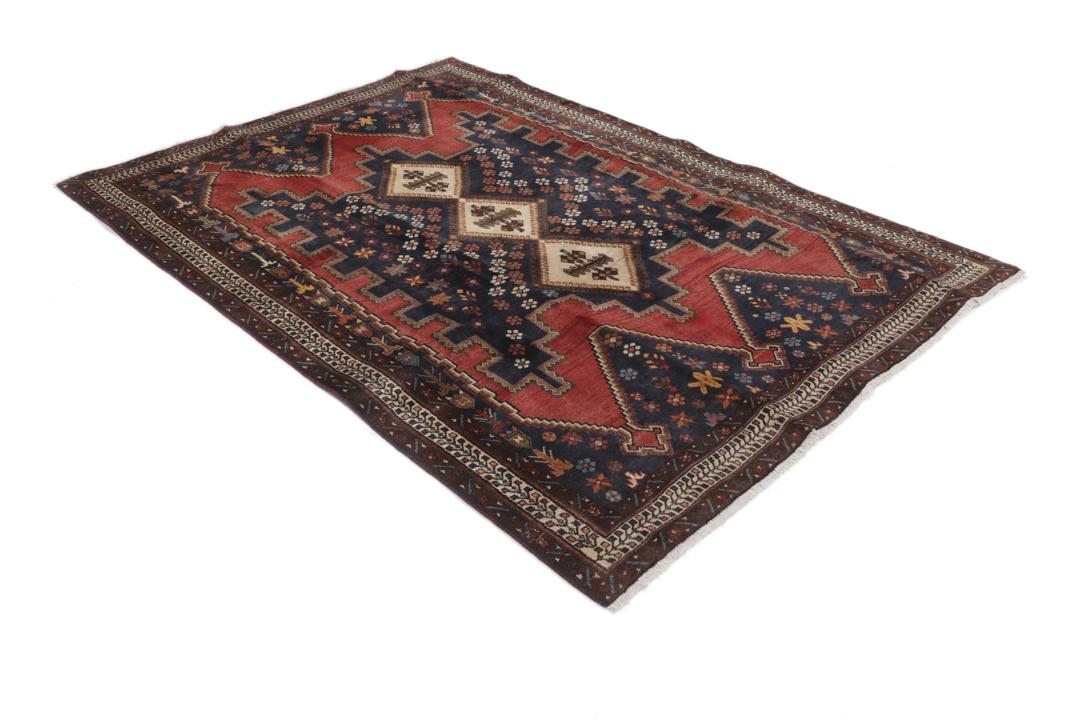
Afshar rugs originate from the nomadic and semi-nomadic Afshar tribes of the Middle East. Historically, these weavers were known for their resilience and their ability to translate the rugged, mountainous landscape they inhabited into the visual language of their textiles. Over generations, the Afshar tradition has become synonymous with a distinct blend of tribal spontaneity and rigorous structural discipline, resulting in pieces that are highly sought after by collectors worldwide.
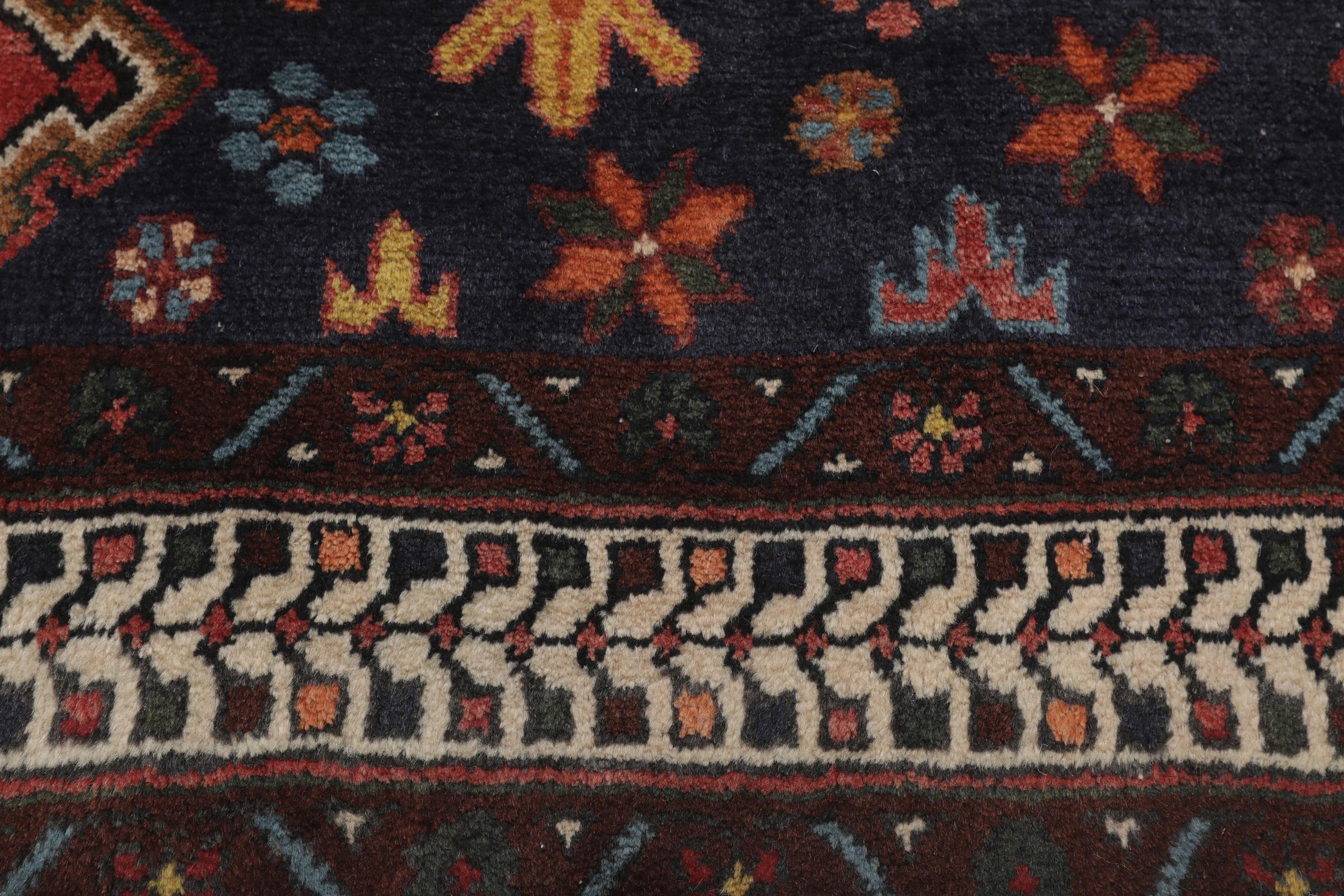
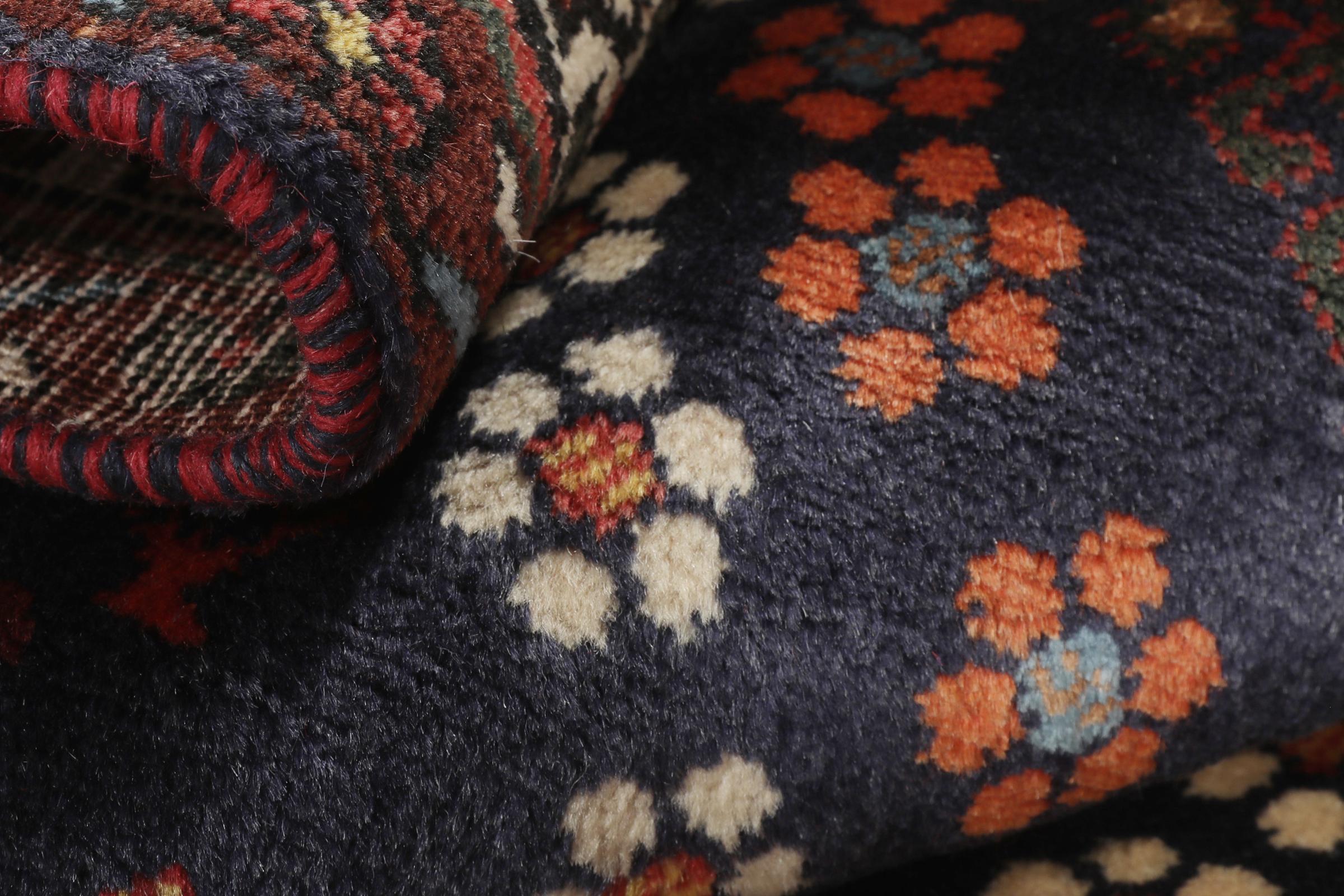
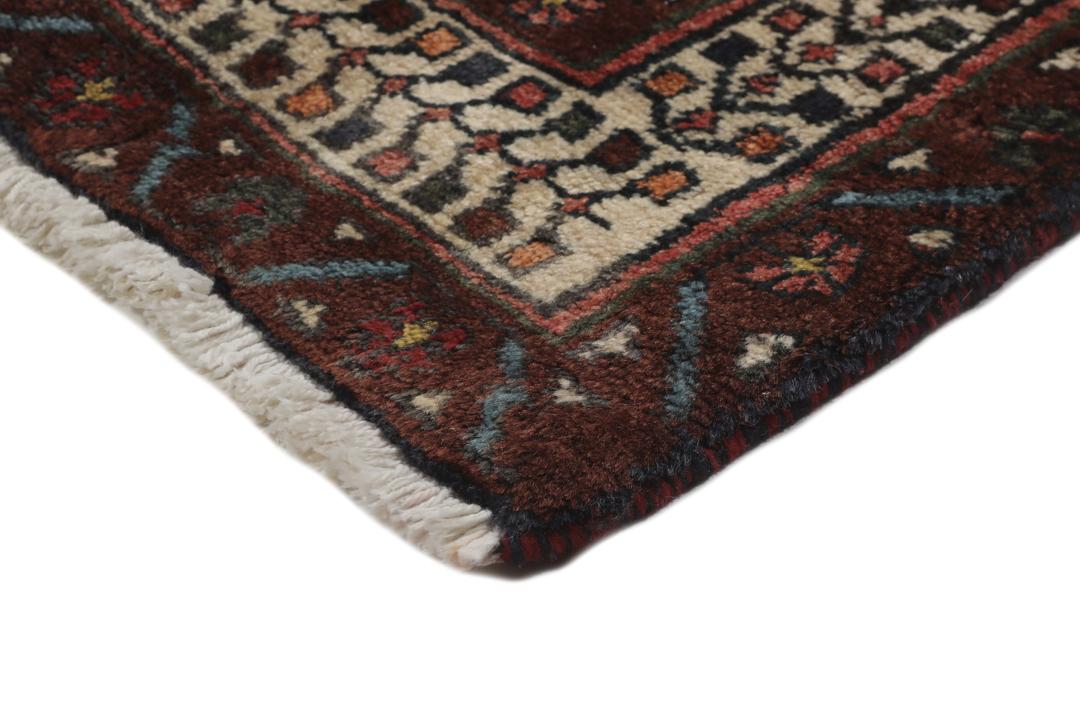
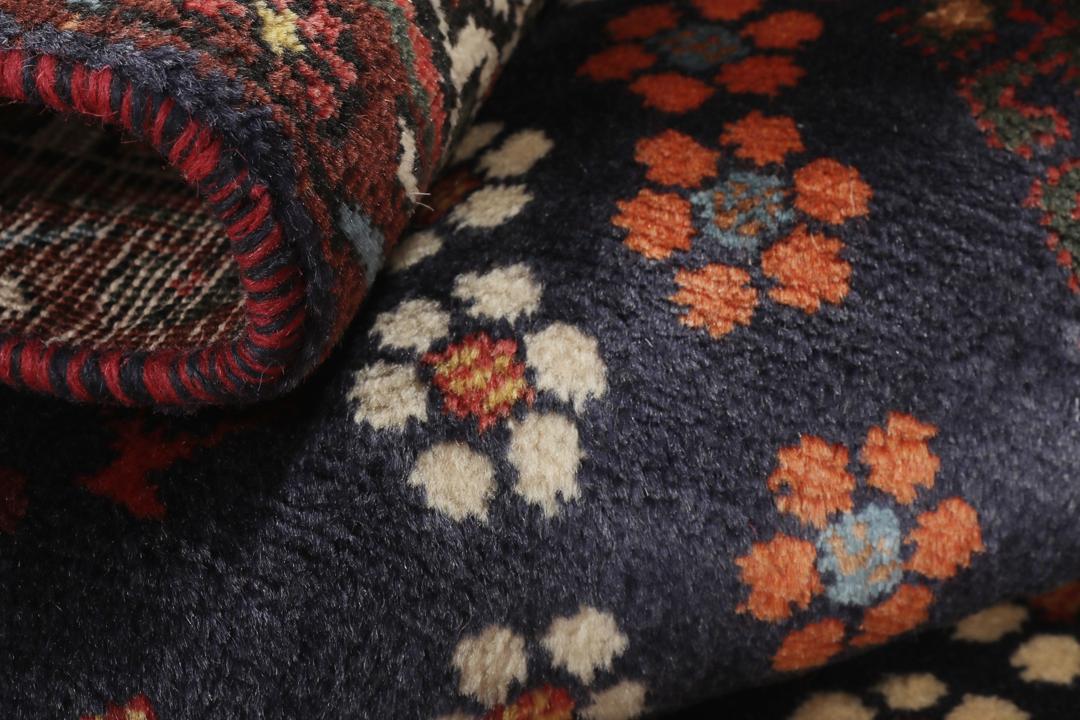
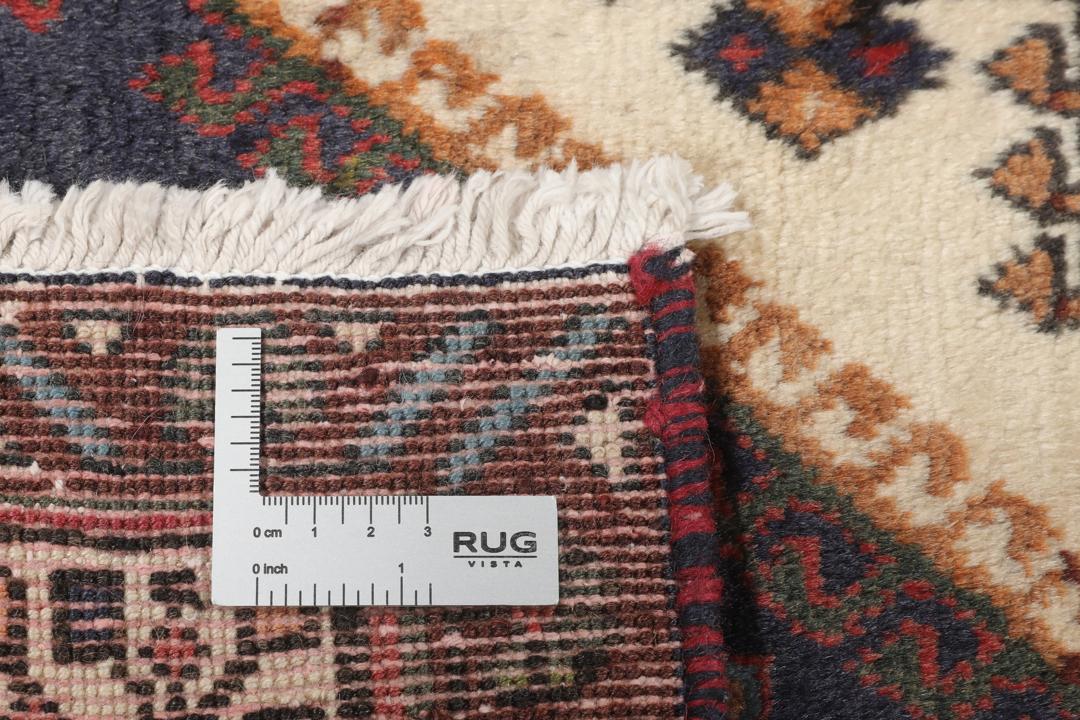
The craftsmanship behind these rugs is defined by their unique knotting style and the use of high-quality, durable wool. This material is chosen for its natural lanolin content, which gives the pile a subtle lustre and a soft, resilient touch that improves with age. The construction is designed to withstand the harsh conditions of nomadic life, meaning that even in a modern home, these rugs provide an exceptional level of durability and lasting quality.
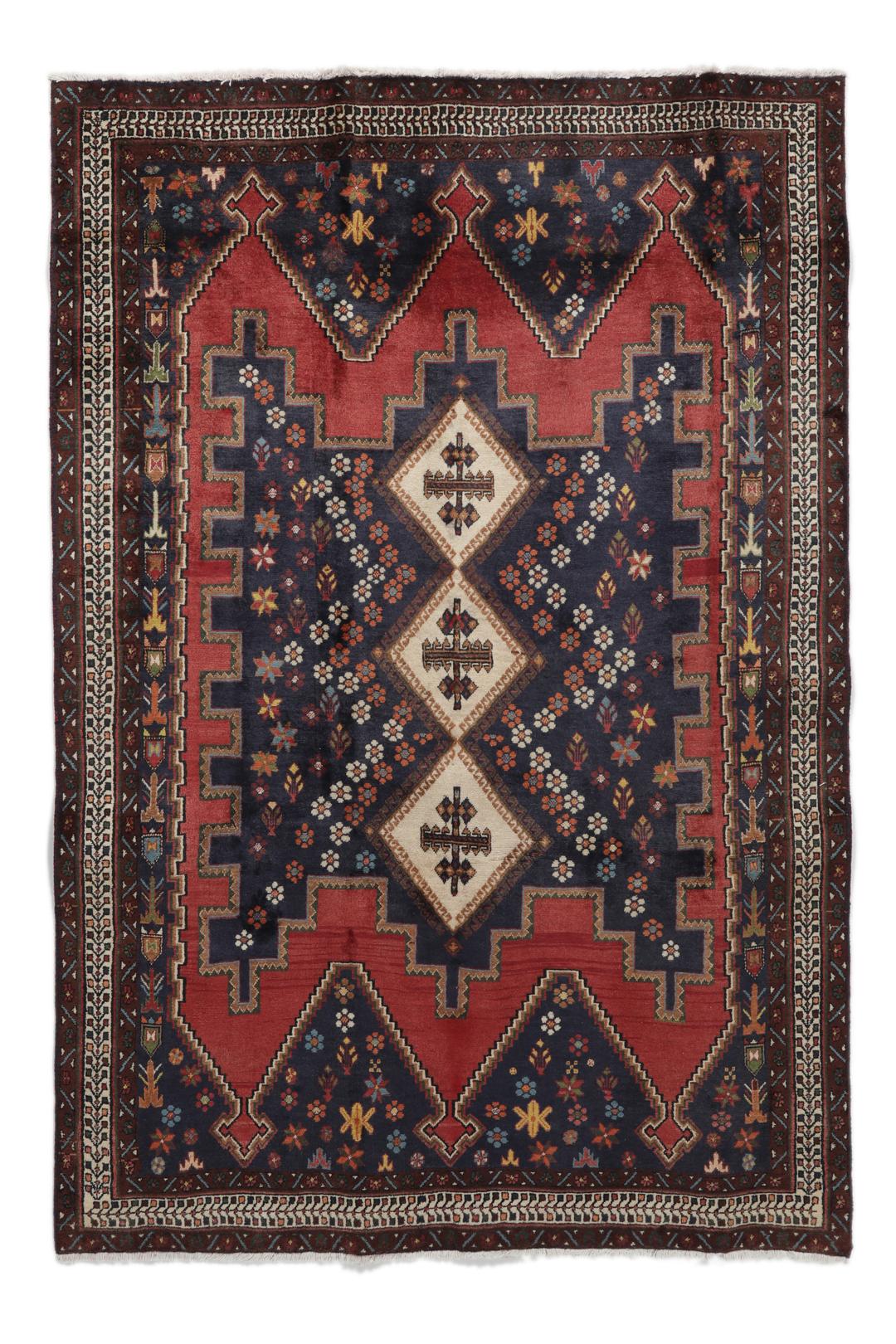
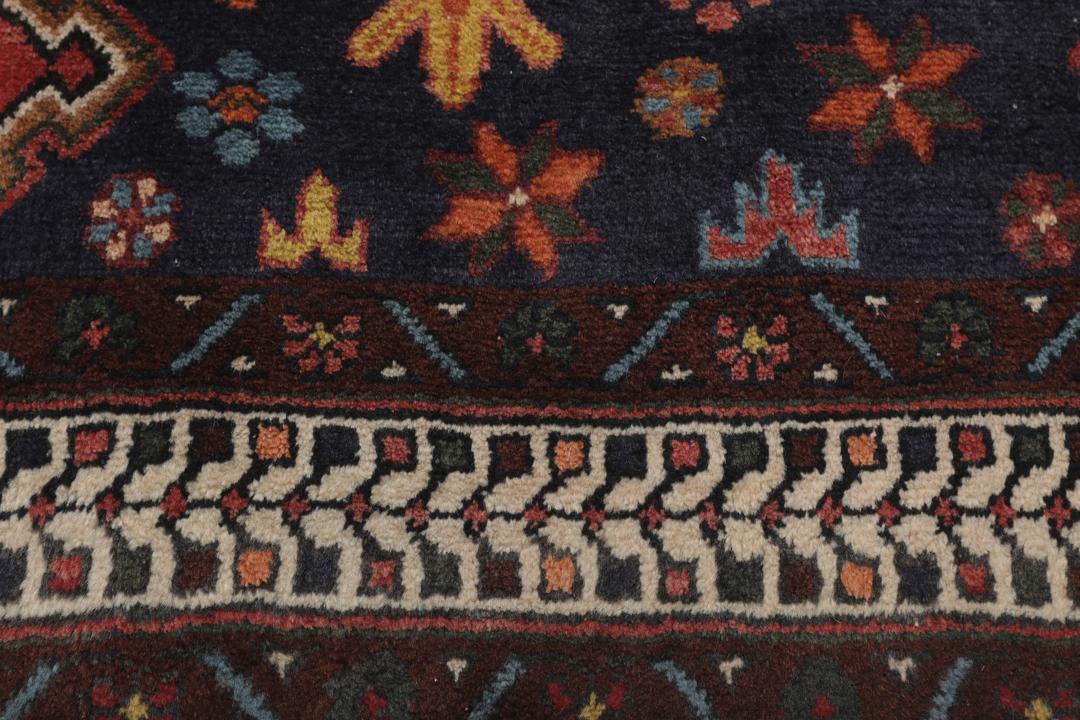
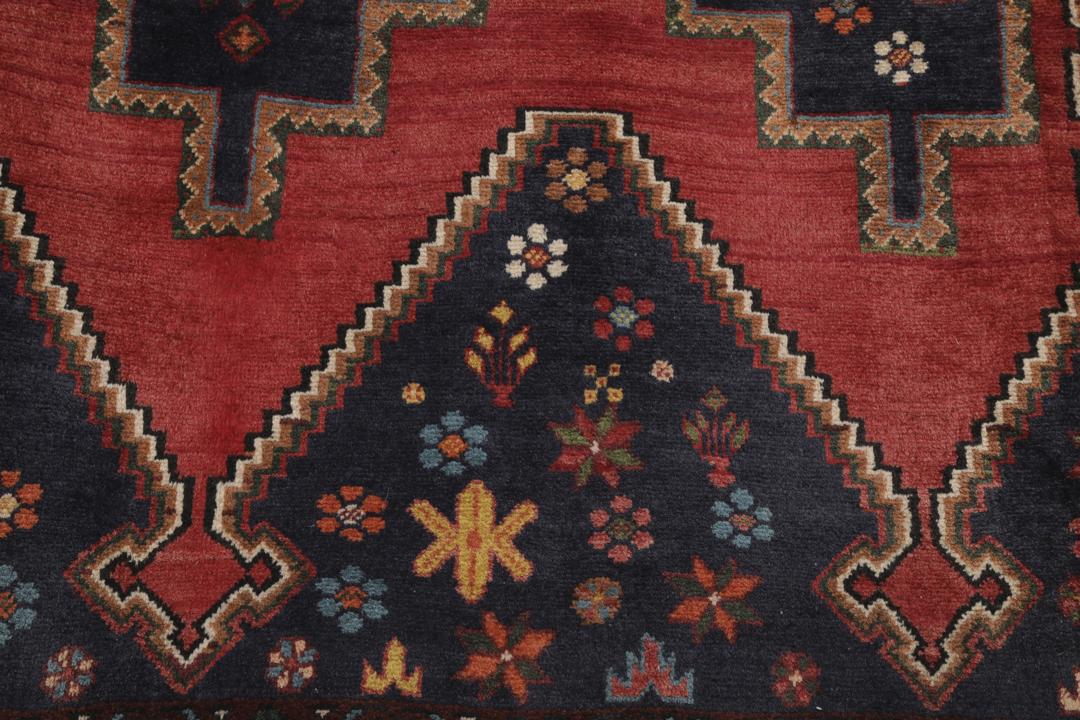
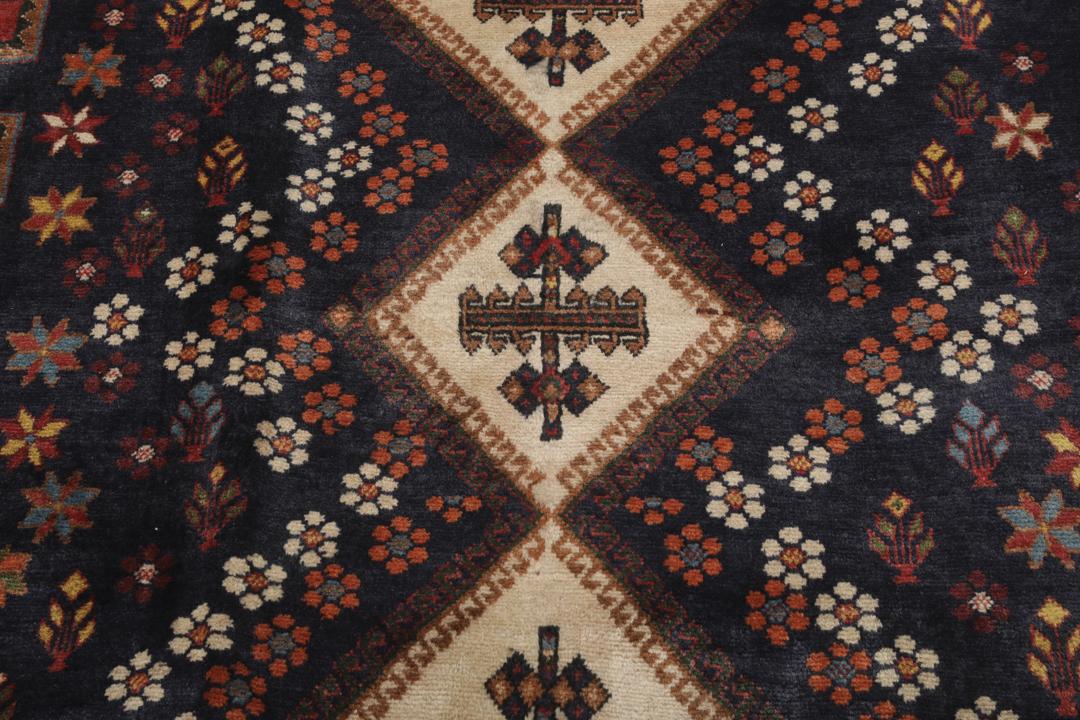
Signature design elements of the Afshar tradition often include dramatic, large-scale geometric medallions, frequently shaped like diamonds or stepped polygons. These are typically set against dark, saturated fields of red or blue, embellished with smaller, stylized floral motifs, birds, or tribal symbols. The borders are often complex, featuring repeating geometric patterns that frame the central narrative of the rug, reflecting a sophisticated understanding of symmetry and balance.
Collectors value Afshar rugs not only for their striking aesthetic but also for the cultural heritage they represent. Owning such a piece is an investment in a living tradition, where each knot tells a story of the artisan's skill and the cultural identity of the tribe. They are considered pieces of functional art that carry the history of their makers into the modern home, offering a sense of connection to a time-honoured craft that prioritises human touch over mechanical efficiency.