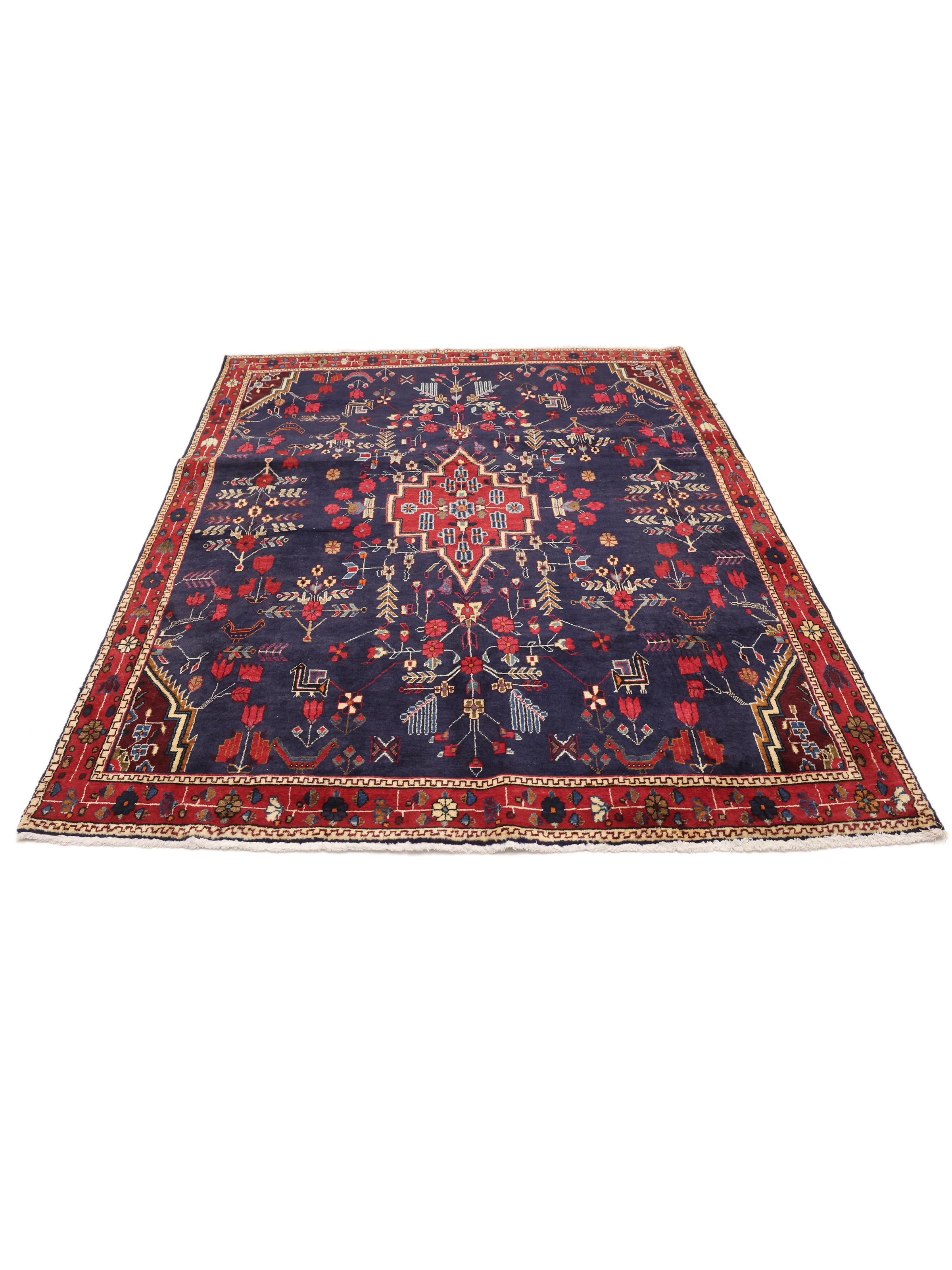
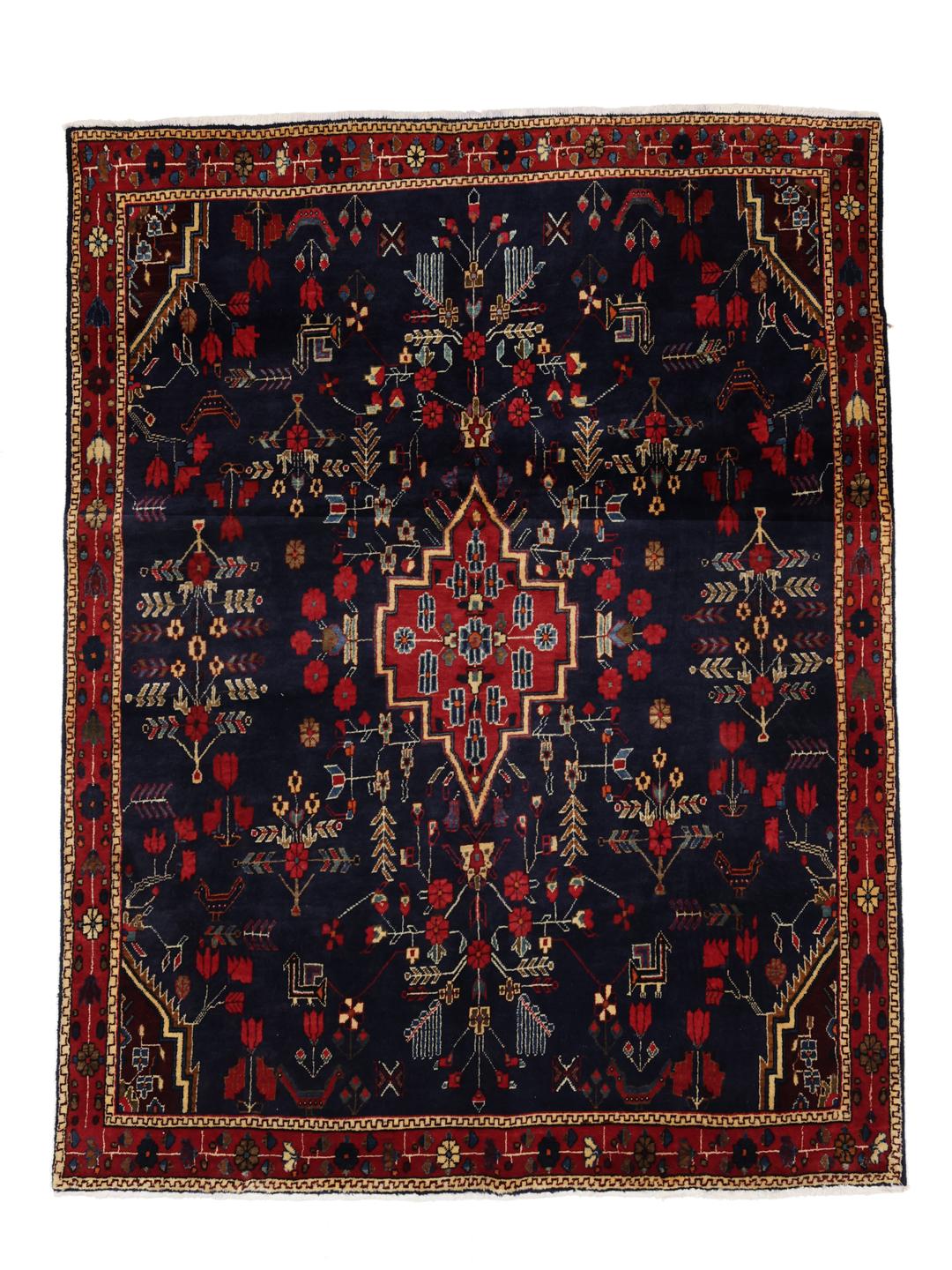
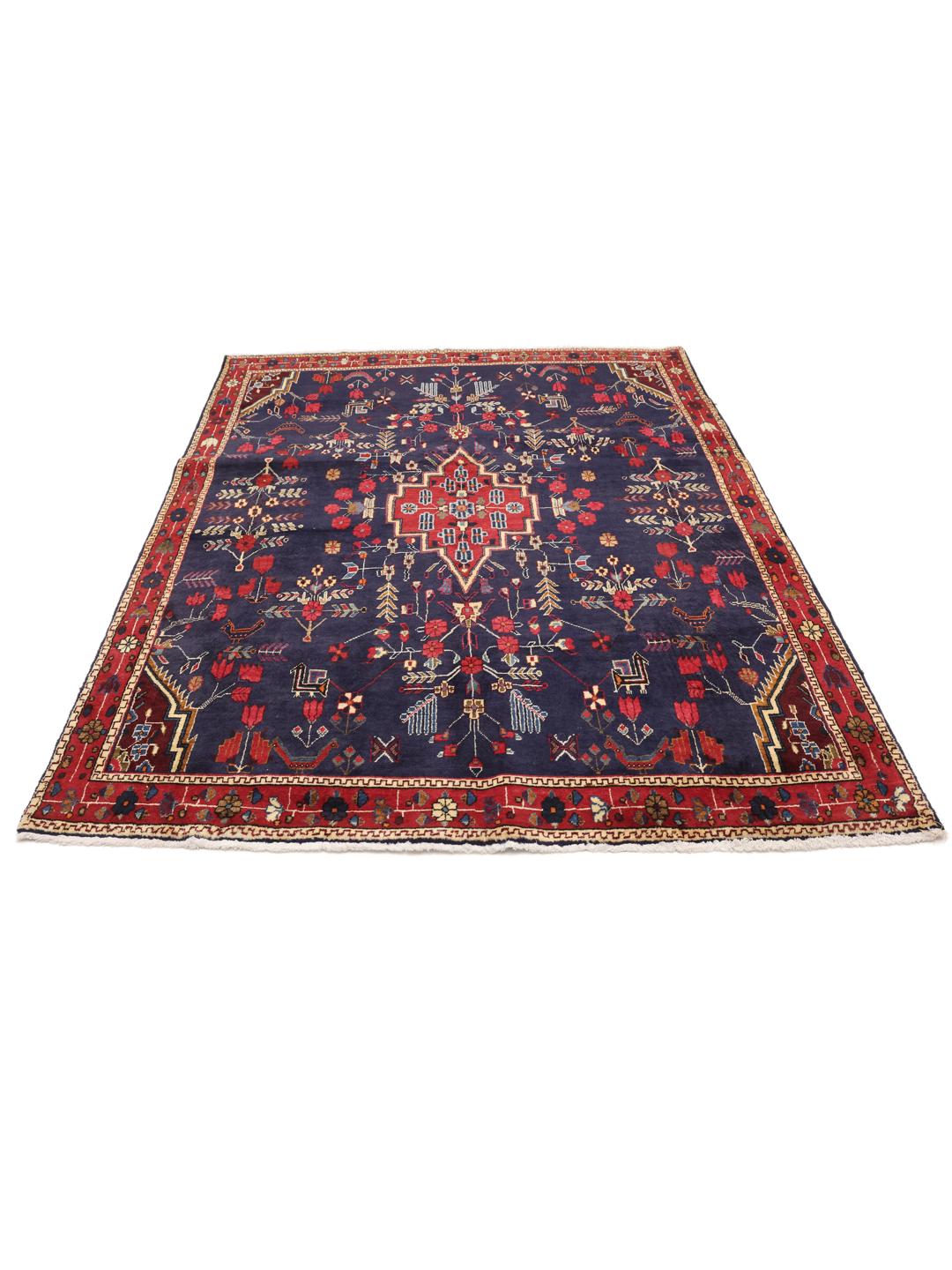
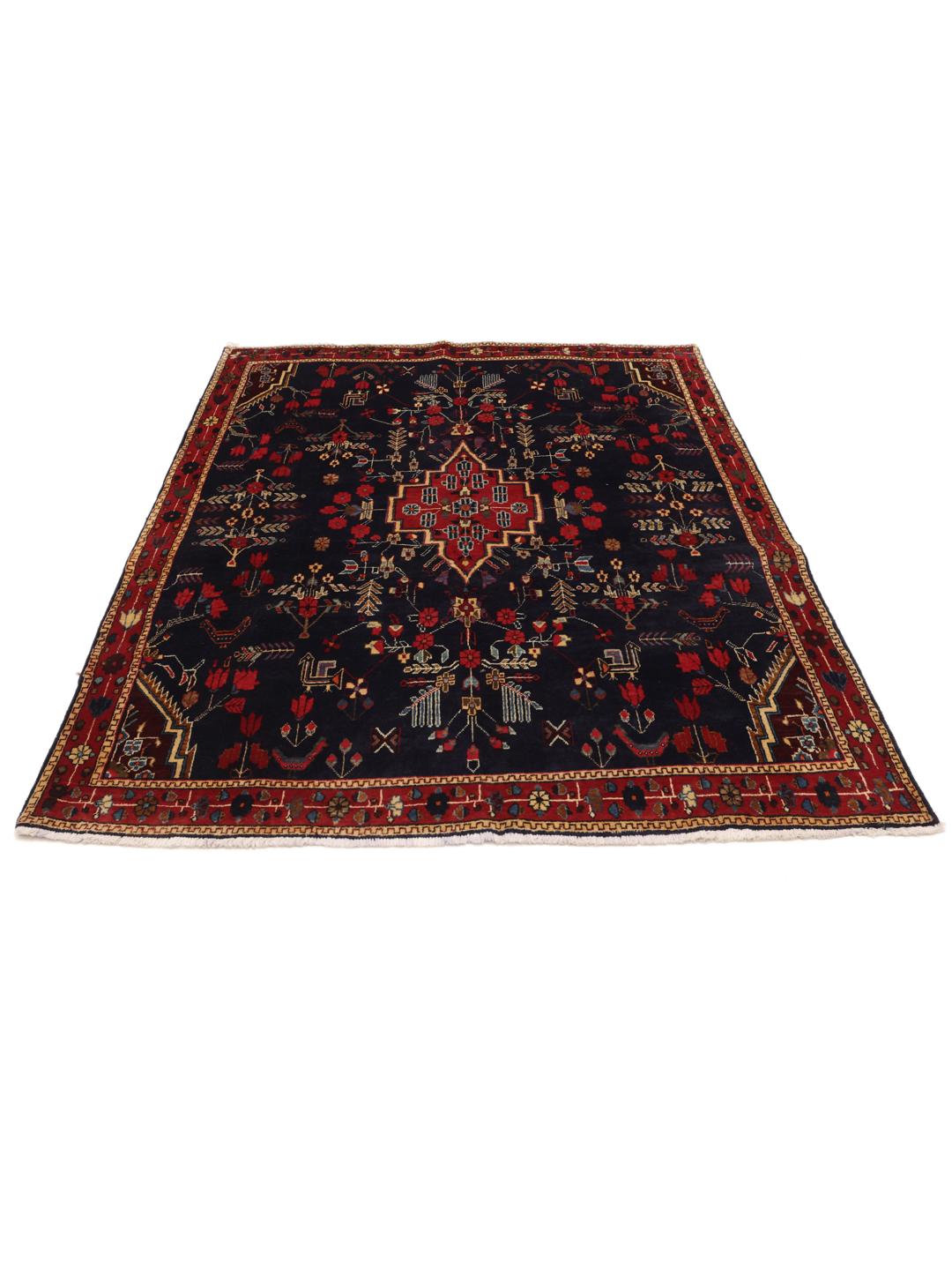
Afshar rugs originate from the nomadic and semi-nomadic Afshar tribes of the Middle East, whose weaving traditions have been shaped by centuries of migration and cultural exchange. These tribes have long been recognised for their distinct approach to design, which often blends geometric precision with fluid, organic floral motifs. The history of these rugs is deeply intertwined with the landscape and the resilient spirit of the people who created them.
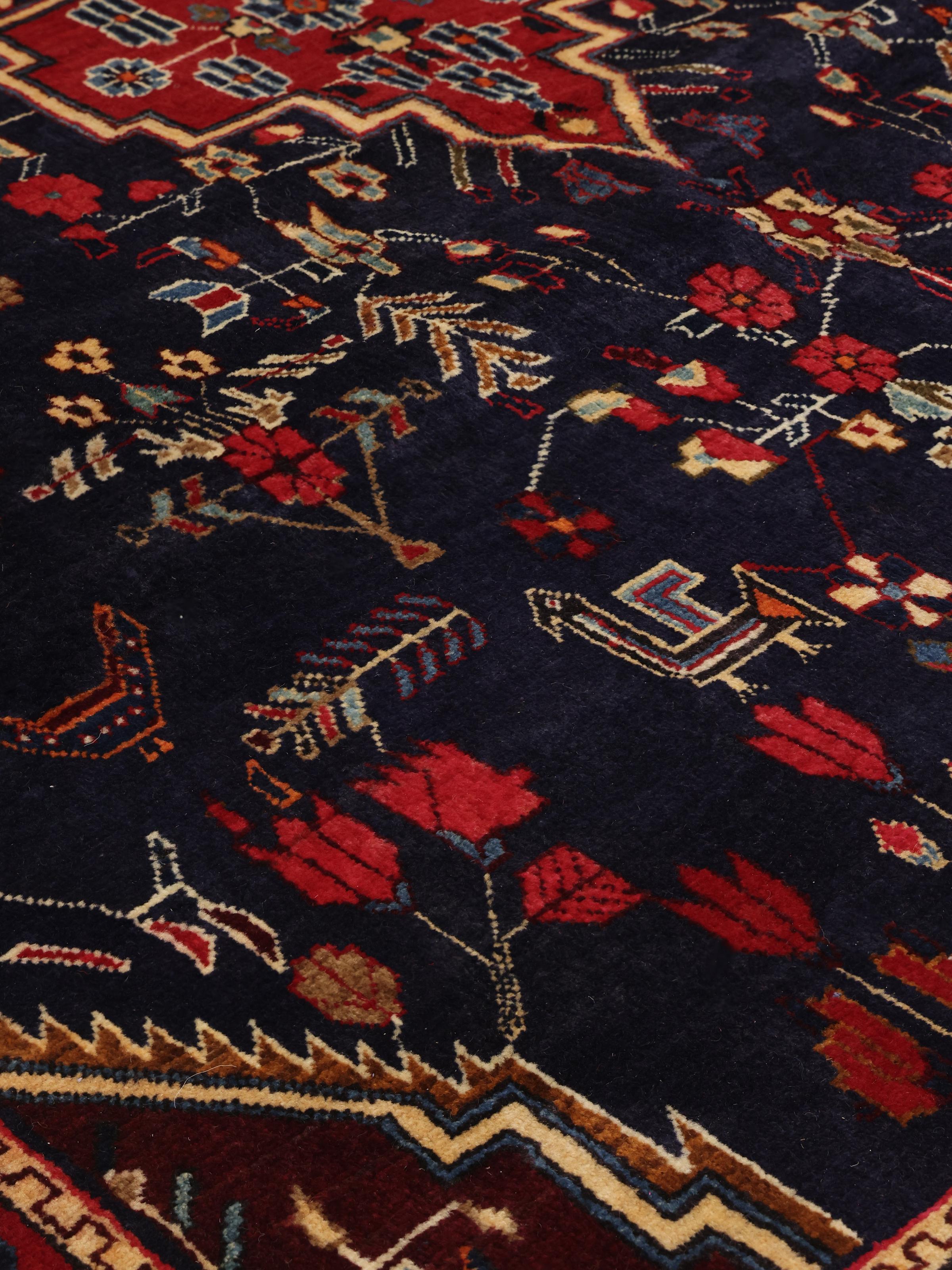
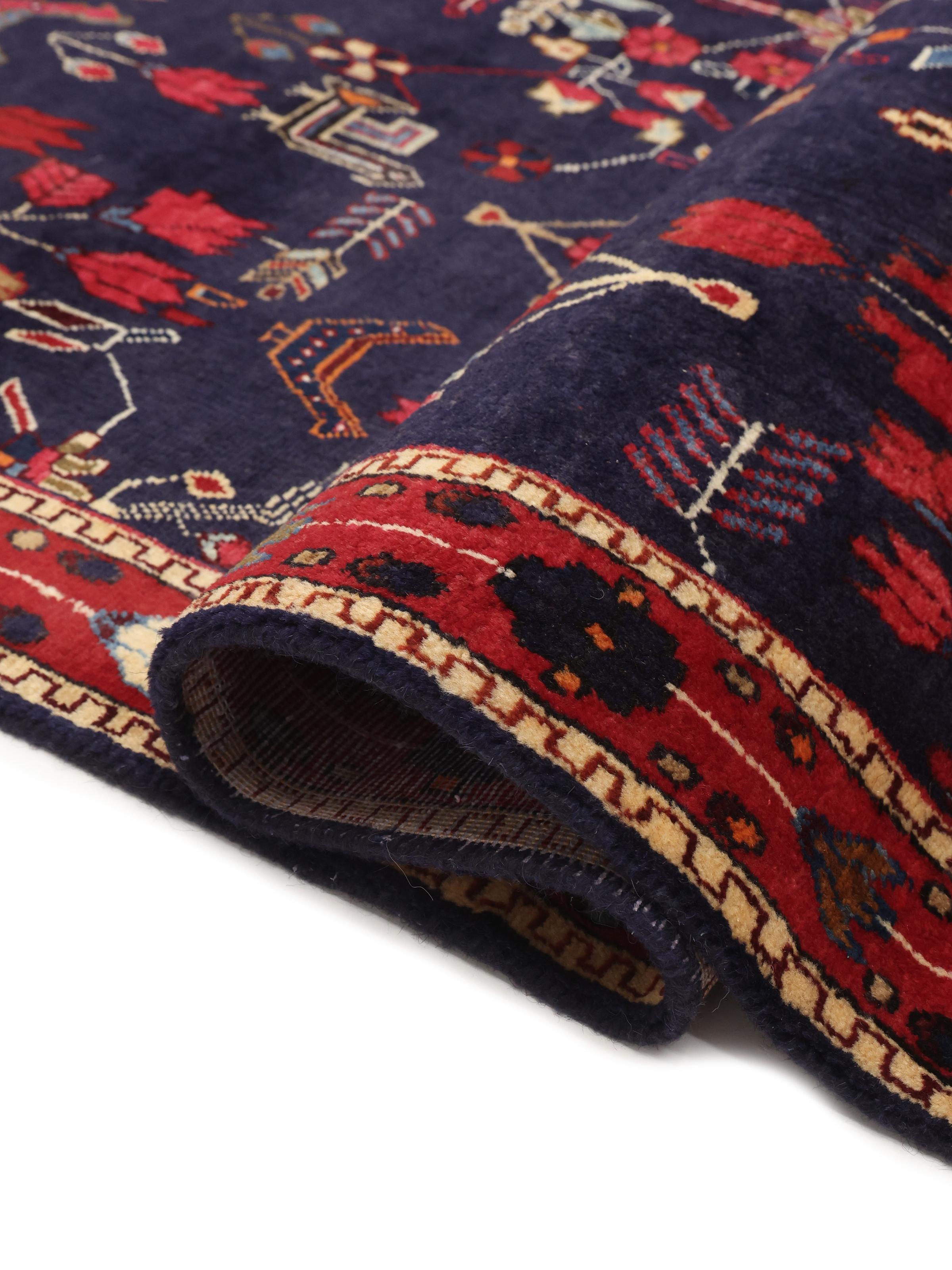
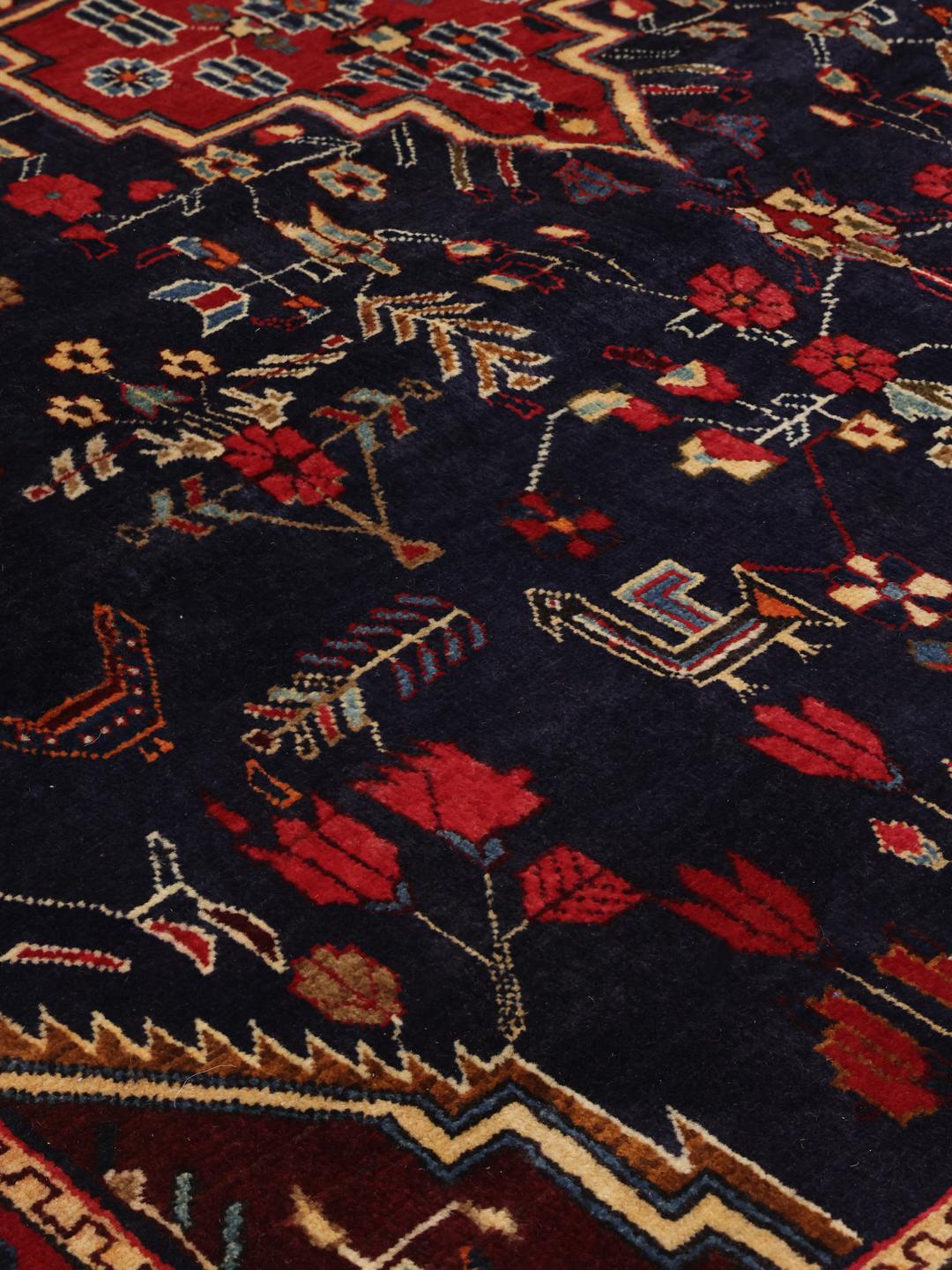
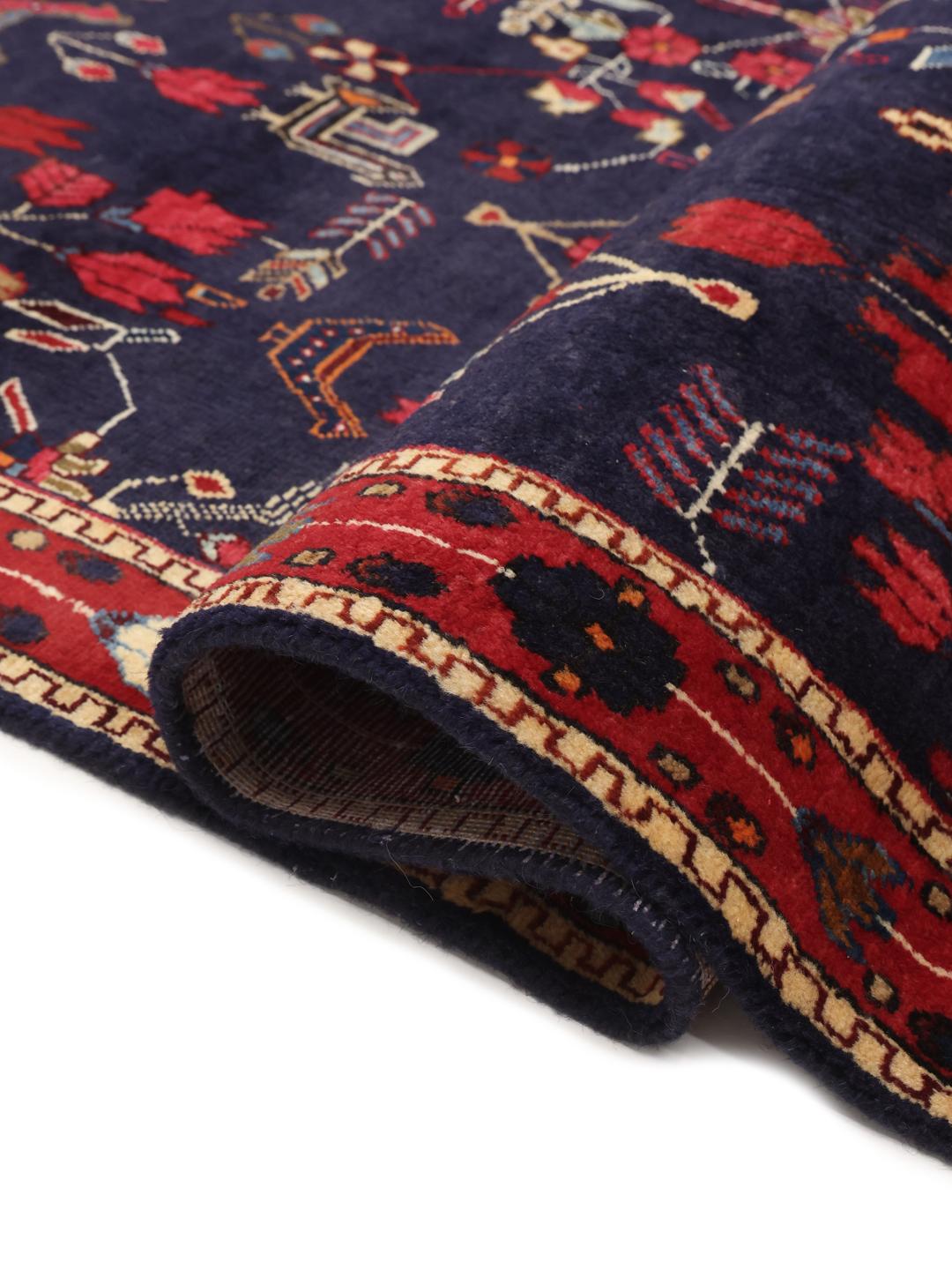
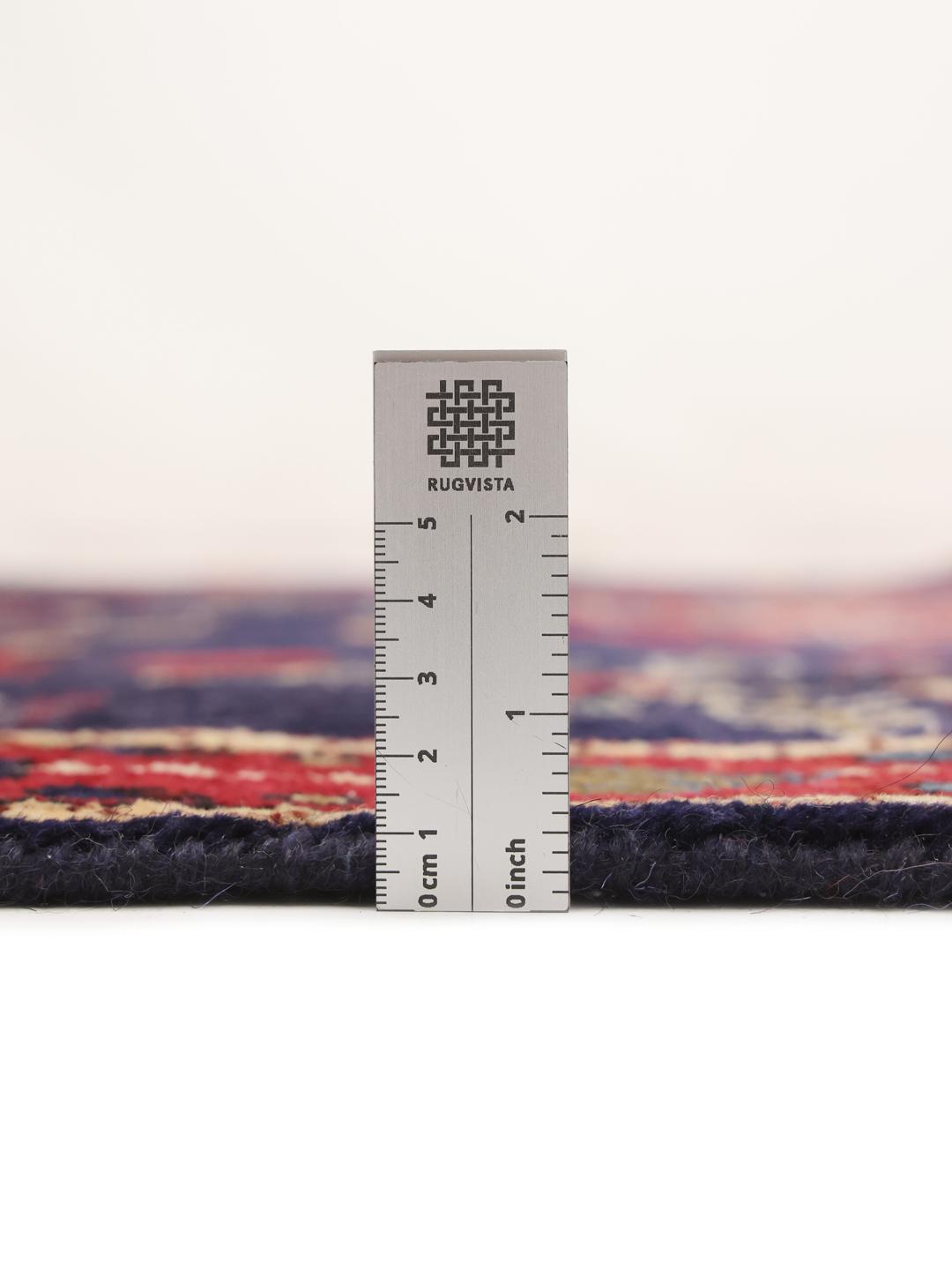
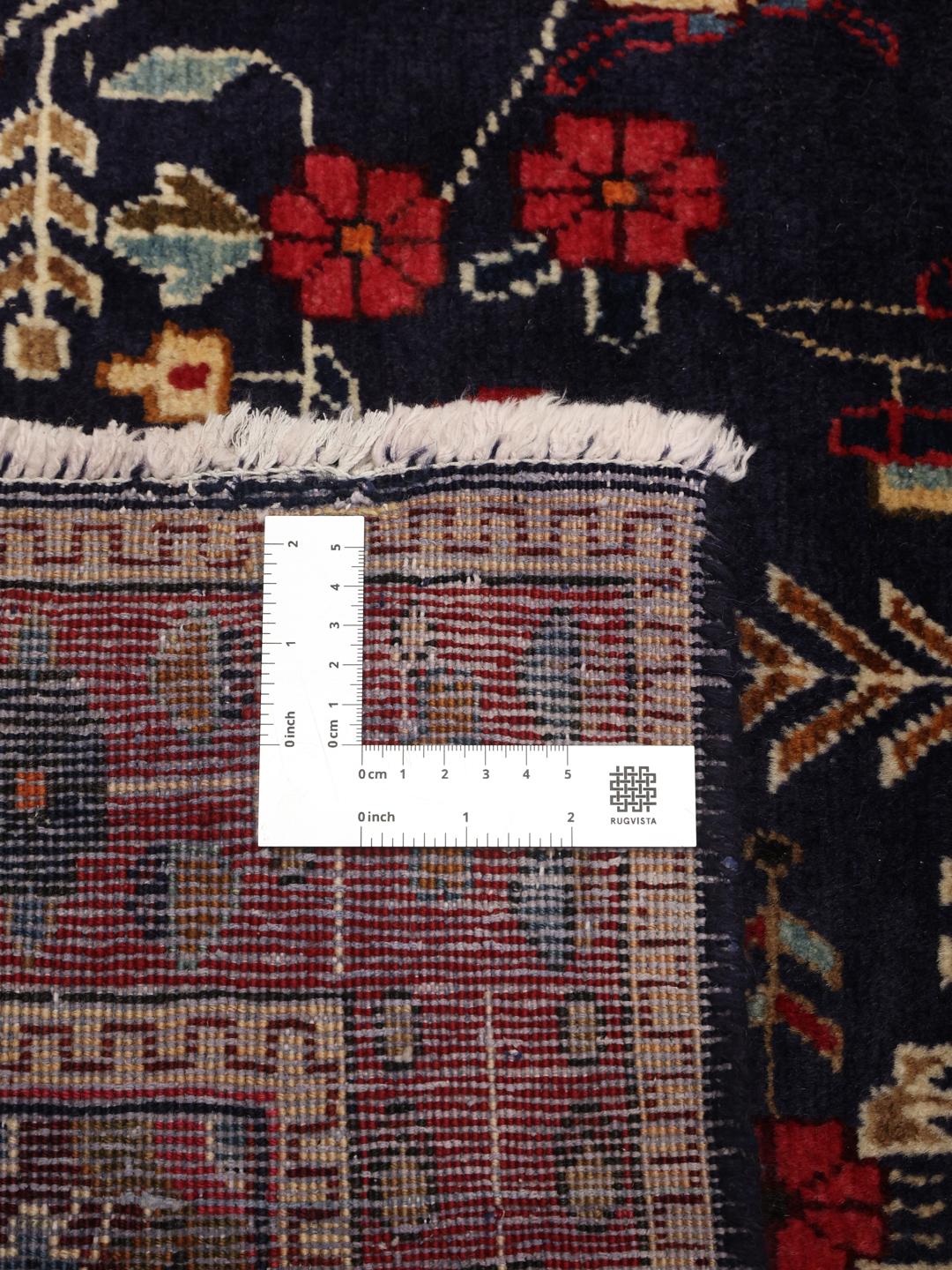
The term Afshar refers to the specific tribal tradition that produced this rug. What sets these pieces apart is the use of a dense, durable knotting technique that creates a robust pile capable of withstanding the rigours of nomadic life. This technical expertise ensures that the rugs remain not only beautiful but also functional, serving as essential elements of the household that are passed down through generations.
Visually, these rugs are often defined by their bold use of colour and complex, symbolic patterns. The field is typically filled with stylized flowers, birds, and geometric medallions that hold specific cultural meanings for the weavers. The deep, dark-blue field seen here is a classic choice, providing a striking contrast to the warm reds and earthy tones that are traditionally favoured in this region's textile art.
Today, these rugs are highly sought after by collectors who value the authenticity and the human story behind every piece. Owning an Afshar rug is an act of preserving a rich cultural heritage, as the shift toward modern production methods makes these traditional, hand-knotted treasures increasingly rare. It is an investment in skill, history, and a level of quality that simply cannot be replicated by machines.