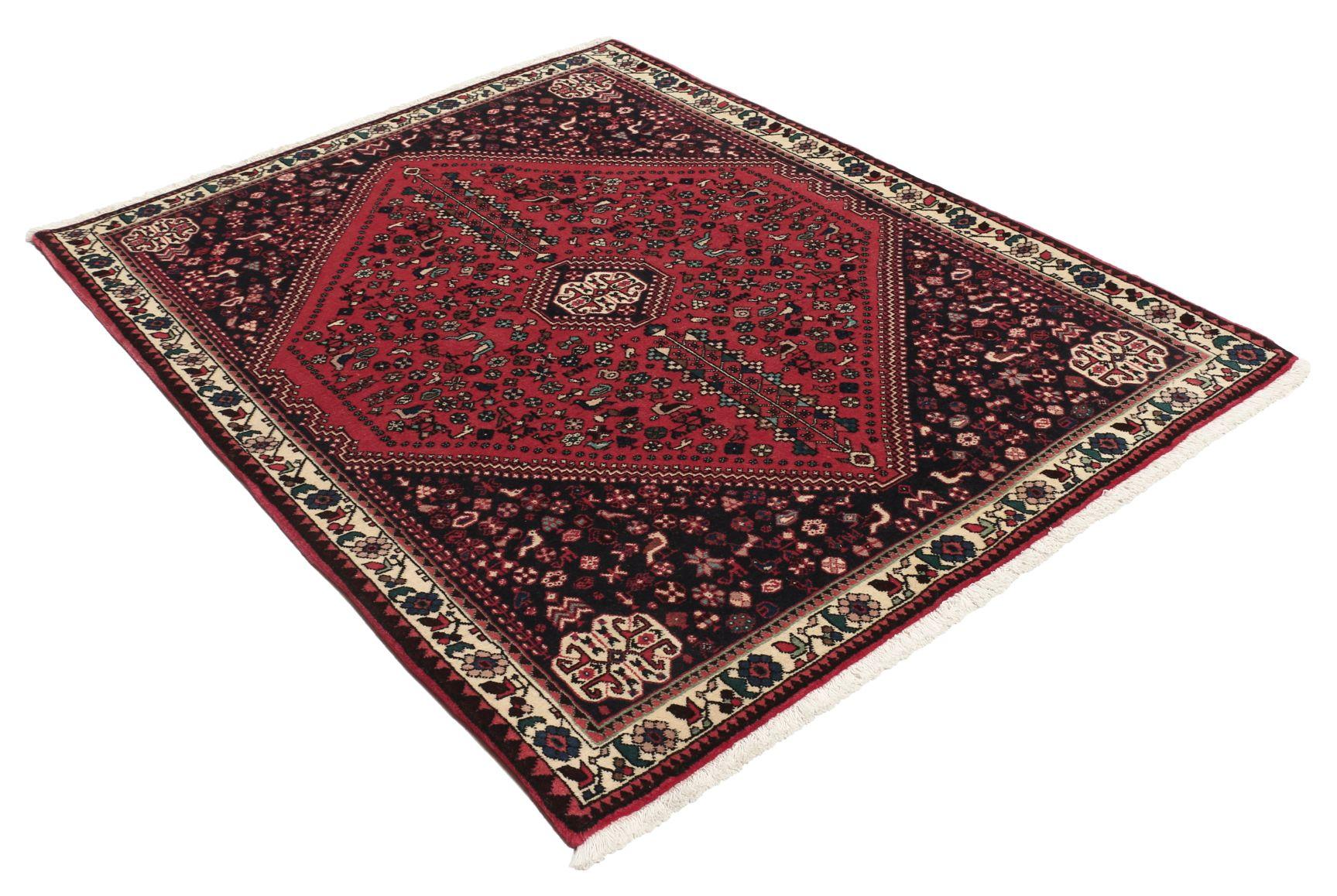
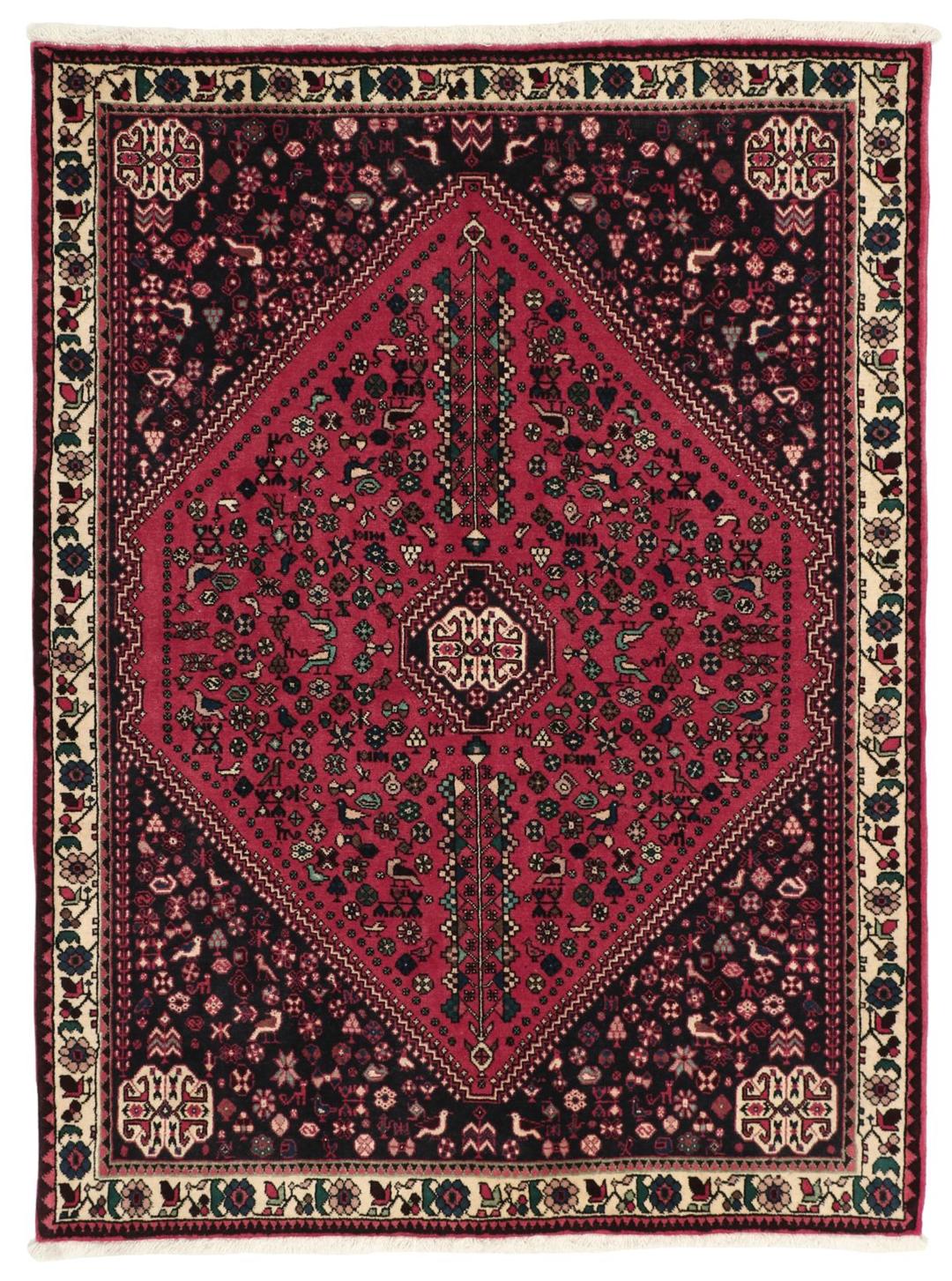
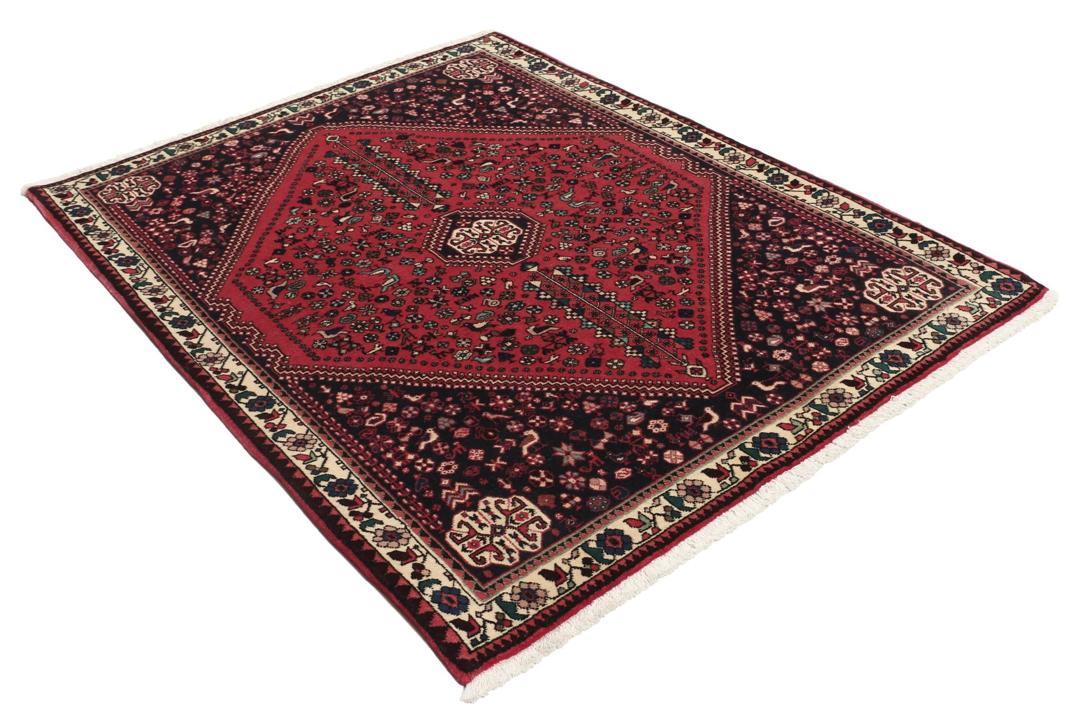
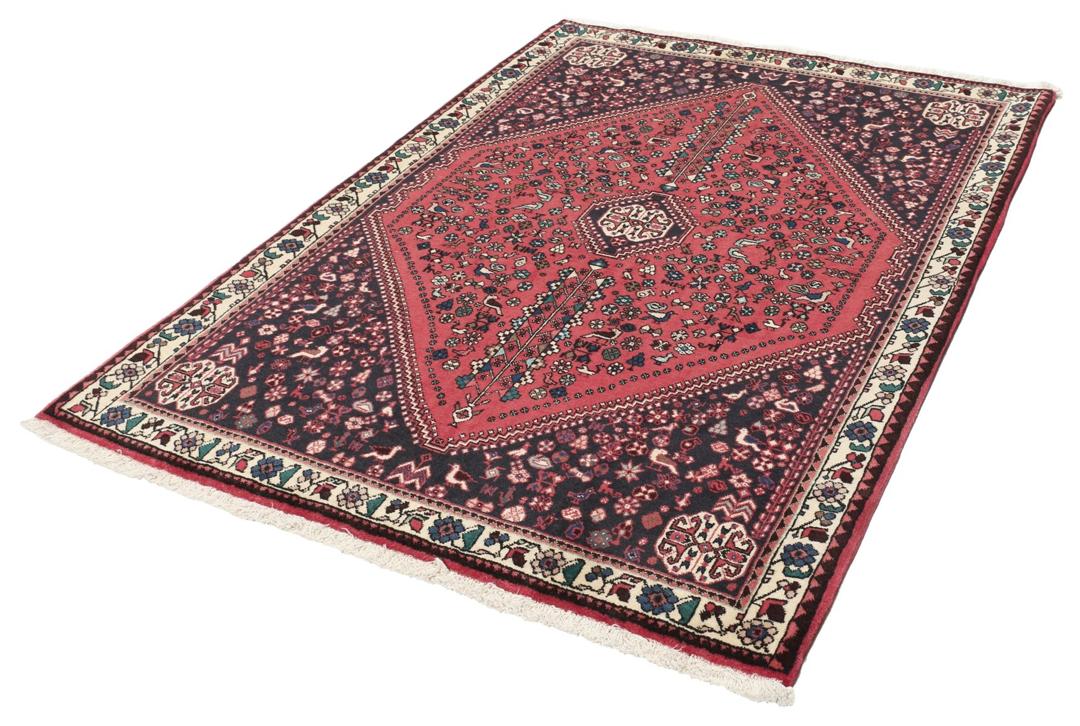
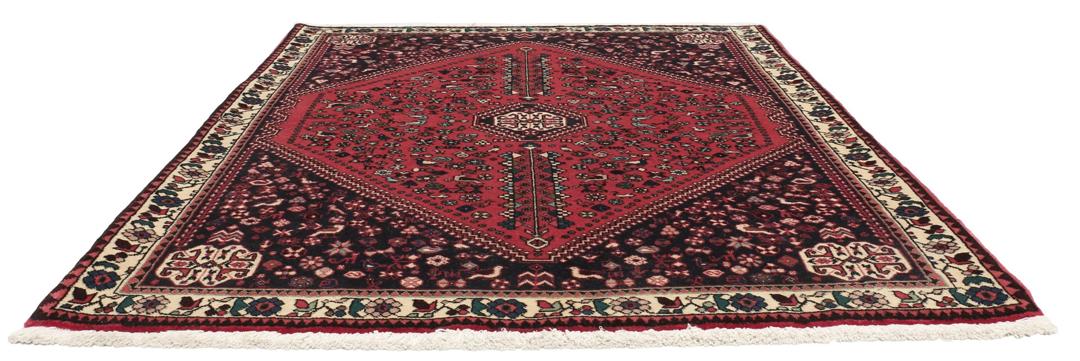
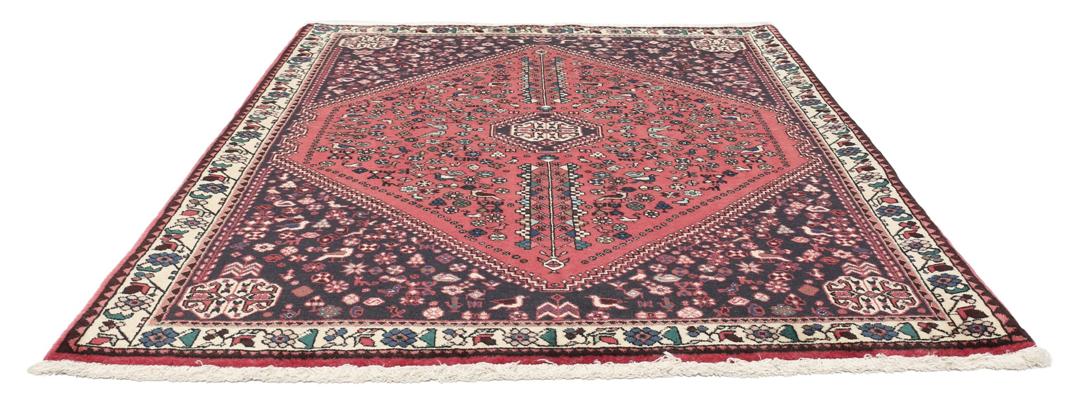
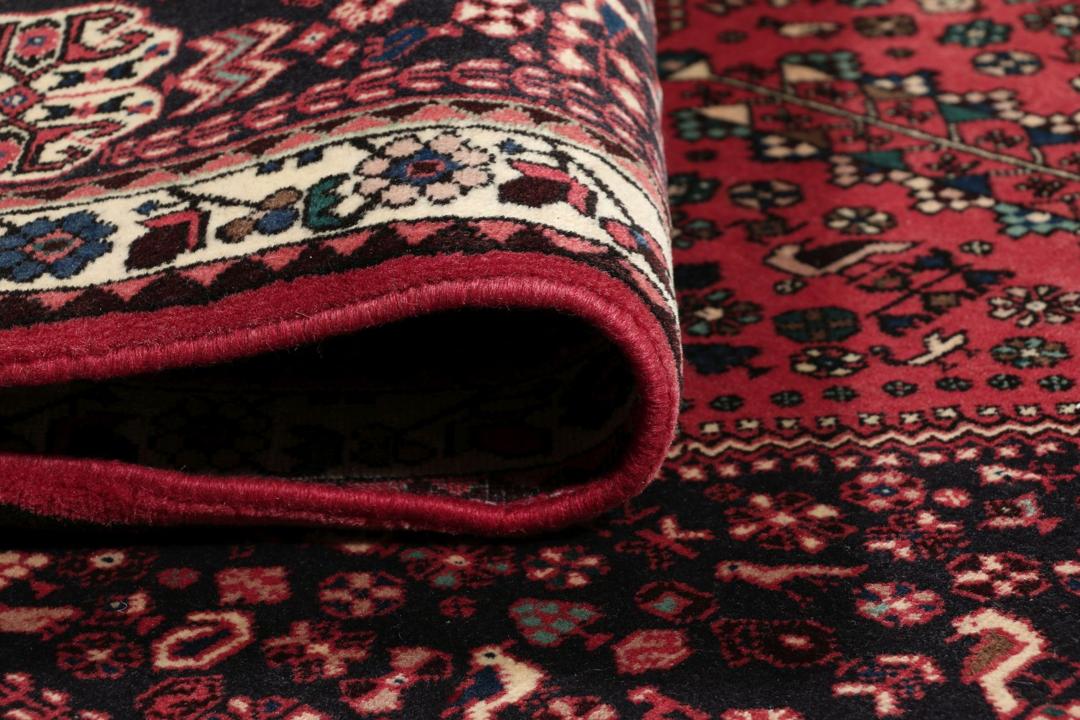
The Abadeh rug takes its name from the city of Abadeh, located in the Fars province of the Middle East. Historically, this region is famous for its nomadic and semi-nomadic weaving traditions, which have evolved over centuries to become a distinct style recognised for its unique blend of tribal aesthetics and formal design sensibilities.
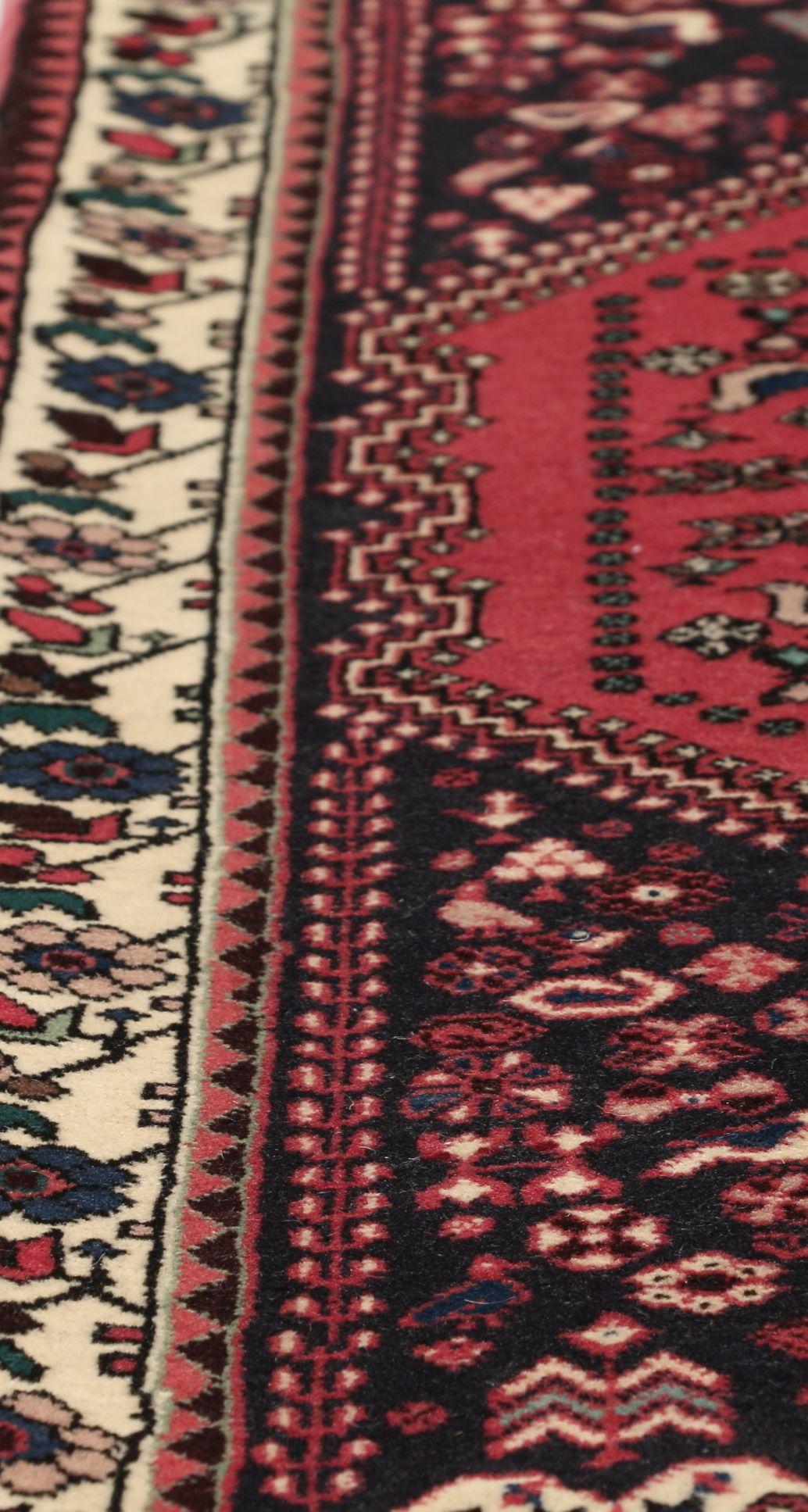
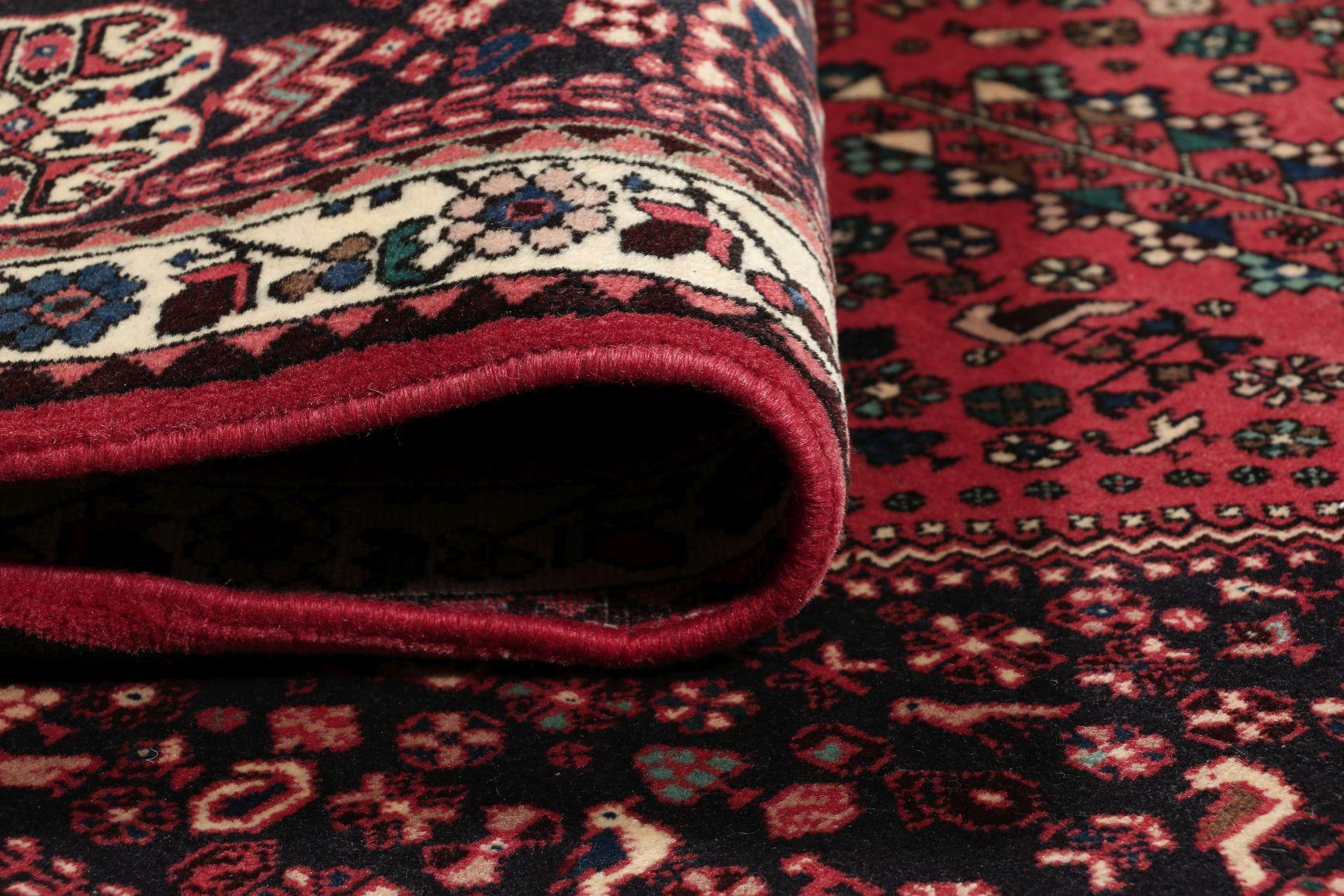
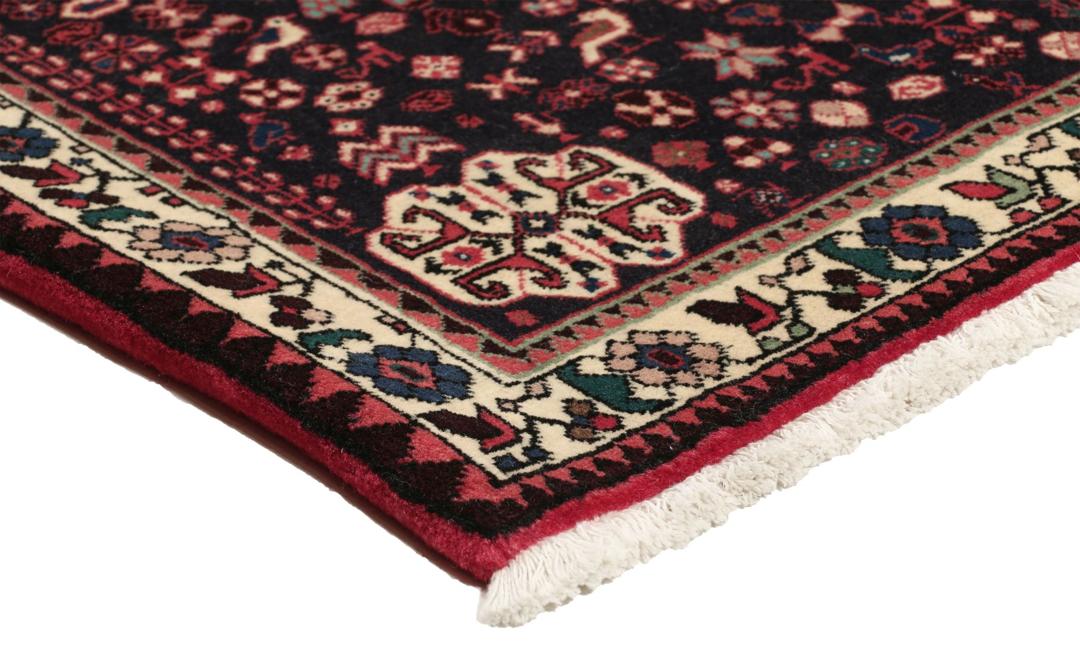
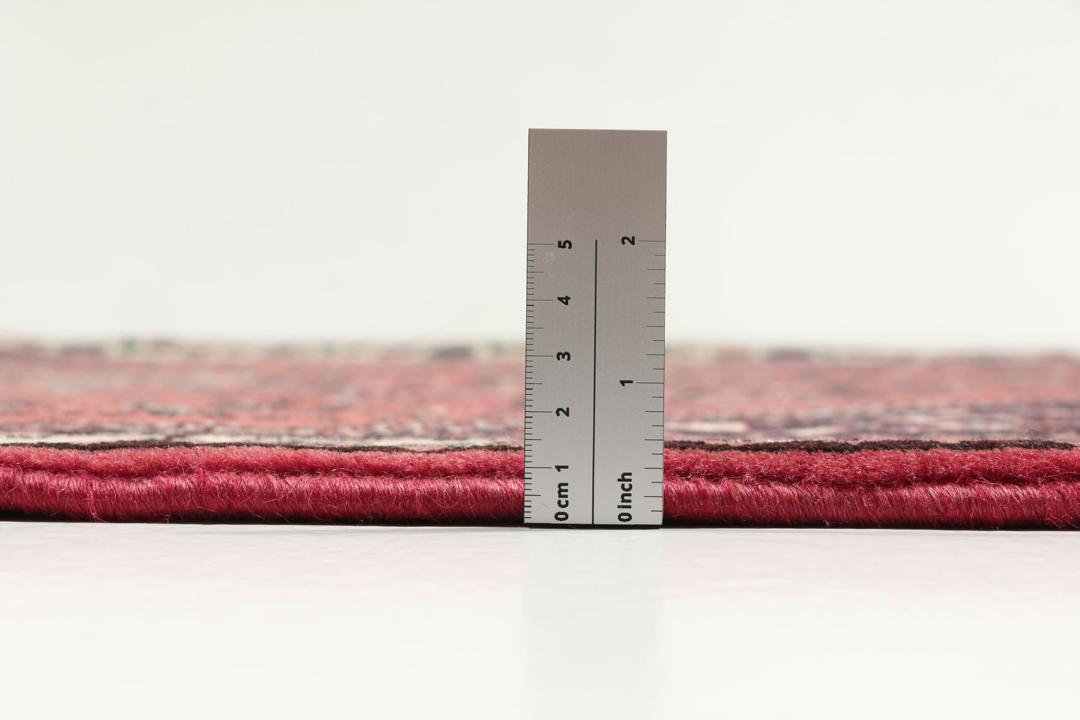
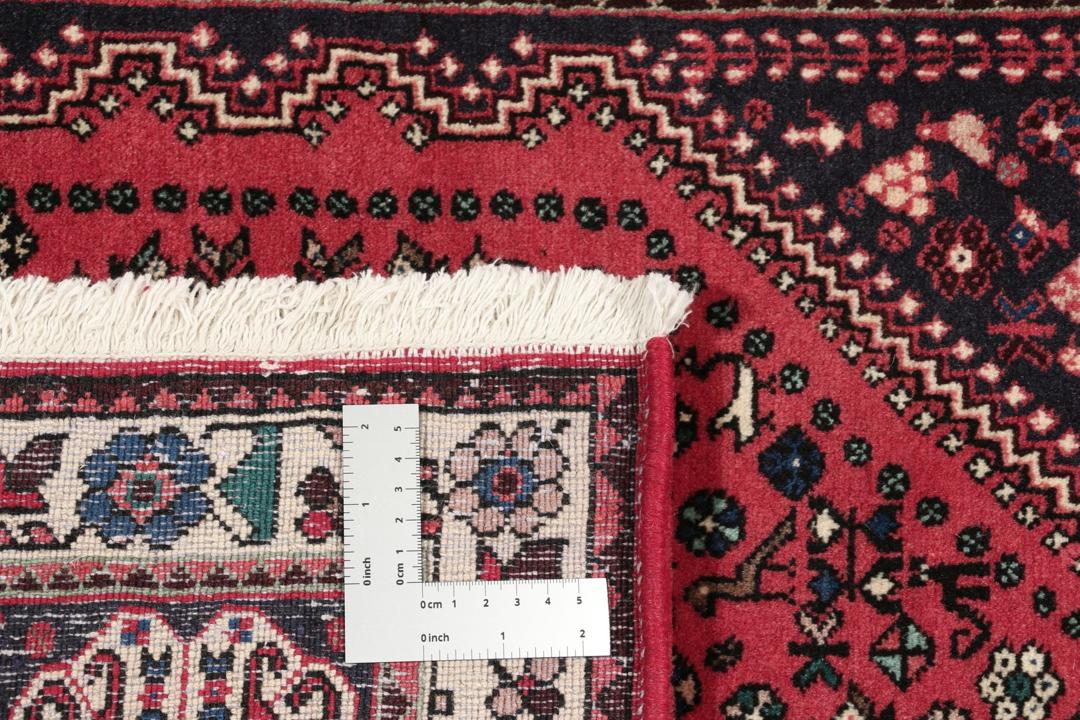
Abadeh rugs are renowned for their specific construction techniques that prioritise durability and clarity of design. The use of hand-spun wool and a dense knotting style results in a pile that is not only soft to the touch but also exceptionally resilient. This technical approach is what allows the intricate patterns to remain sharp and vibrant, even after years of use in a domestic setting.
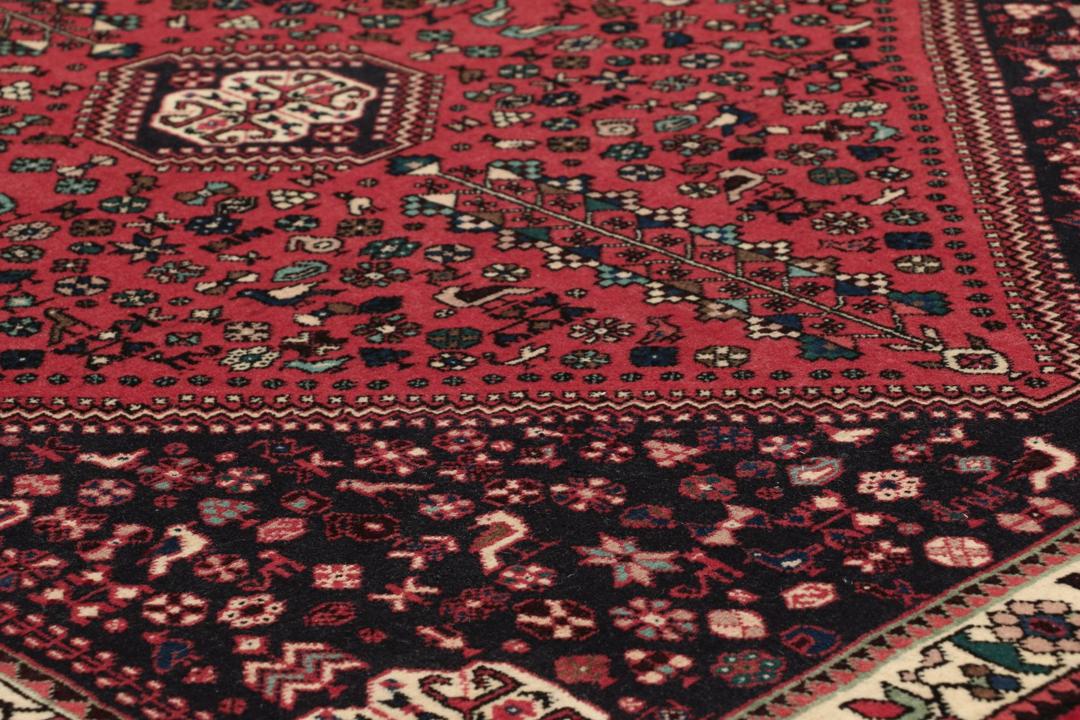
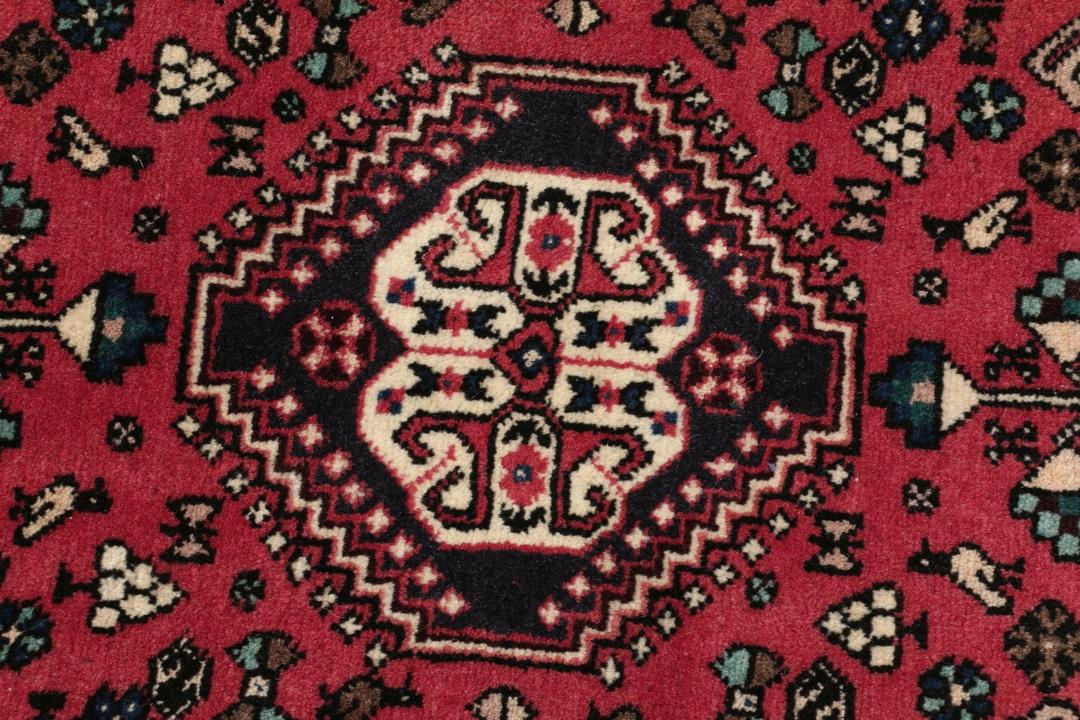
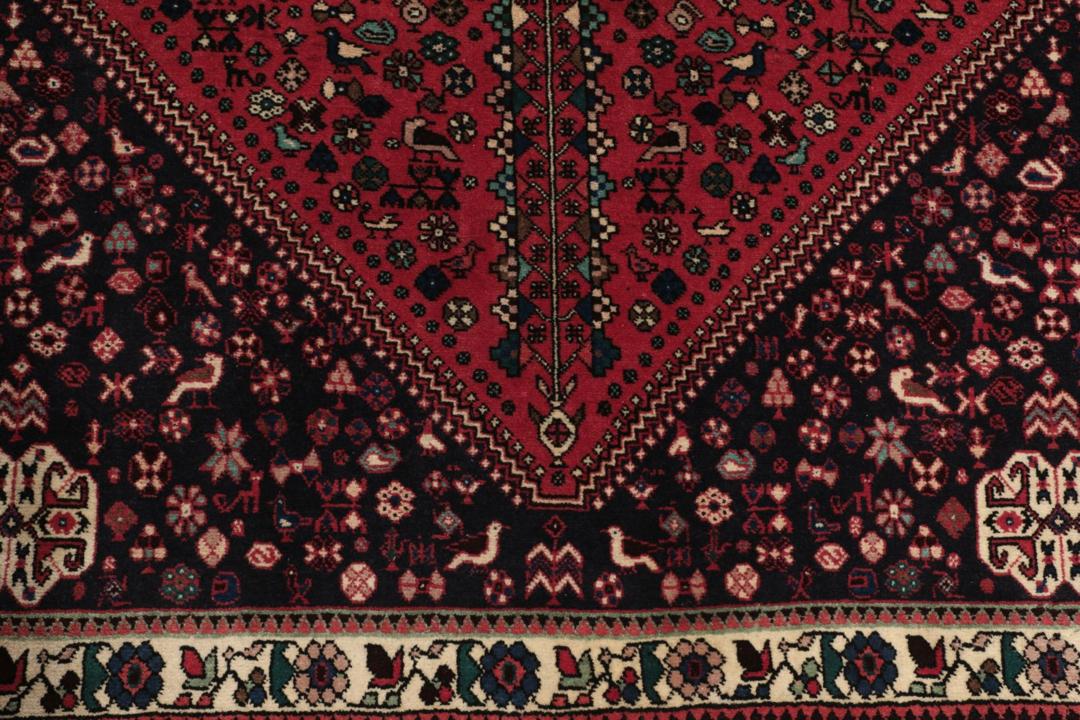
Visually, these rugs are often defined by a central medallion, frequently surrounded by a field of 'heibatlou' motifs, which are inspired by the geometric patterns found in nomadic textiles. You will often see stylized birds, animals, and floral elements interspersed throughout, creating a narrative quality that is deeply rooted in the storytelling traditions of the local weavers.
Collecting an Abadeh rug is an investment in cultural history. These pieces are highly valued by enthusiasts for their ability to bridge the gap between rural, tribal roots and the more formal, refined patterns of urban workshops. Owning one means holding a piece of regional heritage that celebrates the skill, patience, and artistic vision of generations of weavers.